
Churches to Visit in Austria
Austria is the land of the Baroque abbey and the onion dome, but its most famous church is Gothic: St Stephen’s Cathedral in Vienna, the Stephansdom, with its patterned roof and its soaring south tower. This Austrian chapter starts there, at the centre of the capital, with the baroque Karlskirche nearby; on the Danube at Melk, with its abbey; and in the Salzkammergut, where the painted skulls of Hallstatt’s charnel house look out over the lake.
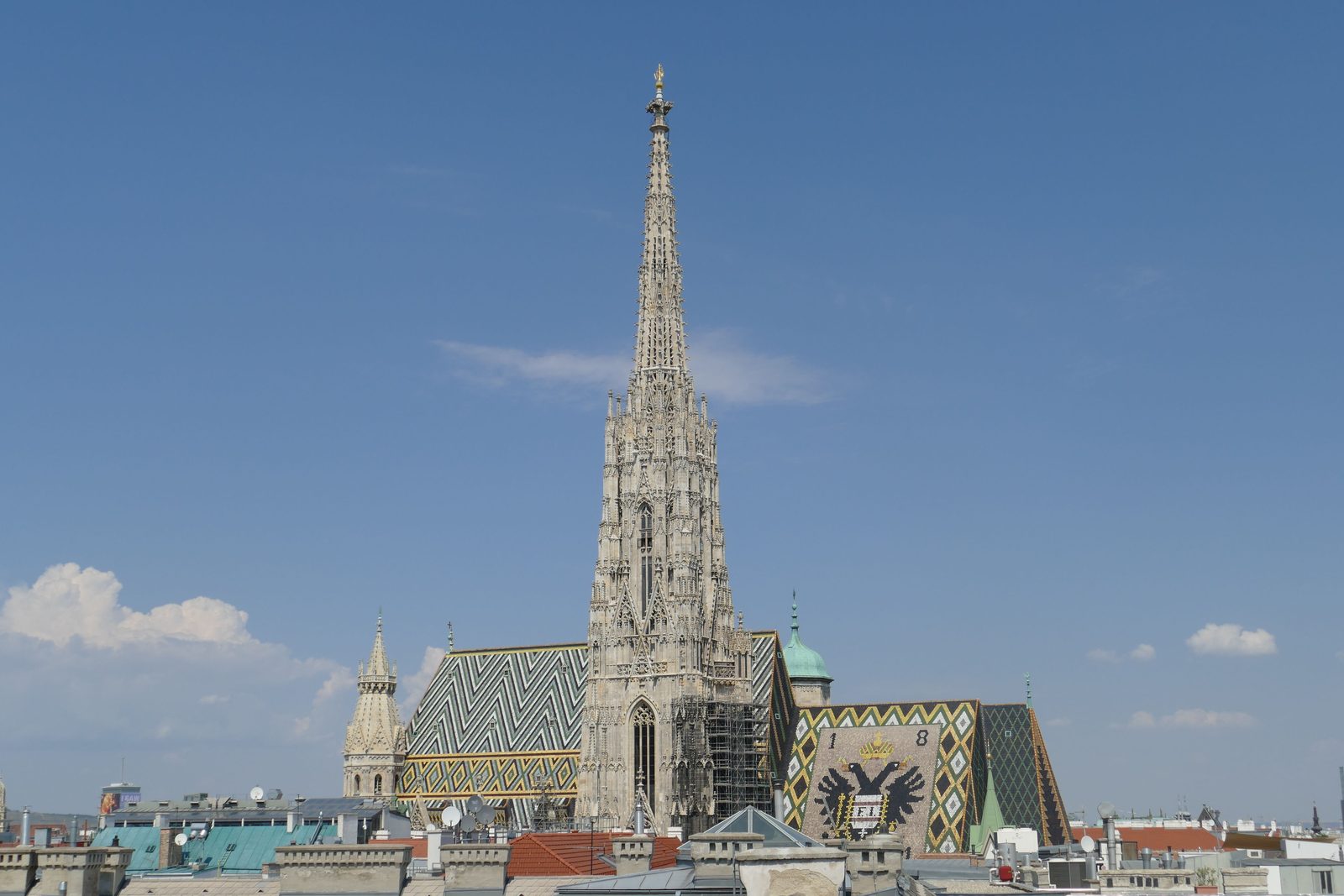
Many of Vienna’s big churches, St Stephen’s above all, separate praying from sightseeing. The back of the church is open and free all day; the nave, the towers and the crypts are ticketed and kept to visiting hours, which shrink on Sundays and holidays. Mass is always free, and in Vienna often comes with very good music.
Where to start
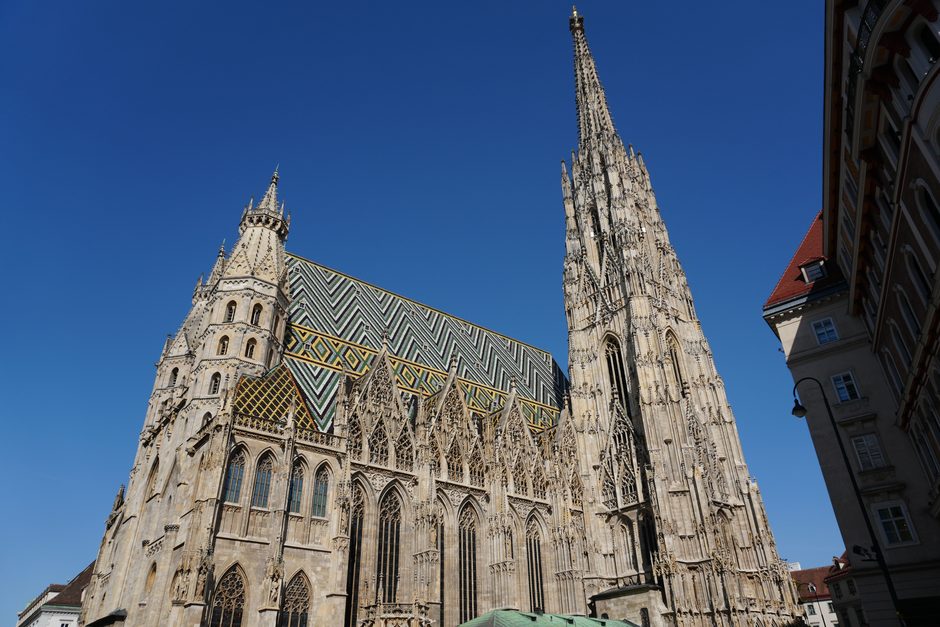
St Stephen’s Cathedral
Free at the back, €8 for the nave. Two towers, the catacombs and the tiled roof.
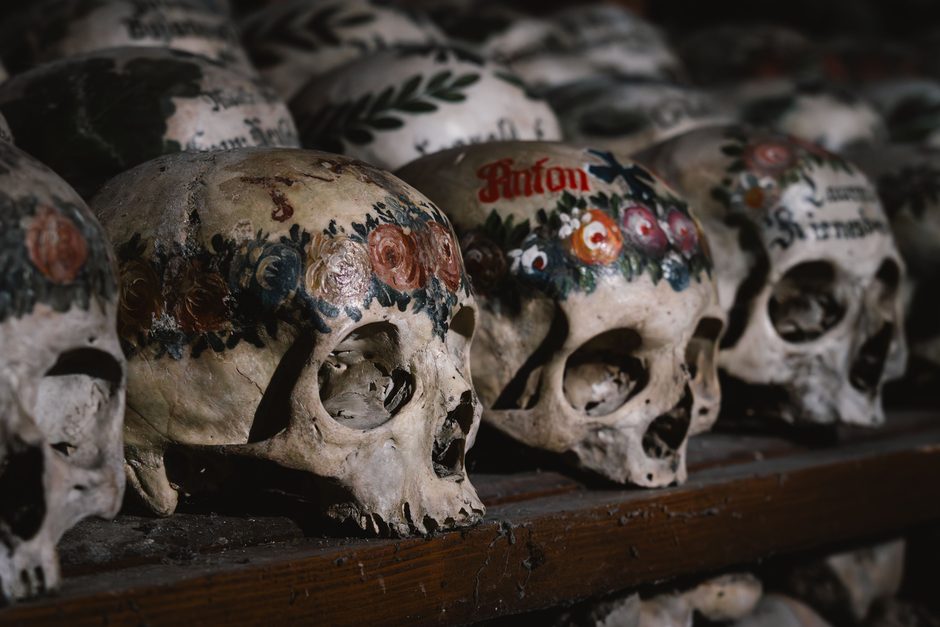
Hallstatt Charnel House
About 1,200 skulls, some 610 of them painted with flowers, names and dates. €2, cash only.
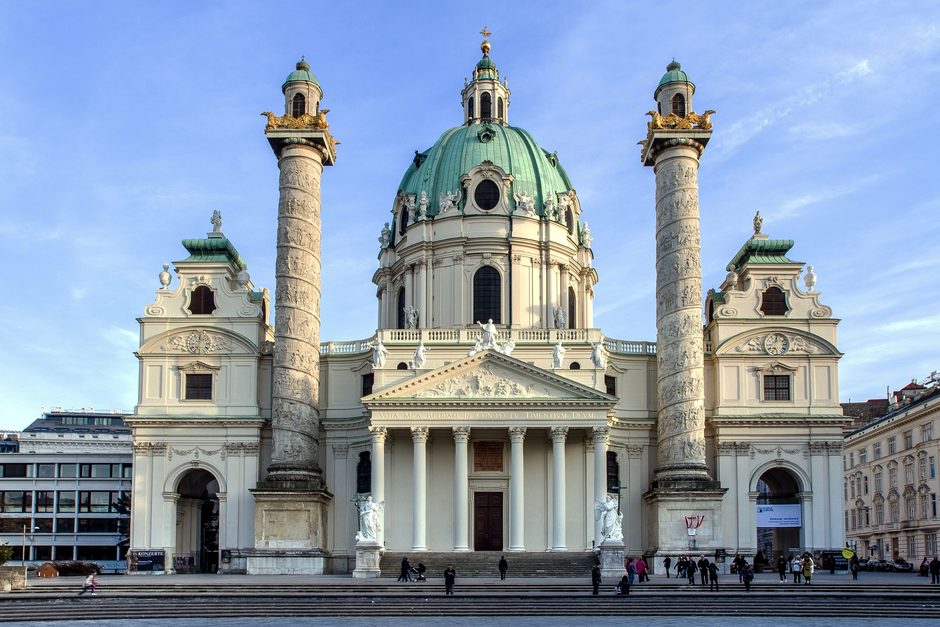
Karlskirche
Vienna’s great baroque plague church: the dome fresco, the terrace and evening Vivaldi. €9.50.
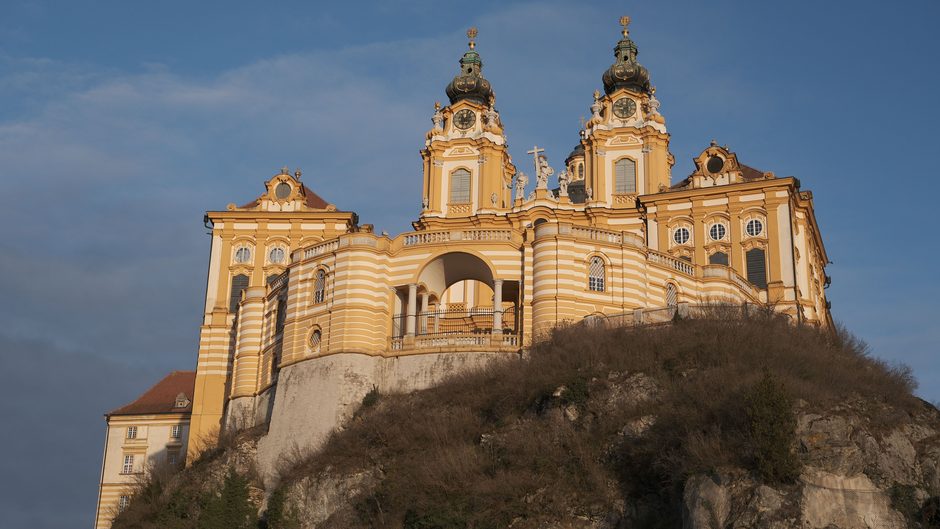
Melk Abbey
The great baroque abbey of the Danube: library, Marble Hall and a church of gold. €16.
Practical notes for the whole country
| Opening hours | Churches open early and close late for prayer, but sightseeing hours are set separately and are shorter, especially on Sundays and holidays |
|---|---|
| Admission | Many churches are free; at St Stephen’s the back of the church is free, and the nave, towers and catacombs are €8 each. The Karlskirche is €9.50, Melk Abbey €16, and the Hallstatt charnel house €2, cash only |
| Dress code | Shoulders and knees covered, hats off; no large luggage |
| Getting around | Vienna’s churches are best reached on foot or by U-Bahn; St Stephen’s has its own station. Hallstatt is reached by train and a short ferry across the lake |
Coming next
The Peterskirche in Vienna and the abbeys of Stift Klosterneuburg and Stift Göttweig are the obvious next additions, built the same way as the rest of this guide: one region finished properly at a time.