
Churches and Cathedrals to Visit in Spain
Five buildings, and between them most of the story of Christian Spain: a pilgrimage cathedral built over an apostle’s tomb at the end of the known world; a great mosque with a cathedral inserted into its heart; a Gothic cathedral that kept its minaret; a granite monastery-palace where the most powerful king in Europe governed an empire and died; and a nineteenth-century church in Barcelona that became the tallest in the world in 2026 and still isn’t finished. Each guide leads with the practical thing most visitors get wrong.
Spain’s great churches are spread across the country rather than clustered in one city, but they fall naturally into three trips. Córdoba and Seville, under an hour apart by high-speed train, belong together: both were built on the sites of great mosques, and the two buildings are opposite answers to the same question. El Escorial is a day out from Madrid. Barcelona and Santiago each want a visit of their own — Santiago above all in 2027, a Holy Year, when the Camino will be at its busiest.
More Spanish guides will follow, city by city. That is why these sit under their city’s name in the address: Barcelona, Seville, Córdoba and Santiago each have other churches worth a guide of their own.
Where to start
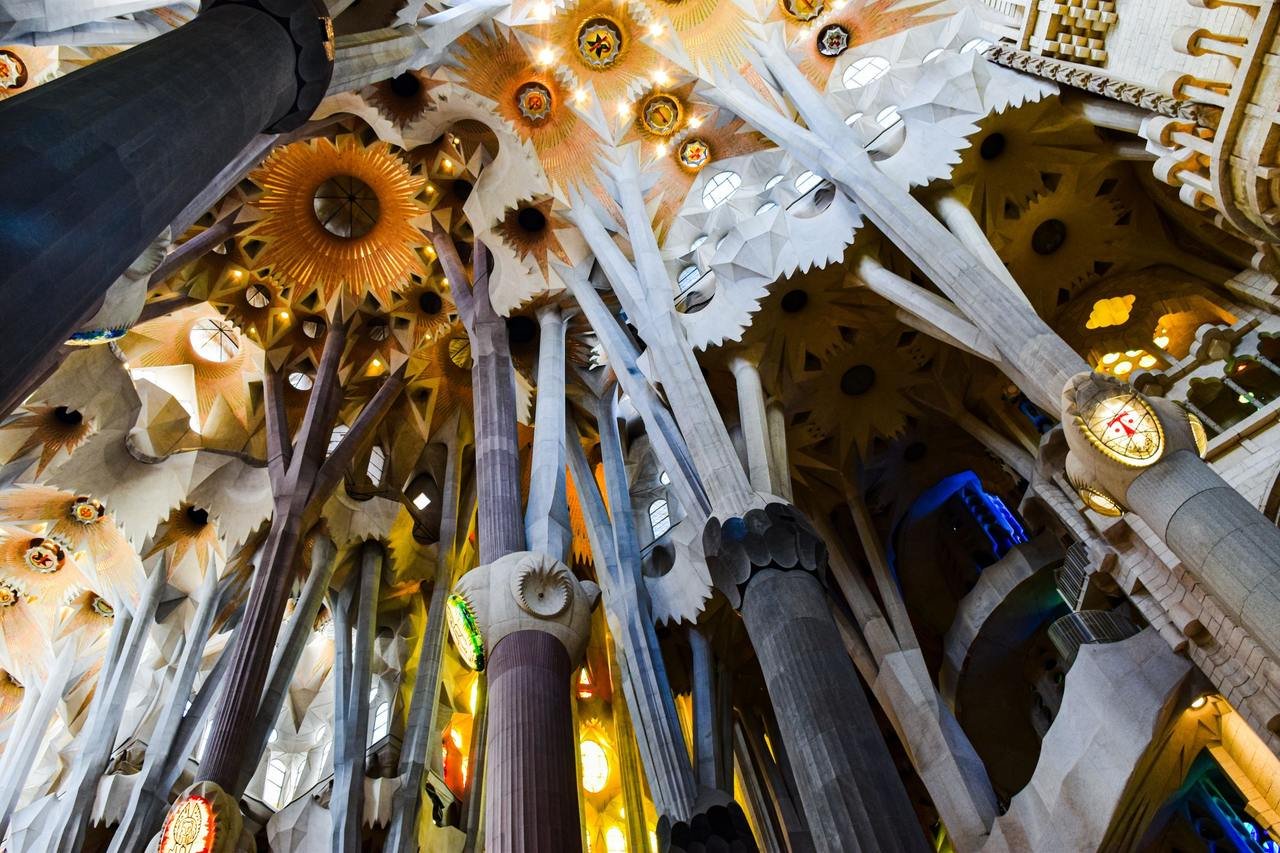
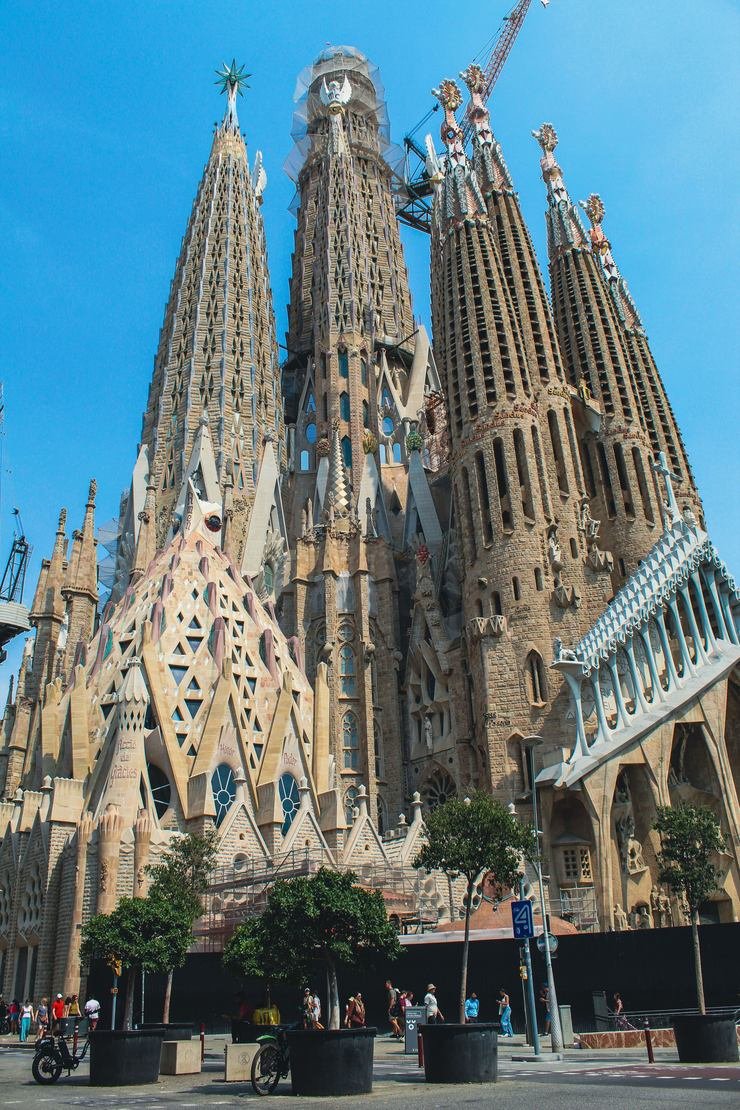
Sagrada Família
The tallest church in the world since June 2026 — though the tower that made it so is not the one your ticket lets you climb.
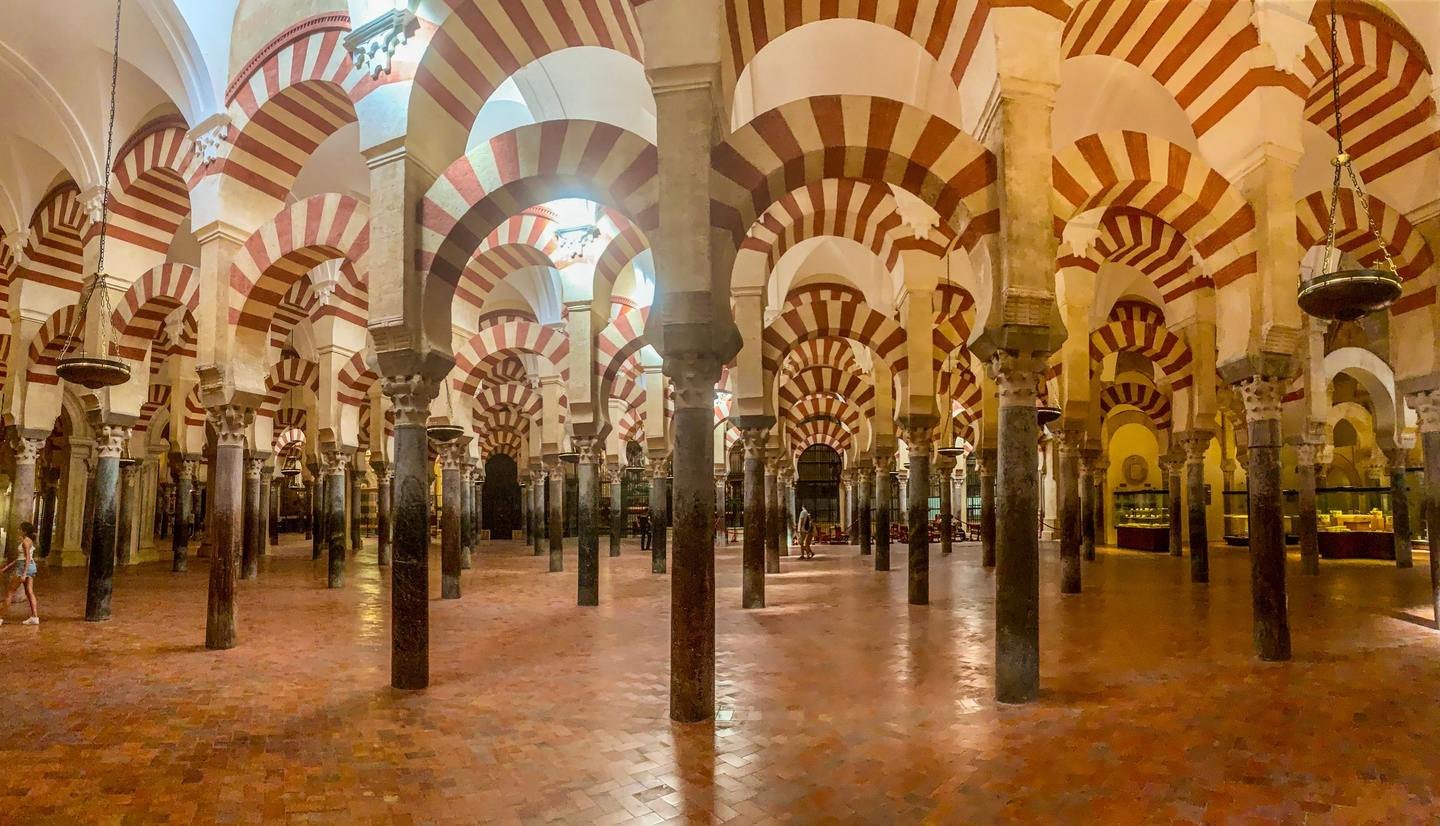
Mosque-Cathedral of Córdoba
A forest of columns under red-and-white arches, a Renaissance cathedral in the middle, and a free hour every morning except Sunday.
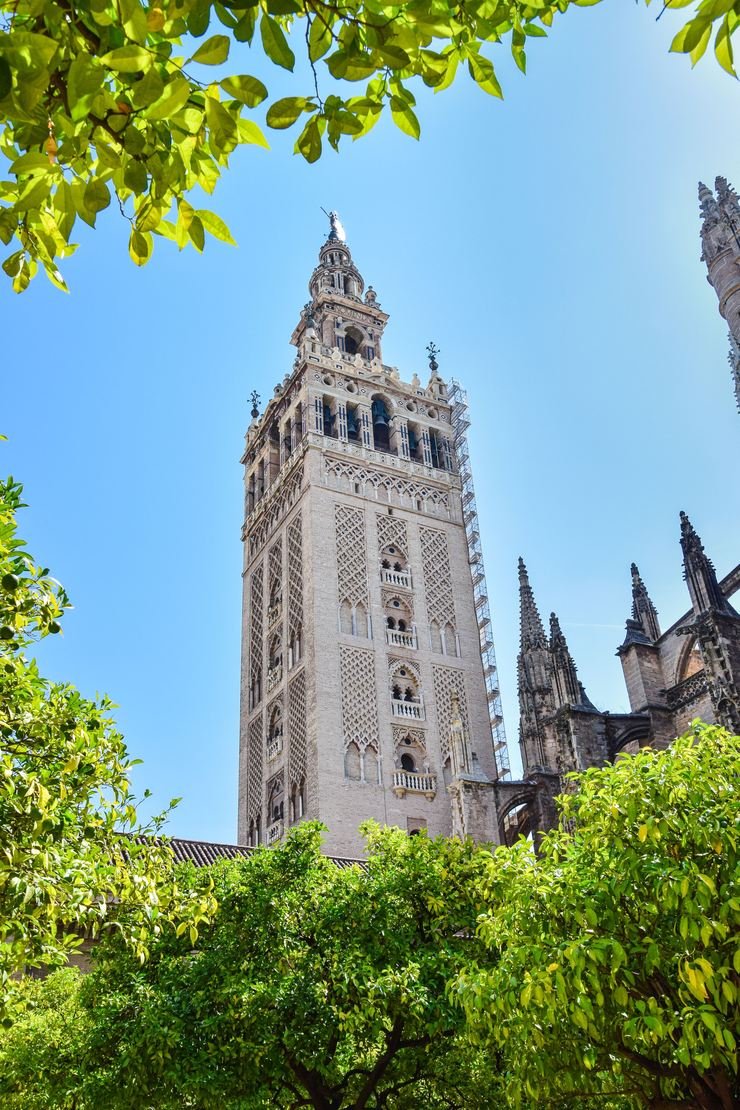
Seville Cathedral
Usually counted the largest Gothic cathedral in the world, the Giralda’s 35 ramps, Columbus’s tomb — and a second church on the same ticket.
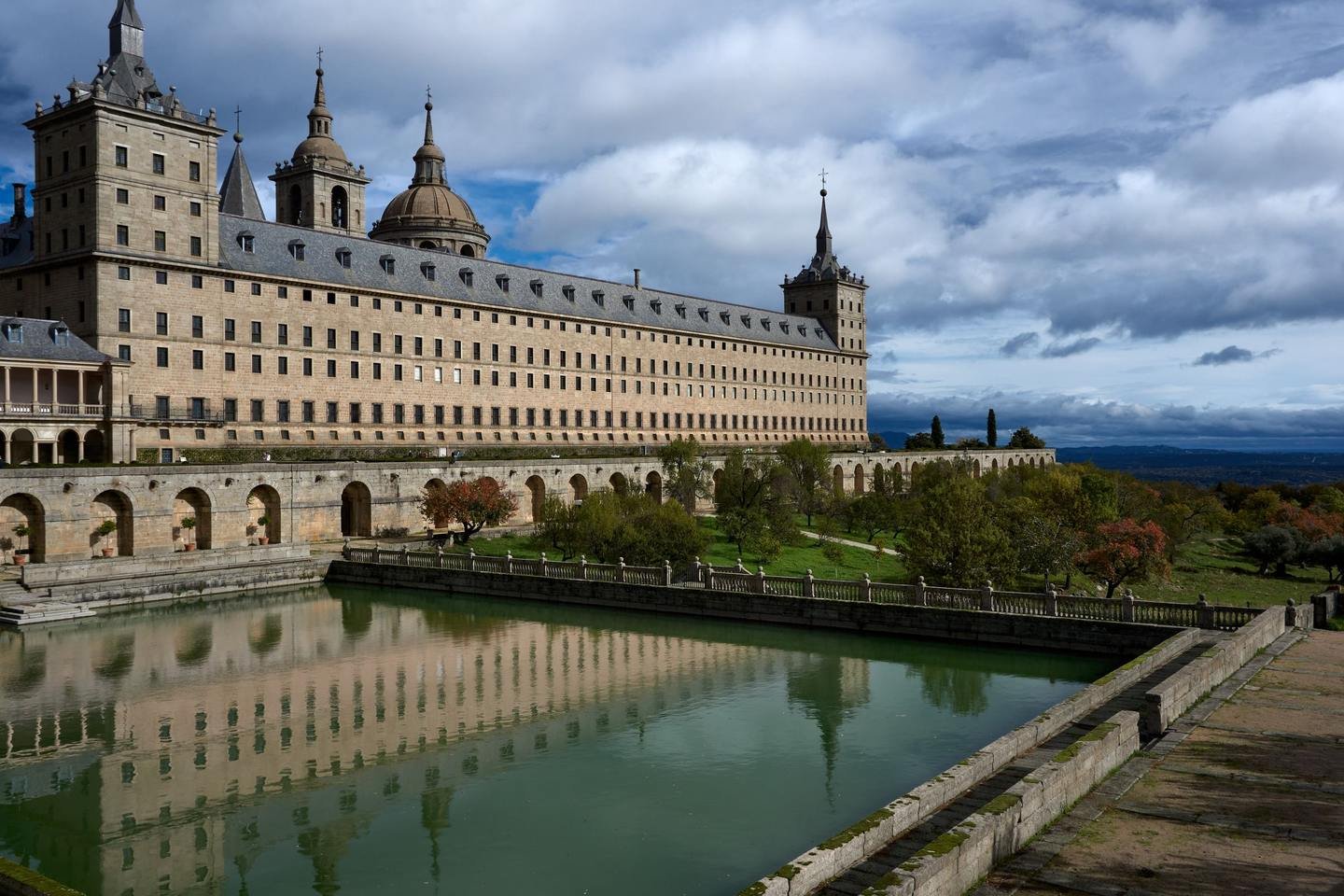
El Escorial
Philip II’s monastery, palace, library and royal tomb in one granite rectangle, an hour from Madrid. Closed on Mondays.
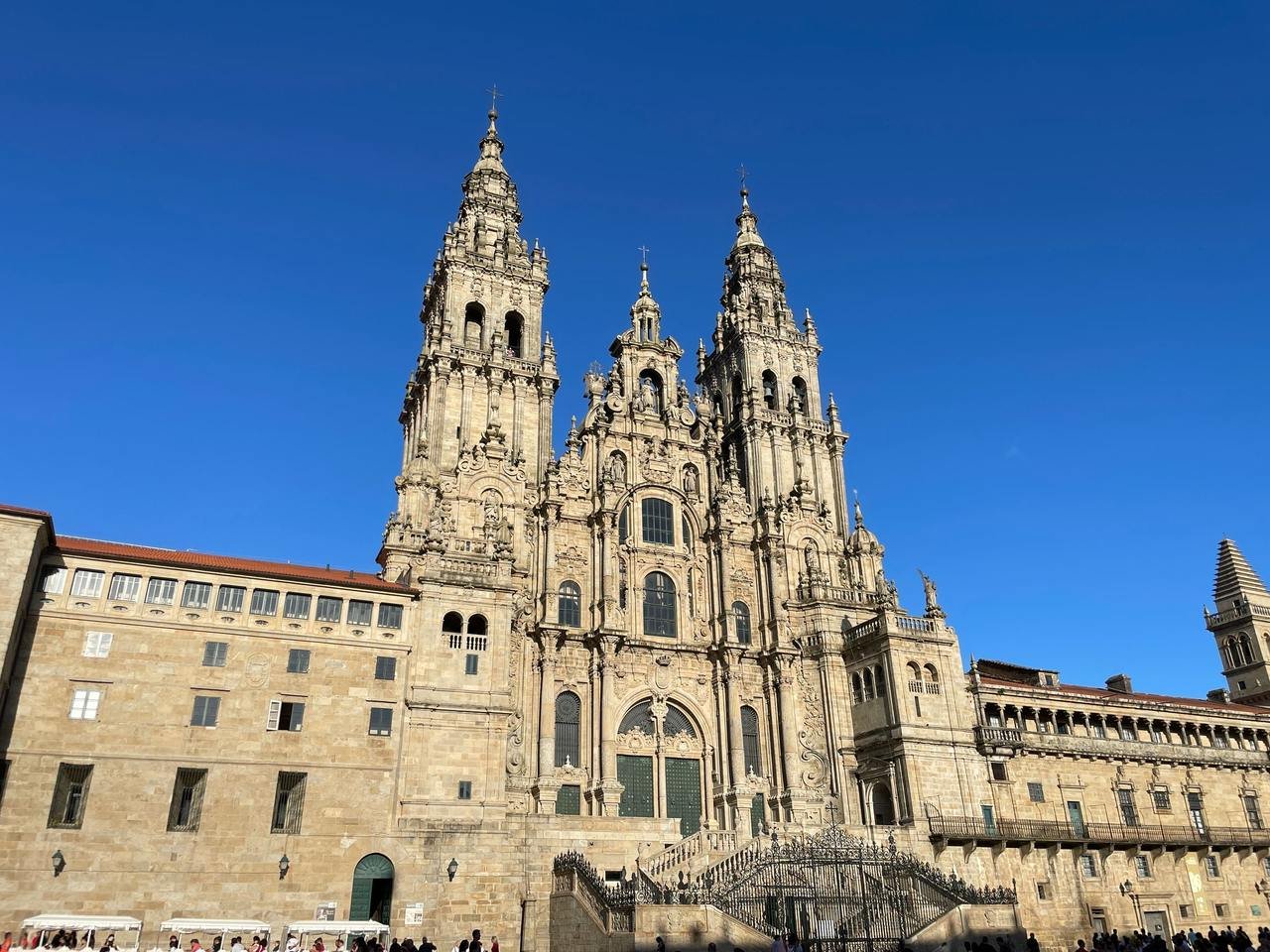
Santiago de Compostela Cathedral
The end of the Camino, free to enter every day — and the Botafumeiro does not swing at every Mass.
Practical notes for the whole country
| Opening hours | Spanish cathedrals open later than northern European ones — 10 or 11am is common — and Sunday mornings are usually kept for Mass, with tourist visits resuming in the afternoon. El Escorial closes every Monday. Check each building’s own site for your date |
|---|---|
| Admission | Most of the great monuments charge, typically €13–€15, with the Sagrada Família at €26. Santiago is the exception: the cathedral is free and only the museum, portico and roofs cost. Several have a free slot worth planning round — Córdoba’s early-morning hour, Seville’s Sunday afternoon, El Escorial’s Wednesday and Sunday afternoons for EU and Ibero-American citizens |
| Tickets | Online, in advance, for a timed slot. The Sagrada Família sells no tickets on site at all |
| Dress code | Shoulders covered and no beachwear: the big monuments ask for it, and some state it as a condition of entry |
| Getting around | The high-speed trains link Madrid with Córdoba, Seville, Barcelona and Santiago. Córdoba and Seville are under an hour apart, and El Escorial is an hour from Madrid by local train or bus |
All five
- Sagrada Família Gaudí’s basilica in Barcelona, begun in 1882, 172.5 metres high since 2026, and still waiting for its main façade.
- Mosque-Cathedral of Córdoba The Great Mosque of the caliphs, a cathedral since 1236.
- Seville Cathedral A Gothic giant with an Almohad minaret for a bell tower, and Columbus, probably, inside.
- El Escorial The Habsburg monastery-palace and royal pantheon in the mountains north-west of Madrid.
- Santiago de Compostela Cathedral The shrine of St James, the Pórtico da Gloria, and the Botafumeiro.
Coming next
This first Spain chapter covers five of the country’s most visited churches. Toledo, Burgos, León, Granada and Montserrat are on the list for later, and so are more of the churches of Barcelona and Seville, built the same way as the rest of this guide — one region finished properly at a time.