
Churches to Visit in France
France invented the Gothic cathedral. The style was born at the abbey of Saint-Denis, just north of Paris, in the 1140s, and within a century it had produced Notre-Dame, Chartres, the Sainte-Chapelle and dozens more. This first French chapter covers five essential churches: three in Paris and two that are an easy train ride away. Each guide leads with the practical point that most visitors get wrong, because in France that is usually something to do with tickets — who sells them, whether you need one, and what they actually cover.
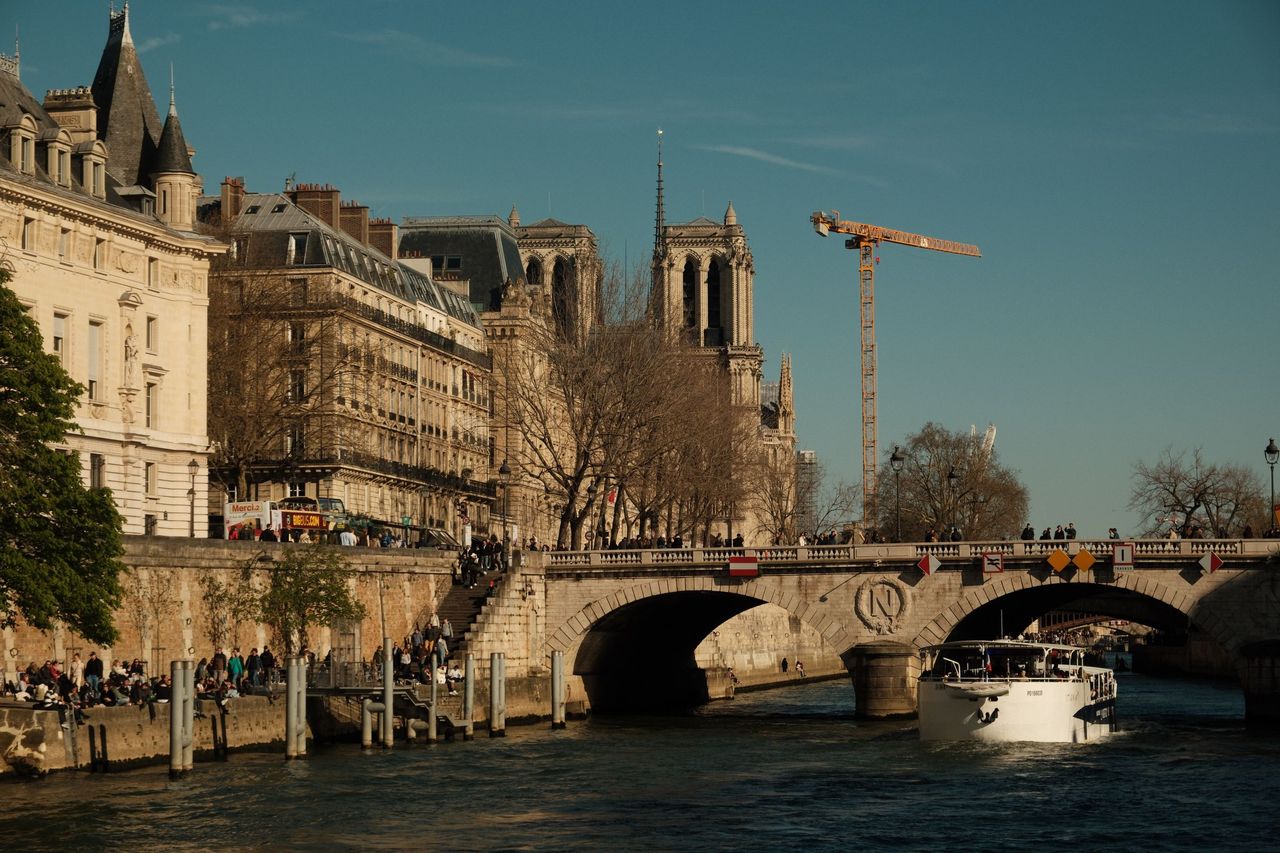
Notre-Dame, the Sainte-Chapelle and Sacré-Cœur are all in central Paris. The first two are on the Île de la Cité, five minutes’ walk apart, and make a very full morning together; Sacré-Cœur, on Montmartre, is a separate half-day. Chartres is the classic day trip from Paris, an hour from Montparnasse. Strasbourg, in Alsace, is under two hours by TGV and deserves at least a night of its own.
The Paris guides have ‘paris’ in their address because the city has many more churches that deserve a guide, and they will be added in time.
Where to start
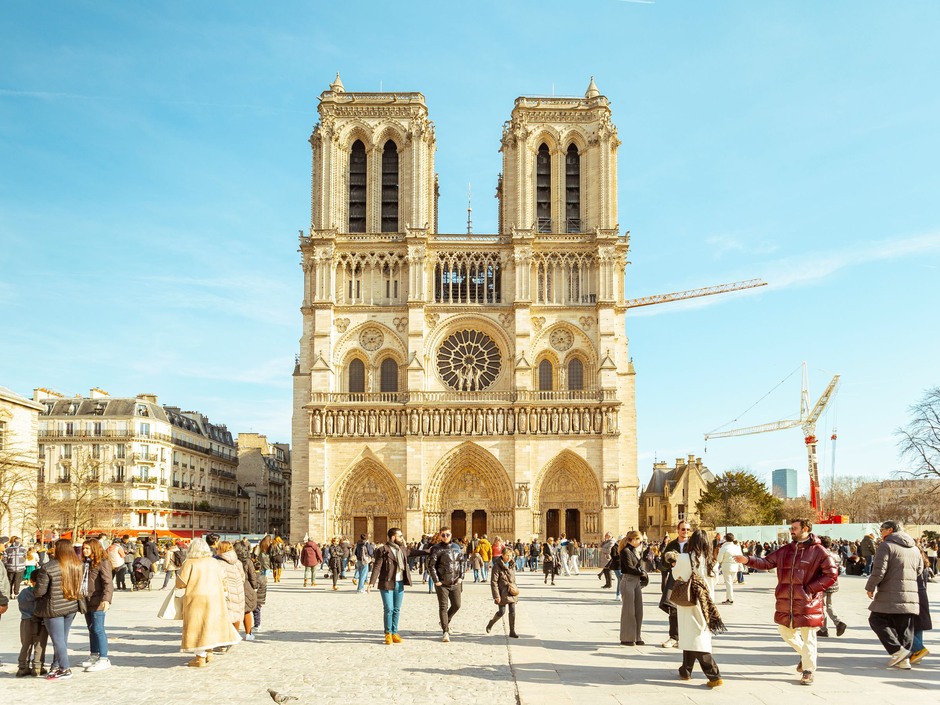
Notre-Dame de Paris
Reopened after the fire and free to enter. Nobody else can sell you a ticket; the towers are a separate booking.
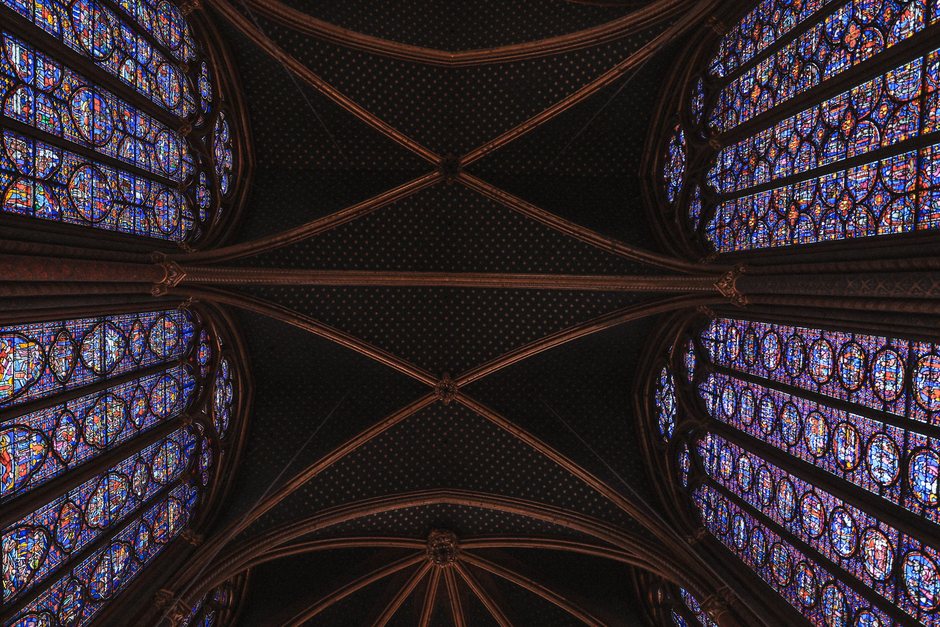
Sainte-Chapelle
Louis IX’s chapel of glass, inside the law courts. Book a slot, and check which of the two prices is yours.
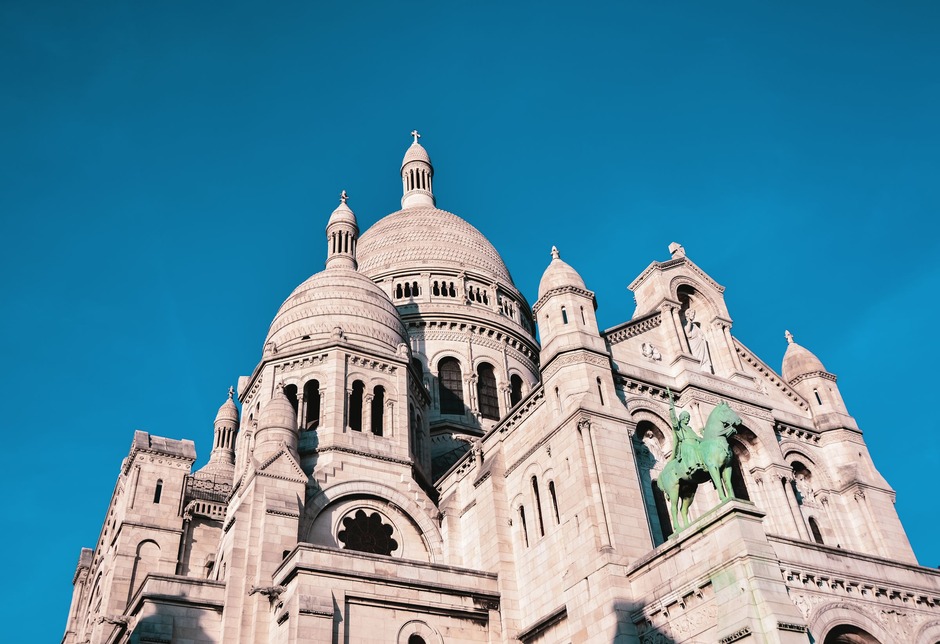
Sacré-Cœur
Free, open until late, no booking — and no photographs inside. The dome is the paid extra.
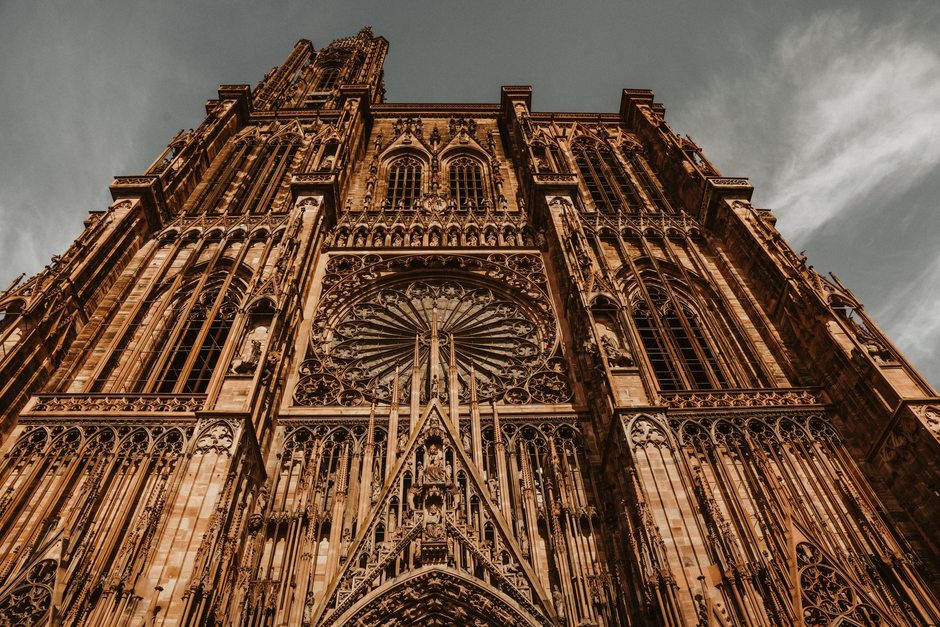
Strasbourg Cathedral
Free, but closed to visitors at midday, when the astronomical clock performs for ticket-holders at 12.30.
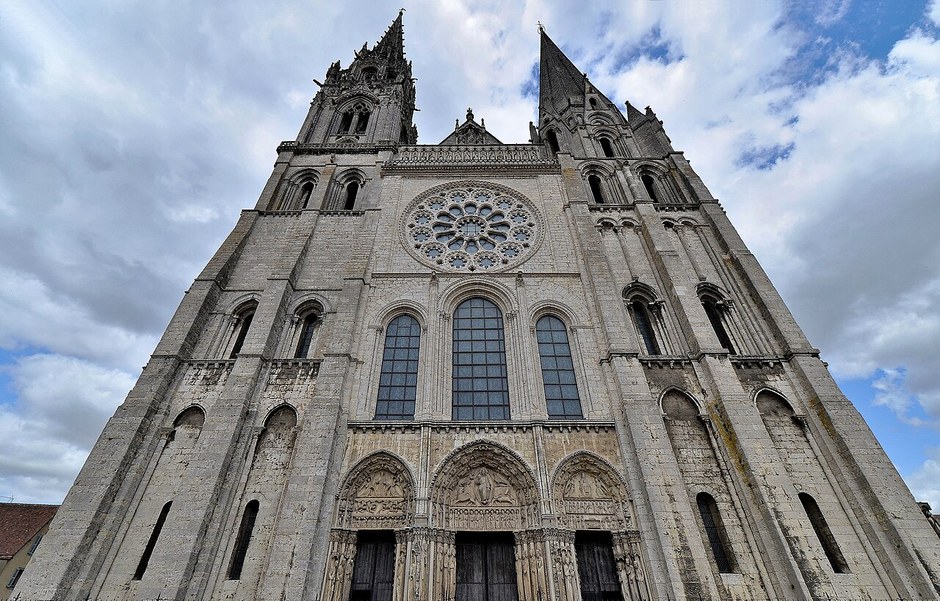
Chartres Cathedral
The most complete medieval glass of any great cathedral. Go on a Friday for the labyrinth.
Practical notes for the whole country
| Opening hours | Cathedrals still in use open early and close in the evening, but areas close during Mass. The Sainte-Chapelle and the tower climbs, run by the Centre des monuments nationaux, switch to shorter winter hours on 1 October. Strasbourg closes to visitors at midday for the clock |
|---|---|
| Admission | Notre-Dame, Sacré-Cœur, Strasbourg and Chartres are free. The Sainte-Chapelle is €22 for visitors from outside the EEA and €16 for EEA residents; towers, domes, treasuries and the Strasbourg clock are paid extras |
| Tickets | Book the Sainte-Chapelle and the Notre-Dame towers online in advance. Notre-Dame itself offers a free optional time slot; the Sacré-Cœur dome and Strasbourg clock are sold on the day only |
| Young visitors | Under-18s get into national monuments free, and so do EU residents aged 18–25: bring ID |
| Getting around | Three of the five are in central Paris. Chartres is an hour by train from Montparnasse; Strasbourg under two hours by TGV from the Gare de l’Est |
Who runs what. Cathedrals in France belong to the State, but those still in use are run day to day by the Church, which does not charge for entry. The paid parts — towers, treasuries, the Sainte-Chapelle — are often run by a different body, usually the Centre des monuments nationaux, with its own tickets, hours and entrance. That is why a towers ticket at Notre-Dame does not get you into the cathedral, and why the cathedral cannot sell you a towers ticket.
All five
- Notre-Dame de Paris The rebuilt spire, the cleaned stone and the Crown of Thorns on Fridays.
- Sainte-Chapelle Fifteen windows and 1,113 scenes, two-thirds of them the original glass of the 1240s.
- Sacré-Cœur The basilica on the hill, its mosaic, and the view from the dome.
- Strasbourg Cathedral The pink-sandstone spire, the Pillar of Angels and the astronomical clock.
- Chartres Cathedral The Royal Portal, the Chartres blue and the labyrinth.
Coming next
Five is a start. Reims, where the kings of France were crowned, Amiens, the largest Gothic cathedral in France, and the basilica of Saint-Denis are the obvious next additions, with Mont-Saint-Michel, Albi, Bourges, Rouen and more of the churches of Paris after them. They will be added the same way as the rest of this guide: one region finished properly at a time.