
Churches to Visit in Scotland
Scotland’s great churches tell a story you will not find in England. It begins on a Hebridean island with an Irish monk in 563. It runs through a Reformation that was harder and more thorough than England’s, which left most of the country’s cathedrals roofless and its biggest churches divided up with walls into several parish kirks at once. And it ends with some of the most remarkable survivors in Britain. These guides cover the essential ones, and each leads with the practical thing most visitors get wrong.
St Giles’, on the Royal Mile, and Rosslyn Chapel, seven miles south, together make an easy day from Edinburgh, and Dunfermline is half an hour away across the Forth. Glasgow Cathedral is under an hour away by train and makes a half-day on its own or with the Necropolis next door; Paisley Abbey is eleven minutes from Glasgow Central by train. Melrose, Dryburgh and Jedburgh, in the Borders, make a good day out by car. Two need planning: Iona is in the Inner Hebrides, off the far end of Mull, and a visit is a long day out from Oban or, better, a night on the island; St Magnus is in Kirkwall, on Orkney, reached by ferry or plane. The ruined cathedrals of St Andrews, on the Fife coast, and Elgin, in Moray, are each worth a day of their own.
The addresses of the Edinburgh and Glasgow guides include their city, because both cities have more churches worth a guide of their own, and they will be added in time.
Where to start
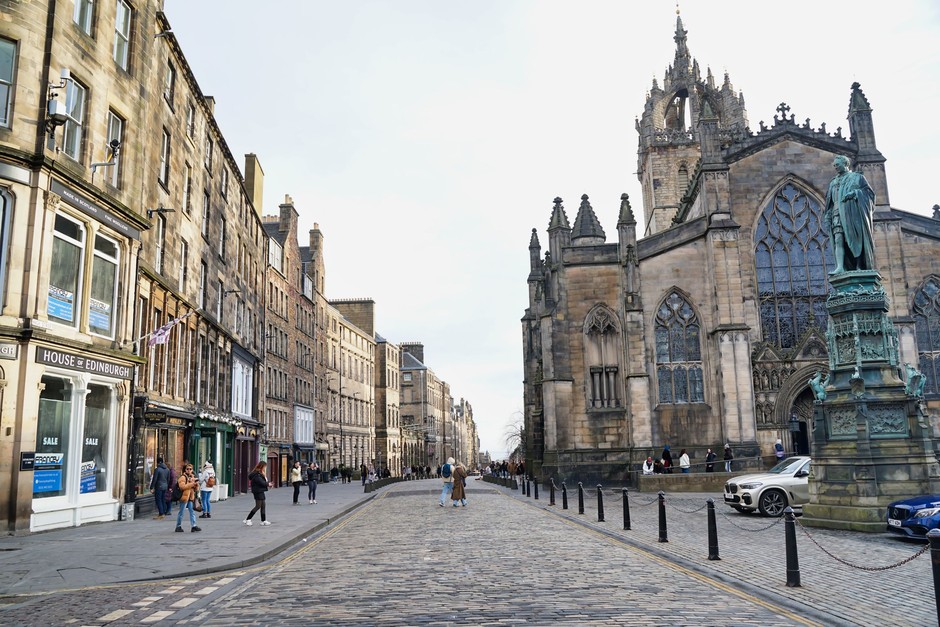
St Giles’ Cathedral
John Knox’s church on the Royal Mile, free to enter — and, strictly speaking, not a cathedral at all.
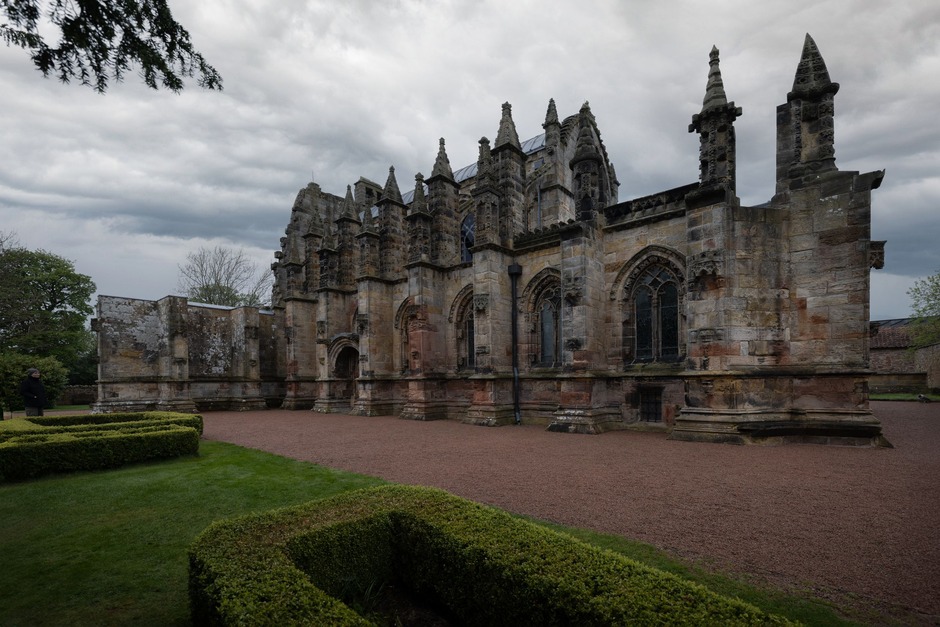
Rosslyn Chapel
The most richly carved small church in Scotland. Book a timed slot, and leave the camera in your bag: no photos inside.
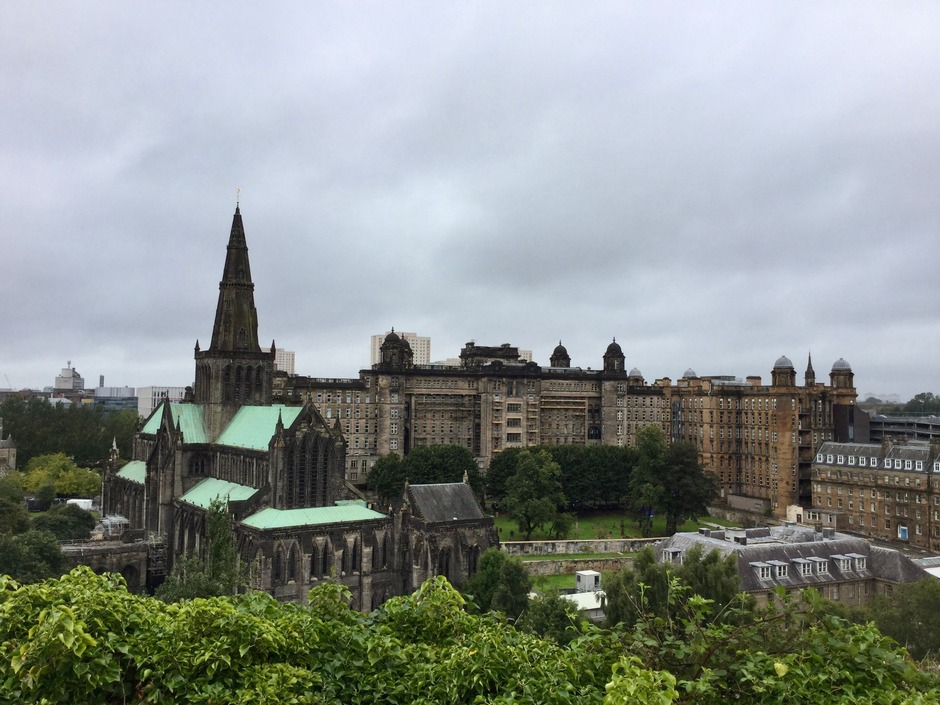
Glasgow Cathedral
The mainland’s one medieval cathedral to survive the Reformation intact. Free, and the best part is downstairs.
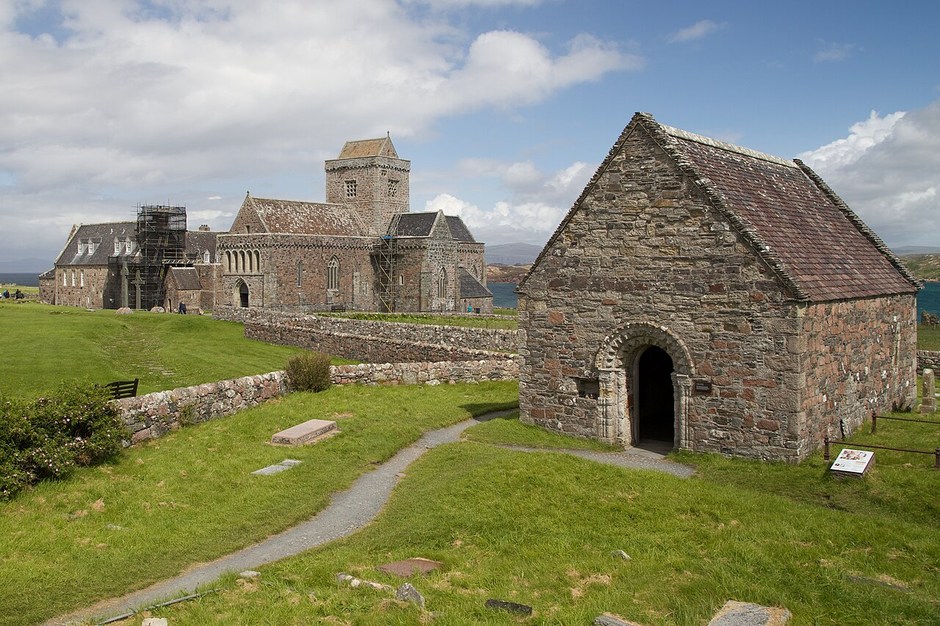
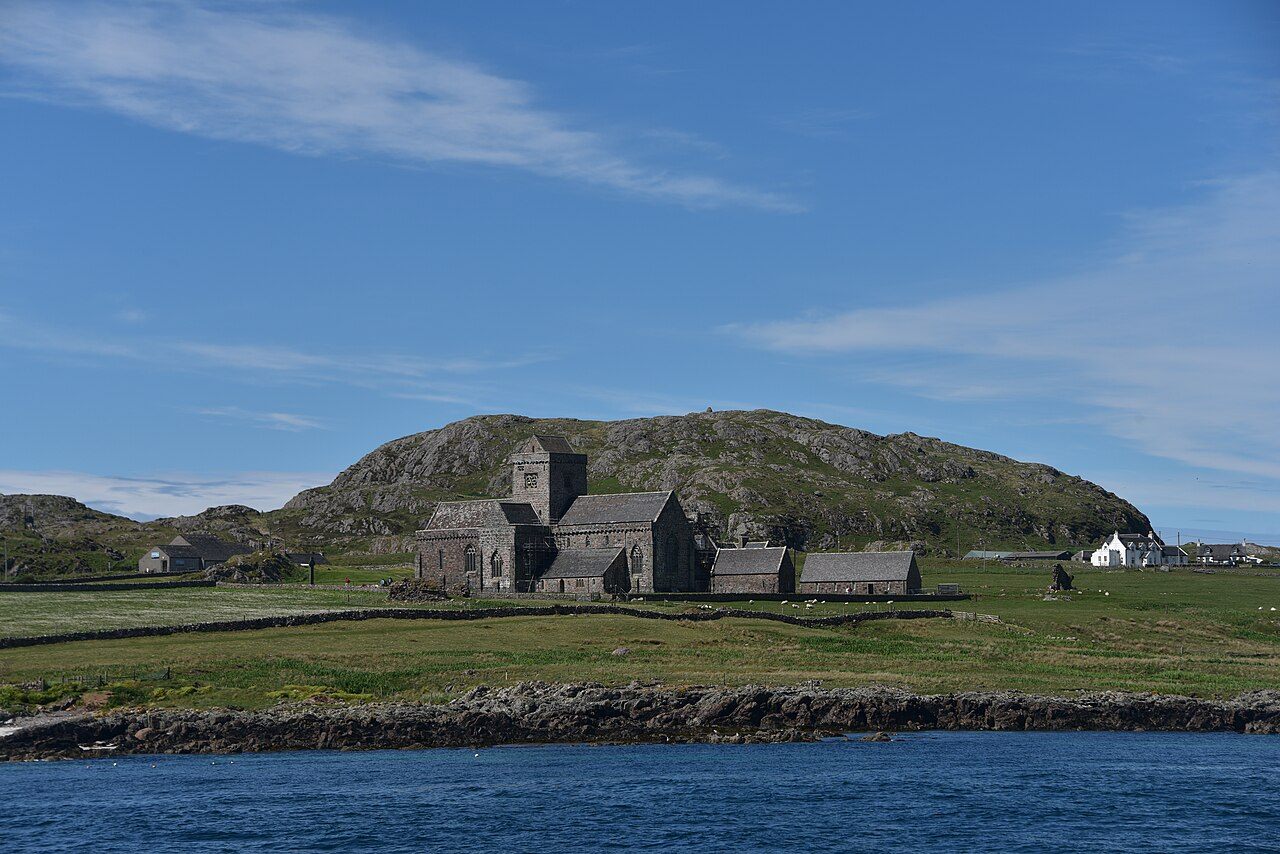
Iona Abbey
St Columba’s island, two ferries from Oban. Closed on winter Sundays — check before you set out.

Melrose Abbey
The finest of the Border abbeys, with the bagpiping pig and the heart of Robert the Bruce.
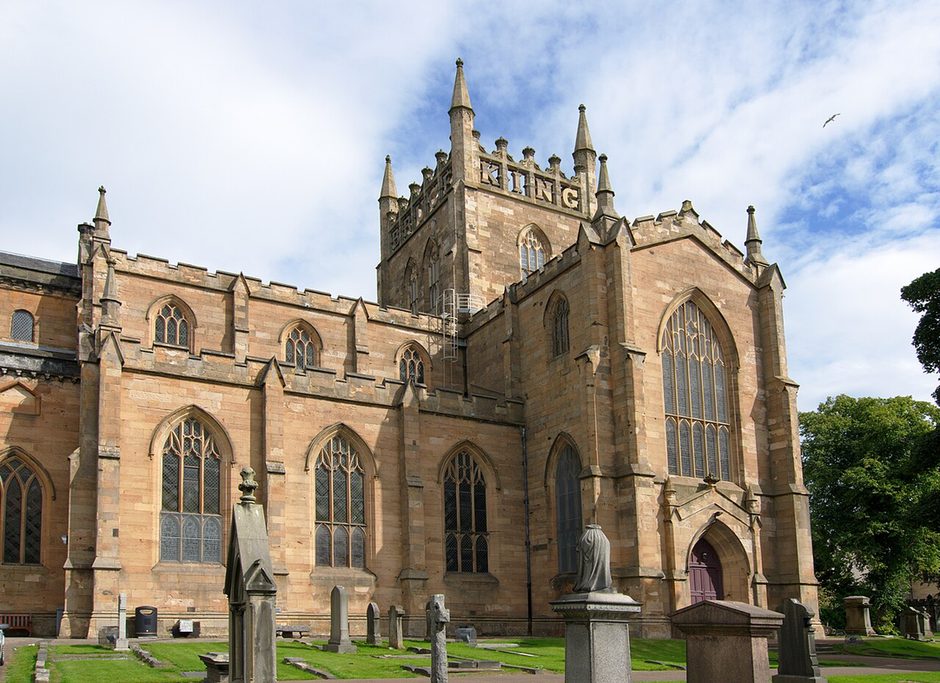
Dunfermline Abbey
A Romanesque nave and the grave of Robert the Bruce, half an hour from Edinburgh. Free.

Jedburgh Abbey
The most complete of the Border abbey churches, with a soaring nave and a rose window.

St Andrews Cathedral
The ruins of Scotland’s greatest medieval church, on the cliffs. The grounds are free.

Elgin Cathedral
The Lantern of the North: burned by the Wolf of Badenoch, and beautiful even in ruins.
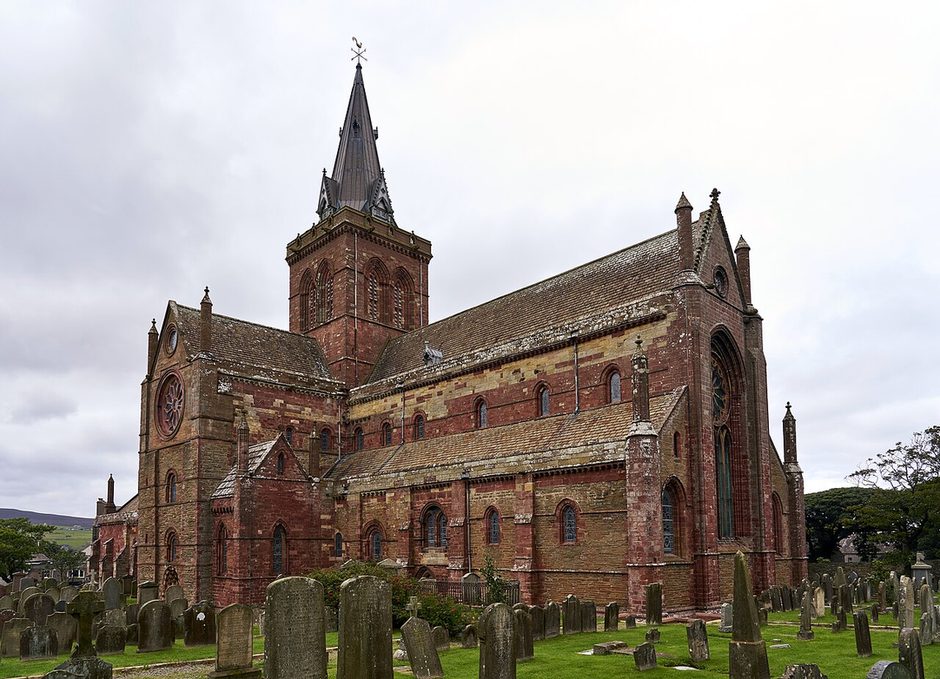
St Magnus Cathedral
Britain’s most northerly cathedral, built by a Norse earl and owned by the people of Orkney. Free.
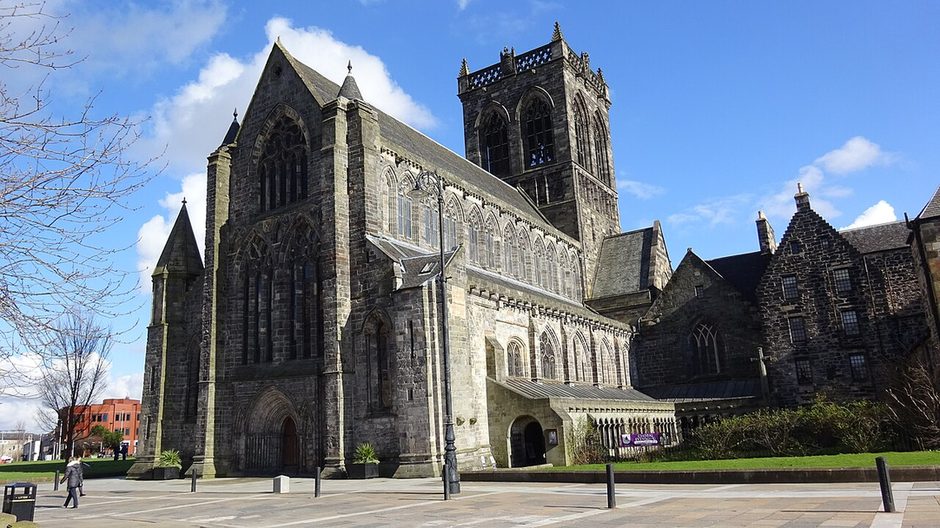
Paisley Abbey
Where the Stewart kings began: royal tombs and a rebuilt medieval choir, near Glasgow. Free.
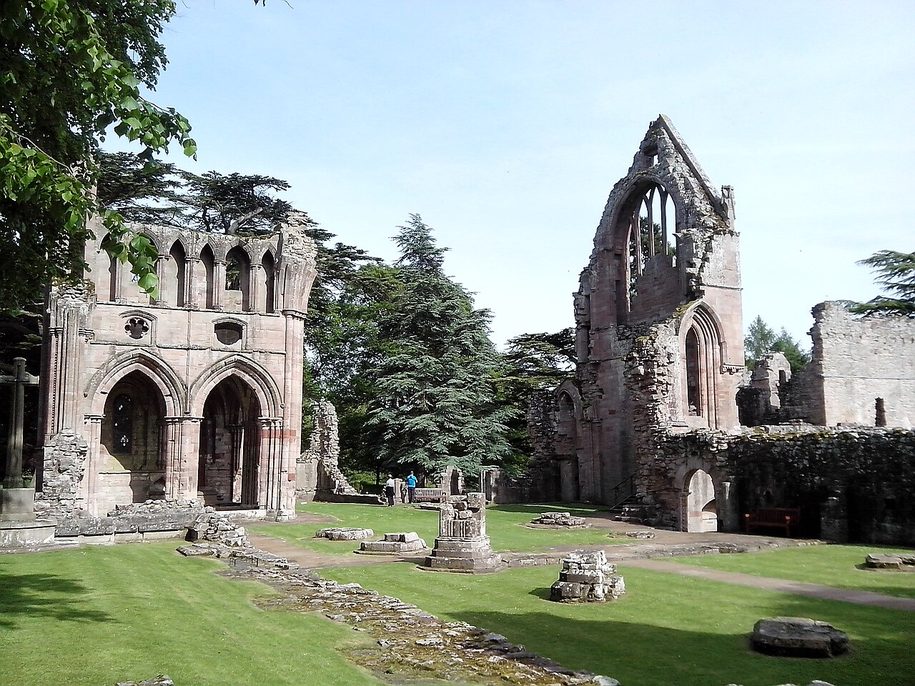
Dryburgh Abbey
The quietest of the Border abbeys, in a loop of the Tweed, where Sir Walter Scott is buried.

Sweetheart Abbey
A red sandstone abbey founded by a widow, who was buried with her husband’s heart.
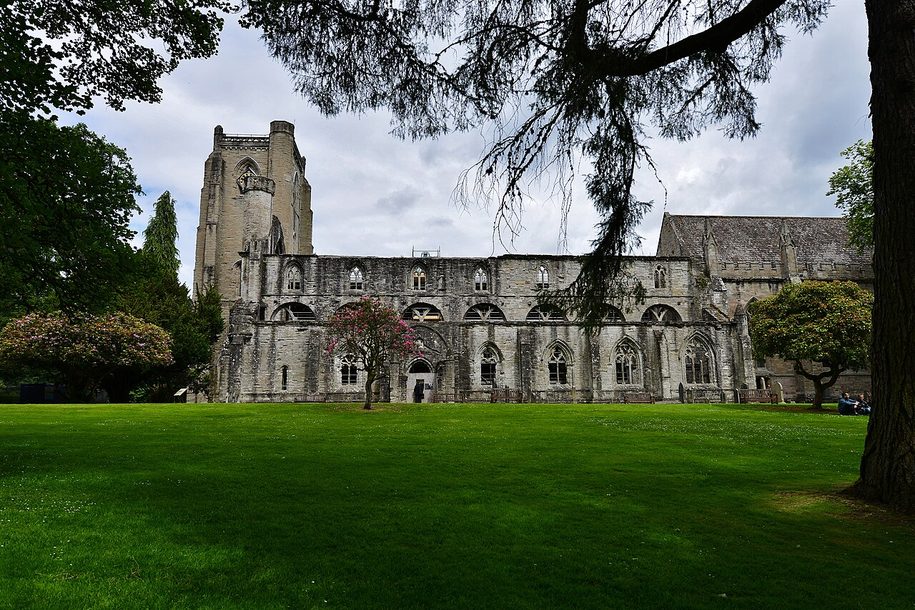
Dunkeld Cathedral
A ruined nave and a living choir on the Tay, with the Wolf of Badenoch’s tomb. Free.
Practical notes for the whole country
| Opening hours | Historic Environment Scotland, which runs Glasgow Cathedral, Iona, Melrose, Jedburgh, Dryburgh, Sweetheart, Elgin, St Andrews and the Dunfermline nave, switches to shorter winter hours on 1 October; Iona closes on winter Sundays, the Dunfermline nave on winter Sundays and Mondays, Elgin on winter Thursdays and Fridays, and St Andrews on winter Tuesdays to Thursdays; Sweetheart Abbey closes for the whole winter and on Fridays and Saturdays in summer. Churches still in use close for services and funerals at short notice. Check the site’s own page on the day |
|---|---|
| Admission | Glasgow Cathedral, St Giles’, Paisley Abbey, Dunkeld Cathedral, Dunfermline Abbey, St Magnus Cathedral and the St Andrews Cathedral grounds are free, with donations welcome. Rosslyn Chapel is £12, Iona Abbey and Elgin Cathedral £10 online, Melrose, Jedburgh and Dryburgh abbeys £7.50 online, and Sweetheart Abbey £4.50 at reduced prices during repairs |
| Tickets | Book Rosslyn’s timed slots in advance, and Iona online to save a pound. Historic Scotland members and Explorer Pass holders get into Iona, Melrose, Jedburgh, Dryburgh and Elgin free |
| Photography | Not allowed anywhere inside Rosslyn Chapel; elsewhere, ask at the desk and respect services |
| Getting around | Edinburgh and Glasgow are under an hour apart by train. Rosslyn is a bus ride south of Edinburgh; Iona is a long day from Oban, by ferry, bus across Mull and ferry again |
All fourteen
- St Giles’ Cathedral The High Kirk of Edinburgh, the Thistle Chapel, and Knox’s grave in a car park.
- Rosslyn Chapel The St Clairs’ unfinished chapel, the Apprentice Pillar and a hundred Green Men.
- Glasgow Cathedral St Mungo’s tomb in a church beneath a church.
- Iona Abbey Columba’s monastery, the high crosses and the graves of the Lords of the Isles.
- Melrose Abbey Gothic carving, an English east window and the Bruce’s heart.
- Dunfermline Abbey St Margaret’s abbey, a Romanesque nave and the Bruce’s grave.
- Jedburgh Abbey Three tiers of arches, a rose window and the Jedburgh Comb.
- St Magnus Cathedral Red and yellow sandstone, a martyred earl and the Royal Oak bell.
- St Andrews Cathedral The shrine of Scotland’s patron saint, St Rule’s Tower and the golfers’ graves.
- Elgin Cathedral The Lantern of the North, its east end and its octagonal chapter house.
- Paisley Abbey Cradle of the Stewarts, Lorimer’s choir and the Alien gargoyle.
- Dryburgh Abbey Sir Walter Scott’s grave and a painted chapter house by the Tweed.
- Sweetheart Abbey Red sandstone, a widow’s devotion and her husband’s heart.
- Dunkeld Cathedral Columba’s relics, the Wolf of Badenoch and a battle in 1689.
Coming next
This Scottish chapter now covers fourteen churches. Kelso, the last of the four Border abbeys, is on the list, along with Arbroath Abbey, Dunblane Cathedral and Dundrennan Abbey, and more of the churches of Edinburgh and Glasgow. They will be added the same way as the rest of this guide: one region finished properly at a time.