
Churches to Visit in Northern Ireland
The story of Christianity in Ireland begins in the north. St Patrick landed on the shore of Strangford Lough, built his chief church at Armagh, and is said to be buried at Downpatrick. This guide to Northern Ireland starts where he did, in Armagh, the small hill city that is still the church capital of the whole island.
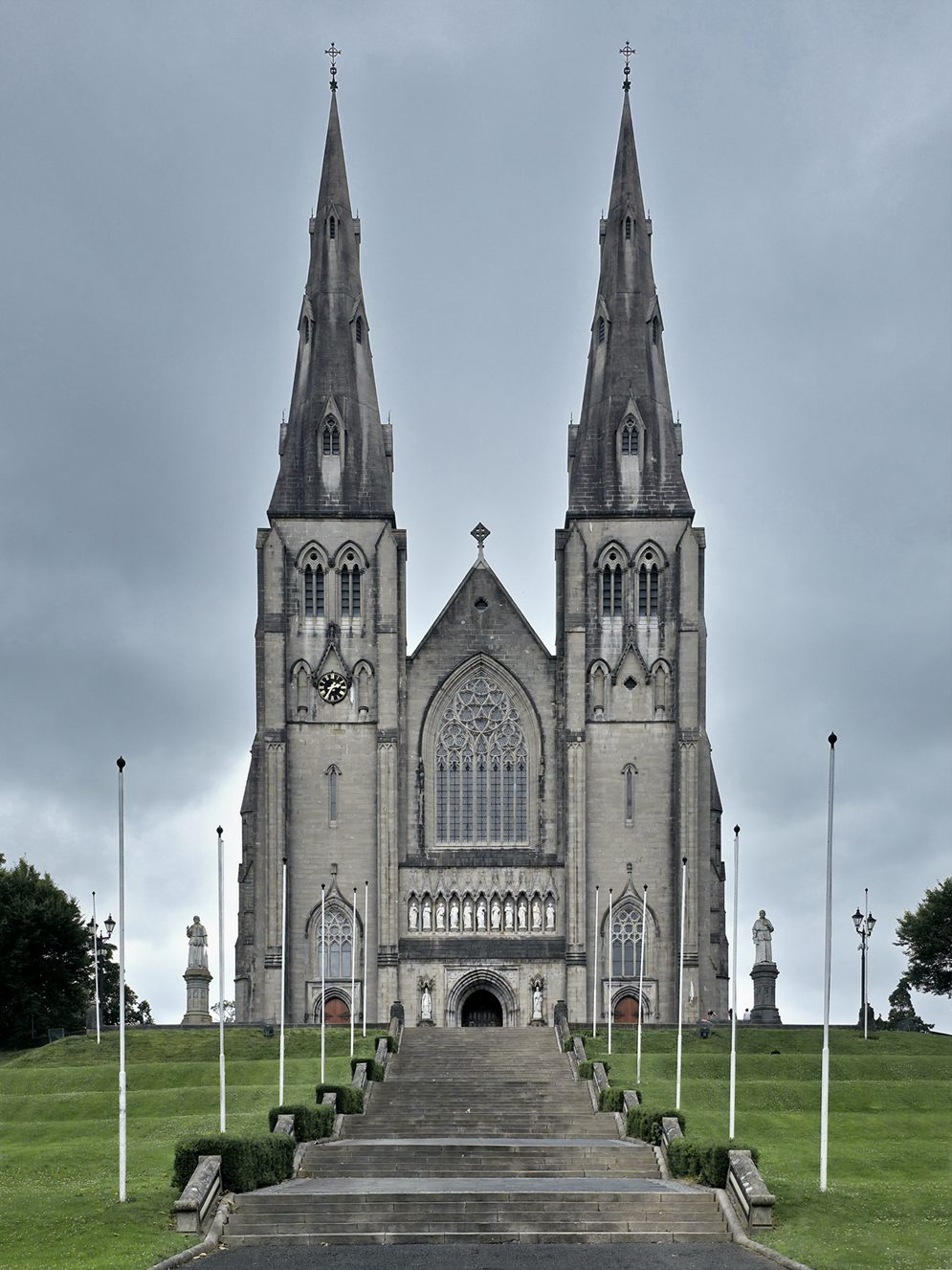
Armagh has two cathedrals, both named after St Patrick: the Church of Ireland cathedral on the ancient hill where Brian Boru is buried, and the Catholic cathedral with its twin spires on the next hill. They are a short walk apart and easily seen together in a day trip from Belfast.
Where to start
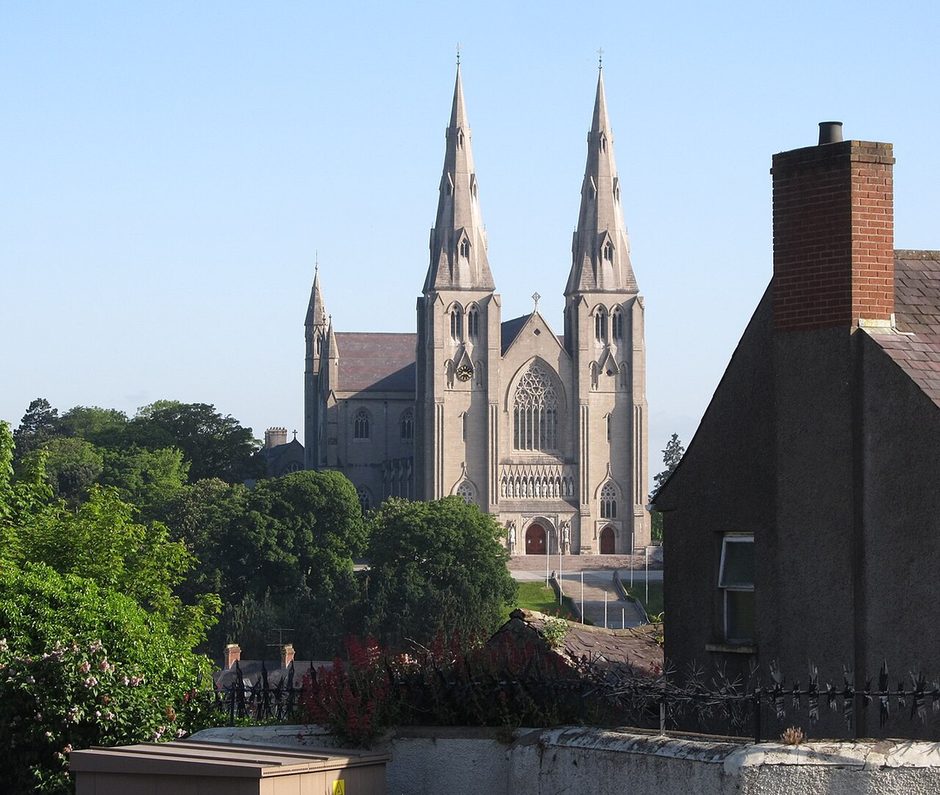
Armagh’s two cathedrals
Two St Patrick’s cathedrals on two hills: Brian Boru’s grave, and a painted and gilded Victorian interior.
Practical notes for the whole country
| Opening hours | The Catholic cathedral in Armagh is open daily, about 9am–5pm; the Church of Ireland cathedral is open Monday–Saturday in summer and Tuesday–Saturday mornings in winter. Both close to sightseeing during services |
|---|---|
| Admission | The Catholic cathedral in Armagh is free; the Church of Ireland cathedral charges £5 for adults |
| Getting around | Belfast is the main gateway, with flights and ferries. Armagh has no railway, but Goldline buses run from Belfast; Dublin is about an hour and a half by car |
| Money | Northern Ireland is part of the UK and uses pounds sterling, not euros; there is no border check with the Republic of Ireland |
Coming next
This first Northern Ireland chapter covers one city. Next on the list are Down Cathedral in Downpatrick, beside the stone said to mark St Patrick’s grave; St Anne’s Cathedral in Belfast; the Cistercian ruins of Grey Abbey on Strangford Lough; and the monastic island of Devenish in Lough Erne. They will be added the same way as the rest of this guide: properly, a few at a time.