
Armagh's Two St Patrick's Cathedrals
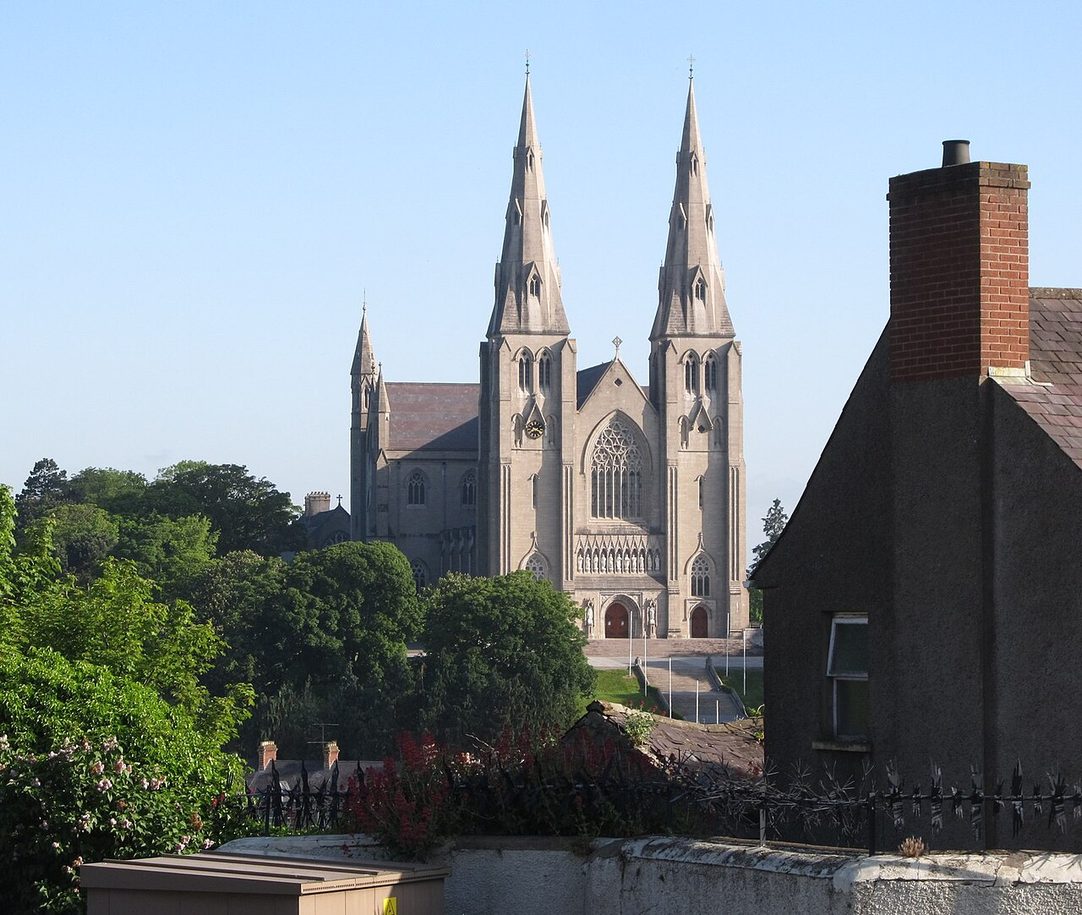
Armagh is a small city with two cathedrals, on two hills, both dedicated to St Patrick. On one stands the Church of Ireland cathedral, on the site where Patrick is said to have built his church in the fifth century and where Brian Boru is buried. On the other rise the twin spires of the Catholic cathedral, finished in the nineteenth century and glowing inside with paint and mosaic. They are a ten-minute walk apart, and seeing both is the best introduction to Ireland’s religious history.
Patrick's city
Tradition says that around 445 St Patrick was given the hill of Druim Saileach, the ridge of the willows, and built a stone church there. Armagh became the chief church of Ireland, and its archbishop is still the Primate of All Ireland. In 1014 Brian Boru, High King of Ireland, was killed at the Battle of Clontarf, and his body was brought to Armagh for burial.
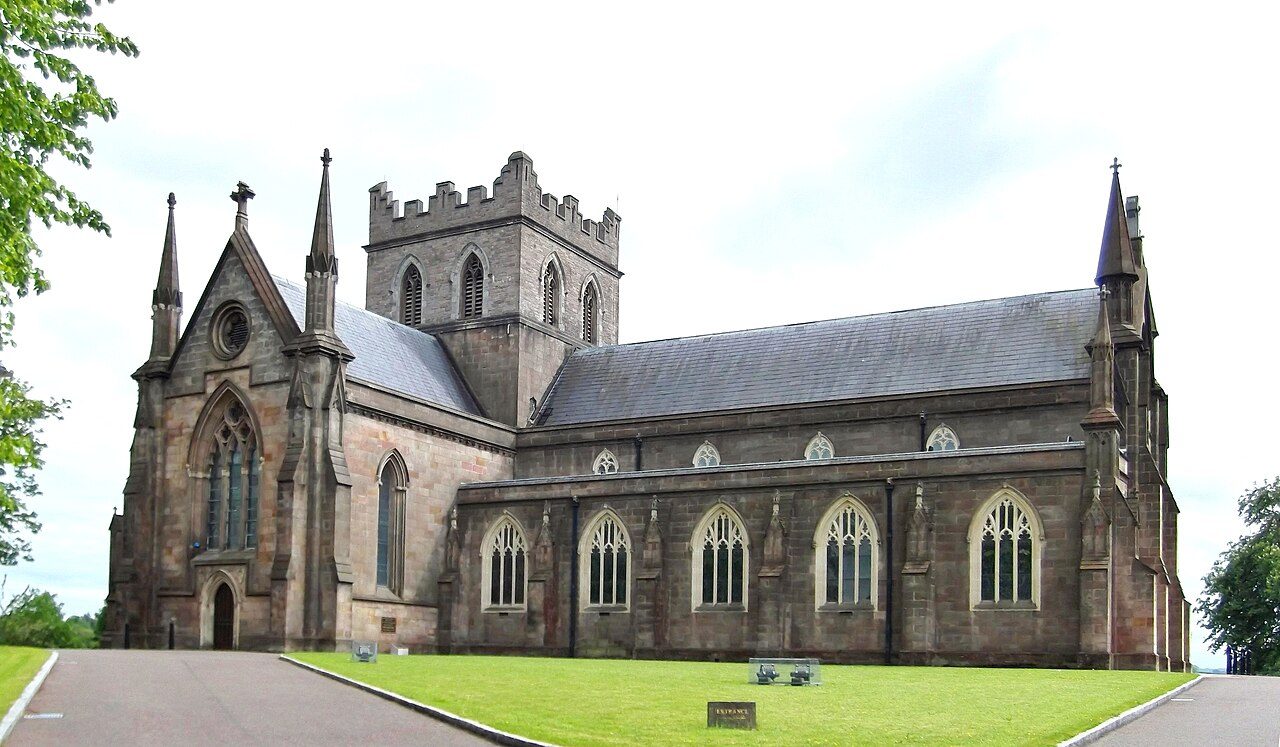
The church on the hill was burned and rebuilt many times. The plan of the present building dates from 1268. After the Reformation it became the cathedral of the Church of Ireland, and it was restored by Archbishop Richard Robinson in the 1760s and, much more heavily, by Archbishop Lord John George Beresford with the architect Lewis Cottingham in 1834–40.
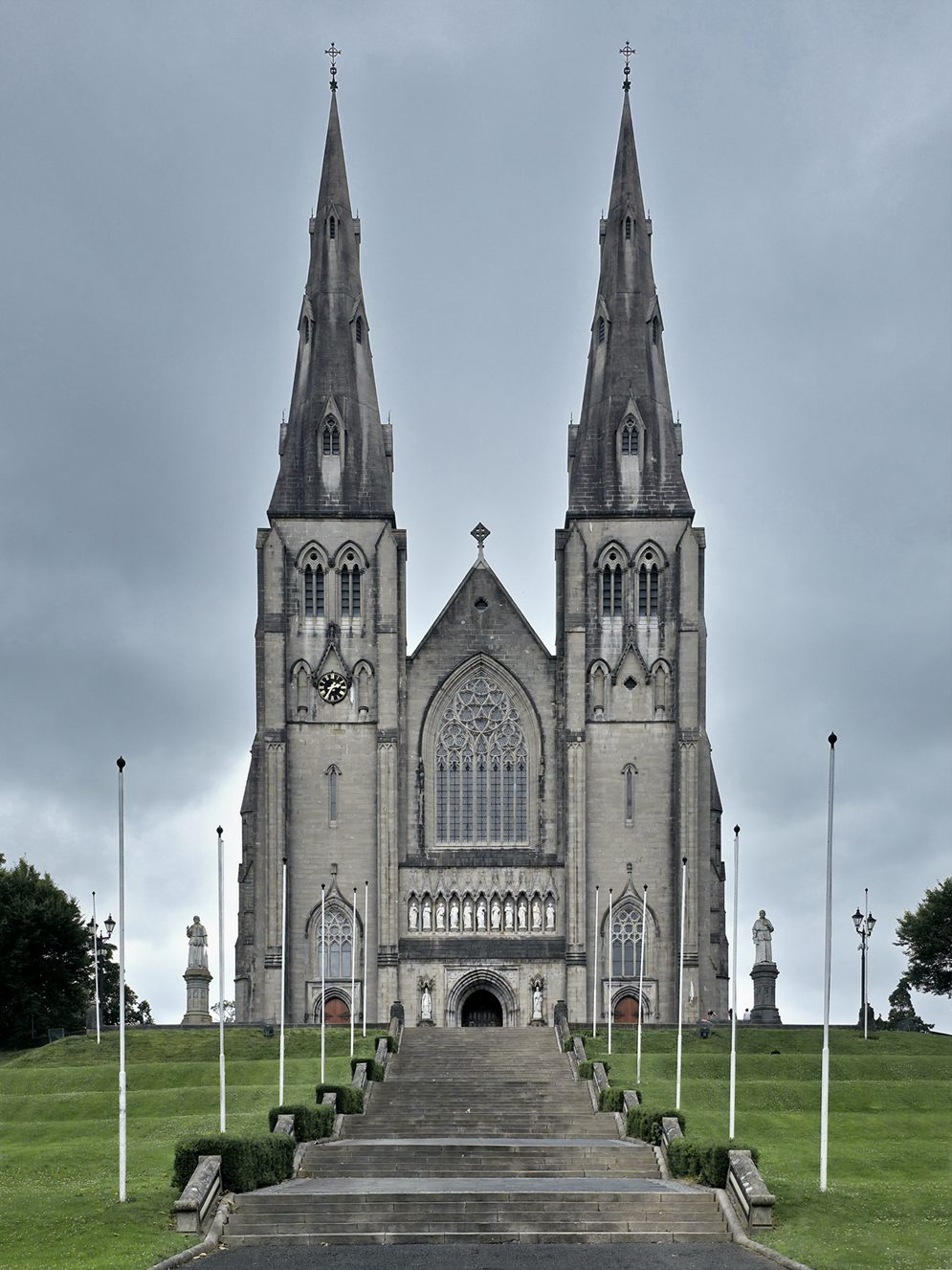
For the Catholic Church, Archbishop William Crolly laid the foundation stone of a new cathedral on the opposite hill on St Patrick’s Day 1840. The Famine halted the work in 1847, and when it resumed in 1854 the design was changed by J. J. McCarthy. The cathedral was dedicated in 1873 and consecrated in 1904. A full restoration, with a new sanctuary, was completed in 2003.
The visitor's cheat sheet
| Where | Church of Ireland cathedral: Cathedral Close, Armagh (postal address 43 Abbey Street, BT61 7DY). Catholic cathedral: Cathedral Road, Armagh, BT61 7QX |
|---|---|
| Getting there | No railway; Goldline bus 251 from Belfast Grand Central via Portadown; about an hour by car from Belfast |
| Opening hours | Church of Ireland cathedral: April–September Monday–Saturday 9am–5pm, October–March Tuesday–Saturday 9am–1.30pm. Catholic cathedral: daily about 9am–5pm |
| Admission | Church of Ireland cathedral: adults £5, concessions £4.50, children free. Catholic cathedral: free; group tours (10 or more) £6, booked two weeks ahead |
| How long | An hour for each cathedral, half a day with the Robinson Library |
| Best time | A weekday morning, with lunch in the town between the two |
| Dress code | Modest dress; both are working cathedrals |
| Tours | Booked group tours at the Catholic cathedral (Monday–Saturday, 2pm, 3pm or 4pm); the Robinson Library beside the Church of Ireland cathedral |
Hours and admission checked against the official site in October 2026. They change; the official site is always the last word.
Gulliver in Armagh. Below the Church of Ireland cathedral, the Armagh Robinson Library, founded in 1771, holds a first edition of Gulliver’s Travels with corrections in Jonathan Swift’s own hand. It is free to visit on weekdays, and from 10 July to 24 December 2026 it has an exhibition marking the book’s 300th anniversary.
The Church of Ireland cathedral
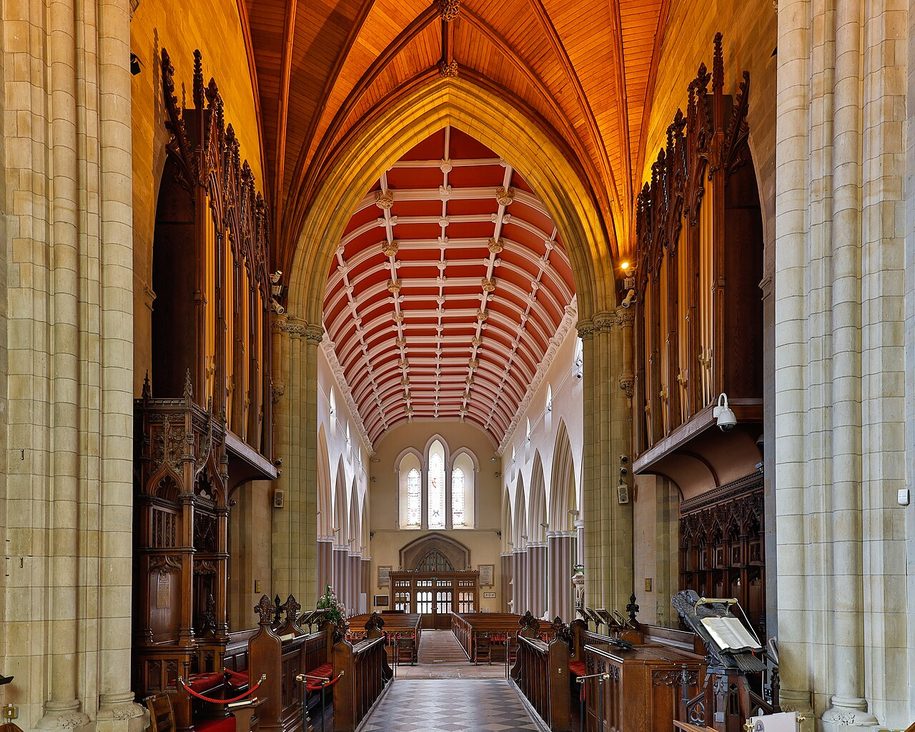
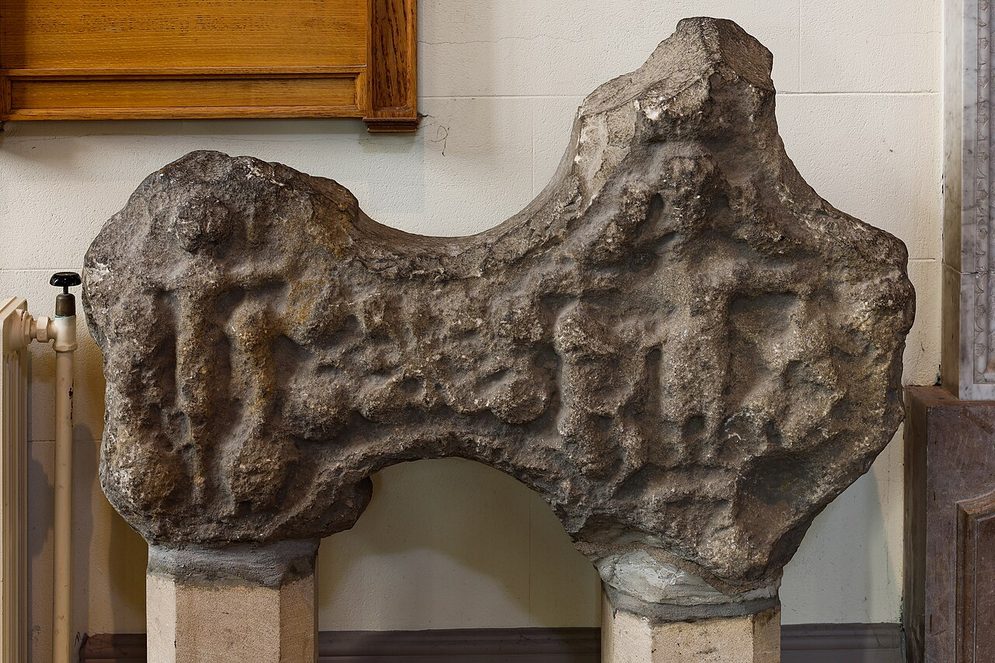
The cathedral is low and long, with a square central tower, and is not large; its interest is in its history and the things it holds. Inside, look for the Tandragee Idol, a carved stone figure from before Christianity; parts of an eleventh-century high cross that once stood in the market place; and the statue of Thomas Molyneux by the sculptor Roubiliac. There is a medieval crypt below.
Outside, on the west wall of the north transept, a plaque marks the traditional burial place of Brian Boru. A statue of him by Rory Breslin, put up in 2015, stands in the gardens.
The Catholic cathedral
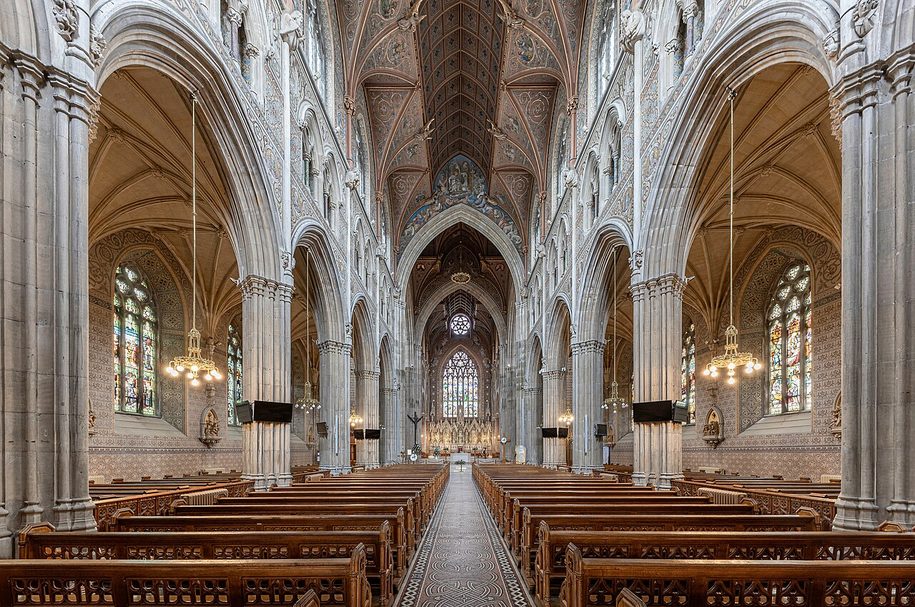
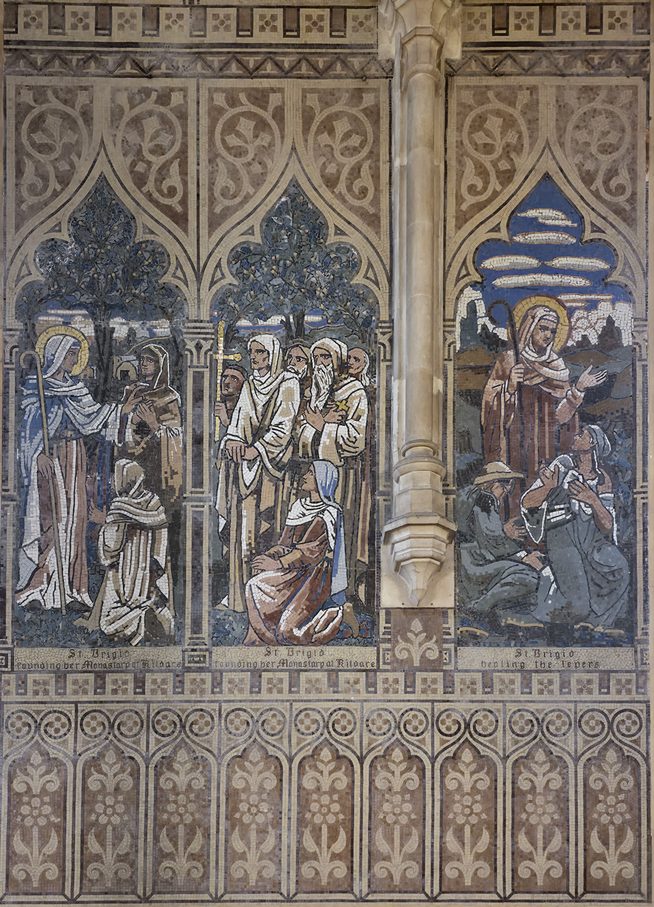
Cross the valley and climb the long flights of steps to the Catholic cathedral. Its twin spires are 210 feet high, and they hold a carillon of 39 bells. The inside is a surprise after the plain Church of Ireland cathedral: every surface is painted, gilded or covered in mosaic, with ceiling paintings by the Italian Oreste Amici. In the sanctuary hang the red hats of past cardinal archbishops.
Visiting
Tours and services
Guided tours of the Catholic cathedral cost £6 and run Monday to Saturday at 2pm, 3pm or 4pm for groups, booked two weeks ahead. At the Church of Ireland cathedral there is a Choral Eucharist at 11am and Choral Evensong at 3.15pm on Sundays.
The hotel link goes to Booking.com. This site earns nothing from it at present — it is here because it is the quickest way to check what is actually available.
Don't miss
- Brian Boru’s plaque On the north transept wall.
- The Tandragee Idol A carved figure from before Christianity.
- The high cross Eleventh-century carving.
- The Catholic cathedral’s interior Paint, gold and mosaic.
- The cardinals’ hats Hanging in the sanctuary.
- The Robinson Library Swift’s own Gulliver.
Insider tips
Make a day of it. Start at the Church of Ireland cathedral and the Robinson Library, walk across to the Catholic cathedral, then visit the Armagh Observatory and Planetarium or Navan Fort, the ancient royal site of Ulster, a couple of miles west of the city.
Common questions
Why does Armagh have two St Patrick's cathedrals?
Armagh has been the church capital of Ireland since St Patrick. After the Reformation the medieval cathedral passed to the Church of Ireland. In the nineteenth century the Catholic Church built its own cathedral on the next hill. Both are dedicated to St Patrick, and both archbishops of Armagh are Primate of All Ireland.
Is it free to visit the Armagh cathedrals?
The Catholic cathedral is free to visit; guided tours there, for groups of 10 or more, cost £6 and must be booked about two weeks ahead. The Church of Ireland cathedral charges £5 for adults and £4.50 for concessions, paid in the shop; children go free.
When are the cathedrals open?
The Church of Ireland cathedral is open Monday to Saturday from 9am to 5pm from April to September, and Tuesday to Saturday from 9am to 1.30pm from October to March; it is closed to visitors on Sundays. The Catholic cathedral is open daily from about 9am to 5pm. Both close to sightseeing during services.
Where is Brian Boru buried?
Brian Boru, High King of Ireland, was killed at the Battle of Clontarf in 1014 and buried at Armagh. A plaque on the outside west wall of the north transept of the Church of Ireland cathedral marks the traditional spot, and a modern statue of him stands in the cathedral gardens.
How do you get to Armagh?
Armagh has no railway station. Goldline bus 251 runs from Belfast Grand Central to Armagh via Portadown and takes about an hour and a quarter. By car it is about an hour from Belfast and an hour and a half from Dublin. The two cathedrals are a ten-minute walk apart.
Where to stay and eat nearby
Armagh’s compact centre, between the two hills, has cafes, pubs and restaurants around English Street and the Mall.
More churches in Ireland
- St Patrick’s Cathedral, Dublin — another cathedral named for the saint
- Christ Church Cathedral — Dublin’s medieval cathedral
- The Rock of Cashel — where Patrick is said to have baptised a king