
Chapelle du Rosaire, Vence (the Matisse Chapel)
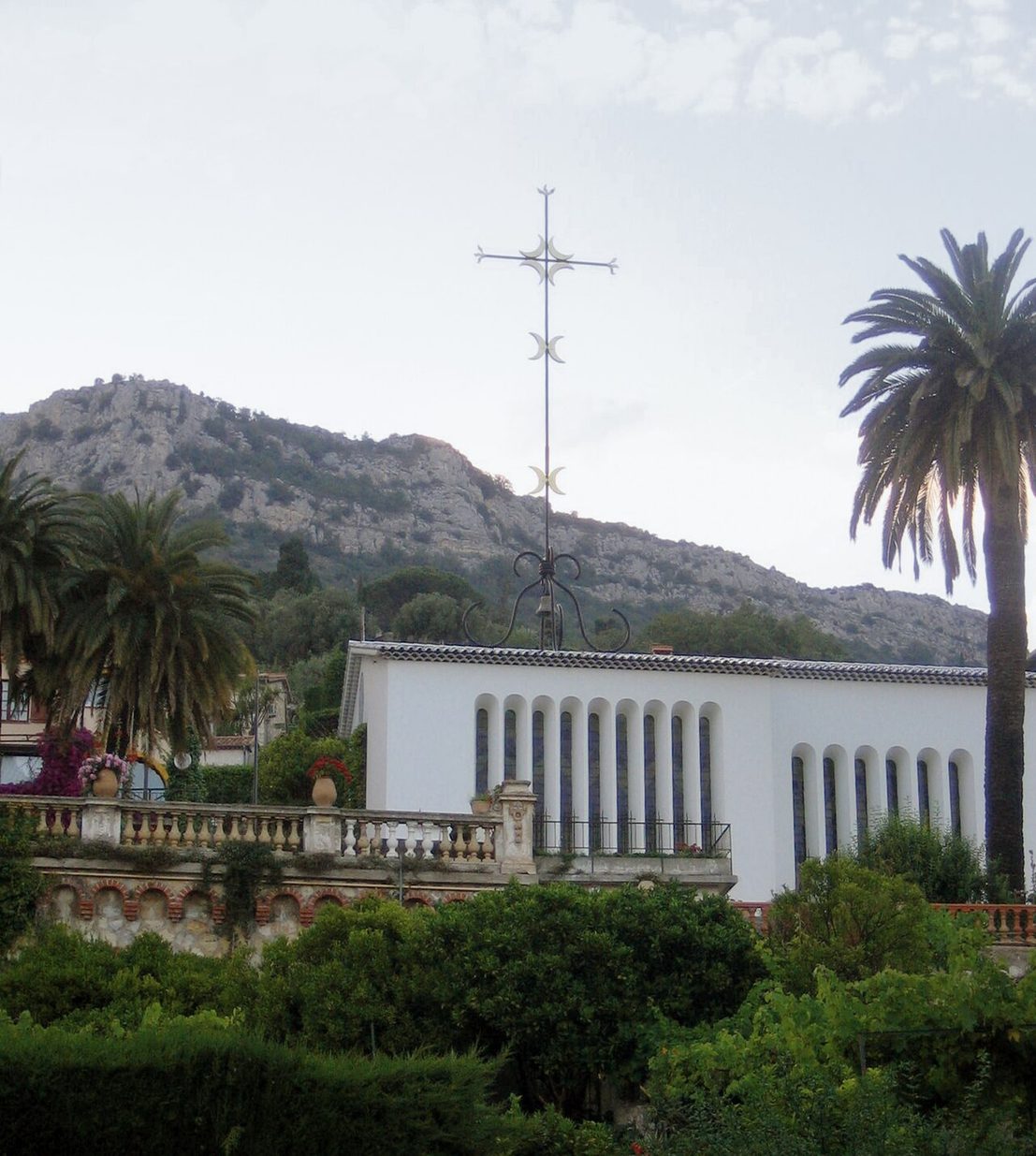
On a hillside road outside Vence, above the Riviera, a Dominican convent has a small white chapel that Henri Matisse designed and decorated from top to bottom between the ages of 78 and 81: the windows of yellow, blue and green, the black-on-white tiles of St Dominic, the Virgin and the Stations of the Cross, the altar, the candlesticks, the vestments and the iron cross on the roof. He called it his masterpiece.

Matisse and the sisters
Matisse lived in Vence from 1943 until the late 1940s, in the villa Le Rêve. During the war he had been nursed by a young woman, Monique Bourgeois, who later became a Dominican nun, Sister Jacques-Marie, at the convent of Vence. In 1947 she asked him to help decorate the sisters’ oratory, and he offered to design a whole chapel.
Matisse worked on it from 1948 to 1951 with the Dominican Fr Marie-Alain Couturier and Brother Louis-Bertrand Rayssiguier; Auguste Perret advised on the plans. The foundation stone was blessed in December 1949, and the chapel was consecrated on 25 June 1951, when Matisse was too ill to attend. He died in Nice in 1954. The chapel is protected as a monument historique, and the convent is still home to Dominican sisters.
The visitor’s cheat sheet
| Where | 466 avenue Henri-Matisse, Vence, on the road to Saint-Jeannet, just outside the old town |
|---|---|
| Closure | Closed 16 November to 7 December 2026 inclusive; reopens Tuesday 8 December 2026 |
| Opening hours | From 8 December 2026: Tuesday to Saturday 10–11.30am and 2–4.30pm; closed Sunday and Monday. Hours are as listed by the tourist office and can change; spring and summer afternoons may run later |
| Admission | €7; groups of ten or more €6 each (book ahead) |
| Mass | Sunday Mass at 10am (listed by cherchermesses.fr; check during the closure); the chapel is closed to visitors on Sundays |
| Photography | Generally not allowed inside; check on the day |
| How long | Half an hour, with the room of Matisse’s studies |
Hours and admission checked against the official site in November 2026. They change; the official site is always the last word.
What to see
The outside
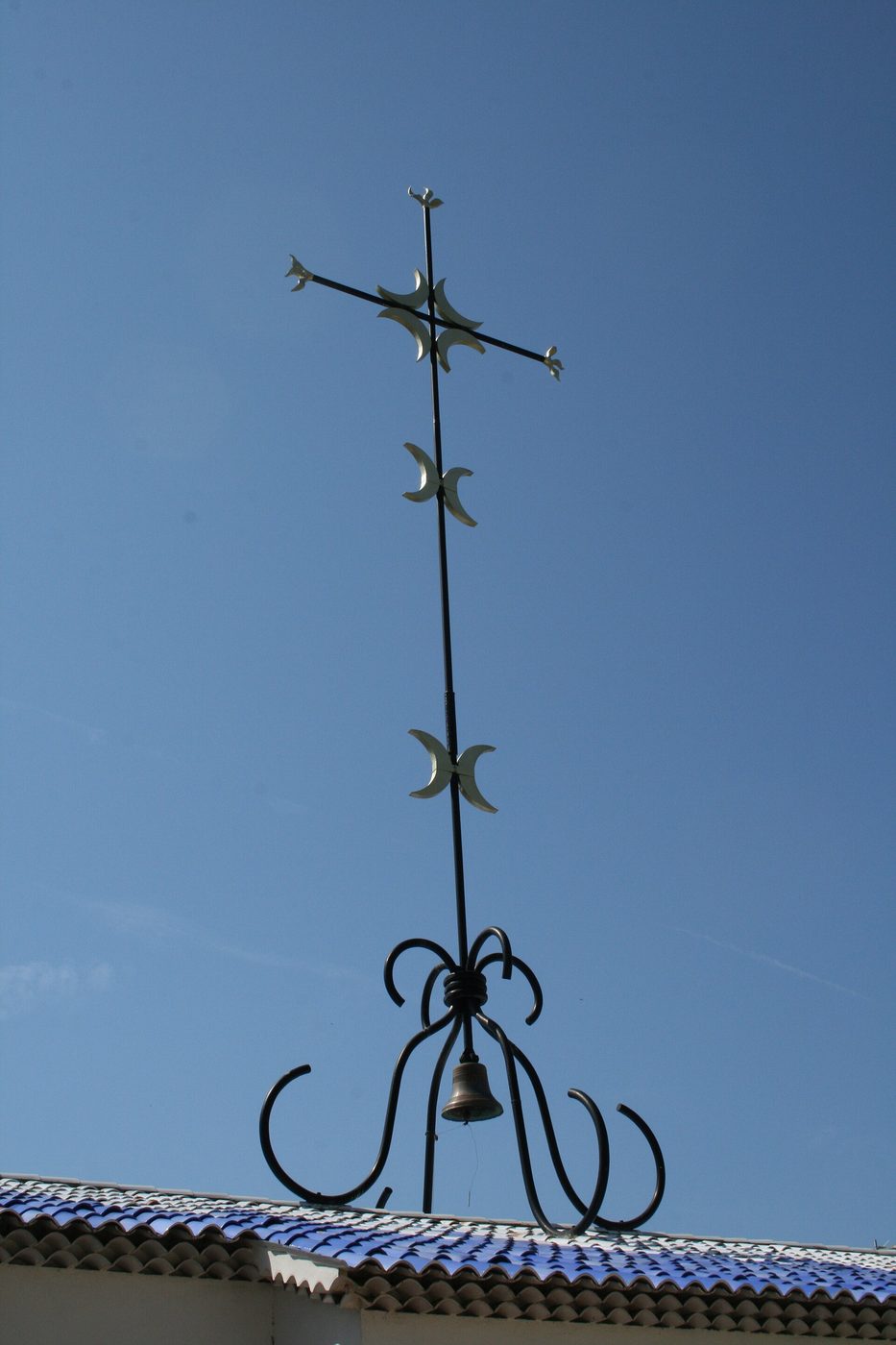
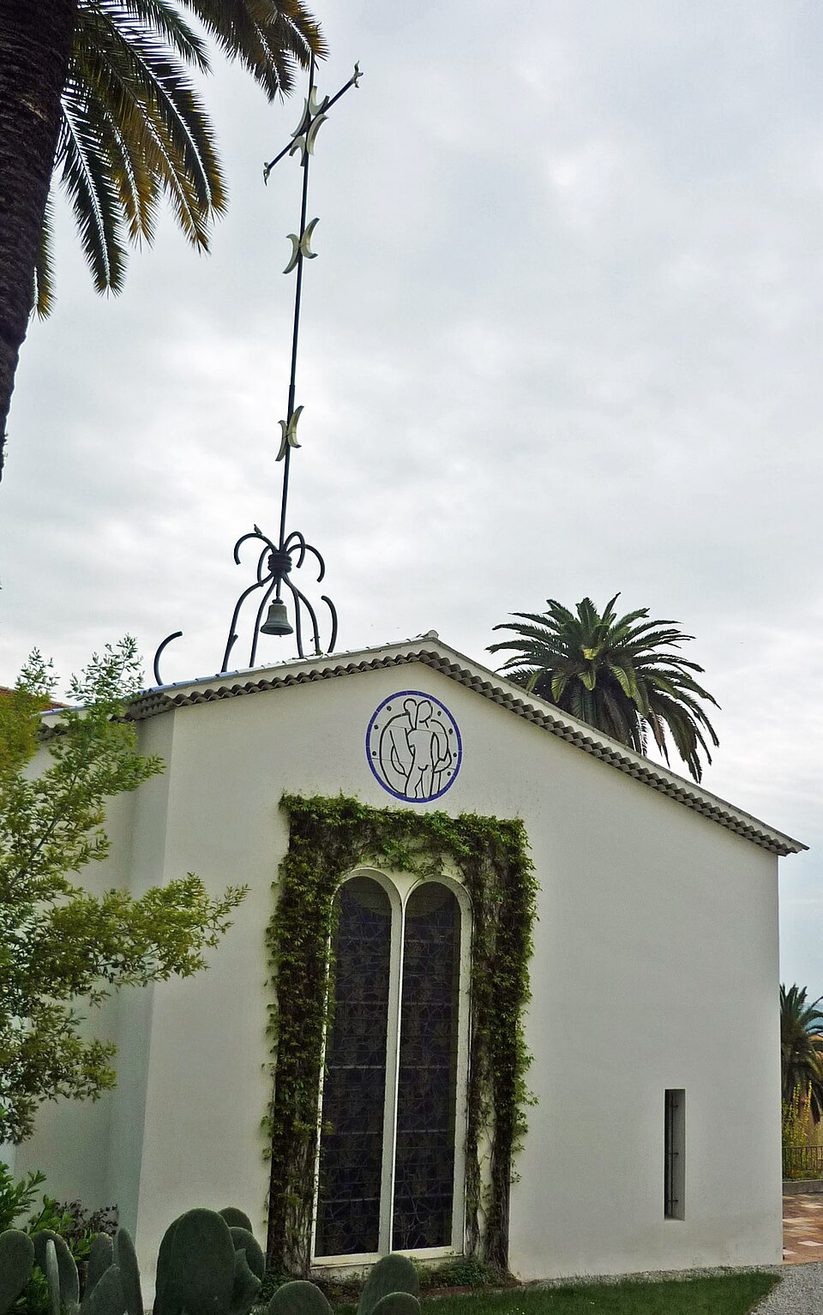
From the road, the chapel is a plain white building with a roof of blue and white tiles and a tall wrought-iron cross with a small bell, all by Matisse. On the end wall, under the gable, is a round ceramic of the Virgin and Child in black line, ringed in the same blue as the roof tiles. Visitors go in from the road and down a flight of steps.
Inside the chapel
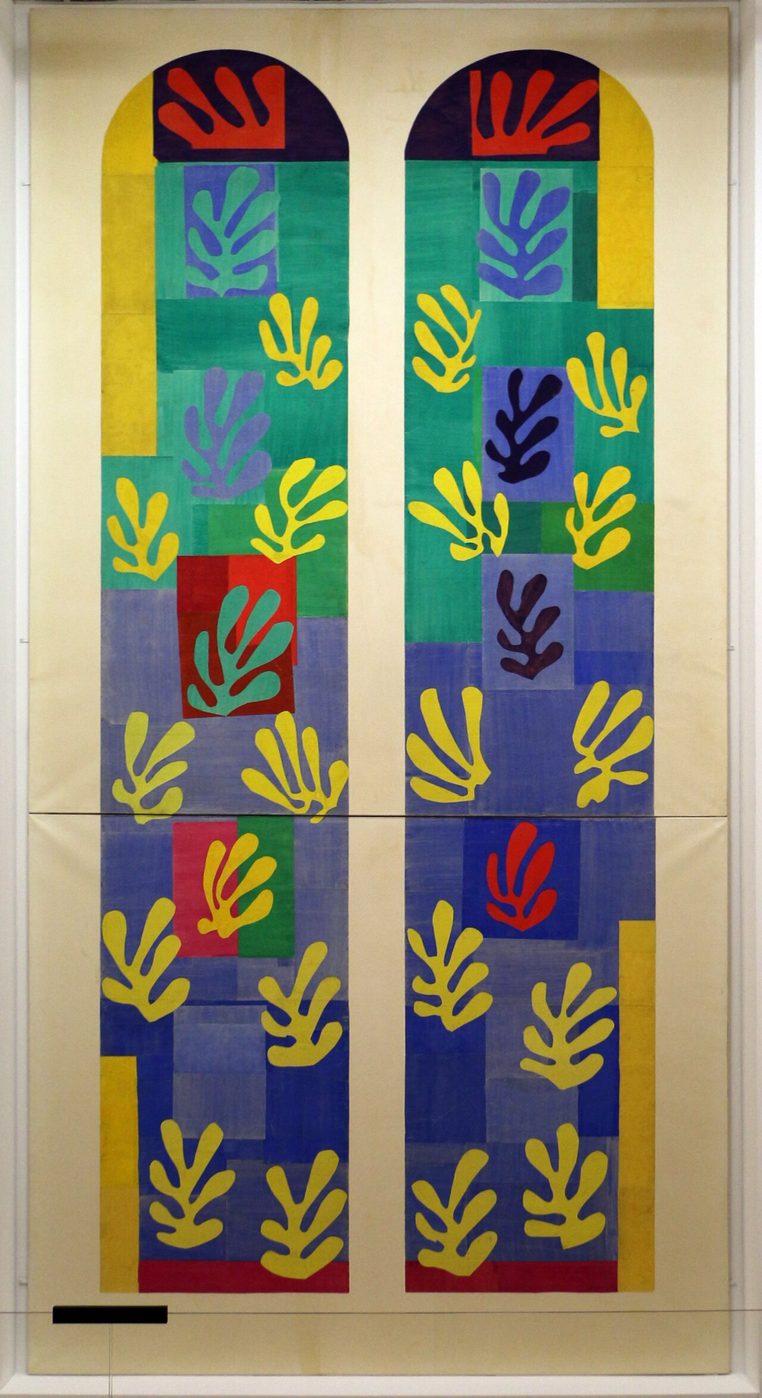
The chapel is small and L-shaped, with the altar at the corner where its two arms meet, set at an angle so it faces both the sisters and the public. Everything is white except the windows, which use only three colours, lemon yellow, ultramarine blue and bottle green, in leaf and plant shapes, the “Tree of Life” beside the altar. When the sun shines, the colours fall on the white floor and walls.
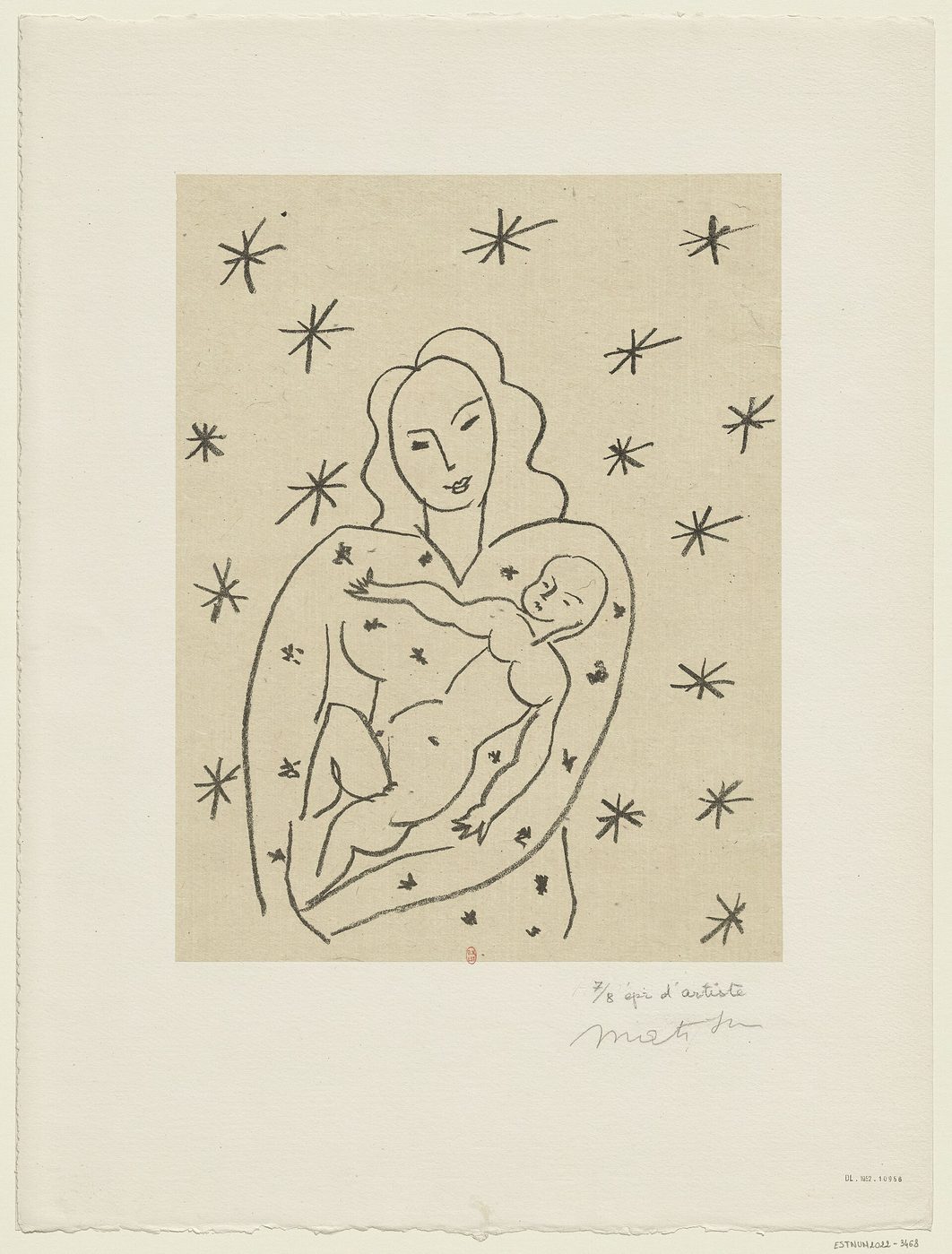
Facing the windows, three walls of white tiles carry large drawings in black line: St Dominic behind the altar, the Virgin and Child on the side wall, and on the back wall all fourteen Stations of the Cross in a single composition. Matisse also designed the bronze crucifix and candlesticks, and sets of vestments in the colours of the liturgical seasons; some are shown, with his studies for the chapel, in a room beside it.
A note on our pictures
Photography inside the chapel is generally not allowed, so the pictures on this page show the outside, with two of Matisse’s designs for the chapel: a cut-paper design for the windows, now in the Vatican Museums, and a print of the Virgin and Child from the same years.
Around the chapel
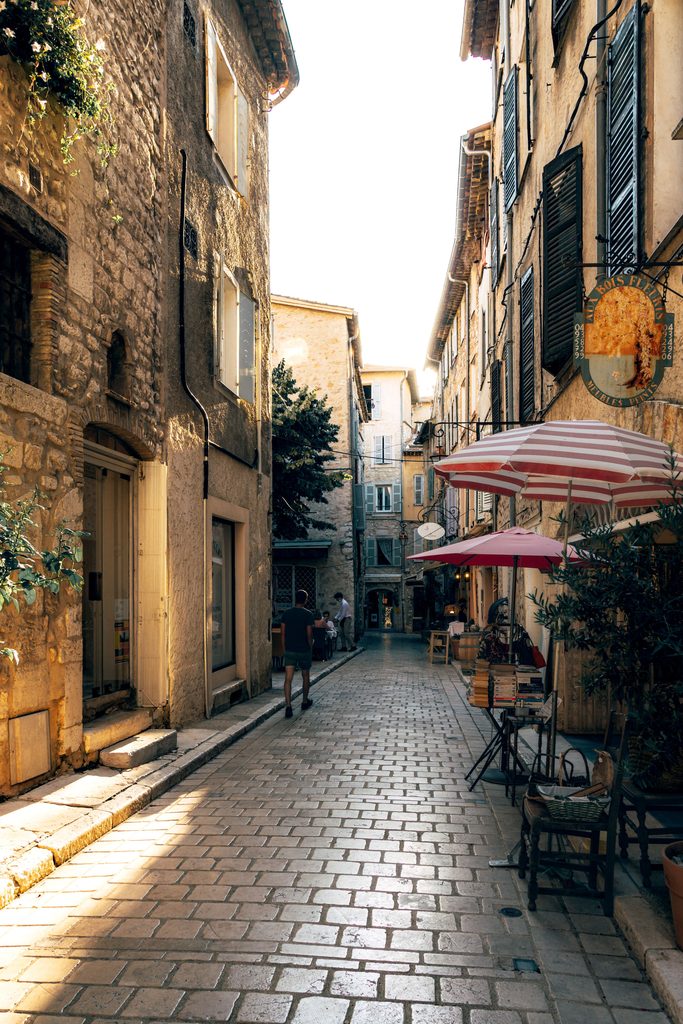
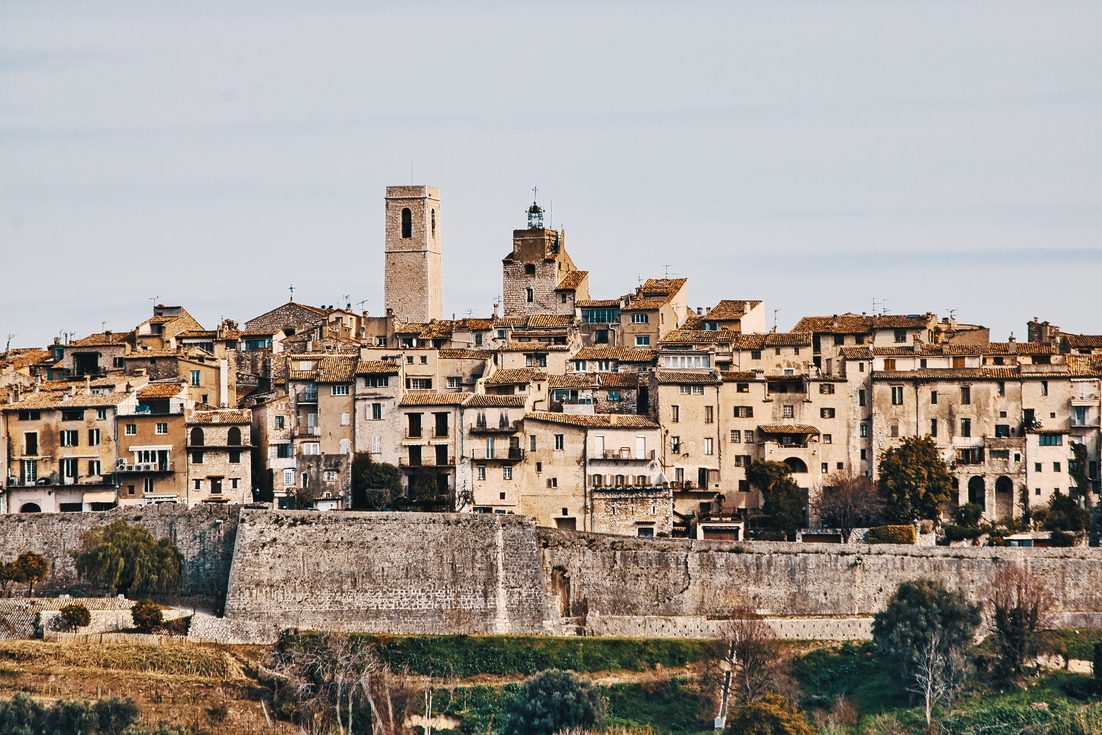
The old town of Vence, inside its walls, is a short walk down the road, with its cathedral and narrow lanes. Saint-Paul-de-Vence, the walled hill village, is a few kilometres away, with the Fondation Maeght. In Nice, the Musée Matisse at Cimiez has more of his work, and drawings related to the chapel.
Getting there
Vence is in the hills behind Nice, about 22 kilometres by road from the city. Buses run from Nice to Vence, and Nice Côte d’Azur airport is the nearest airport. The chapel is on the avenue Henri-Matisse, the road to Saint-Jeannet, a walk of about fifteen minutes from the old town.
Where to stay
Vence and Saint-Paul-de-Vence make a quieter base than Nice for the hill villages behind the coast.
This link goes to Booking.com. This site earns nothing from it at present — it is here because it is the quickest way to check what is actually available.
Don’t miss
- The Tree of Life windows Yellow, blue and green beside the altar.
- The Stations of the Cross All fourteen in one drawing on the back wall.
- The vestments In the room of studies beside the chapel.
- The roof cross Seen from the road.
Insider tips
Check the days before you go. The chapel opens only a few hours a day, not on Sundays or Mondays, and closes each year for a few weeks in late autumn. Check the hours with the chapel or the tourist office before you set out.
Arrive at opening. The chapel is small and visitors go in in groups, so there can be a queue.
Common questions
Is the Matisse Chapel open now?
It is closed from 16 November to 7 December 2026 inclusive and reopens on Tuesday 8 December 2026. From then it is open Tuesday to Saturday, 10–11.30am and 2–4.30pm, according to the local tourist office, which also says afternoons may run later in spring and summer. It is closed on Sundays and Mondays. Check before you go.
How much does it cost to visit the Matisse Chapel?
€7, or €6 each for groups of ten or more, who should book ahead.
Can you take photos inside the Matisse Chapel?
Generally not: photography inside is not allowed, so check with the sisters on the day. That is why the pictures on this page show the outside and Matisse’s own designs for it.
When is the best time to see the windows?
The colours of the windows fall on the white floor and walls when the sun is out, so a bright morning is best. The chapel is small and people are let in in groups, so arrive at opening time.
More churches to visit
- Notre-Dame de Fourvière, Lyon — Lyon’s basilica on its hill.
- Reims Cathedral — the coronation cathedral, with modern windows of its own.
- Sainte-Chapelle — another great chapel of coloured light.