
Rila Monastery, Bulgaria
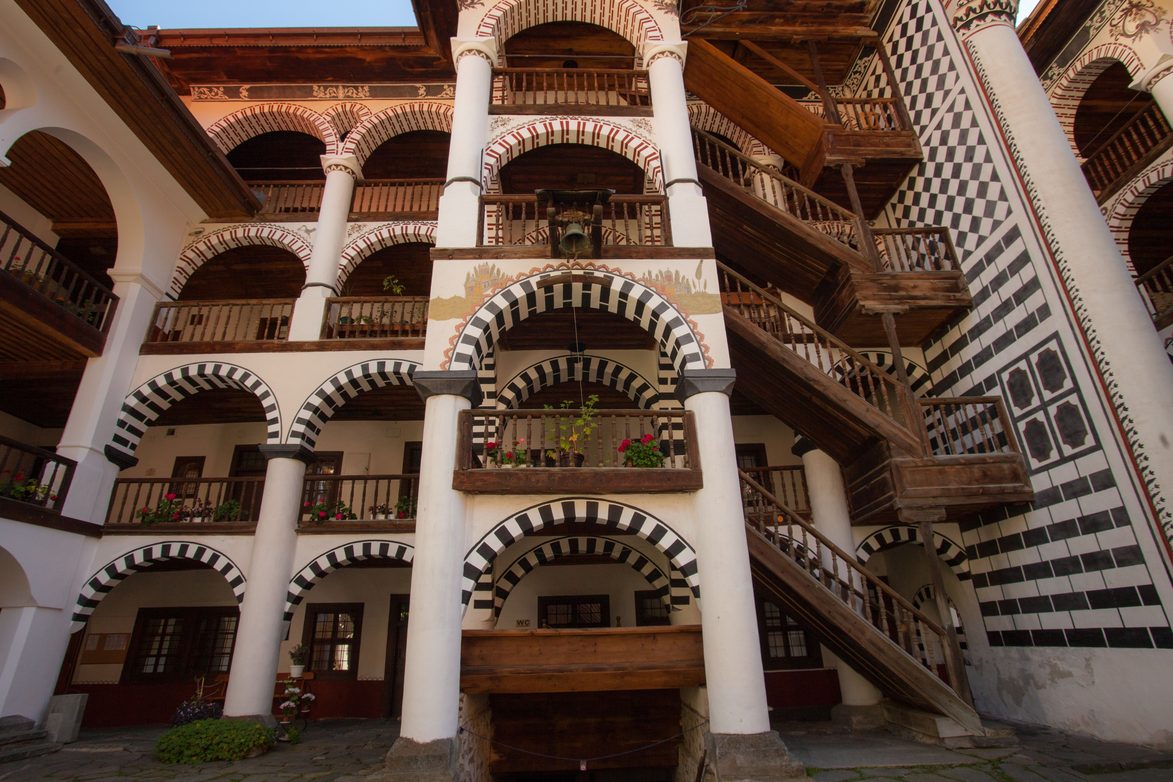
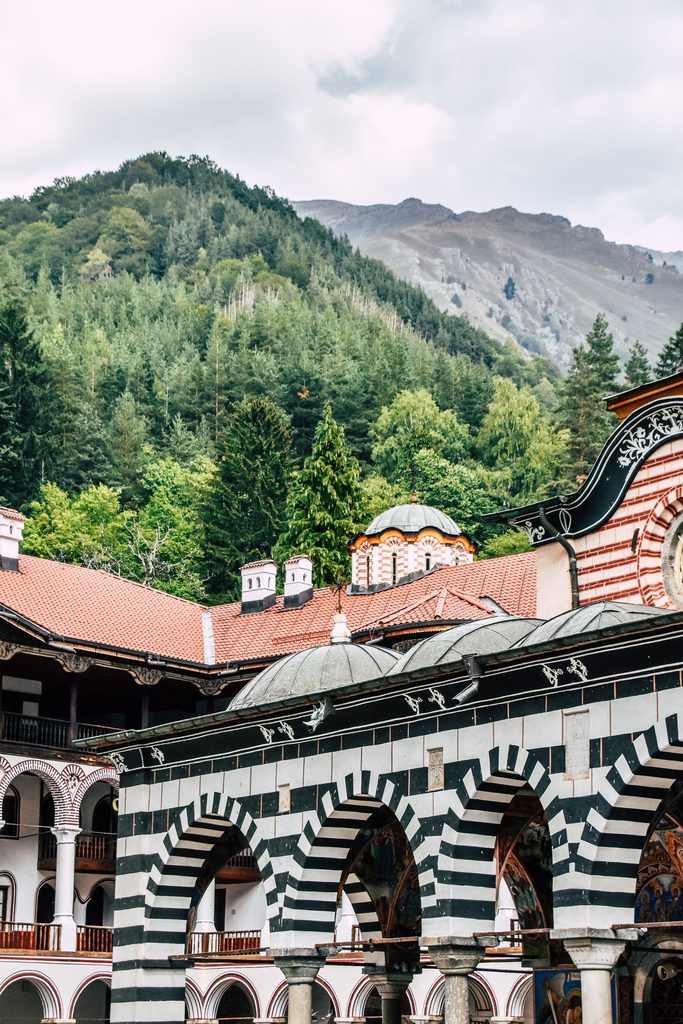
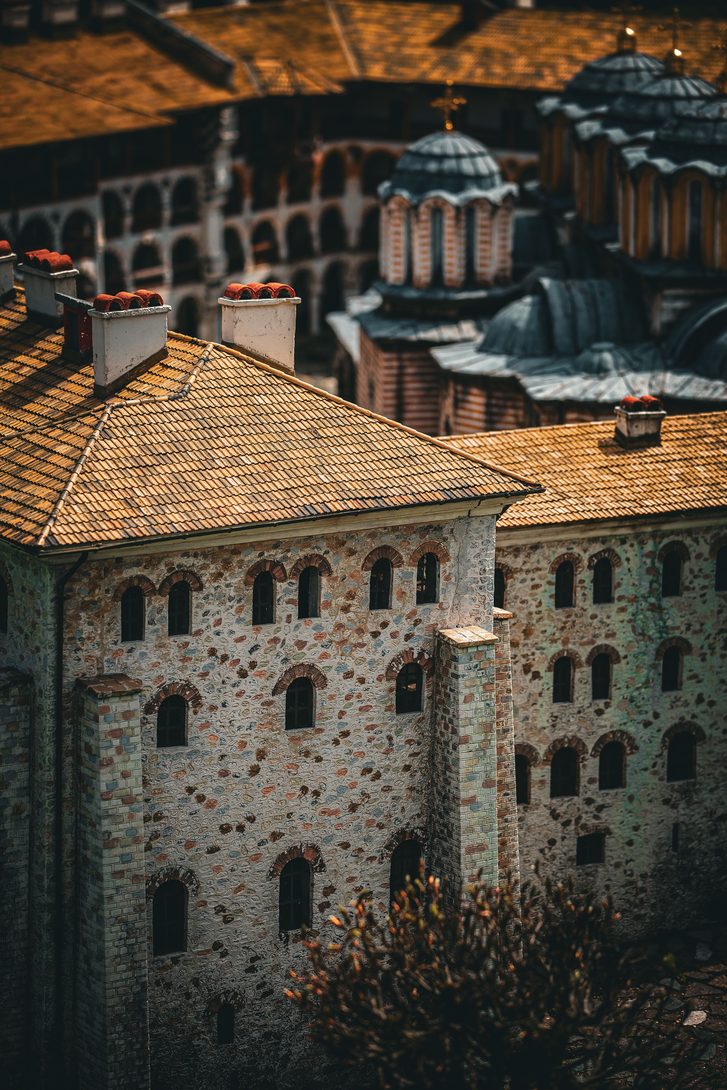
Rila Monastery is the great spiritual home of Bulgaria: a fortress-like ring of striped arcades and wooden balconies high in the Rila mountains, enclosing a five-domed church painted inside and out. Founded by the hermit St Ivan of Rila in the 10th century, it kept Bulgarian learning alive under Ottoman rule and is now a UNESCO World Heritage Site. The courtyard and the church are free.
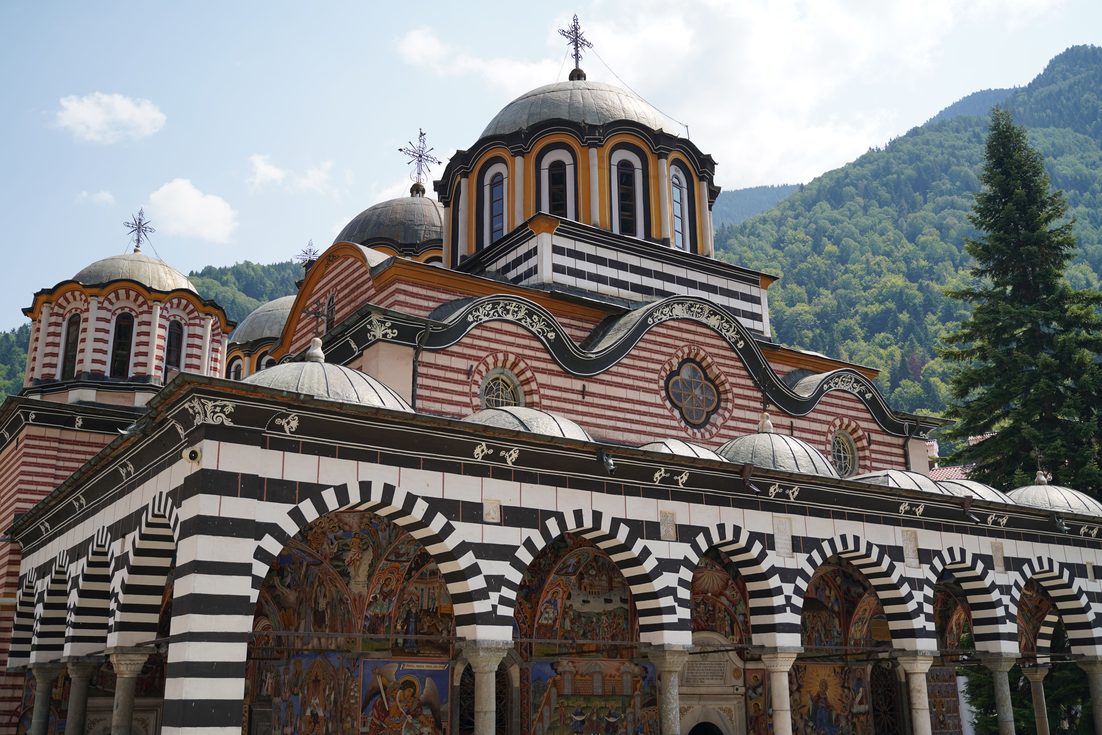
St Ivan’s monastery
Ivan of Rila was a hermit who lived in caves in these mountains in the early 10th century; followers gathered round him, and the monastery grew from their community. He died in 946 and became Bulgaria’s patron saint. His relics travelled to Sofia, to Hungary and to Veliko Tarnovo before coming back to Rila in 1469, and they rest in the main church today.
The oldest surviving building is the stone tower raised in 1335 by Hrelyo, the regional lord of Strumitsa. Under the Ottomans the monastery was a refuge for Bulgarian language, books and icon painting. After a fire in 1833 almost all of it was rebuilt between 1834 and 1862, which is why it looks so complete: the church went up in 1834–37, and its frescoes were finished in 1846. It was listed by UNESCO in 1983.
The visitor’s cheat sheet
| Opening hours | Church: Mon–Thu 6.30am–6pm, Fri–Sun 6.30am–6.30pm (7.30pm June–Sept). Museums: daily 8.30am–4.30pm (the Church History Museum stays open later in summer) |
|---|---|
| Admission | Free to the courtyard and church. Museums (2026): all-in ticket €12, or €2.50–€5 each |
| Photography | Not allowed inside the church or museums |
| Dress | No shorts, short skirts or sleeveless tops; men remove hats in the church |
| Getting there | About two hours’ drive from Sofia; no direct public bus at present, so take a tour or shuttle |
| How long | About two hours, more with the museums or the walk to St Ivan’s cave |
Hours and admission checked against the official site in November 2026. They change; the official site is always the last word.
What to see
The church and its porch
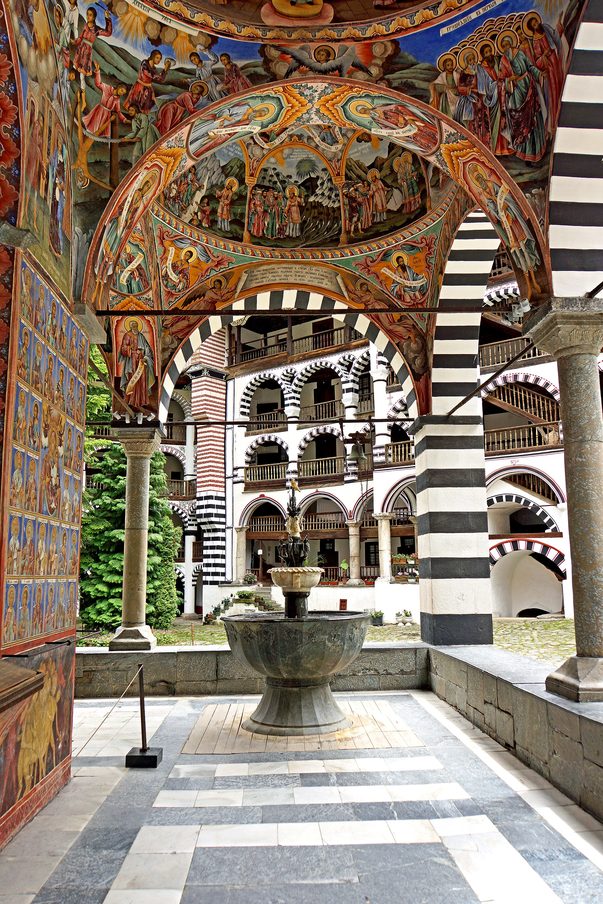
The Church of the Nativity of the Virgin stands in the middle of the courtyard, banded in red, white and black under five domes. Its open porch is covered in frescoes by painters of the Samokov and Bansko schools, among them the brothers Zahari and Dimitar Zograf: saints, Bible scenes and, most memorably, the Last Judgement, with devils herding sinners into hell. You can photograph the porch; you cannot photograph inside.
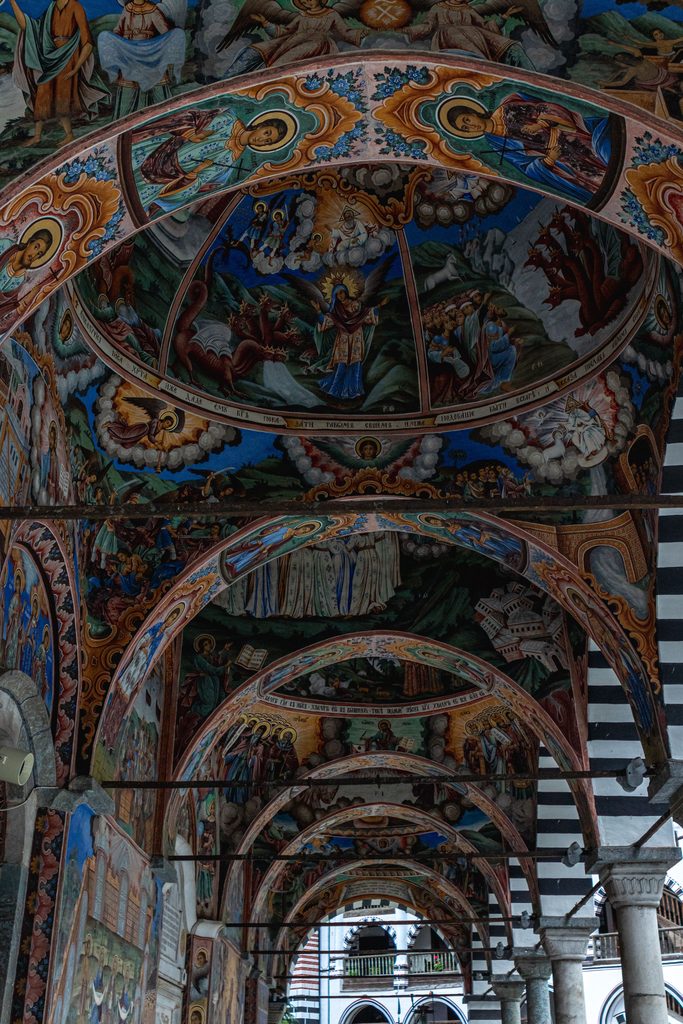
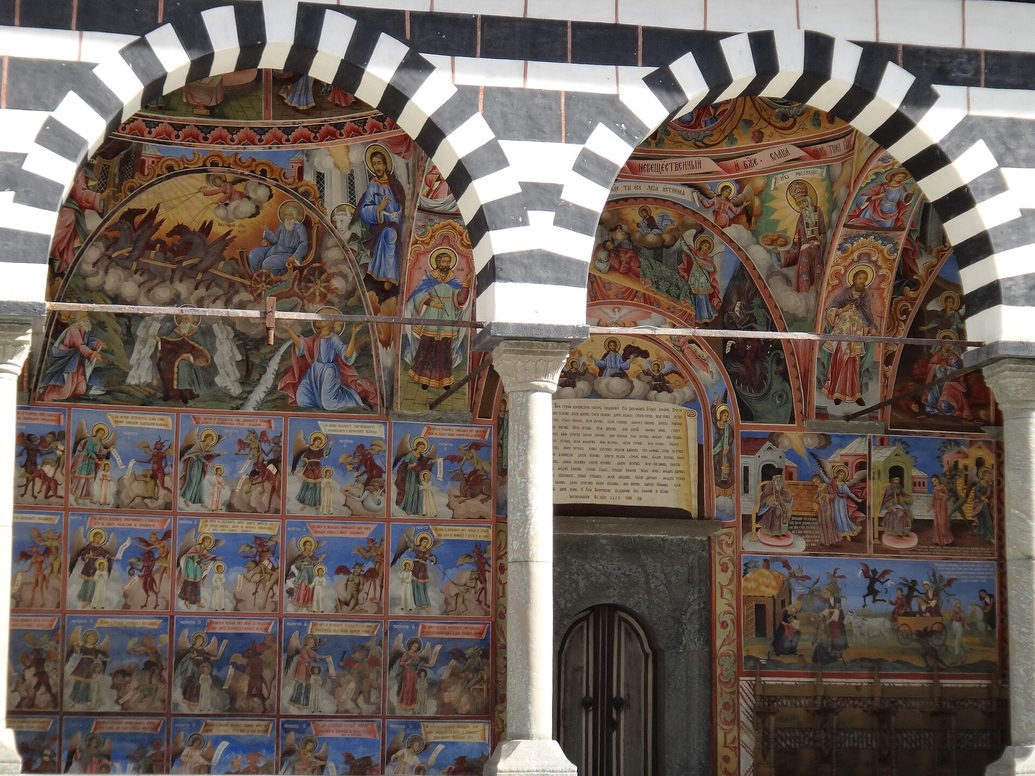
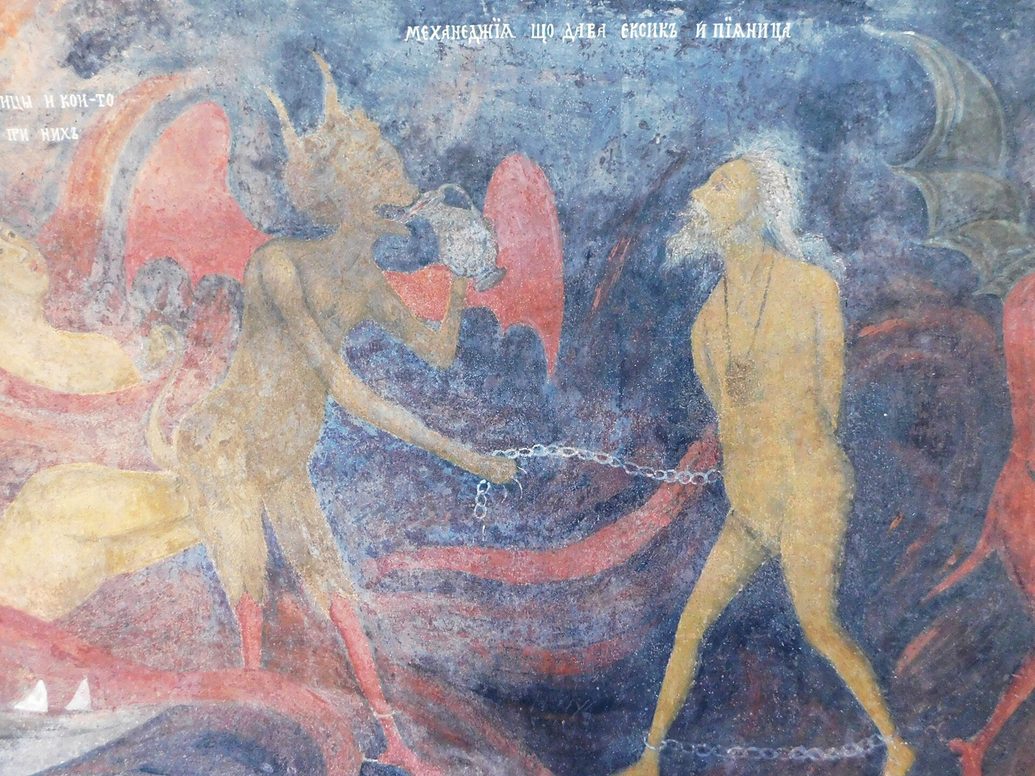
Inside, the gilded carved iconostasis took craftsmen five years to make, and the relics of St Ivan lie in the church. It is a working church: speak quietly, and kiss rather than touch the icons and relics if you wish to venerate them.
Hrelyo’s Tower
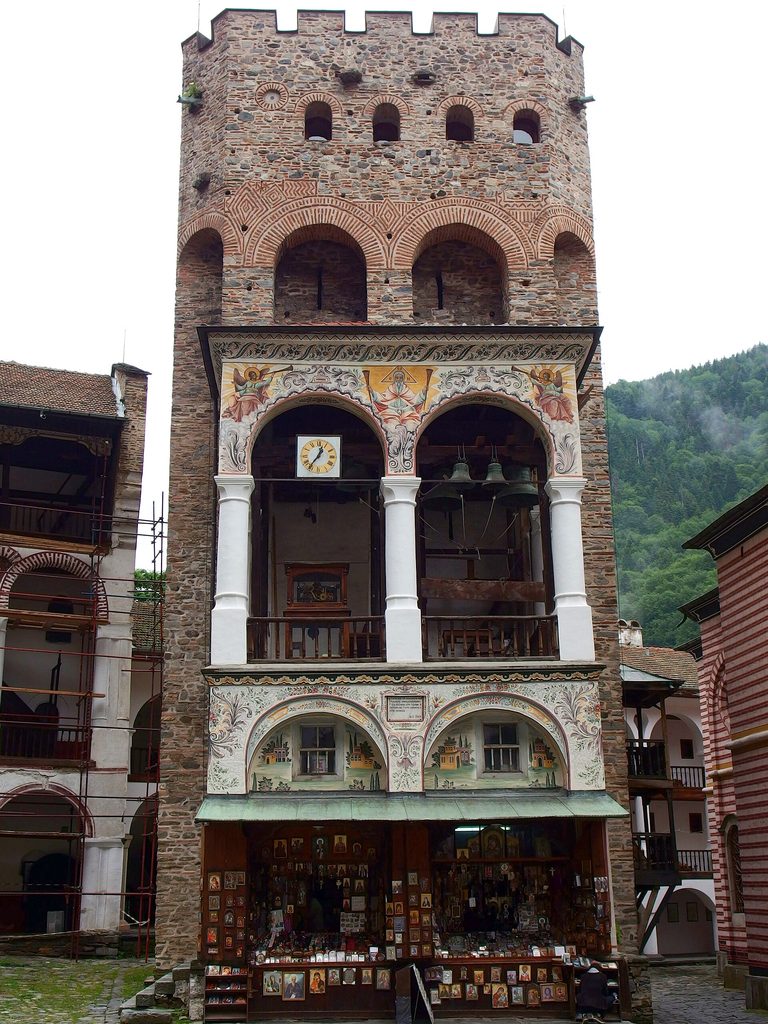
The square stone tower beside the church dates from 1335. It has five floors, with a chapel at the top painted with 14th-century frescoes. Entry costs €3 in 2026.
The museums
The Church History Museum holds the monastery’s manuscripts and its most famous treasure, Raphael’s Cross: a wooden cross, 81 centimetres tall, carved by the monk Raphael with 104 scenes and some 650 tiny figures, said to have cost him his sight. Smaller museums show the old monastery kitchen with its tall chimney, icons, and guest rooms furnished by Bulgarian towns of the 19th century. Ask at the Church History Museum if one of these is shut.
When to go
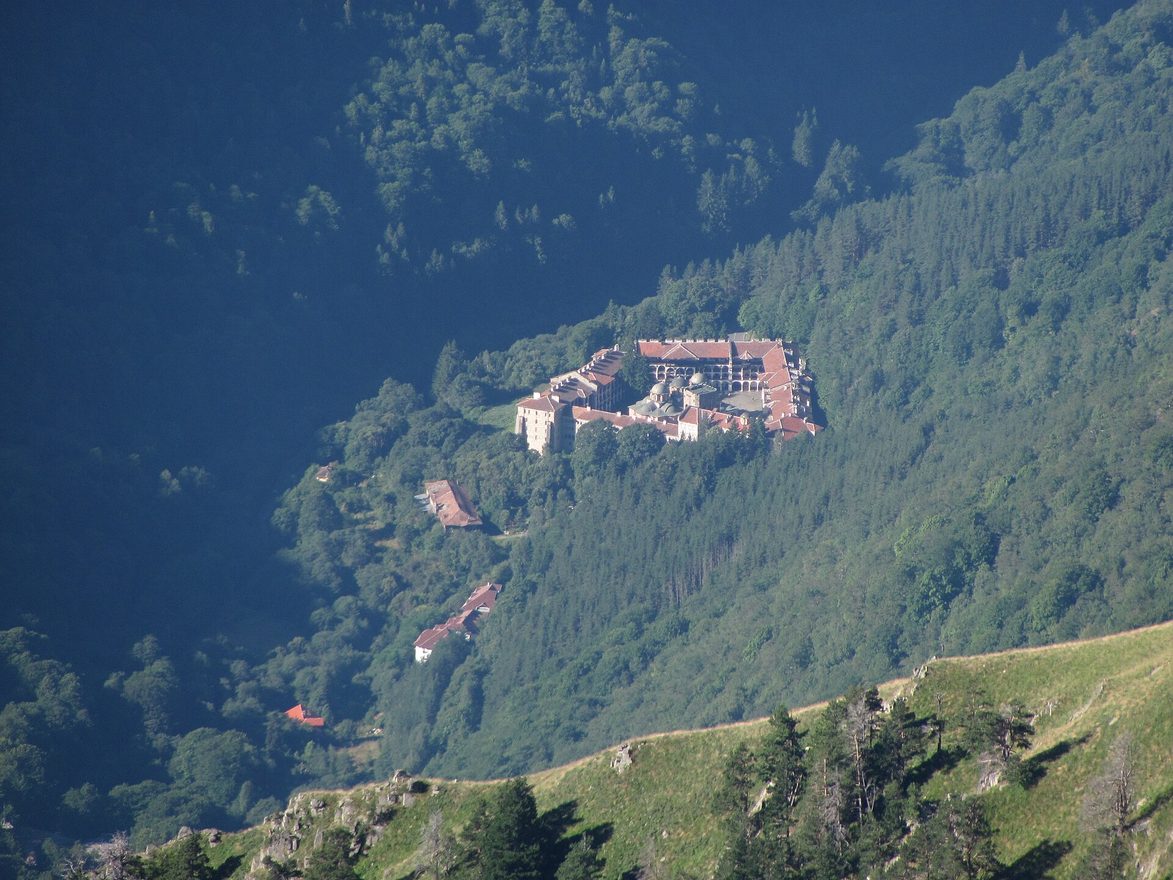
The monastery is busiest in the middle of the day, when coach tours from Sofia arrive. Staying overnight, or driving up early, gives you the courtyard almost to yourself. The great feast of St Ivan of Rila falls on 19 October, when the monastery is crowded with pilgrims. In winter, check the road: the monastery is about 1,150 metres up.
Getting there
The monastery is about 120 kilometres south of Sofia, roughly two hours by car via Dupnitsa and the town of Rila, with car and coach parks outside the gates. The monastery says public transport to it has been discontinued, so most visitors join a day tour or a shuttle from Sofia. Without a car, take a bus or train to Blagoevgrad, a minibus to Rila town, and a taxi for the last 20 kilometres or so. Bulgaria uses the euro.
Tours and where to stay
Museum tickets are sold only at the monastery.
These links go to GetYourGuide and Booking.com. This site earns nothing from them at present — they are here because they are the quickest way to check what is actually available.
Don’t miss
- The painted porch Look for the devils of the Last Judgement.
- The iconostasis Gilded and carved, inside the church.
- Raphael’s Cross In the Church History Museum.
- Hrelyo’s Tower The chapel at the top.
Insider tips
Buy the all-in museum ticket. At €12 it costs less than the €17.50 for the five museums bought separately.
Walk to St Ivan’s cave. A marked path of about four kilometres leads from the monastery to the cave where the saint is said to have lived, away from the tour groups.
Common questions
Is Rila Monastery free to visit?
Yes. The courtyard and the main church are free. The museums charge: in 2026 a combined ticket for all of them costs €12, or you can pay separately, from €2.50 for the Icon Gallery to €5 for the Church History Museum. Tickets are sold only at the monastery.
Can you take photos?
Outside, yes, including the painted porch. The monastery bans photography and filming inside the church and the museums.
What should I wear?
No shorts, short skirts or sleeveless tops anywhere in the monastery. Men take off their hats in the church, and large backpacks are not allowed inside it.
Can I get there by bus from Sofia?
Not directly at present. The monastery says public transport to it has been discontinued, and the old daily bus from Sofia’s Ovcha Kupel bus station is reported not to have run since the pandemic. Most visitors take a day tour or shuttle from Sofia, or drive; by public transport, go via Blagoevgrad and Rila town and take a taxi for the last 20 kilometres or so.
Can you stay overnight?
Yes. The monastery lets rooms, booked by phone only on +359 896 872 010 (weekdays 2.30pm to 4pm and 6pm to 7pm). There are also hotels and guesthouses just outside the gates.
More churches nearby
- Churches in Greece — including the monasteries of Meteora and Mount Athos.
- Chora Church, Istanbul — the finest late Byzantine mosaics and frescoes anywhere.