
Hailes Abbey, Gloucestershire
In a quiet Cotswold valley near Winchcombe lie the remains of one of the great pilgrimage abbeys of medieval England. For more than 250 years people came to Hailes to see a phial said to hold the blood of Christ. Today a row of cloister arches stands in a meadow, a small museum keeps the finest carvings, and across the lane a little parish church still has its medieval wall paintings.
An abbey founded after a storm at sea
Hailes was founded in 1246 by Richard, Earl of Cornwall, the younger brother of Henry III, in thanksgiving for surviving a storm at sea. Monks came from Beaulieu Abbey in Hampshire, and Hailes became one of the last Cistercian abbeys founded in England. Richard, who was later elected King of the Romans, was buried here.
In 1270 Richard’s son Edmund gave the monks the relic of the Holy Blood. To house it they built a new east end with a ring of chapels, finished in 1277, and Hailes became one of the most visited shrines in the country. In 1538 the relic was examined by Henry VIII’s commissioners and declared a fake, and on Christmas Eve 1539 the abbey was surrendered to the Crown.
The visitor's cheat sheet
| Where | Hailes, near Winchcombe, Cheltenham, Gloucestershire, GL54 5PB |
|---|---|
| Getting there | About 2 miles north-east of Winchcombe, a mile off the B4632; free parking; Cotswold Way within a mile; Cheltenham station about 10 miles |
| Opening hours | First weekend of every month, for tours booked in advance (2026); check English Heritage for times |
| Admission | Tour tickets booked online, prices by date; free for English Heritage and National Trust members (booking still needed) |
| How long | An hour and a half, with the museum and the parish church |
| Best time | A spring or summer open weekend |
| Dress code | Outdoor shoes; uneven ground |
| Tours | Booked guided tours; site museum; dogs on leads |
Hours and admission checked against the official site in October 2026. They change; the official site is always the last word.
The blood of Hailes. Among the oaths Chaucer’s Pardoner condemns is “by the blood of Christ that is in Hailes”, and Margery Kempe came here in 1417. It was said that only those whose sins were forgiven could see the blood in the phial.
What to see, in the order you meet it
The cloister
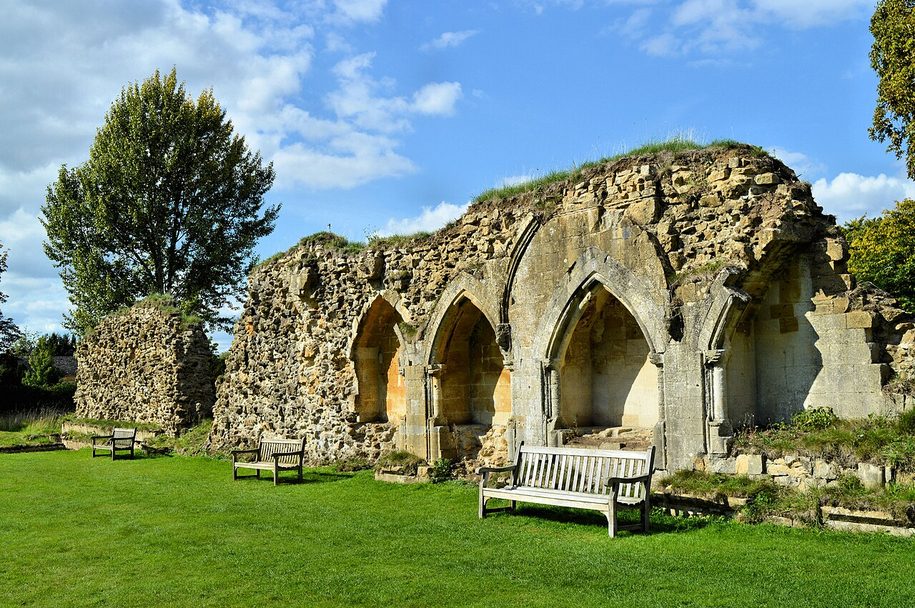
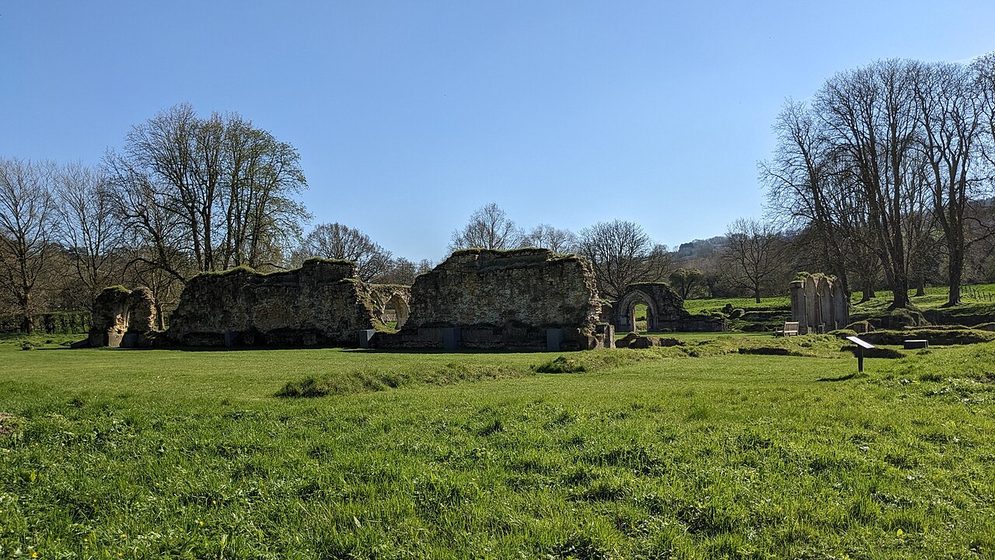
The most complete part of the ruins is the cloister, where tall arches still stand along the east side, with more at the south-west corner. The doorway and windows of the chapter house, where the monks met each day, open off the east walk.
The church and the shrine
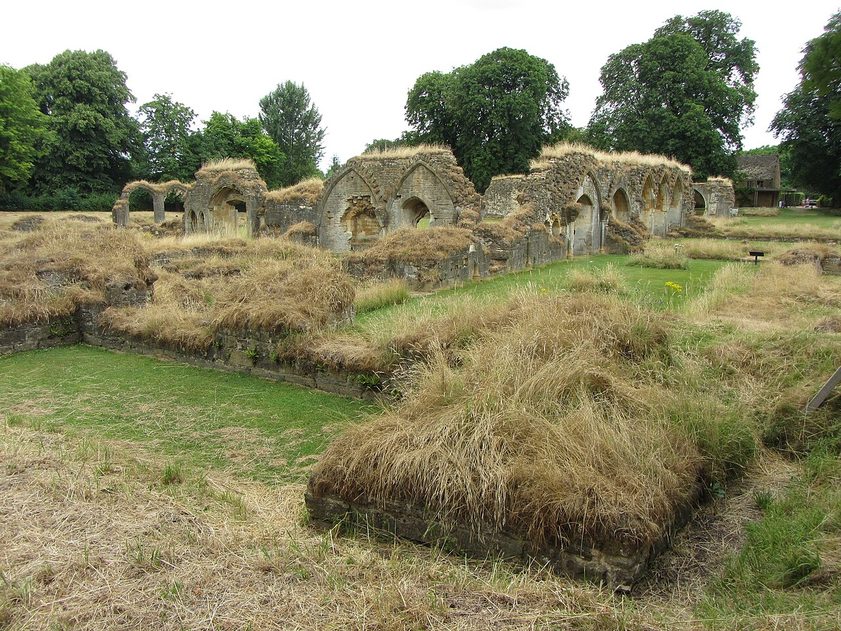
The abbey church has gone almost entirely, but its plan is laid out in the grass. At the east end you can trace the semicircle of chapels built around the shrine of the Holy Blood, a design borrowed from the great churches of France and from Henry III’s Westminster Abbey.
The museum
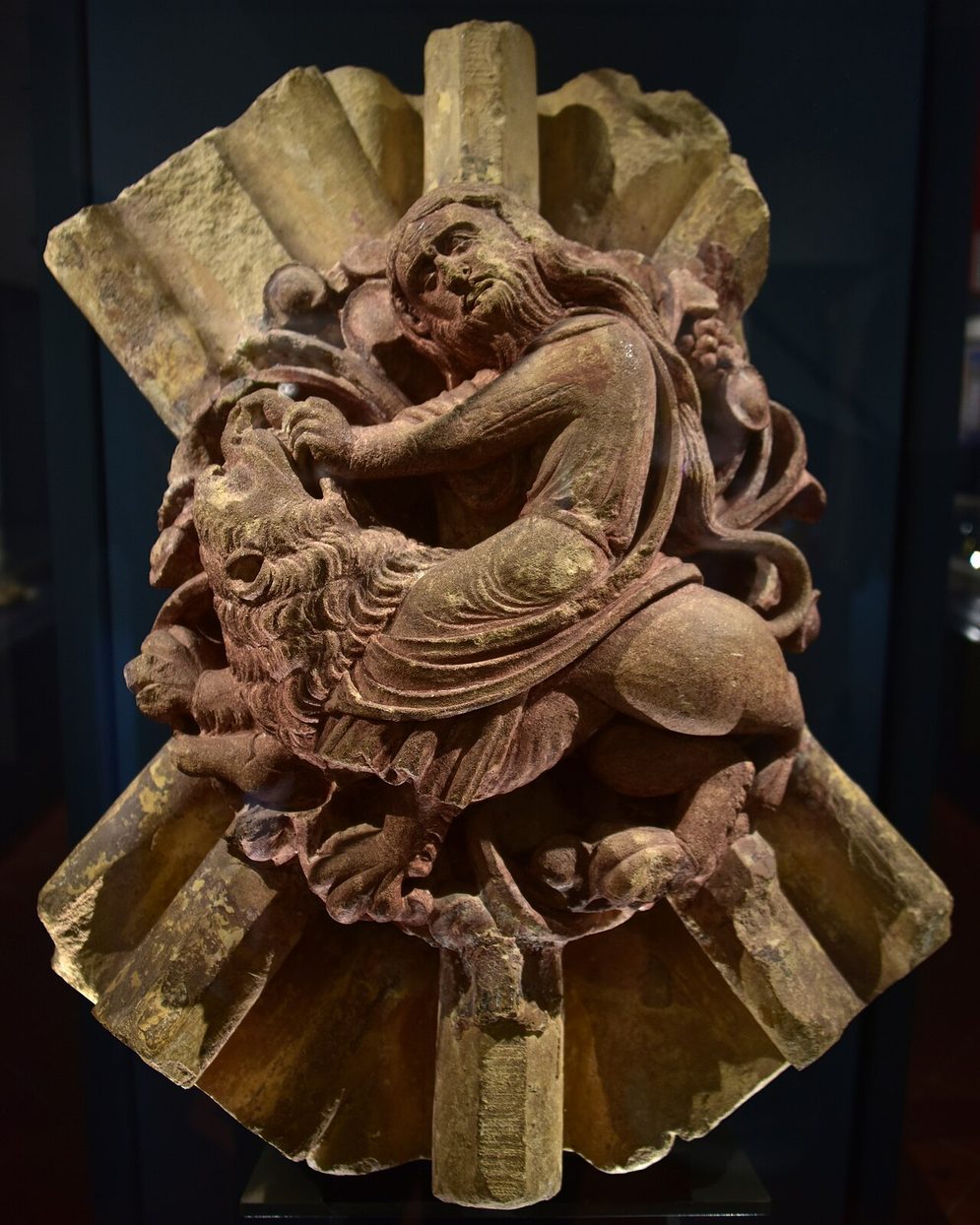
The small museum by the entrance holds the best of what was found on the site: carved roof bosses, including Samson wrestling the lion, heraldic floor tiles, and one of the oldest surviving medieval spectacle frames.
Hailes parish church
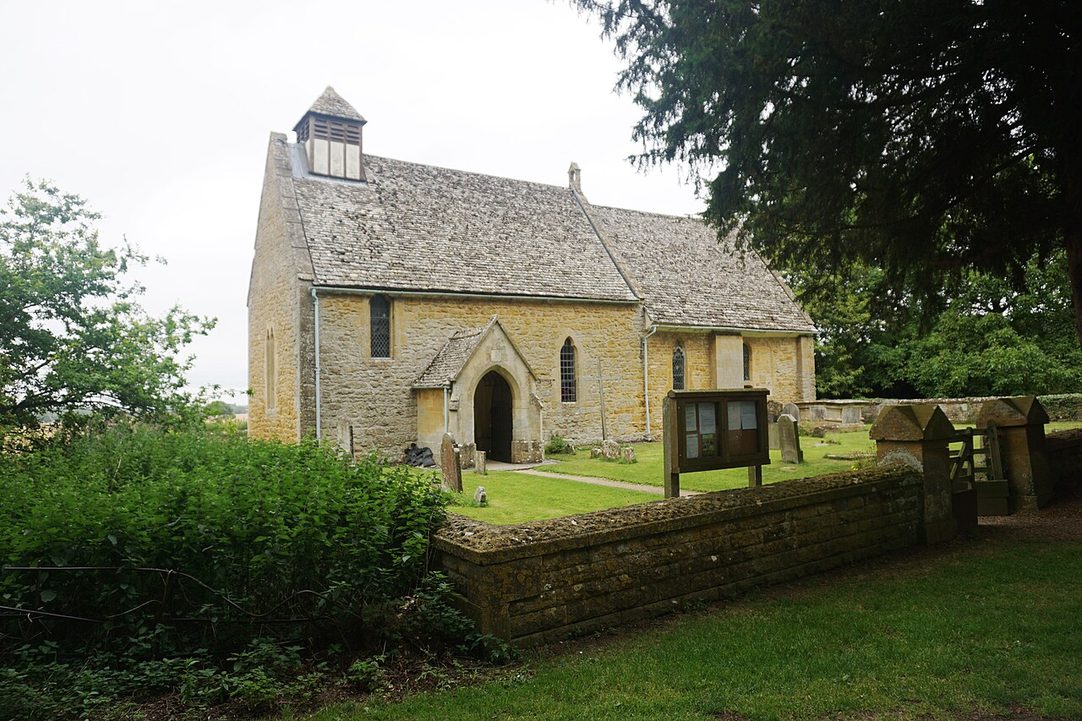
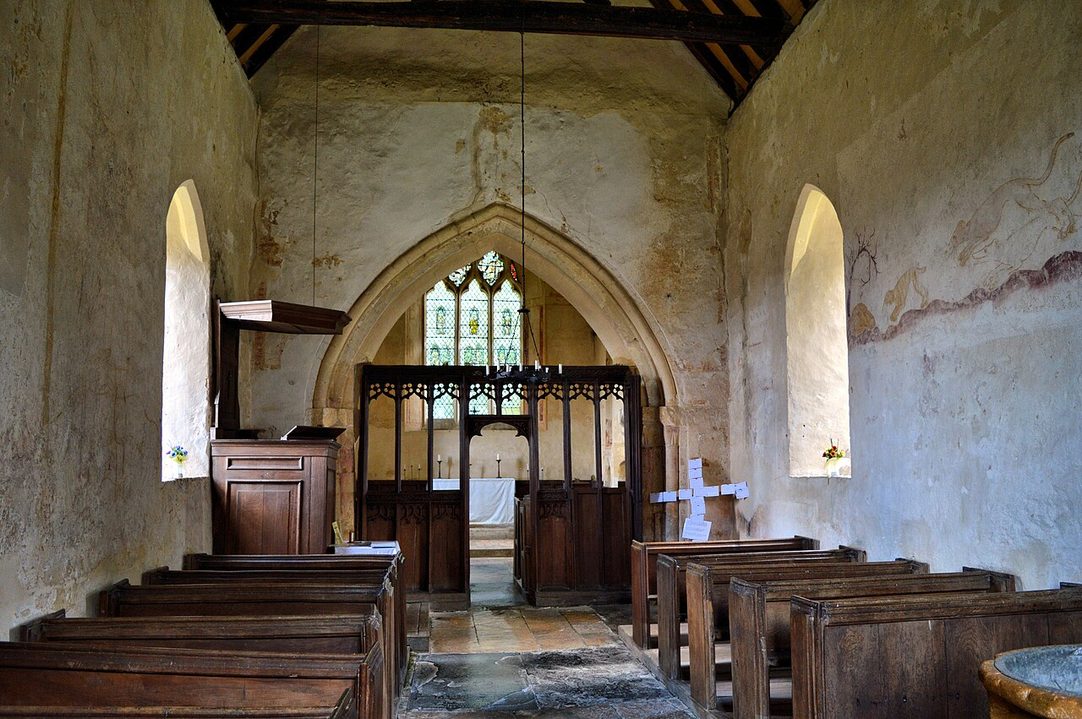
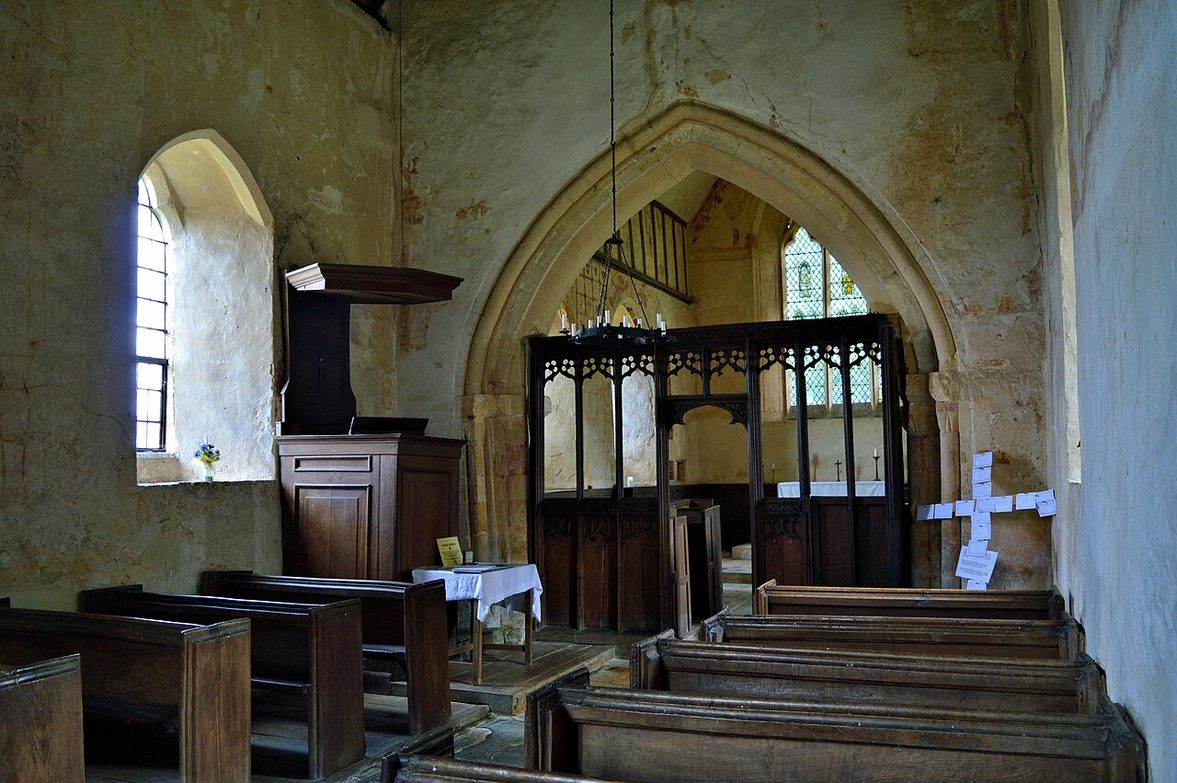
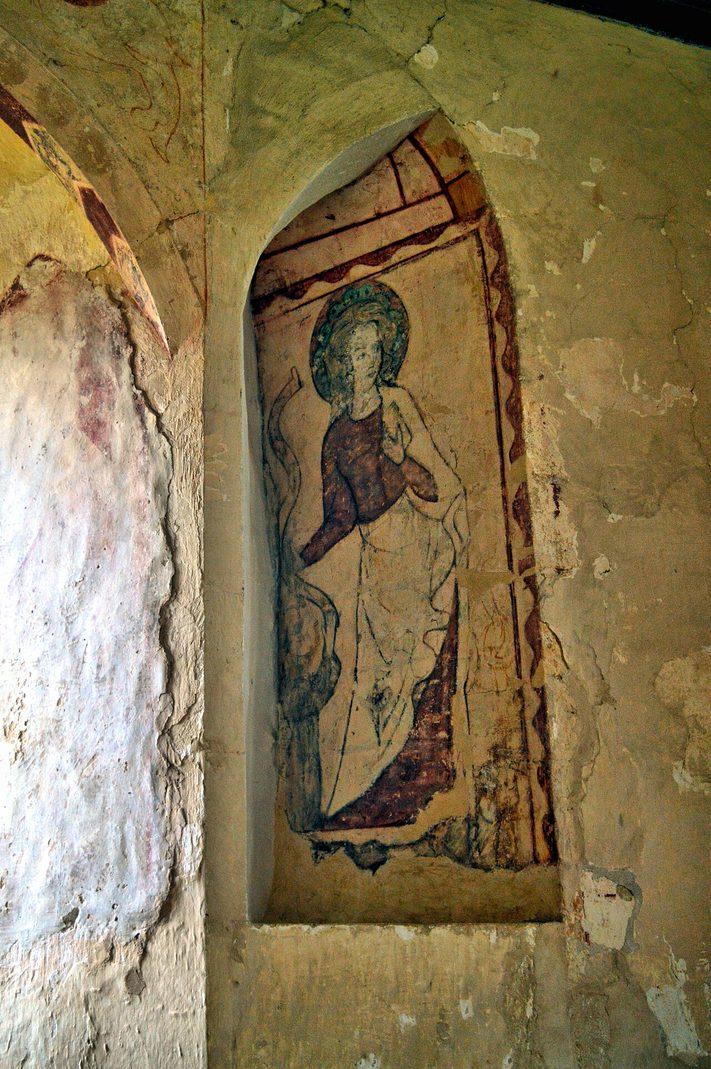
Across the lane is the little parish church, older than the abbey and consecrated in the twelfth century. It served as the chapel at the abbey gates, and inside are old pews, a wooden screen, medieval tiles from the abbey and fourteenth-century wall paintings of saints, heraldry and a hunting scene.
Visiting
Open on the first weekend of each month
Hailes Abbey is open for booked tours on the first weekend of every month. Book on the English Heritage website; members of English Heritage and the National Trust go free.
The hotel link goes to Booking.com. This site earns nothing from it at present — it is here because it is the quickest way to check what is actually available.
Don't miss
- The cloister arches Standing in a Cotswold meadow.
- The shrine plan The ring of chapels round the Holy Blood.
- The Samson boss Among the carvings in the museum.
- The spectacle frames Among the oldest in existence.
- The parish church Medieval wall paintings across the lane.
- The Cotswold Way Walk on to Winchcombe.
Insider tips
Make a day of it. Book the abbey for an open weekend and combine it with a walk on the Cotswold Way to Winchcombe and Sudeley Castle, or a drive to Tewkesbury Abbey, about half an hour away. Wear shoes for wet grass.
Common questions
Can you visit Hailes Abbey at any time?
No. In 2026 English Heritage opens Hailes Abbey on the first weekend of every month, for tours booked in advance. Check the English Heritage website for the dates and times and to book. National Trust and English Heritage members go free, but still need to book.
How much does it cost?
English Heritage sets ticket prices by date, and they are shown when you book. Members of English Heritage and of the National Trust, which owns the site, get in free.
What was the Holy Blood of Hailes?
A phial said to contain blood shed by Christ on the Cross, which Edmund, Earl of Cornwall, son of the abbey’s founder, brought from Germany. It arrived at Hailes in 1270 and drew pilgrims for over 250 years; Chaucer mentions it in The Canterbury Tales. In 1538 Henry VIII’s commissioners examined it and declared it to be honey coloured with saffron.
Is the little church next to the abbey open?
Hailes parish church, across the lane, is separate from the English Heritage site. It is a working church with occasional services, and is often open to visitors; it is well worth a look for its medieval wall paintings.
How do you get to Hailes Abbey?
Hailes is about two miles north-east of Winchcombe, a mile off the B4632 between Cheltenham and Broadway. There is free parking. The Cotswold Way passes close by. Cheltenham station is about 10 miles away.
Where to stay and eat nearby
Winchcombe has pubs and cafés; Cheltenham, about 20 minutes away by car, has a wide choice of hotels.
More English churches
- Tewkesbury Abbey — the great Norman abbey church nearby
- Gloucester Cathedral — the fan-vaulted cloister
- St Mary’s, Fairford — medieval glass in a Cotswold wool church
See all the cathedrals and churches worth visiting in England →