
Speyer Cathedral
Speyer Cathedral is the largest surviving Romanesque church in the world, built by the Salian emperors in the eleventh century as their burial church, and eight German emperors and kings lie in its vaults. It stands on the Rhine in the Palatinate, 20 minutes from Mannheim and under an hour from Heidelberg. The cathedral is free; the crypt and imperial tombs cost a few euros, and in summer you can climb through the Kaisersaal to a platform high in the west tower.
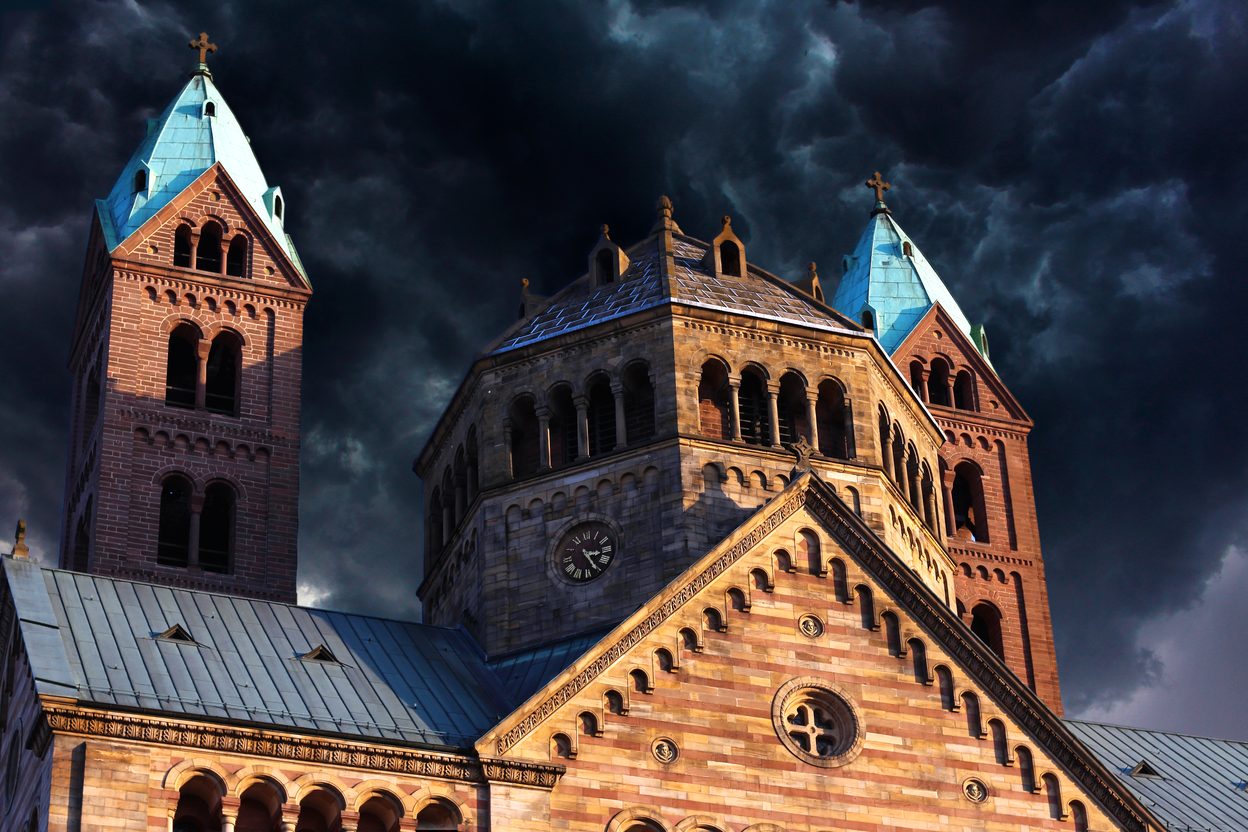
The emperors’ cathedral
The Emperor Conrad II began the cathedral around 1030, as the burial church of his dynasty, and it was consecrated in 1061. His grandson Henry IV rebuilt it on a grander scale in the 1080s and 1090s, vaulting the nave and enlarging the east end, and it was finished in 1106. It was then the largest church in western Christendom, and a statement of the emperor’s power against the pope.
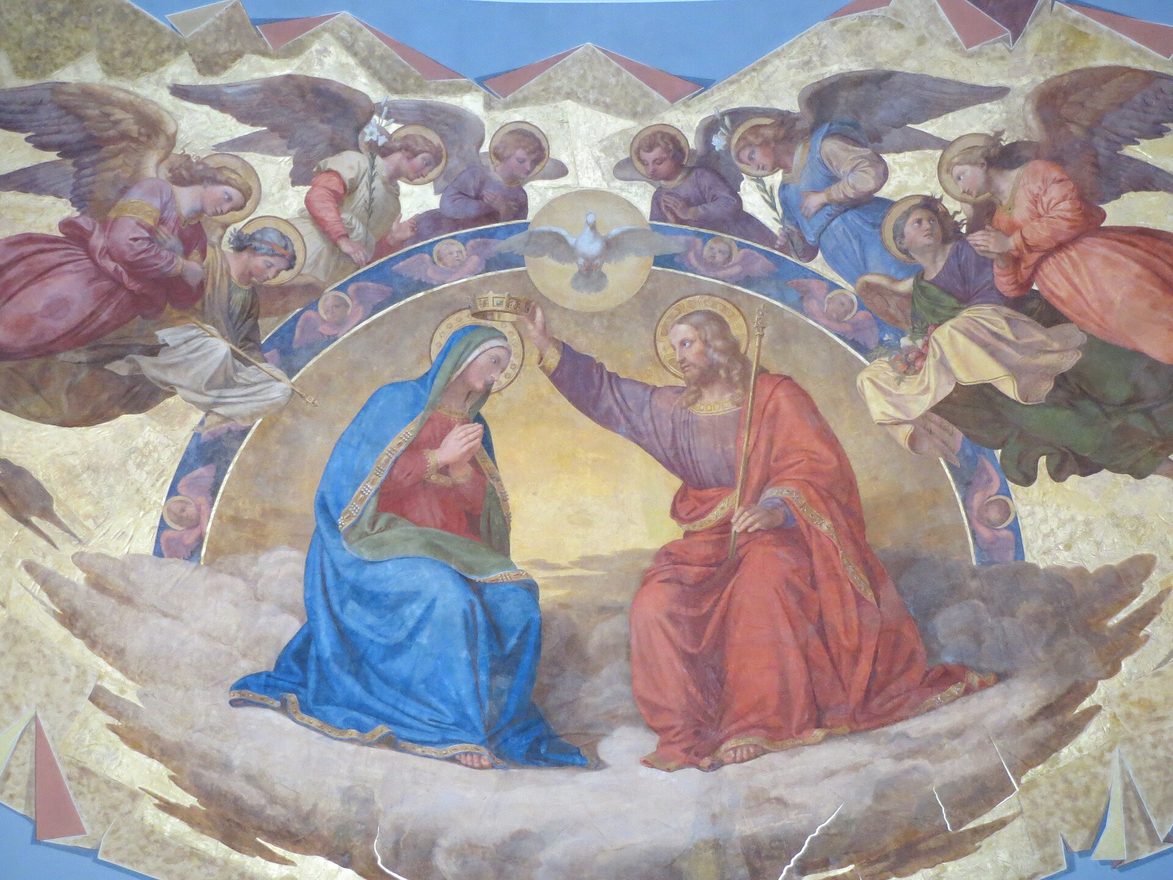
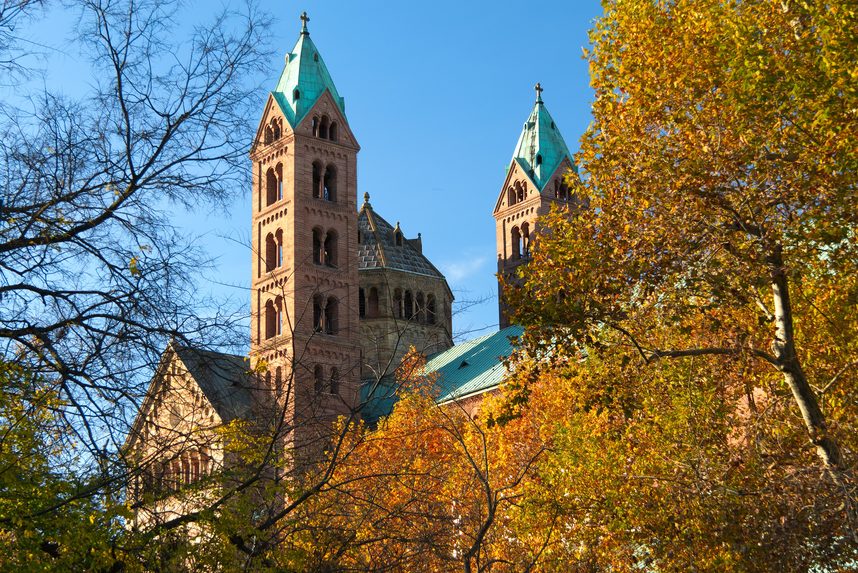
In 1689 French troops plundered the imperial tombs and burned the cathedral, and the west end of the nave collapsed. It was rebuilt in the eighteenth century, and in 1854–58 given its present neo-Romanesque west front. The nave was painted with frescoes in the 1840s and 1850s for King Ludwig I of Bavaria; many were taken down in a restoration begun in 1957, and some now hang in the Kaisersaal. It has been a World Heritage site since 1981, and it will celebrate 1,000 years in 2030; the east towers are under scaffolding while they are restored for the anniversary.
The visitor’s cheat sheet
| Where | Domplatz, 67346 Speyer |
|---|---|
| Opening hours | Monday–Saturday 9am–7pm in summer, 9am–5pm from November to March; Sundays and holidays 11.30am–5.30pm (to 5pm in winter). Crypt opens 30 minutes later and closes 30 minutes earlier. No sightseeing during services |
| Admission | Free; crypt and imperial tombs €4.50, reduced €1.80, family €10; Kaisersaal and tower €7; both €12.50 (2026 prices reported by visitors; check at the Dom-Info) |
| Kaisersaal and tower | April–October, from 10am (Sundays from noon), last entry 5pm; 304 steps, no lift |
| Getting there | S-Bahn S3 or S4 from Mannheim (about 20–25 minutes) or Heidelberg (about 45); then bus 565 or 15–20 minutes’ walk |
| How long | An hour; two with the Kaisersaal and tower |
Hours and admission checked against the official site in October 2026. They change; the official site is always the last word.
Free, but the best parts have tickets. The cathedral costs nothing. Buy tickets for the crypt and imperial tombs, and in summer the Kaisersaal and tower, at the Dom-Info in the cathedral garden on the south side. On Sundays the cathedral opens to visitors only at 11.30am, and from November to March the Kaisersaal and tower are closed to individual visitors.
What to see, in the order you meet it
The Domnapf and the west front
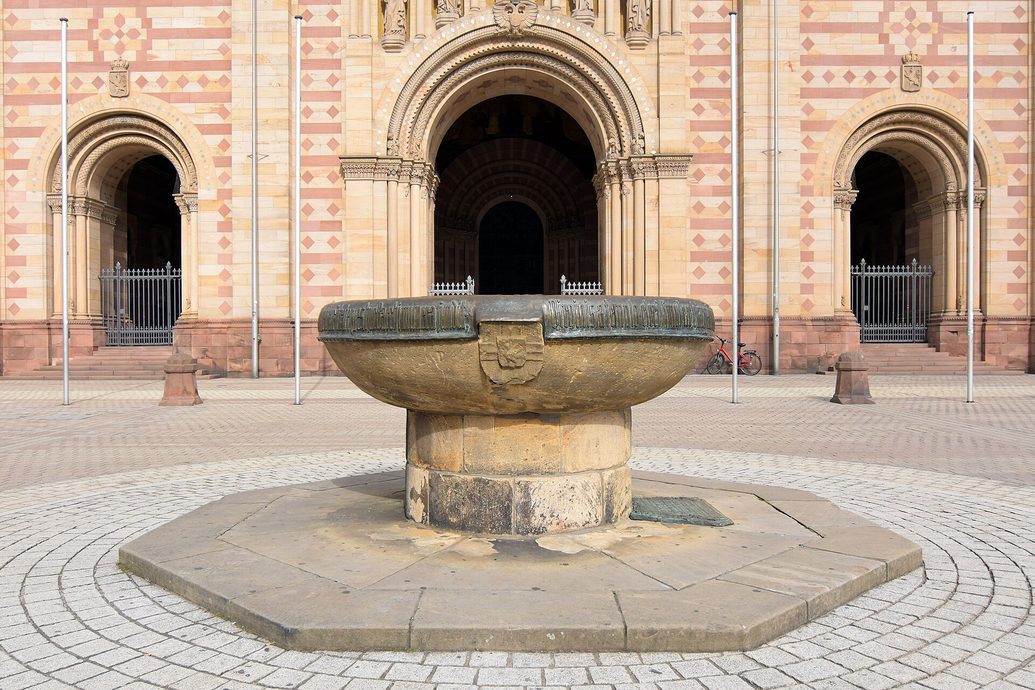
In front of the cathedral stands the Domnapf, a huge stone bowl that marked the boundary of the bishop’s territory; each new bishop had to fill it with wine for the townspeople. Behind it rises the west front of the 1850s, and inside the porch are statues of the emperors buried here.
The nave
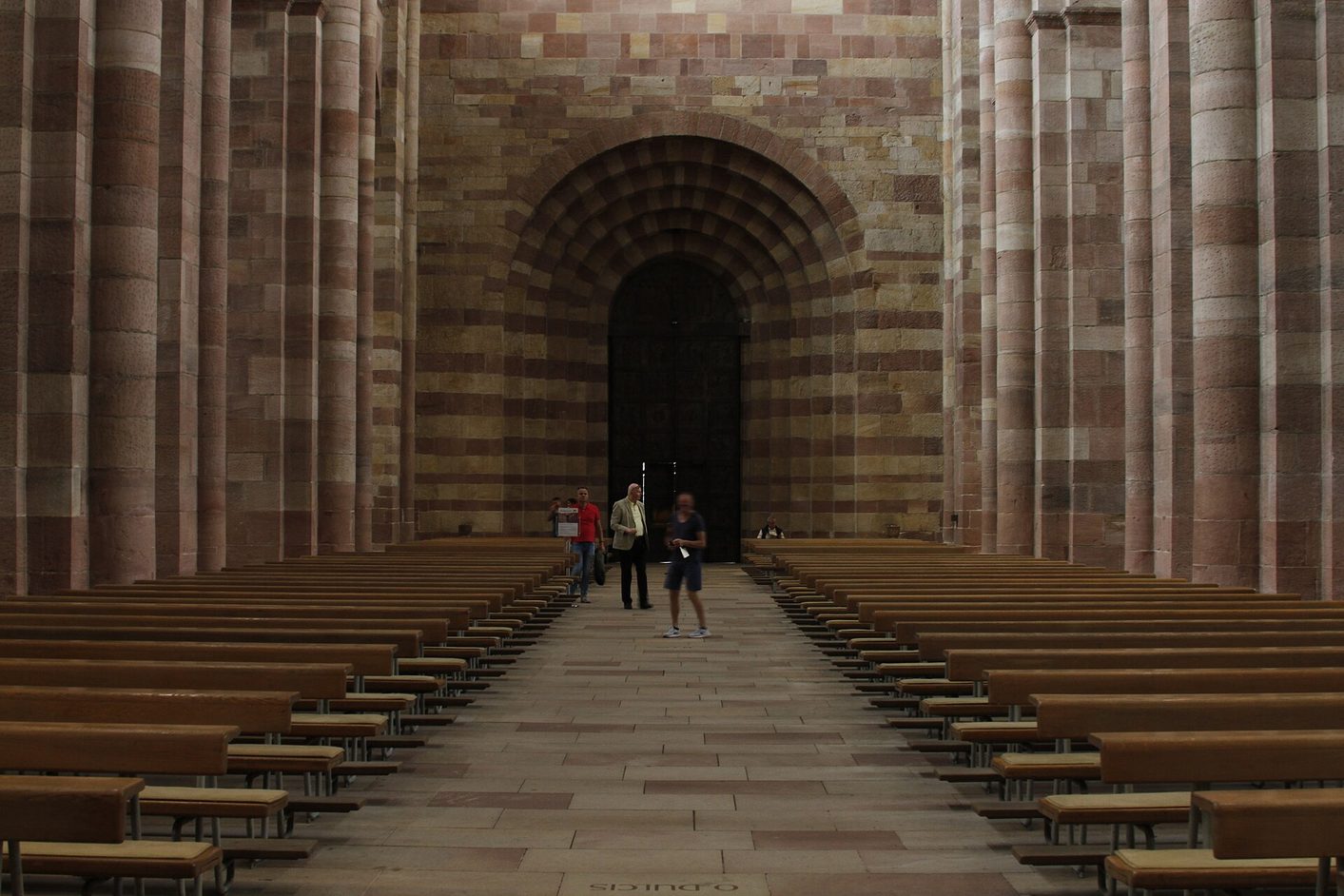
The nave is long, high and plain, built of red and yellow sandstone, its great piers rising to groin vaults, among the earliest of their size. Many of the nineteenth-century paintings were removed in the restoration, though the cycle of the life of the Virgin remains.
The crypt and the imperial tombs
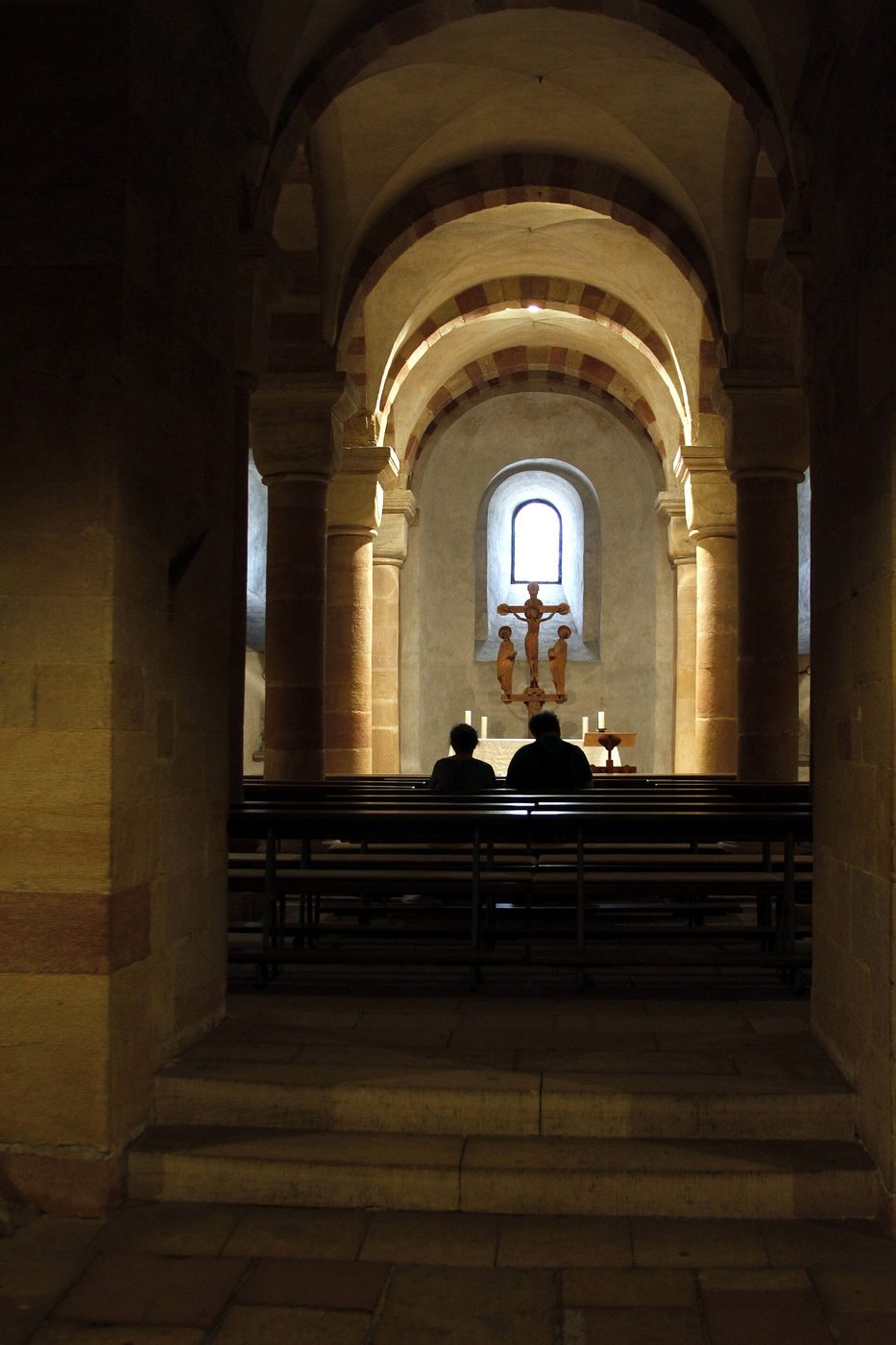
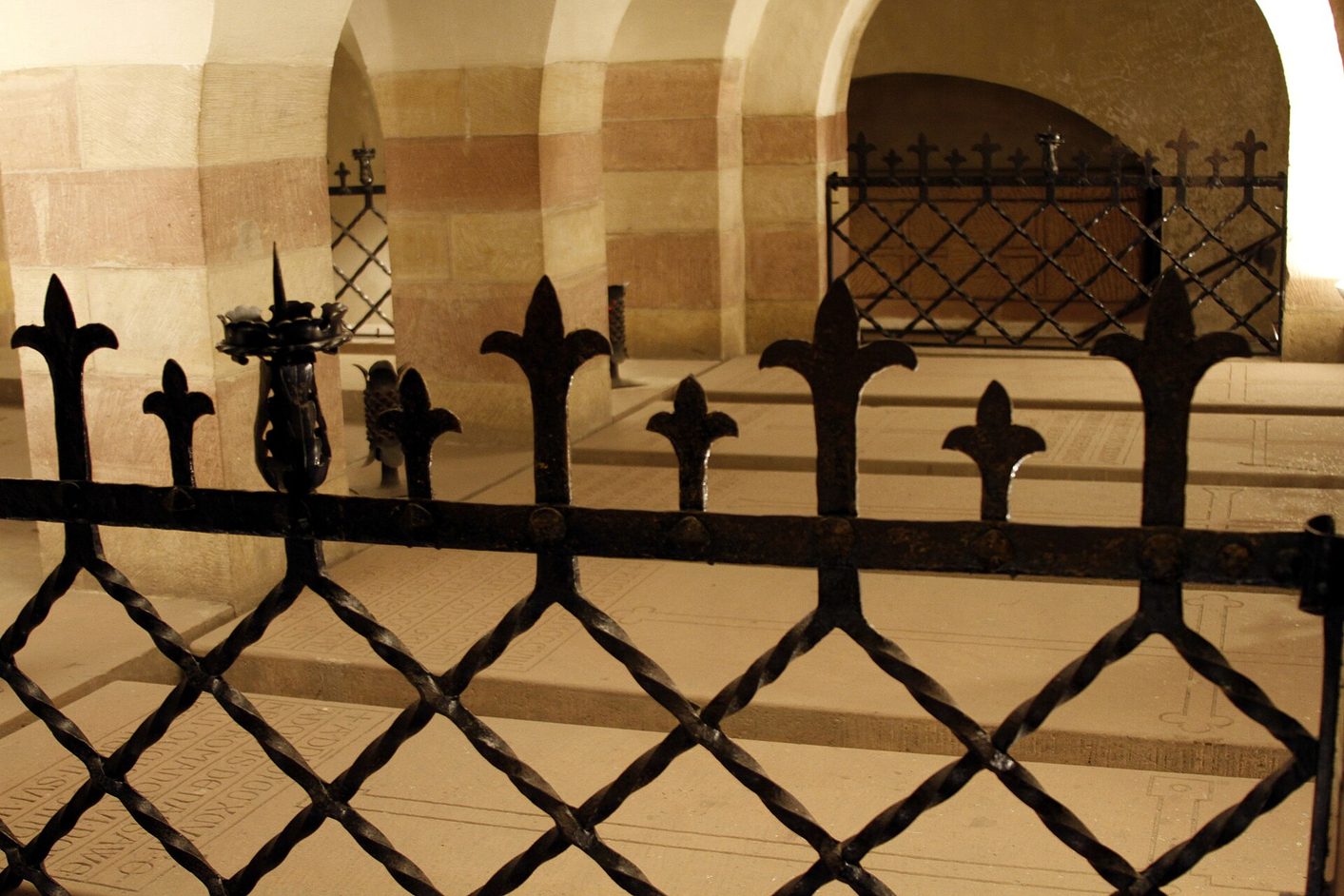
Under the choir and transepts is the crypt, consecrated in 1041: a forest of short columns and arches in alternating red and yellow sandstone, one of the largest Romanesque crypts in Europe. Beside it, in the burial vault, lie the emperors and kings, the last of them Albert I, who died in 1308.
The Kaisersaal and the tower
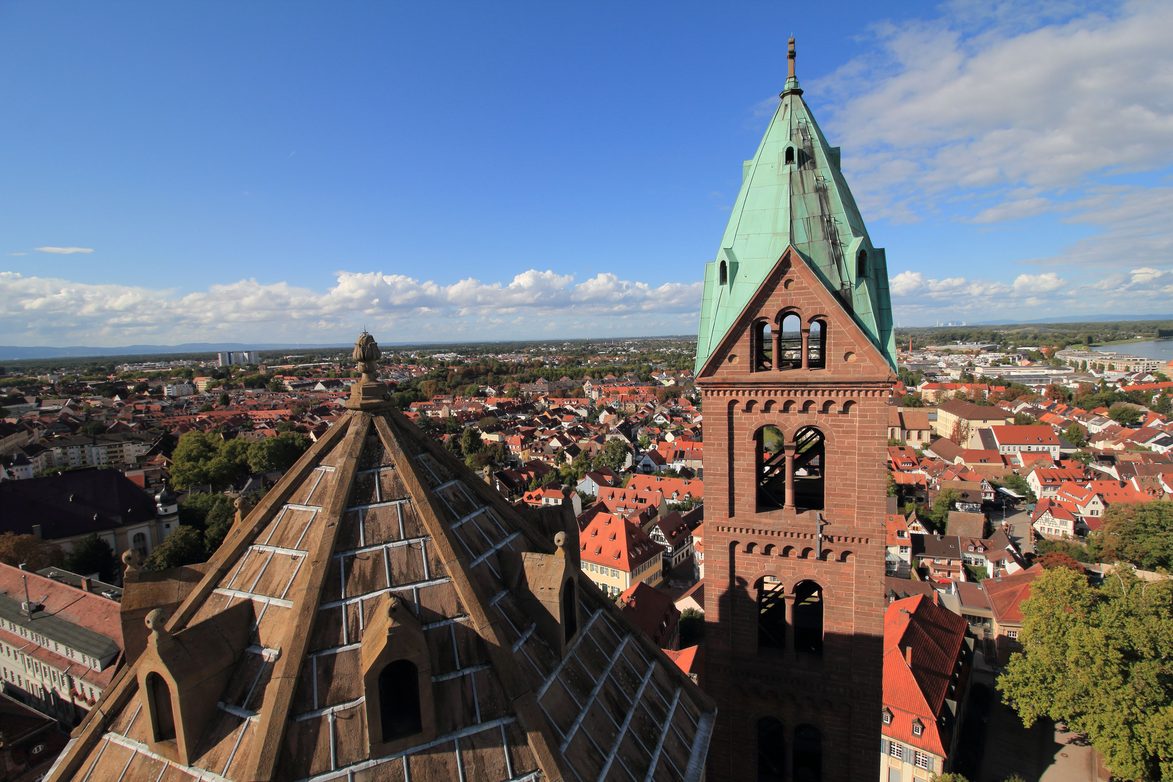
From April to October, stairs in the south-west tower lead up to the Kaisersaal, the Emperors’ Hall above the porch, where some of Johann Schraudolph’s nave frescoes now hang, and on to a viewing platform about 60 metres up, with views over the Rhine plain: 304 steps in all.
Tours and where to stay
Tours and hotels
Tickets, audio guides and tours are sold at the Dom-Info in the cathedral garden; tours in English can be booked ahead. Speyer makes an easy half-day from Heidelberg or Mannheim, but the old town is pleasant for a night.
The hotel link goes to Booking.com. This site earns nothing from it at present — it is here because it is the quickest way to check what is actually available.
Don’t miss
- The crypt Red and yellow sandstone, from 1041.
- The imperial tombs Eight emperors and kings.
- The Kaisersaal Schraudolph’s frescoes, in summer.
- The tower platform 304 steps, 60 metres up.
- The Domnapf The bishop’s wine bowl.
Insider tips
Walk round the outside too. The east end, with its apse and dwarf gallery, is the oldest and finest view of the cathedral; walk through the cathedral garden behind it towards the Rhine.
The Technik Museum, with its aircraft and space shuttle, is about ten minutes’ walk south of the cathedral. The Maximilianstraße, Speyer’s main street, runs straight from the cathedral to the Old Gate.
Common questions
Is Speyer Cathedral free?
Yes, the cathedral is free. The crypt and imperial tombs cost €4.50 (reduced €1.80), and the Kaisersaal with the tower platform €7, or €12.50 for both. Young children go free.
Who is buried in Speyer Cathedral?
Eight German emperors and kings: the four Salian emperors, Conrad II, Henry III, Henry IV and Henry V; Philip of Swabia; Rudolf I of Habsburg; Adolf of Nassau; and Albert I, as well as several empresses and queens.
Can you go up the tower?
Yes, from April to October: 304 steps, with no lift, lead up through the Kaisersaal to a viewing platform about 60 metres up in the south-west tower. It is closed to individual visitors from November to March.
What is the Domnapf?
The great stone bowl in front of the cathedral, which marked the boundary between the bishop’s territory and the city’s. Each new bishop had to fill it with wine for the people of Speyer.
Are there tours in English?
Yes: tours in English and other languages can be booked in advance; there is also an audio guide from the Dom-Info in the cathedral garden.
Where to stay and eat nearby
The old town has hotels, wine bars and restaurants along the Maximilianstraße, and Heidelberg is under an hour away.
More churches in Germany
- Cologne Cathedral — further down the Rhine.
- Aachen Cathedral — Charlemagne’s chapel, where German kings were crowned.