
Dorchester Abbey
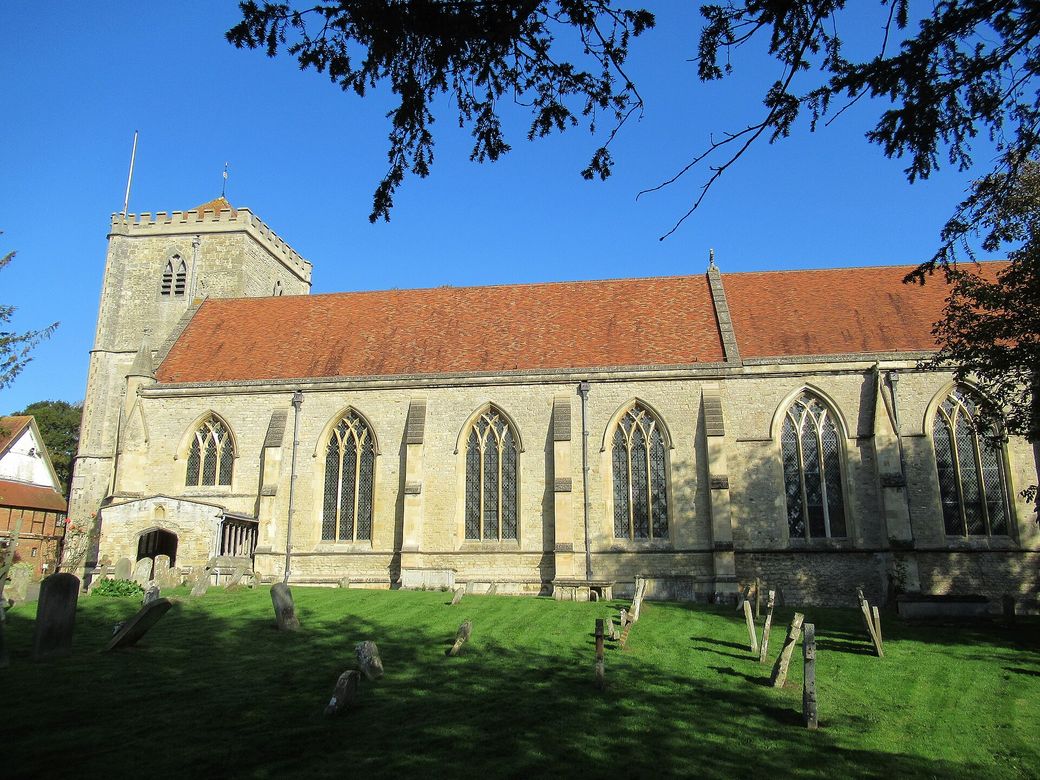
Dorchester-on-Thames is a quiet village of thatch and timber, but in 635 it was where Christianity came to the West Saxons, and on and off for four centuries it was the seat of a bishop. The great abbey church that grew up on the site of the Saxon cathedral survived the Dissolution because one man paid £140 for it. Its Jesse window, where the stone itself becomes a tree, is unlike anything else in England.
Birinus, the bishops and the canons
In 635 Birinus, a missionary sent from Rome, baptised Cynegils, King of the West Saxons, at Dorchester, and the king gave him the town as the seat of his bishopric. Dorchester later became the seat of a great Mercian diocese, until the bishop moved to Lincoln in 1085.
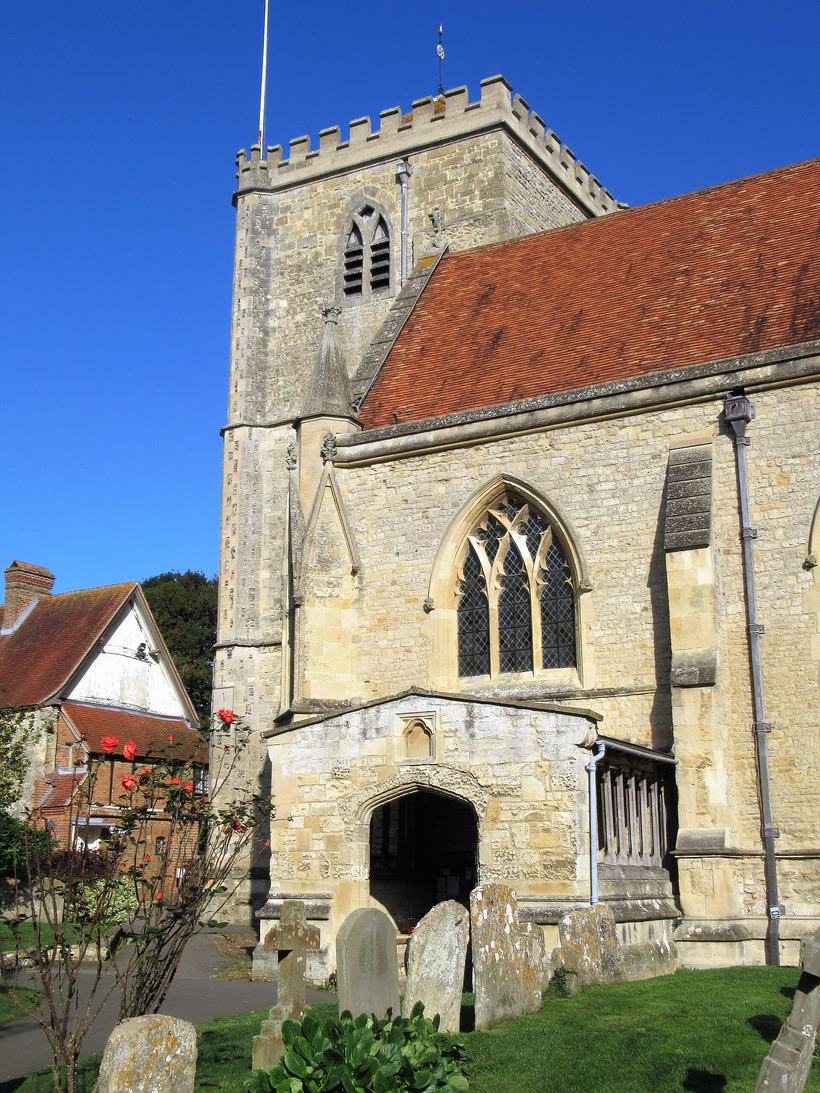
In 1140 Alexander, Bishop of Lincoln, founded an abbey of Augustinian canons here, and their church, enlarged in the thirteenth and fourteenth centuries, is the one that stands today. At the Dissolution the abbey was closed, but Richard Beauforest, a local man, paid the Crown £140 for the church and left it to the parish. The tower was rebuilt in 1602.
The visitor's cheat sheet
| Where | High Street, Dorchester-on-Thames, Oxfordshire, in the village centre |
|---|---|
| Getting there | Buses from Oxford; nearest stations Didcot and Oxford |
| Opening hours | Daily, usually 10am–4pm (Wednesdays from 10.30am). It may be unavailable during services, weddings, concerts or restoration work |
| Admission | Free |
| How long | 45 minutes to an hour |
| Best time | A summer afternoon at a weekend, when the museum and tea room are open |
| Dress code | No formal code; respectful dress as in any working church |
| Tours | Organised groups must book in advance through the Abbey office |
Hours and admission checked against the official site in October 2026. They change; the official site is always the last word.
Strings for Radiohead. The Abbey’s acoustics have drawn musicians as well as pilgrims: Radiohead recorded orchestral parts for their albums Kid A and Amnesiac here.
What to see, in the order you meet it
The nave and the font
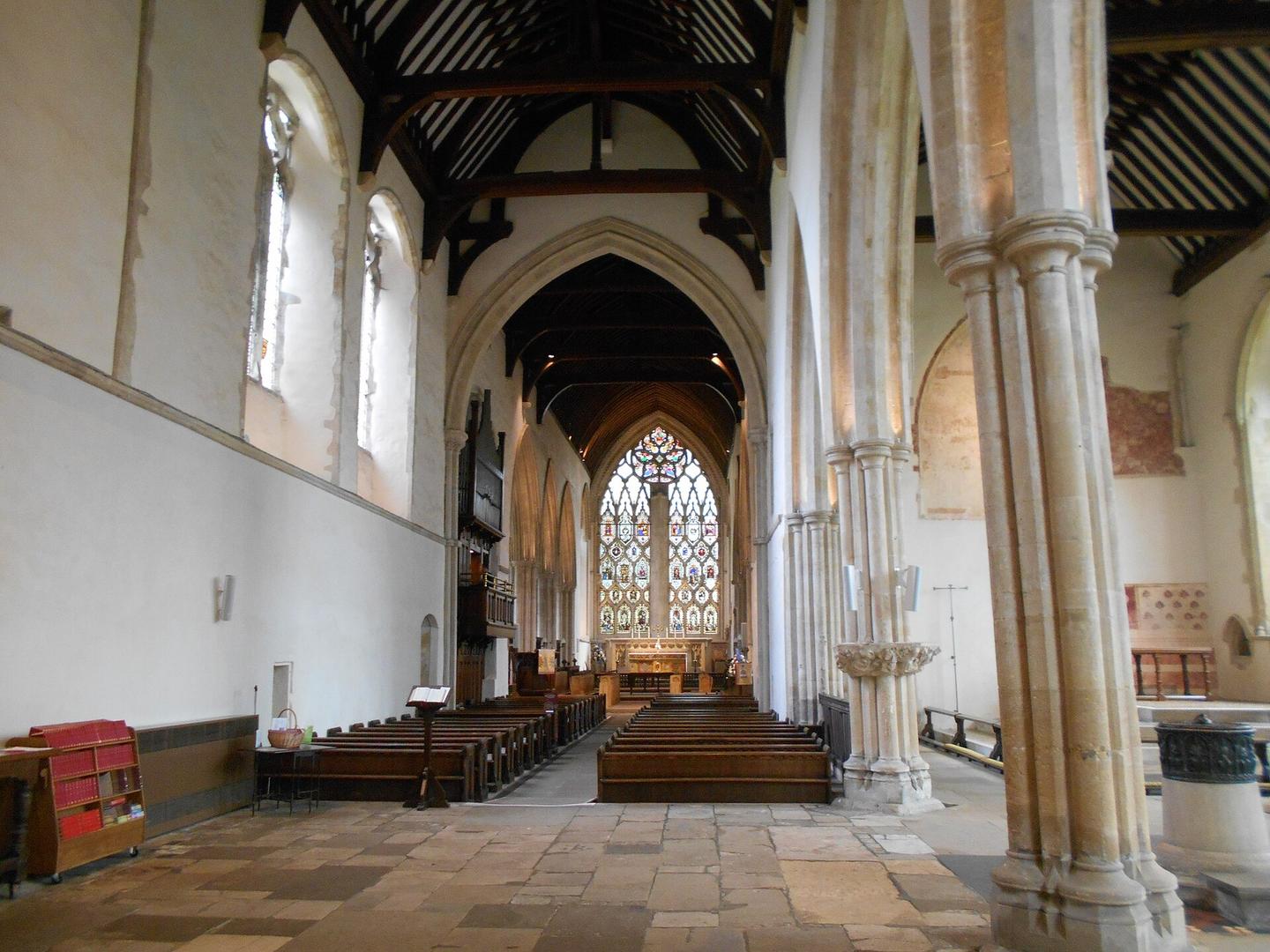
The long nave and its south aisle, where the parish worshipped, keep fragments of medieval wall painting. Look for the Norman lead font, cast about 1170, one of the few of its kind in England, with eleven figures of the apostles.
The sanctuary and the Jesse window
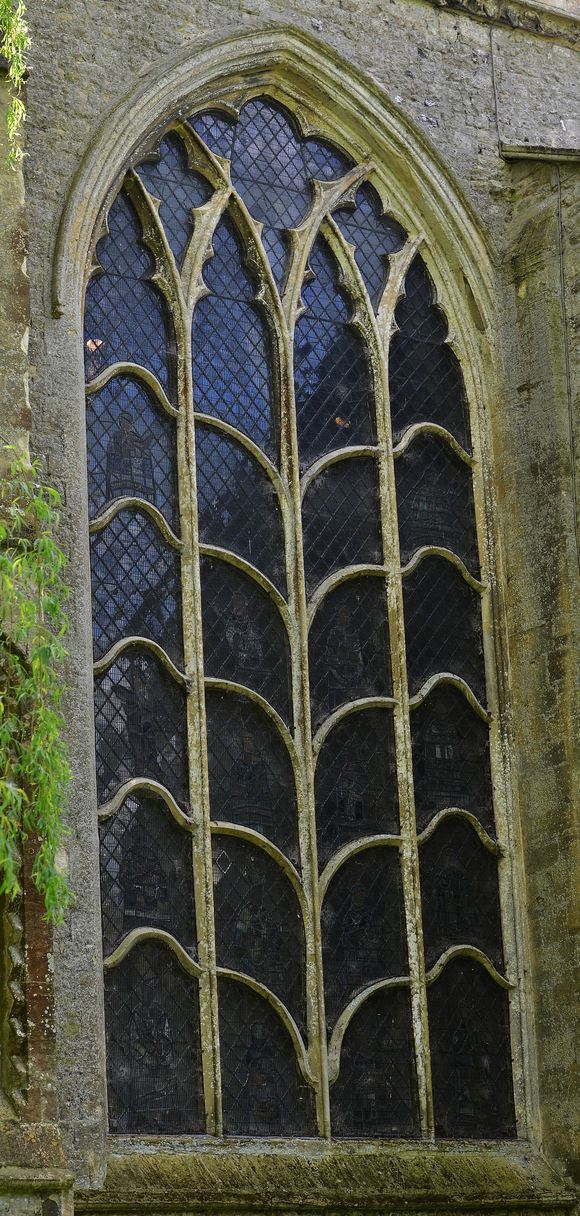
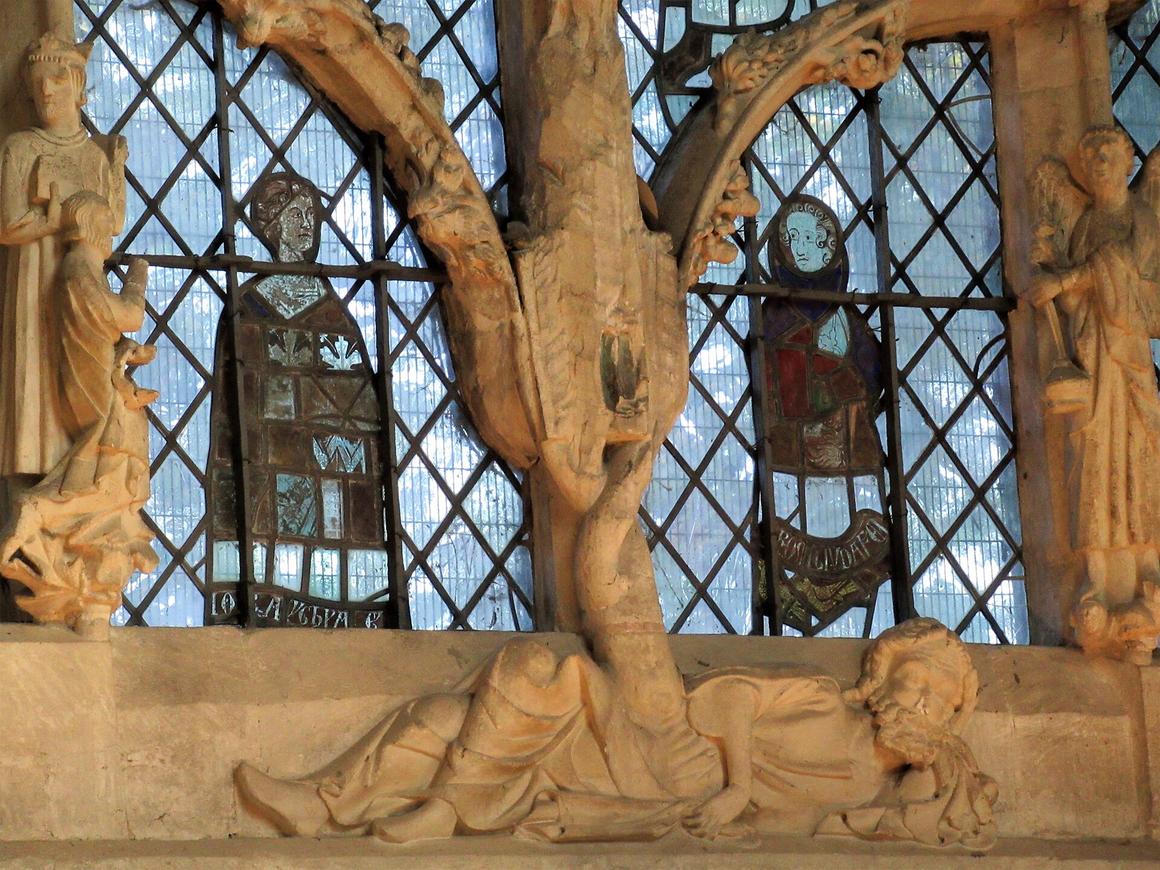
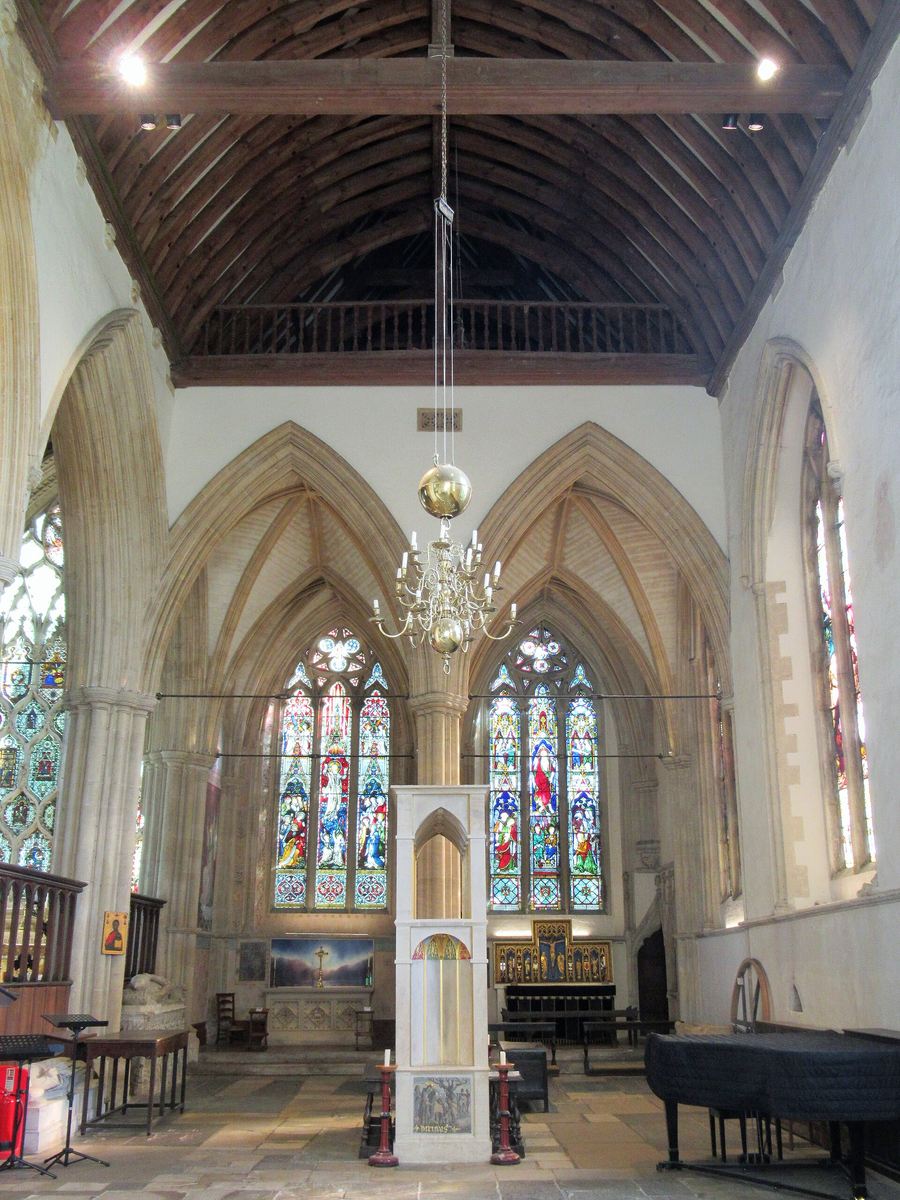
The sanctuary is the masterpiece of the fourteenth-century rebuilding. Its north window, of about 1340, is the Jesse window: the mullions and tracery are carved into the branches of a tree growing from the sleeping figure of Jesse, with stone figures of the ancestors of Christ standing on the branches and stained glass filling the spaces between. Opposite are the carved sedilia, the seats for the clergy.
The shrine and the knight
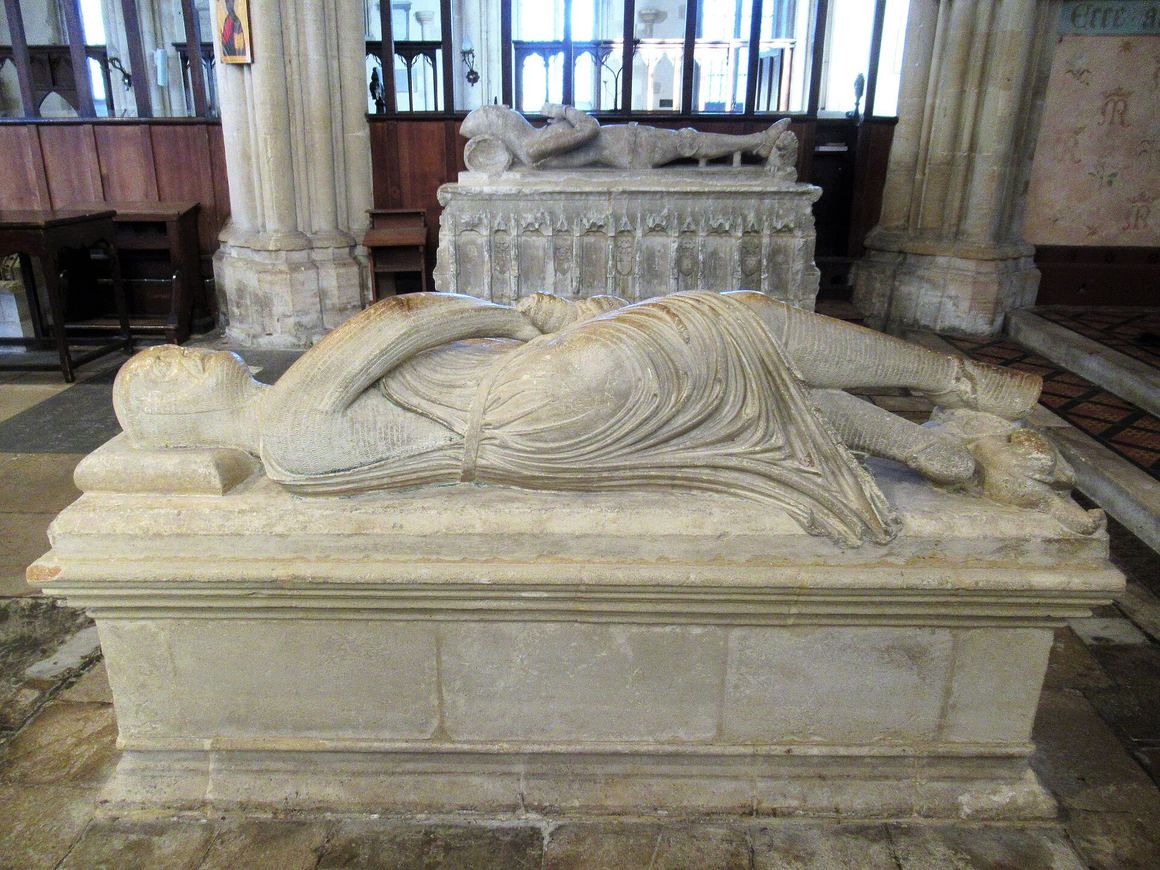
The shrine of St Birinus, destroyed at the Reformation, was rebuilt in the twentieth century incorporating surviving medieval fragments. Nearby lies one of the most lively effigies in England: a cross-legged knight twisting as he draws his sword, probably William de Valence the Younger, who died in 1282.
Tickets and tours
Free, every day
The Abbey is open 365 days a year, usually from 10am to 4pm, and entry is free. The Abbey Museum and tea room open from Easter Saturday to the end of September. Organised groups must book in advance by emailing the Abbey office.
The hotel link goes to Booking.com. This site earns nothing from it at present — it is here because it is the quickest way to check what is actually available.
Don't miss
- The Jesse window A family tree carved in stone tracery.
- The sedilia Fourteenth-century carved seats in the sanctuary.
- The lead font Norman, with the apostles.
- The knight Drawing his sword since the thirteenth century.
- St Birinus's shrine For the apostle of Wessex.
- The museum In the old Guest House, in summer.
Insider tips
Come in summer for the extras. The museum and tea room are open only from Easter to September, mainly in the afternoons. The Abbey itself is open all year, with full disabled access, a ramp, an accessible toilet and a hearing loop. Check the bookings calendar or ring before travelling, as concerts and weddings sometimes close it.
Dorchester is a pretty village on the Thame just above its meeting with the Thames, with old coaching inns on the High Street. The Iron Age ramparts of Dyke Hills and the Wittenham Clumps are a short walk away.
Common questions
Is Dorchester Abbey free to visit?
Yes. The Abbey is open every day of the year and entry is free.
What is the Jesse window?
A window of about 1340 in the sanctuary, in which the stone tracery itself is carved into the branches of the Tree of Jesse, the family tree of Christ, with sculpted figures standing on the branches and medieval glass between them. It is one of the most remarkable medieval windows in England.
Why was Dorchester the seat of a bishop?
In 635 St Birinus, sent from Rome to convert the West Saxons, baptised King Cynegils of Wessex here, and Dorchester became the seat of his bishopric. The see later served Mercia and was moved to Lincoln in 1085.
When is the museum open?
The Abbey Museum, in the old Guest House, opens from Easter Saturday to the end of September, on weekends, Wednesdays and Thursdays from 2pm to 5pm. The tea room keeps similar seasonal hours.
How do you get to Dorchester Abbey?
Dorchester-on-Thames is a village about nine miles south-east of Oxford, served by buses on the Oxford–Wallingford route. The nearest stations are at Didcot and Oxford.
Where to stay and eat nearby
The village has two old coaching inns, and Oxford and Abingdon are a short drive away.
More English churches
- Lincoln Cathedral — where Dorchester’s bishops went in 1085
- Winchester Cathedral — where Birinus’s see moved for Wessex
- St Albans Cathedral — another shrine rebuilt from fragments
See all the cathedrals and churches worth visiting in England →