
The Saxon Church of St Laurence, Bradford-on-Avon
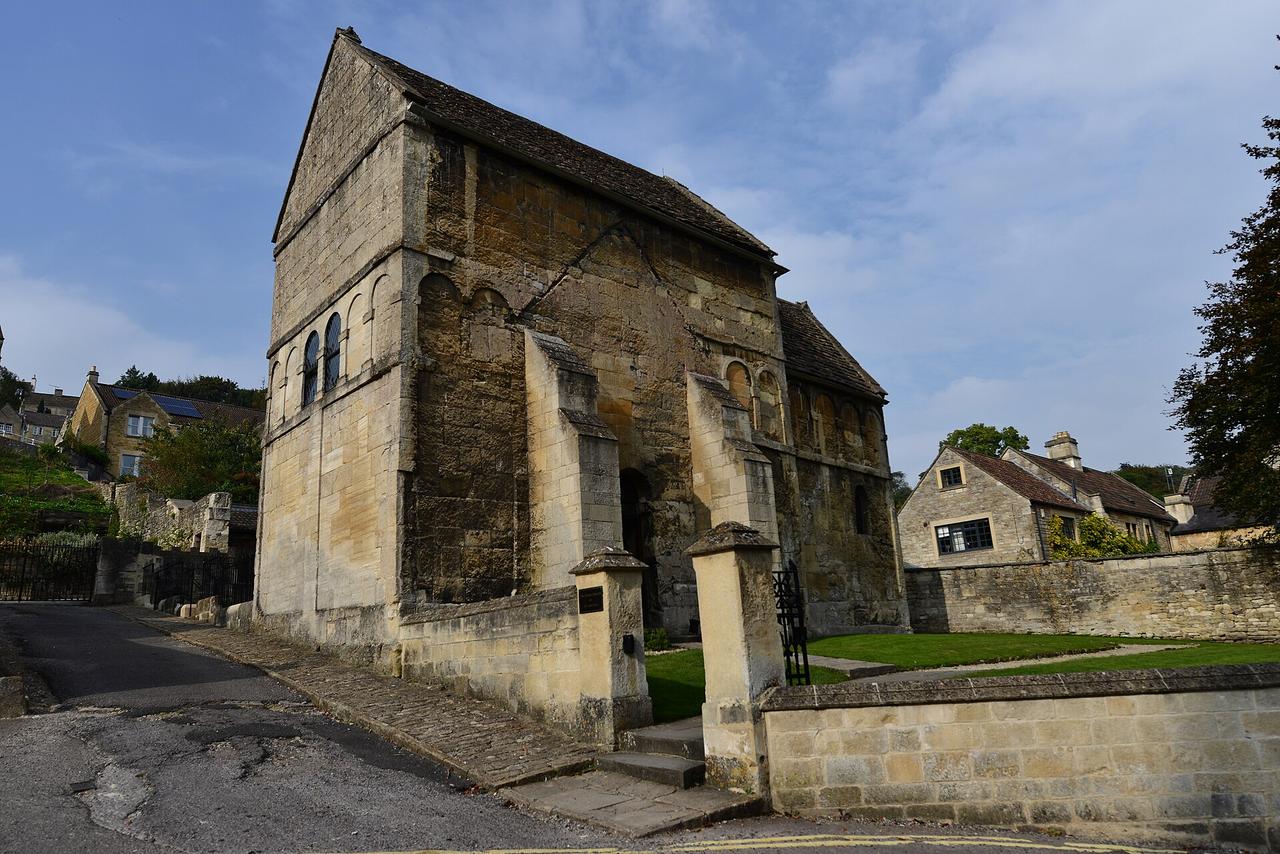
It is one of the smallest churches in this guide and one of the most remarkable: a tall, narrow stone chapel built before the Norman Conquest, which survived because everyone forgot it was there. For centuries it was a school and a cottage. Today the Saxon Church of St Laurence is one of the most complete Anglo-Saxon buildings in England, and still a place of worship.
A church that was lost and found
William of Malmesbury, writing in the 1120s, said that a little church built by St Aldhelm still stood at Bradford. Whether this is that church is debated: most experts now think the building dates from the late tenth or early eleventh century, perhaps after 1001, when King Æthelred the Unready gave Bradford to the nuns of Shaftesbury Abbey. They kept the relics of his murdered half-brother, King Edward the Martyr, and the chapel may have been built to shelter them.
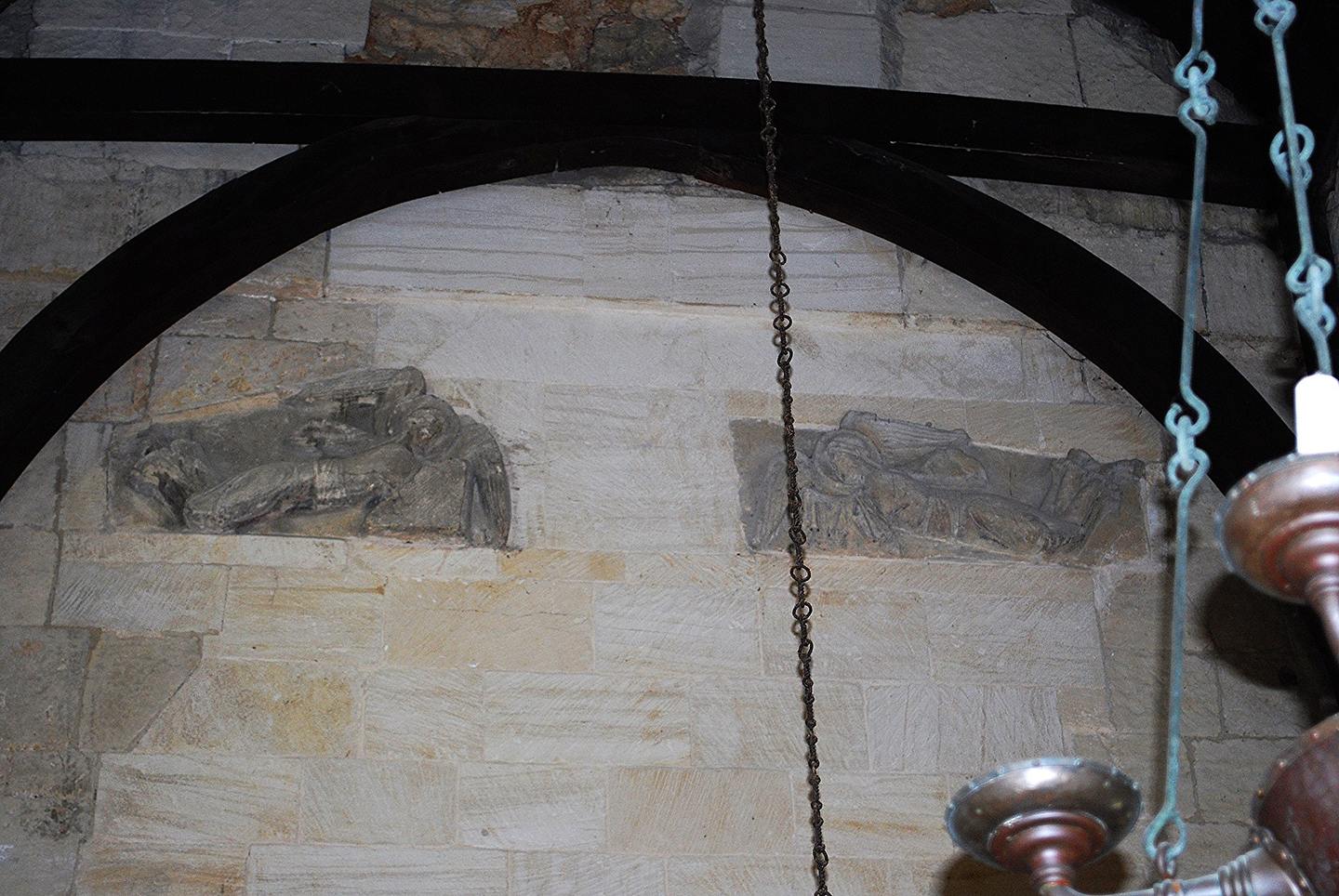
After the Middle Ages the building was swallowed by the town. The nave became a school, the chancel a cottage, and houses were built against it. In 1856 Canon William Jones, vicar of Holy Trinity, saw two carved angels uncovered above an old arch and realised what he was looking at. A trust bought the building, the later additions were stripped away, and it was restored between 1870 and 1880.
The visitor's cheat sheet
| Where | Church Street, Bradford-on-Avon, Wiltshire, BA15 1LN, next to Holy Trinity Church |
|---|---|
| Getting there | Bradford-on-Avon station is about 5 minutes’ walk; trains from Bath take about 15 minutes |
| Opening hours | Daily, usually 10am–6pm in summer and 10am–4pm in winter |
| Admission | Free |
| How long | About 20 minutes |
| Best time | Early or late in the day, when it is quiet |
| Dress code | No formal code; it is still used for services |
| Tours | No regular tours; the Tourist Information Centre in the town can advise |
Hours and admission checked against the official site in October 2026. They change; the official site is always the last word.
Small but tall. The nave is only about 25 feet long and 13 feet wide, but some 26 feet high inside. The proportions, steep and narrow, are typical of Anglo-Saxon churches, and they make the little building feel far larger than it is.
What to see, in the order you meet it
The outside walls
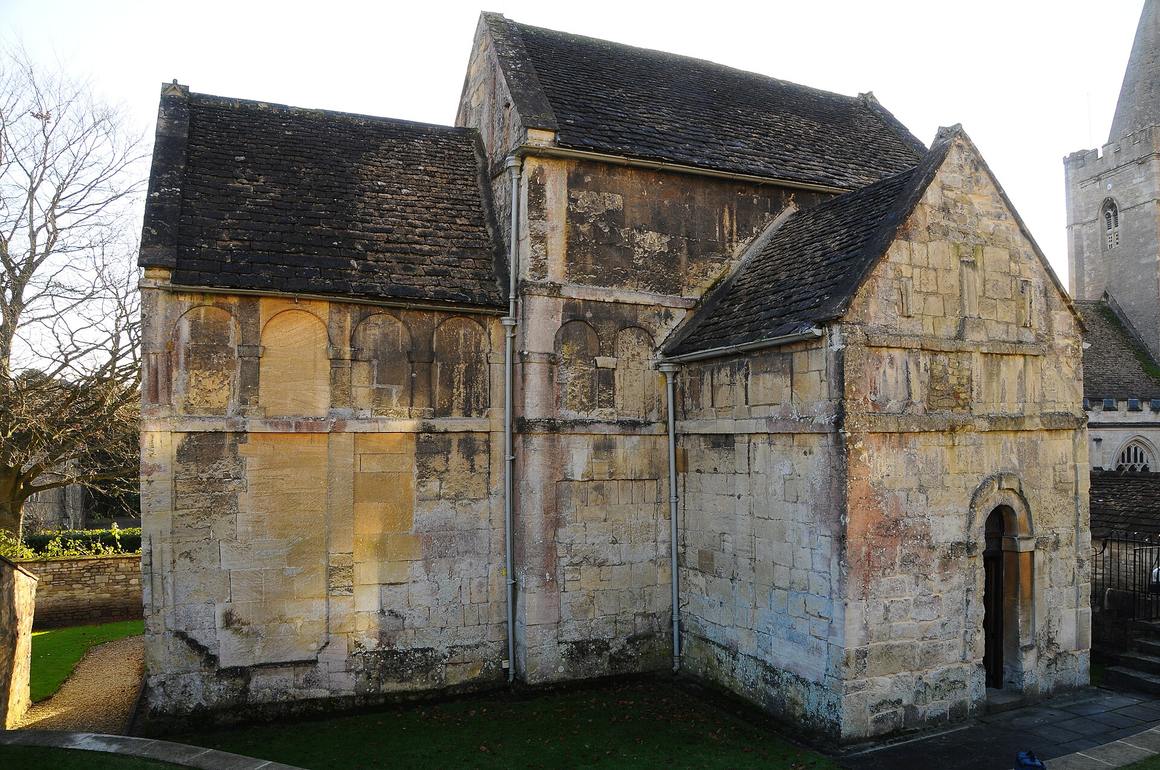
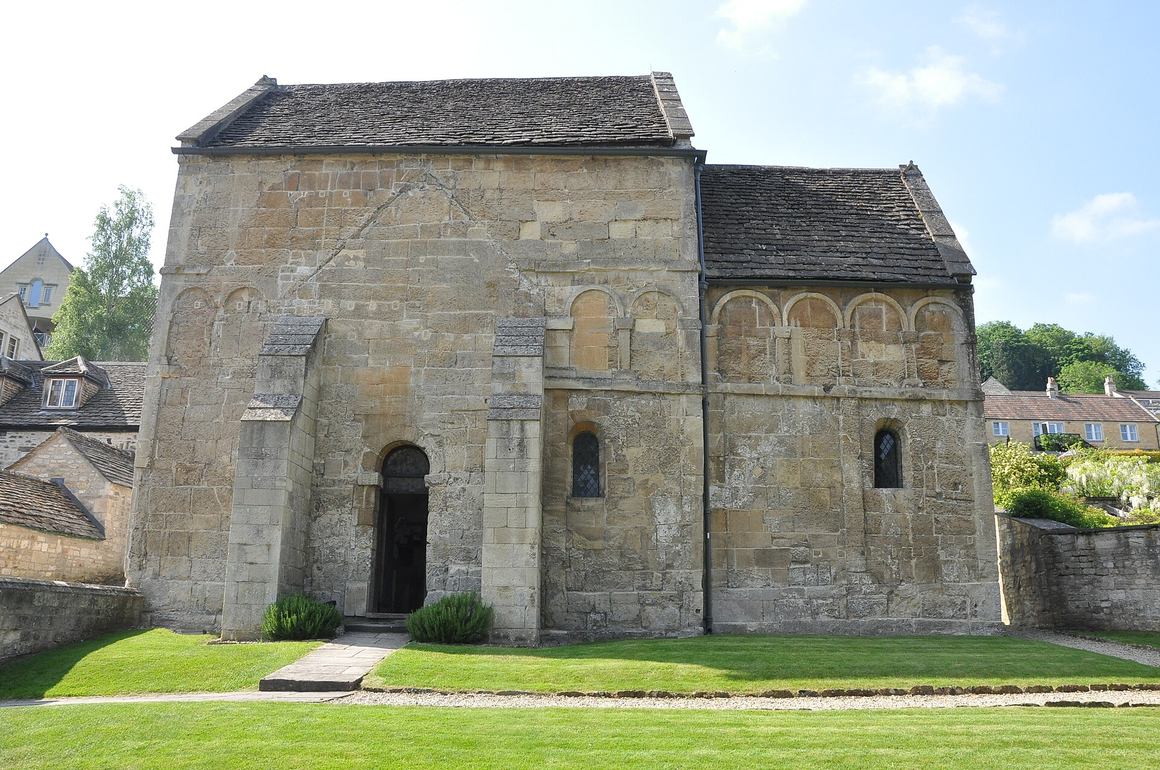
Walk round the church first. Nave, porch and chancel each have their own steep roof, and the upper walls are decorated with blind arcading: rows of shallow pilasters and round arches, made by setting the stones forward from the wall. A matching porch on the south side has been lost.
The nave and the chancel arch
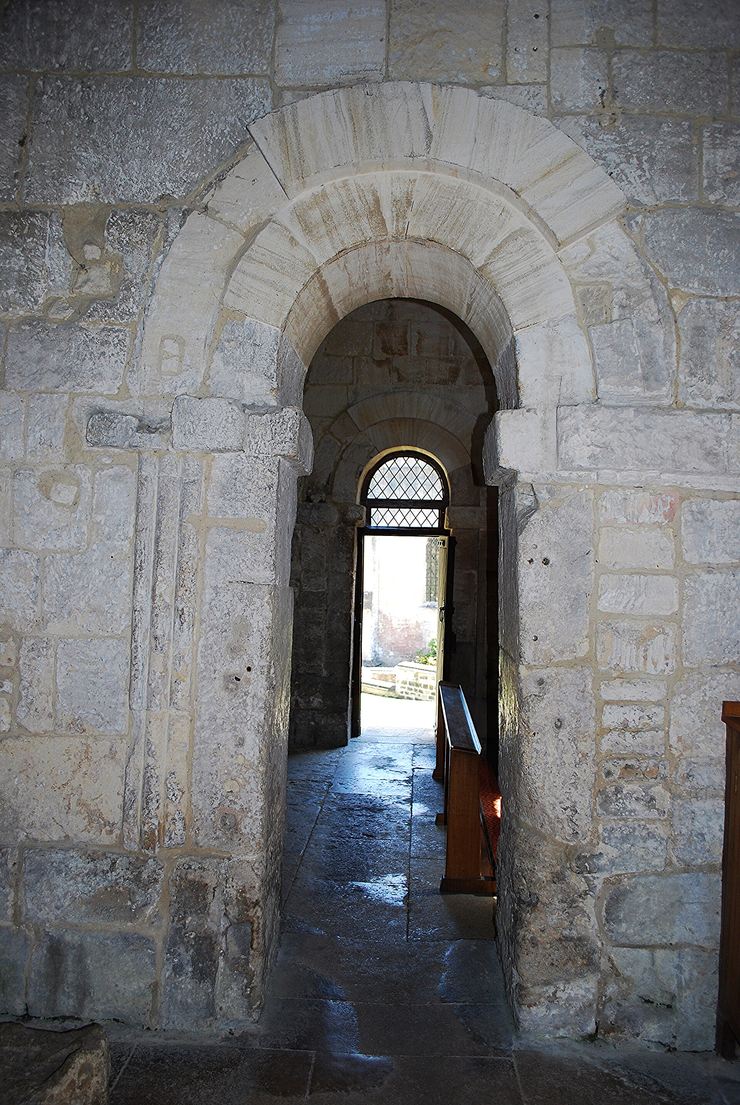
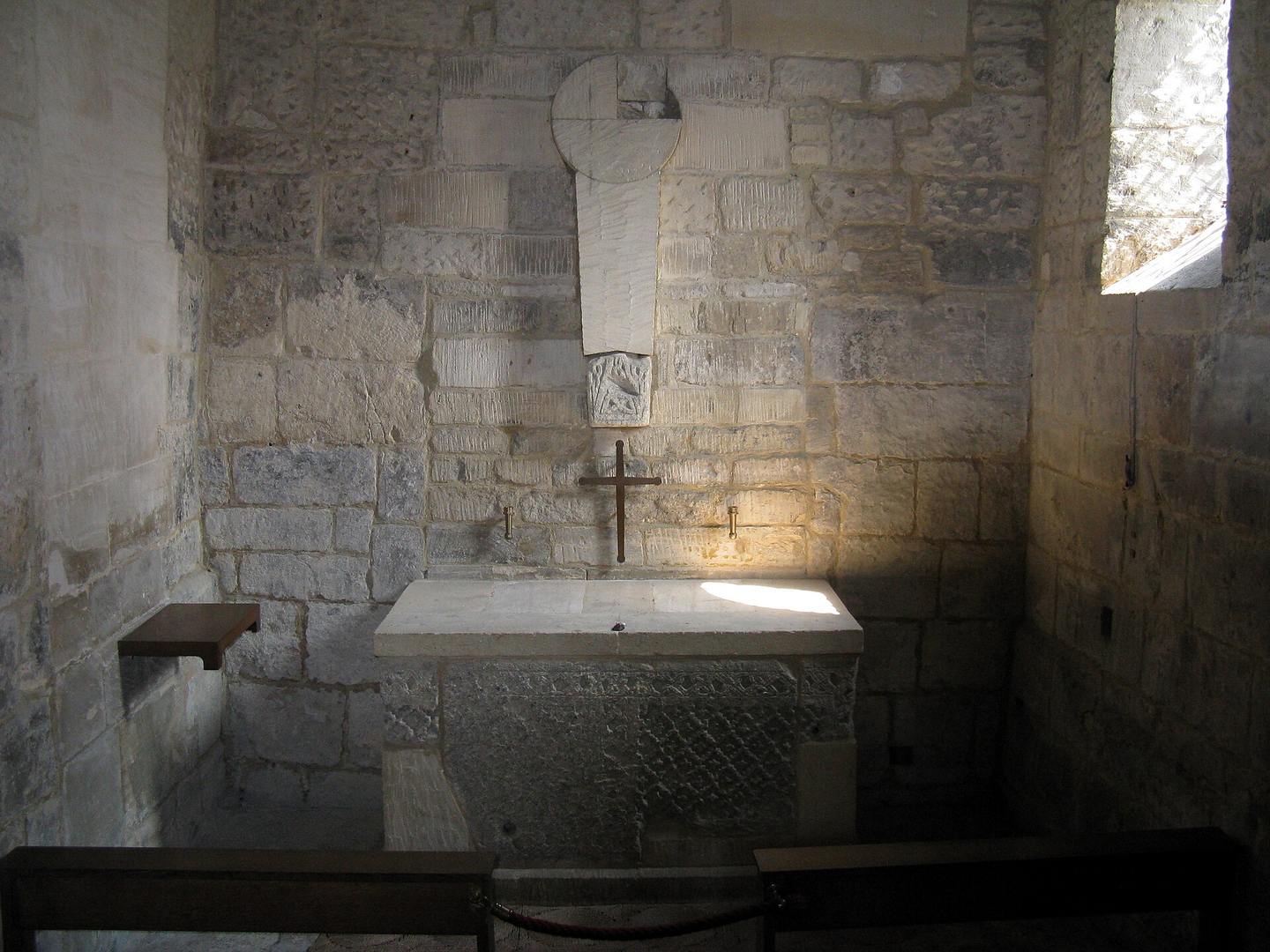
Inside, the nave is tall, bare and cool. The chancel arch is tiny, barely wider than a doorway, a sign of how the Anglo-Saxons divided the priest’s space from the people’s.
The angels
High on the wall above the chancel arch are two carved angels, flying horizontally with their robes streaming behind them. They probably flanked a large Crucifixion, now lost, and they are among the finest pieces of Anglo-Saxon sculpture still in their building.
Tickets and tours
Free, every day
There is no entry fee and no booking. The church is open daily, usually 10am to 6pm in summer and 10am to 4pm in winter, and is still used for services by the congregation of Holy Trinity and other Christian groups.
The hotel link goes to Booking.com. This site earns nothing from it at present — it is here because it is the quickest way to check what is actually available.
Don't miss
- The angels Anglo-Saxon sculpture above the chancel arch.
- The blind arcading Pre-Conquest decoration on the outer walls.
- The chancel arch One of the narrowest you will ever walk through.
- Holy Trinity The Norman parish church across the lane.
- The Tithe Barn A vast fourteenth-century barn by the river.
- The Town Bridge With its tiny domed lock-up.
Insider tips
Make a morning of the town. The Saxon Church takes only minutes to see, but Bradford-on-Avon rewards a slow walk: up the steep lanes of weavers’ cottages, down to the river, across the medieval Town Bridge and along the towpath to the Tithe Barn. Bath is fifteen minutes away by train.
Holy Trinity, the larger parish church a few steps away, is Norman in origin and worth a look inside. It was its vicar who recognised the Saxon Church in 1856, and its congregation still worships in the little building today.
Common questions
Is the Saxon Church free to visit?
Yes. There is no entry fee. It is open every day, usually 10am to 6pm in summer and 10am to 4pm in winter.
How old is the Saxon Church?
Its exact date is debated. A monastery here is said to have been founded by St Aldhelm about 700, but most experts now date the building to the late tenth or early eleventh century, perhaps after 1001, when King Æthelred gave Bradford to the nuns of Shaftesbury.
How was it rediscovered?
For centuries the building was hidden among houses and used as a school and a cottage. In 1856 Canon William Jones, vicar of Holy Trinity, recognised it as Saxon after two carved angels were found above the chancel arch, and it was restored between 1870 and 1880.
How long does a visit take?
About 20 minutes. The church is tiny, so combine it with Holy Trinity across the lane, the Town Bridge with its lock-up and the Tithe Barn.
How do you get to the Saxon Church?
Bradford-on-Avon station is about five minutes’ walk, on the line between Bath and Westbury. The church is on Church Street, just below Holy Trinity.
Where to stay and eat nearby
The town has old inns, cafés and tea rooms, and Bath is a short train ride away.
More English churches
- Bath Abbey — fifteen minutes away by train
- Malmesbury Abbey — St Aldhelm’s other foundation
- Sherborne Abbey — where Aldhelm was the first bishop
See all the cathedrals and churches worth visiting in England →