
St Laurence's, Ludlow
Ludlow is one of the best-preserved small towns in England, and its parish church stands at the top of it, with a tower you can see for miles. St Laurence’s is the largest parish church in Shropshire and was rebuilt on a grand scale when the town was rich from wool and the seat of the Council of Wales and the Marches. Inside are medieval glass, a superb set of misericords, and the heart of a prince.
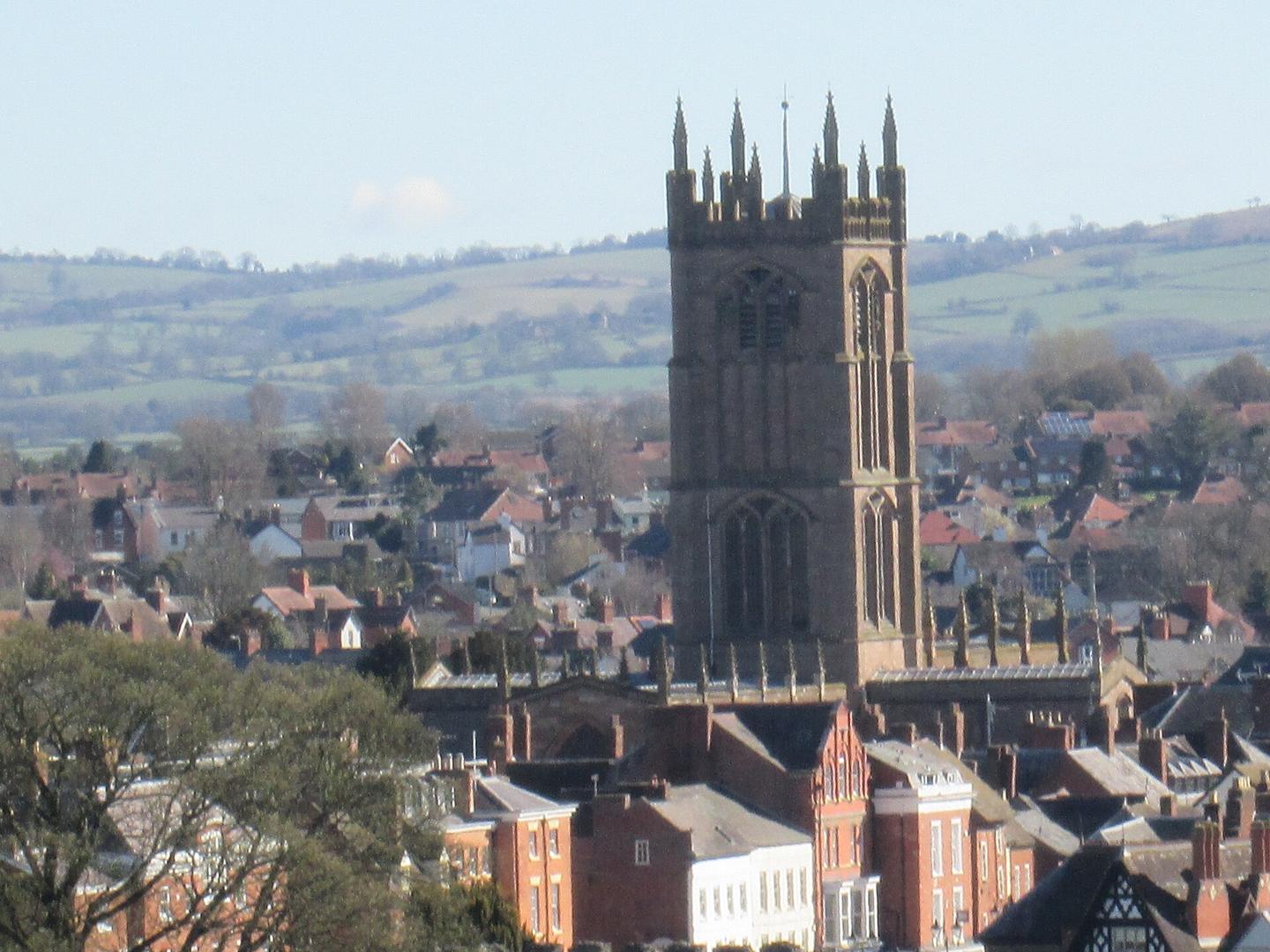
The cathedral of the Marches
A church has stood here since the Normans laid out Ludlow in the late eleventh century. It was rebuilt in 1199, and again, almost entirely, between about 1433 and 1471, when the town was prospering from the wool and cloth trade. The Palmers’ Guild, a rich religious fraternity, paid for much of the work and had its own chapel in the church.
Ludlow Castle was the seat of the Council of Wales and the Marches, and the church filled with the monuments of its officials. When Arthur, Prince of Wales, Henry VIII’s elder brother, died at the castle in 1502, his heart (in fact probably his internal organs) was buried in the chancel; his body went to Worcester Cathedral. In 1540 John Leland called the church “very Fayre and large and richly adorned and taken for the Fayrest in all these parts”.
The visitor's cheat sheet
| Where | College Street, Ludlow, Shropshire, SY8 1AN, at the top of the town by the market square |
|---|---|
| Getting there | Ludlow station is about 10 minutes’ walk; trains from Shrewsbury and Hereford |
| Opening hours | Mon–Sat 10am–5pm; Sun 11am–5pm. Parts may be closed during services and events |
| Admission | Free; suggested donation £3. Tower climb £5 adults, £3 juniors (8 and over) |
| How long | About 1 hour, more with the tower |
| Best time | A clear weekday, for the view from the tower |
| Dress code | No formal code; respectful dress as in any working church |
| Tours | Group tours for 6 or more, £5 per person, booked through the church office |
Hours and admission checked against the official site in October 2026. They change; the official site is always the last word.
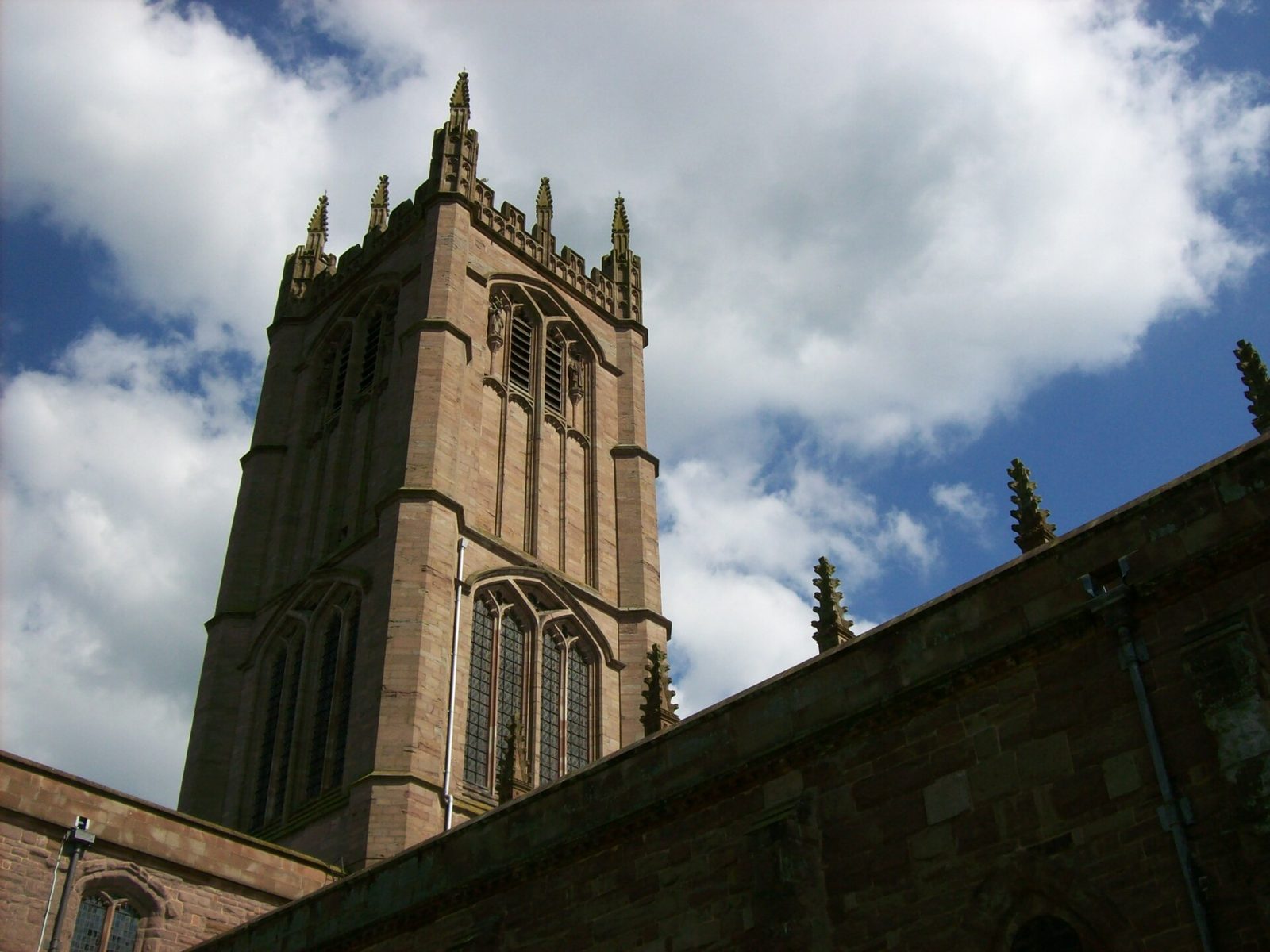
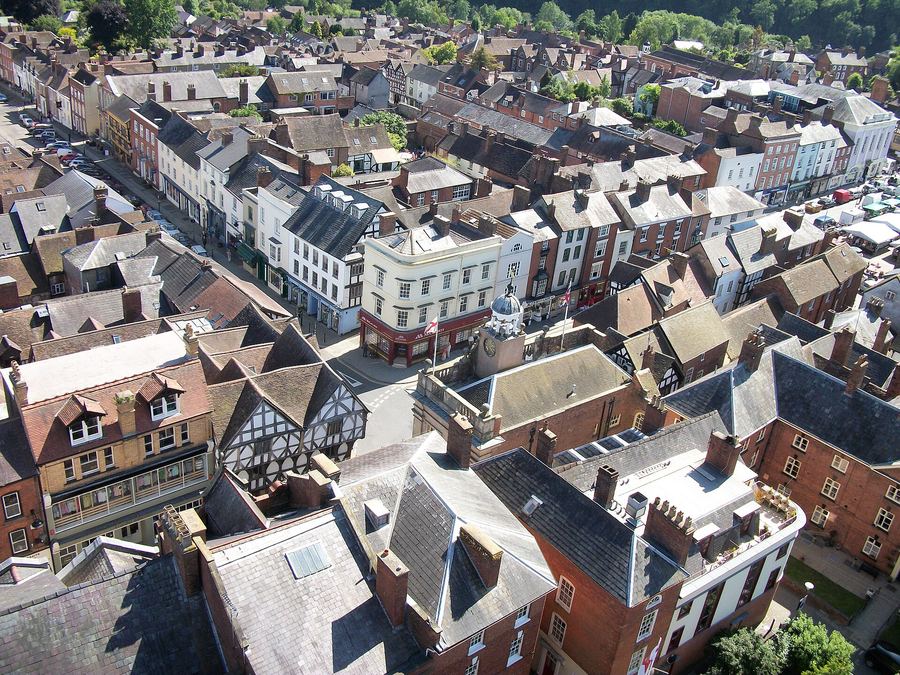
201 steps. The tower climb passes the ringing chamber and the bell chamber on its way up. From the top there are views over the castle, the Teme valley and, on a clear day, the hills of Shropshire and Wales.
What to see, in the order you meet it
The south porch
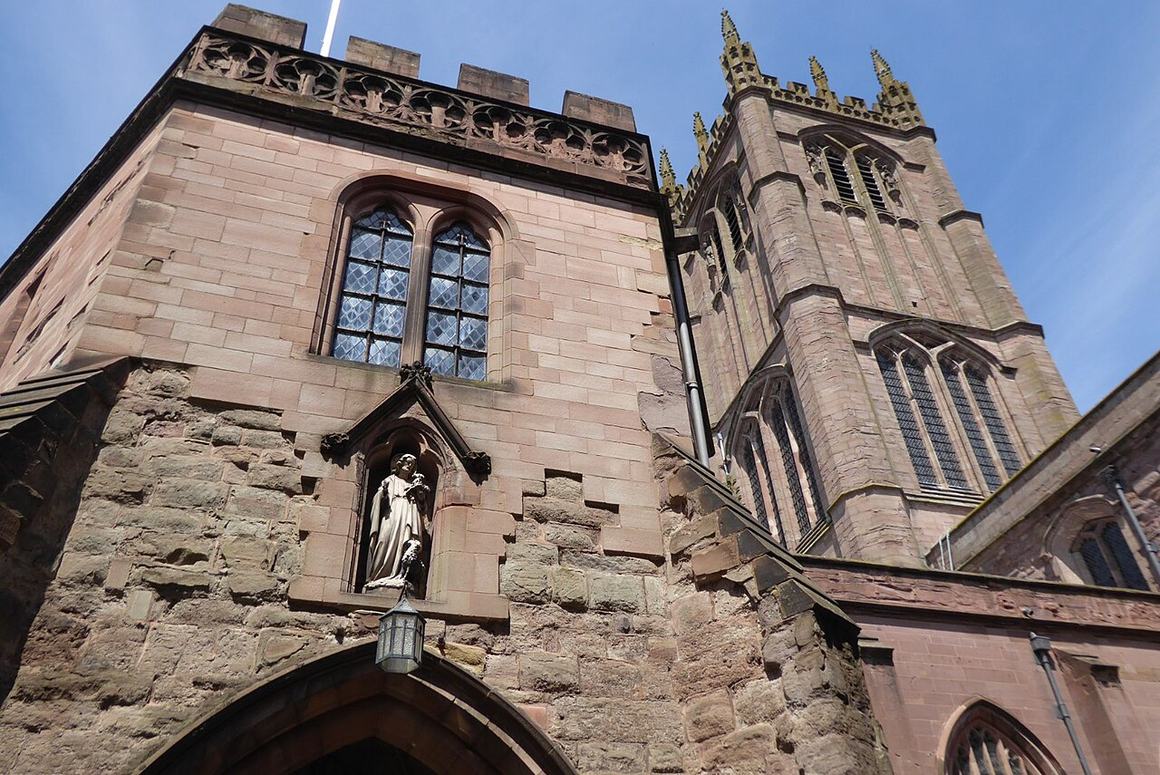
You enter by the fourteenth-century south porch, which is hexagonal: one of only three six-sided medieval porches in England. Above it is the Parvis room, which has been used as a small museum.
The nave and the crossing
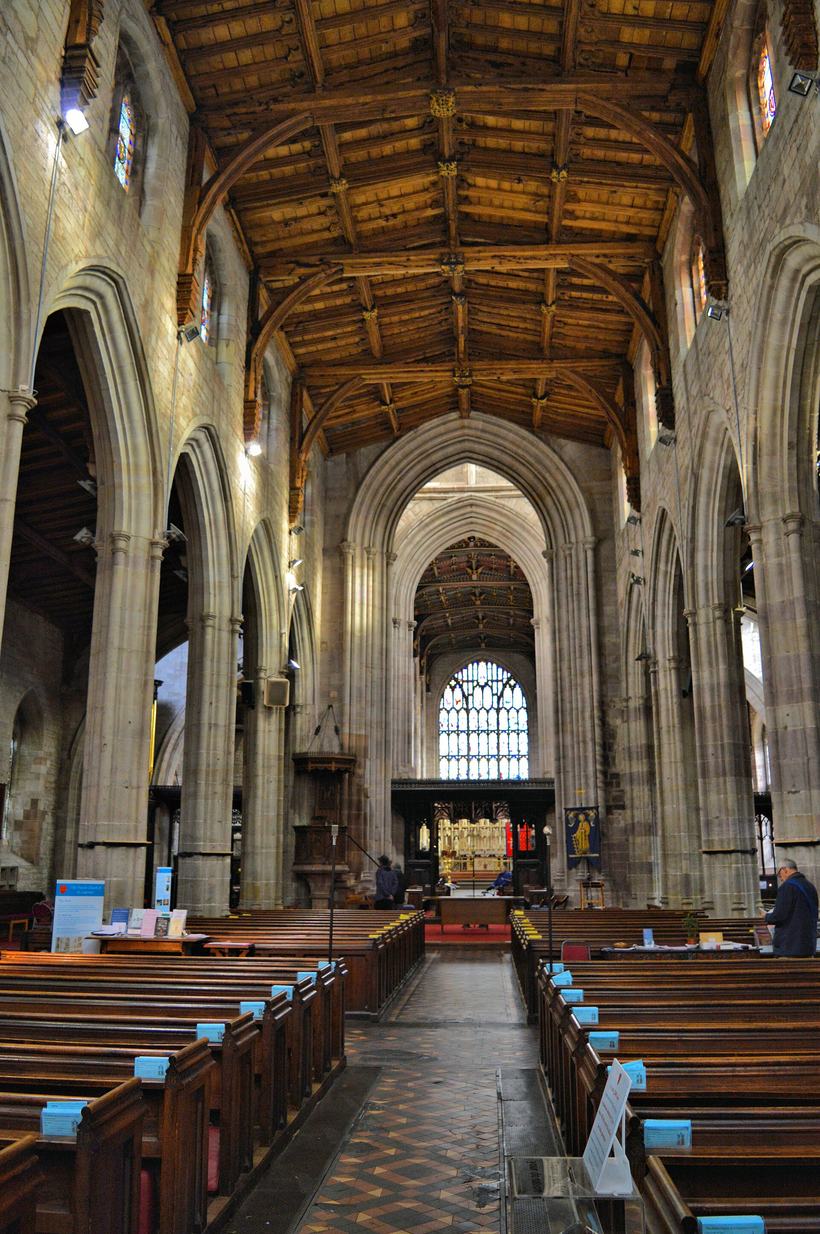
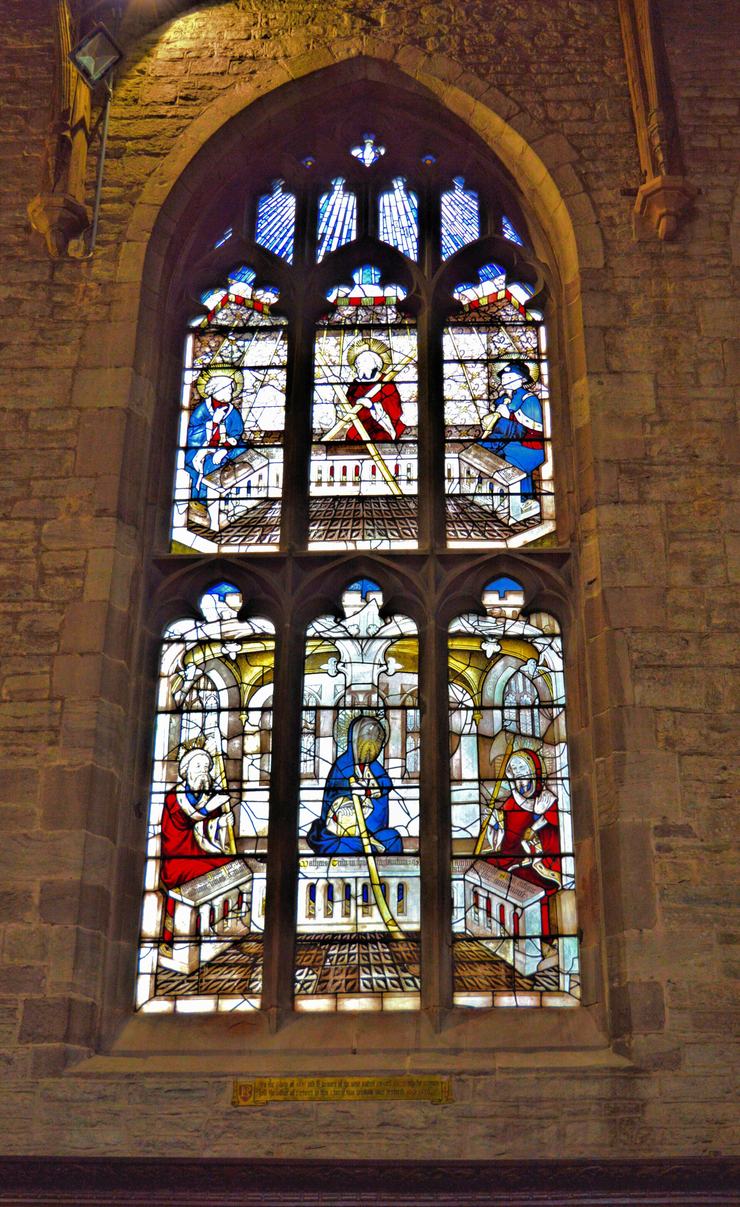
The nave is long and lofty, and the crossing under the tower is open to a fine stone vault high above. In St John’s Chapel, the chapel of the Palmers’ Guild, the Palmers’ Window tells the legend of Edward the Confessor and St John the Evangelist, which the guild adopted as its own story.
The chancel and the misericords
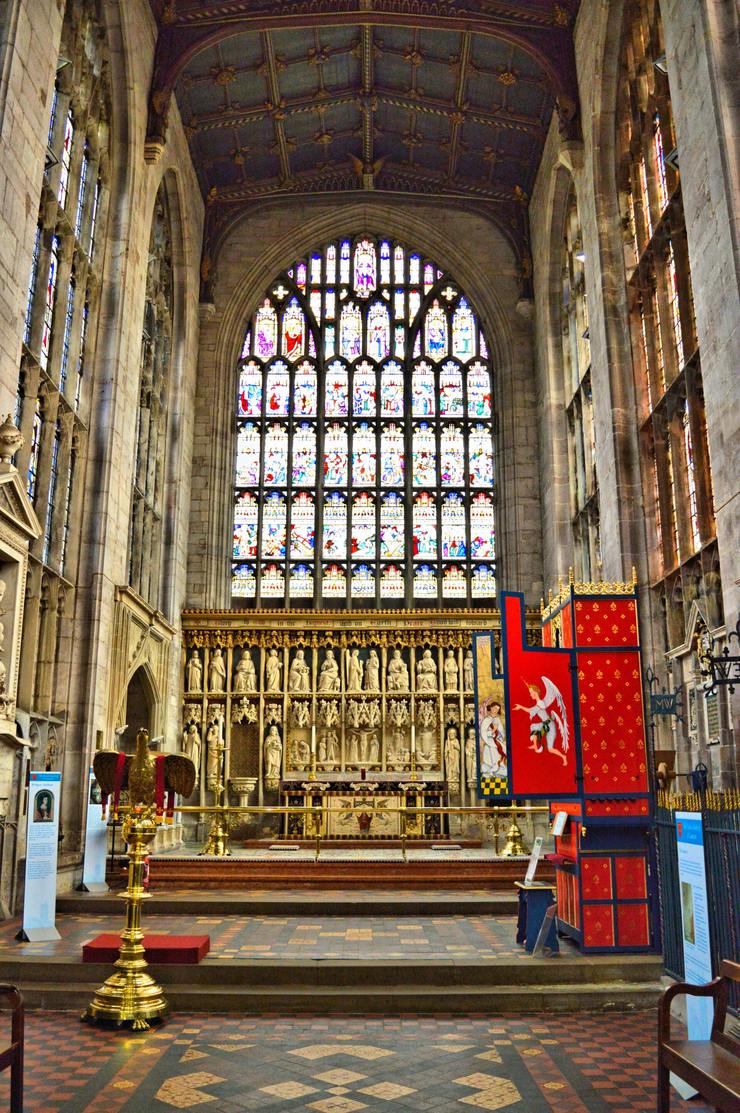
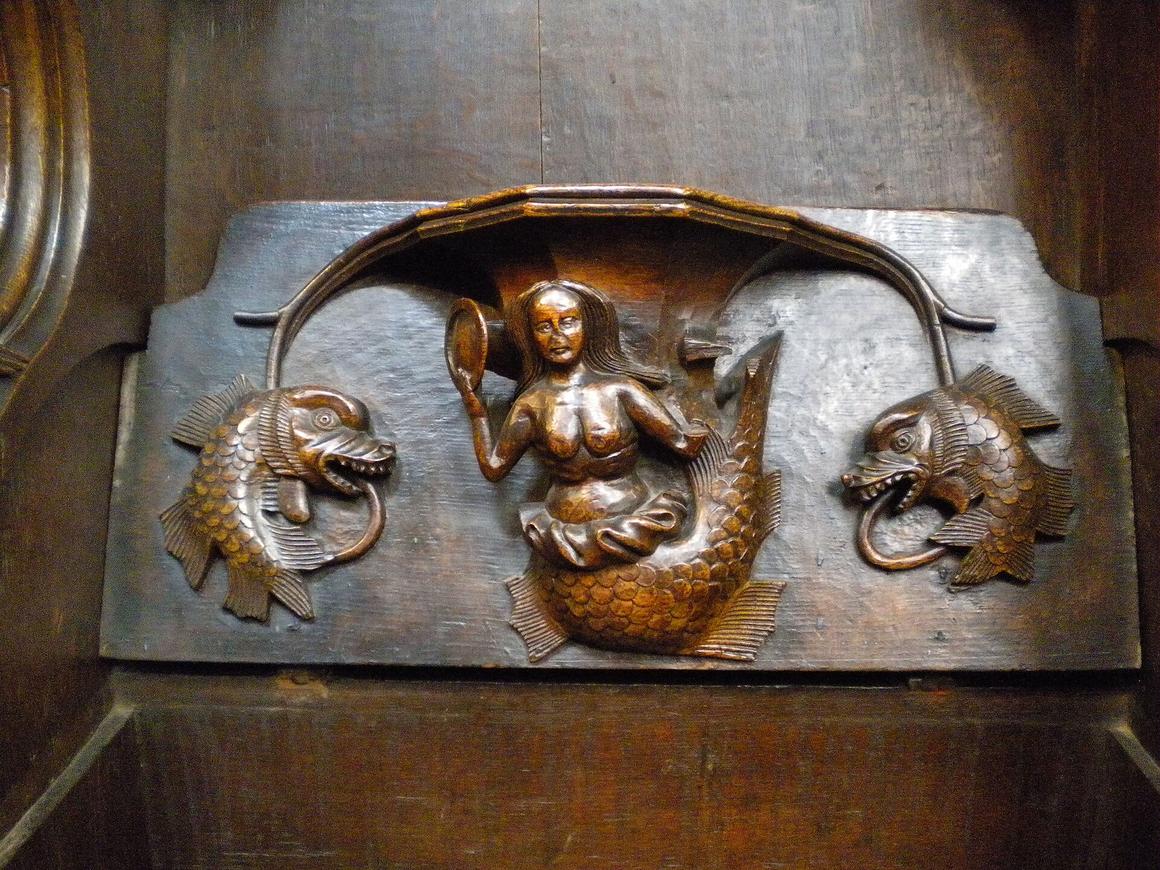
Up the steps, the chancel has its choir stalls of the fifteenth century, with twenty-eight carved misericords: a mermaid, a Green Man, wrestlers stripped to the waist, a man drawing ale and a cheating ale-wife carried off to hell by demons, one of them playing the bagpipes. The great east window shows the martyrdom of St Laurence, and the chancel is crowded with the tombs of the Council of the Marches.
Tickets and tours
Free church, £5 tower
Entry is free, with a suggested donation of £3 per adult. The tower climb costs £5 for adults and £3 for juniors aged 8 and over; ask a welcomer or at the shop. Groups of six or more can book a guided tour at £5 a head through the church office.
The hotel link goes to Booking.com. This site earns nothing from it at present — it is here because it is the quickest way to check what is actually available.
Don't miss
- The tower 201 steps to the best view in Ludlow.
- The misericords Medieval town life, carved in oak.
- The hexagonal porch One of only three in England.
- The Palmers’ Window The story of a medieval guild.
- The east window The martyrdom of St Laurence.
- Housman’s memorial Outside, by the north wall.
Insider tips
Combine it with the castle. Ludlow Castle is a few minutes’ walk away, and the market square between them has a market on most days. The nave is step-free from the south porch, with an accessible toilet; the chancel and chapels are up or down a few steps. There is coffee in the church.
Ludlow is famous for its food, with a long-running food festival in September, and its streets of timber-framed houses, among them the Feathers Hotel, are worth an hour of their own.
Common questions
Is St Laurence's free to visit?
Yes. Entry is free, with a suggested donation of £3 per adult towards the upkeep of the building.
Can you climb the tower?
Yes. It is 201 steps up a spiral stair, past the ringing chamber and the bells, to the best view in Ludlow. It costs £5 for adults and £3 for juniors, children must be 8 or over, and you ask a welcomer or at the shop to go up. The tower can close in bad weather.
What are misericords?
Hinged seats in the choir stalls with a small ledge underneath, for clergy to lean on during long services. The undersides were carved, and Ludlow’s fifteenth-century set shows mermaids, a Green Man, wrestlers, a dishonest ale-wife carried off to hell, and the badges of the kings of the day.
Who is buried at St Laurence's?
The heart of Prince Arthur, Henry VIII’s elder brother, who died at Ludlow Castle in 1502, was traditionally said to be buried in the chancel; in fact it was probably his internal organs. Outside, by the north wall, a plaque marks where the ashes of the poet A. E. Housman are buried.
How do you get to St Laurence's?
Ludlow station is about ten minutes’ walk, on the line between Shrewsbury and Hereford. The church stands at the top of the town, just off the market square, with the entrance by the south porch.
Where to stay and eat nearby
The town is full of inns, restaurants and cafés, and makes an easy base for the Welsh Marches.
More English churches
- Hereford Cathedral — the Mappa Mundi, half an hour south
- Worcester Cathedral — where Prince Arthur’s body lies
- St Mary Redcliffe — another of the three hexagonal porches
See all the cathedrals and churches worth visiting in England →