
Cathedral of St Domnius, Split
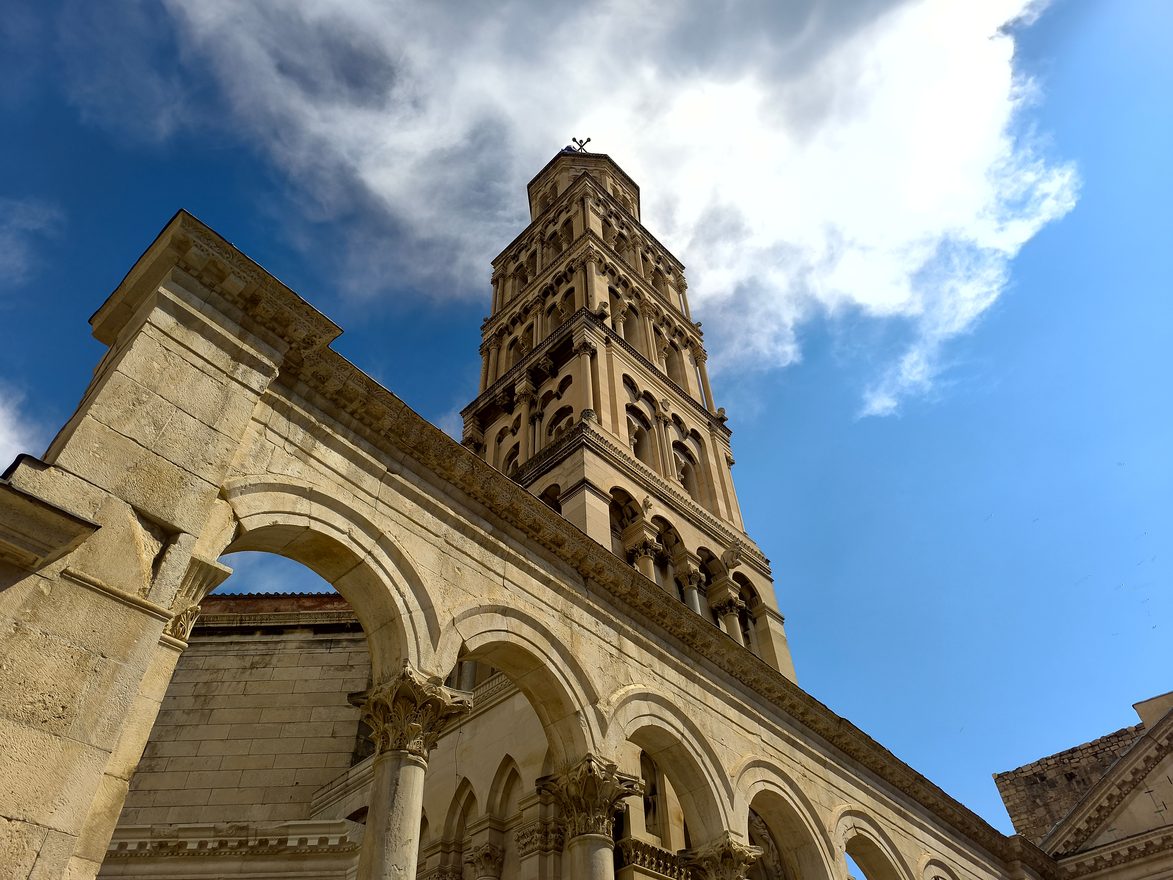
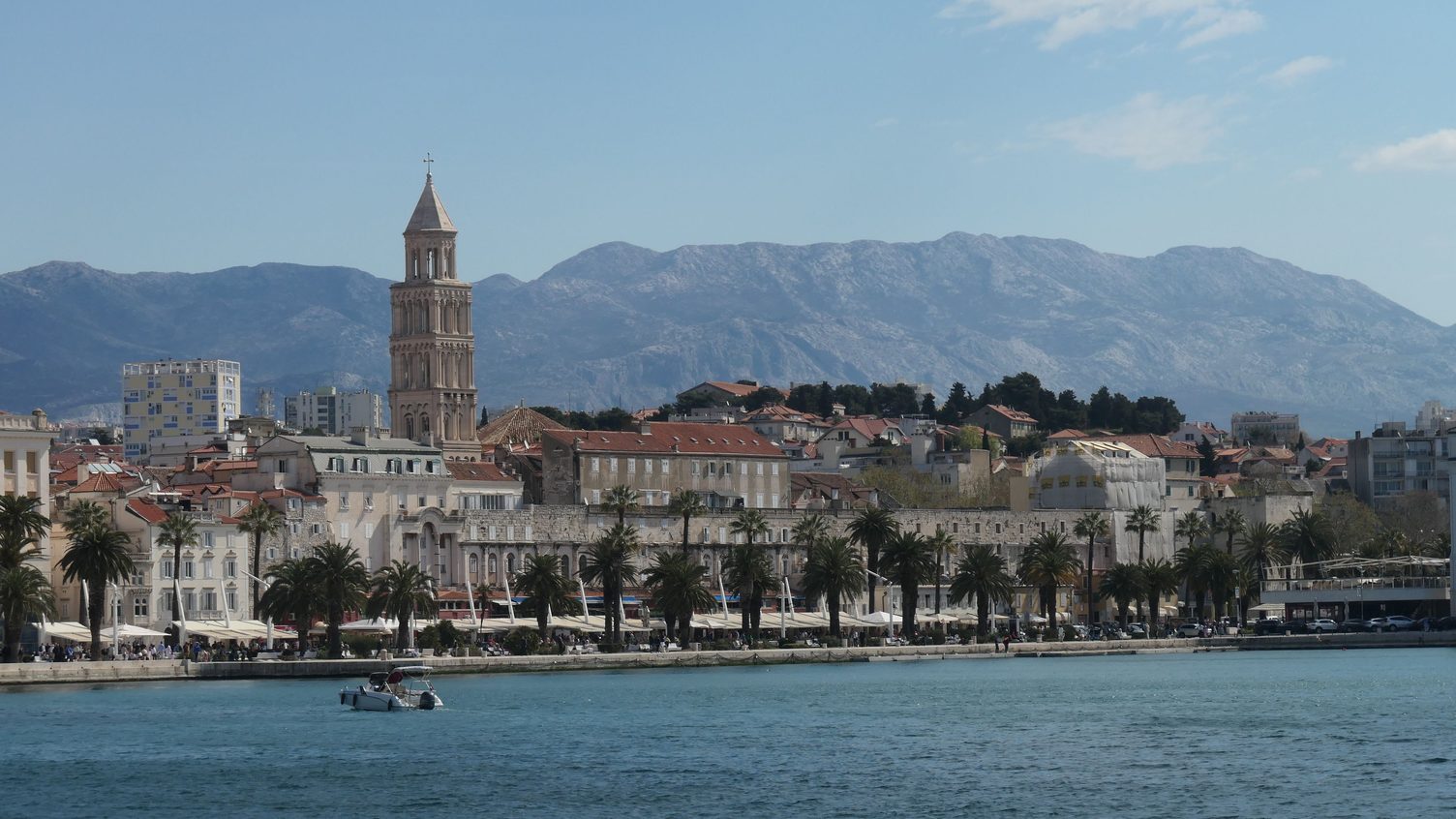
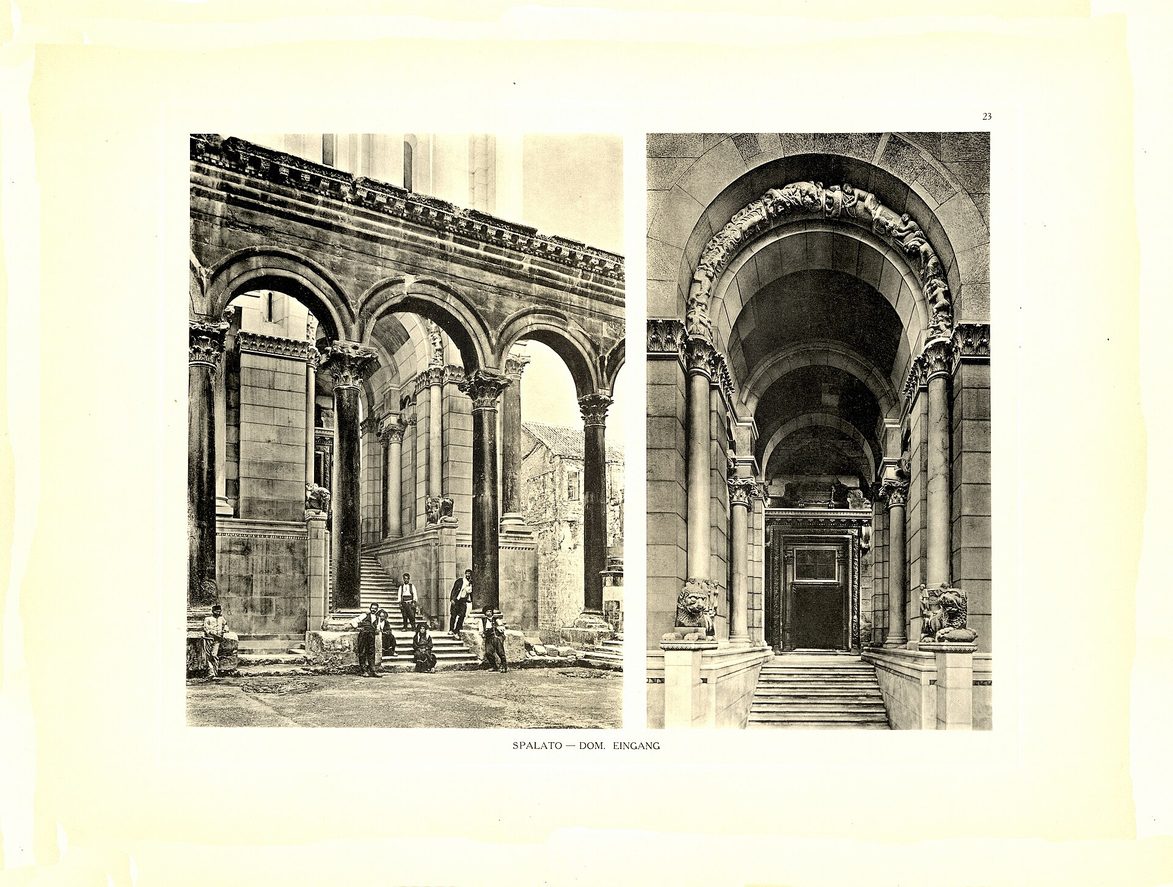
The cathedral of Split stands in the heart of Diocletian’s Palace, and it was built as the tomb of the emperor himself. Diocletian persecuted the Christians and had Domnius, bishop of nearby Salona, put to death; three centuries later his mausoleum became a church, and the bishop’s relics were brought into it. It is often called the oldest Catholic cathedral still in use in its original building, with a bell tower that rises over the whole old town.
From mausoleum to cathedral
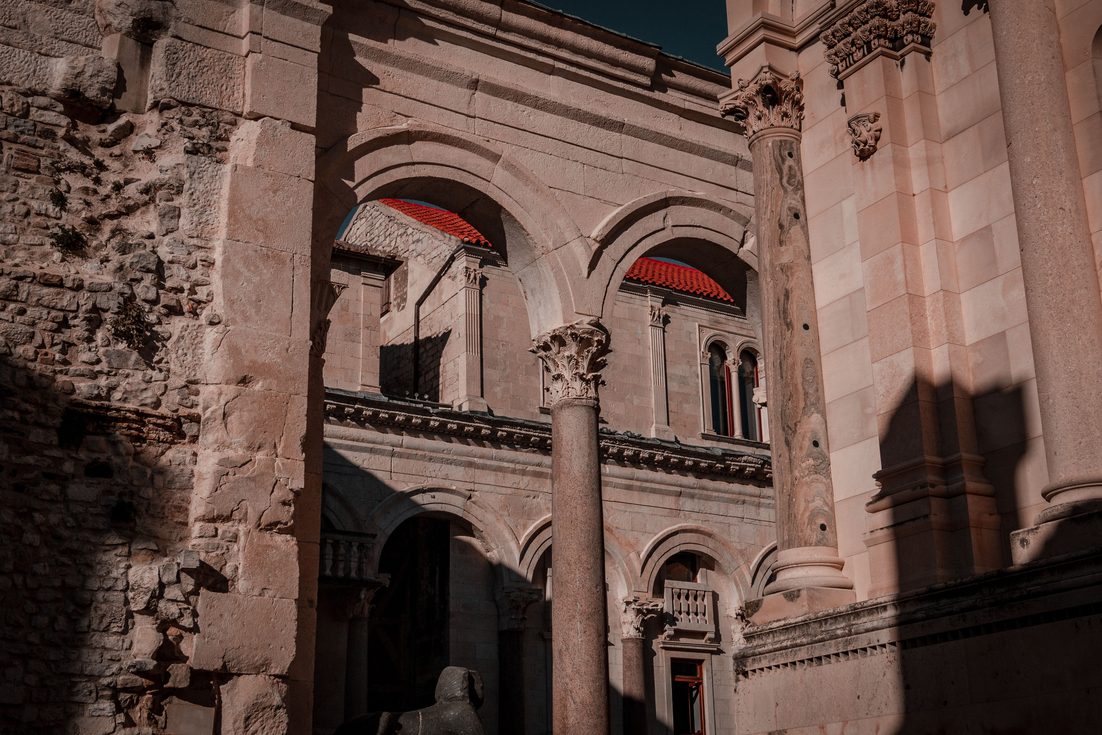
Diocletian built his vast palace on the Dalmatian coast for his retirement and moved into it in 305 AD. At its centre, beside the colonnaded court called the Peristyle, he raised an octagonal mausoleum of stone with a domed brick roof, where he was buried after his death a few years later. Among the victims of his persecution was Domnius, bishop of Salona, the Roman capital of the province.
In the 7th century, refugees from Salona fled to the palace and made their homes inside its walls. They turned the mausoleum into a church and brought in the relics of St Domnius and St Anastasius. The doors were added in 1214, the bell tower was begun in the 13th century, and in the 1680s the east wall was opened up to add a Baroque choir. The palace and the old town are a UNESCO World Heritage Site.
The visitor’s cheat sheet
| Opening hours | Roughly 8am–8pm in summer, about 9am–5pm in winter; Sundays from about midday |
|---|---|
| Admission | 2026: cathedral about €5 to €6; bell tower about €7 to €8; all five sites about €15 to €16 |
| Tickets | At the office on the Peristyle, opposite the cathedral; no booking needed |
| Dress | Shoulders and knees covered; no beachwear |
| Bell tower | About 200 steps, steep and narrow; not accessible |
| Getting there | In the old town, about 10 minutes’ walk from the bus station, ferry port and railway station |
| How long | 20–30 minutes for the cathedral; about an hour with the bell tower |
Hours and admission checked against the official site in November 2026. They change; the official site is always the last word.
What to see
The bell tower
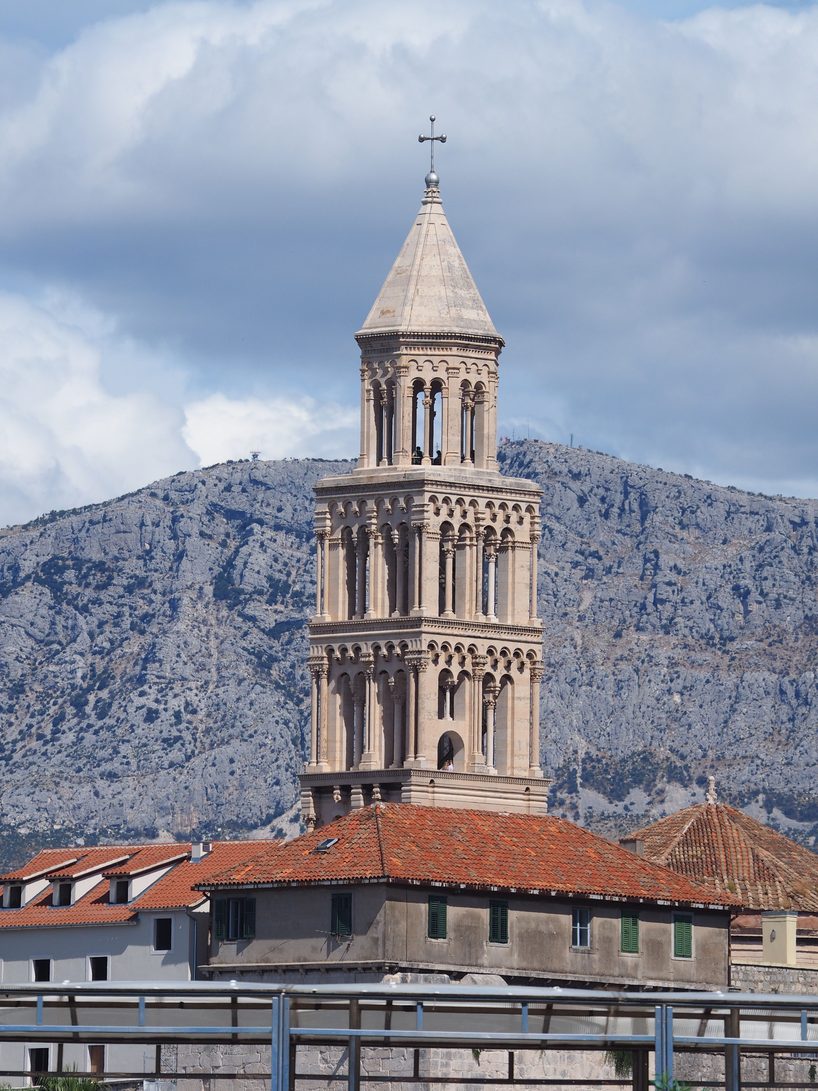
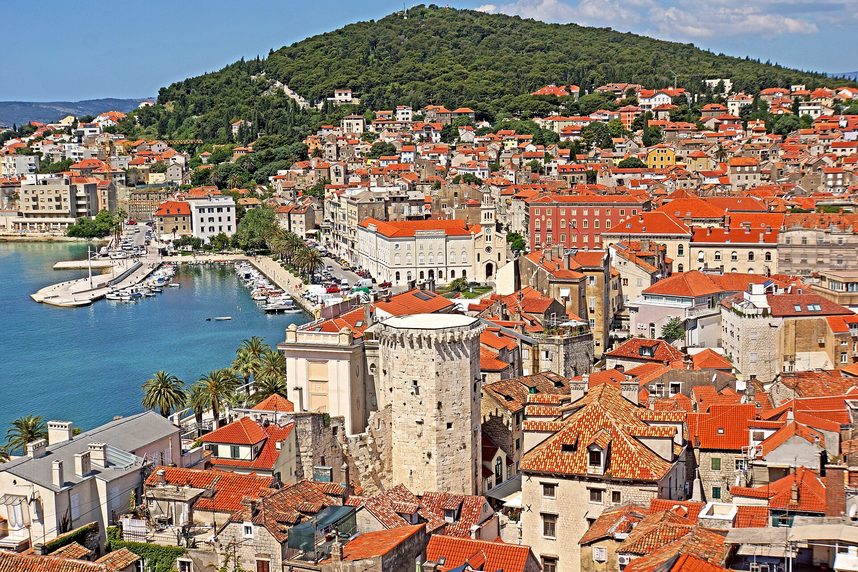
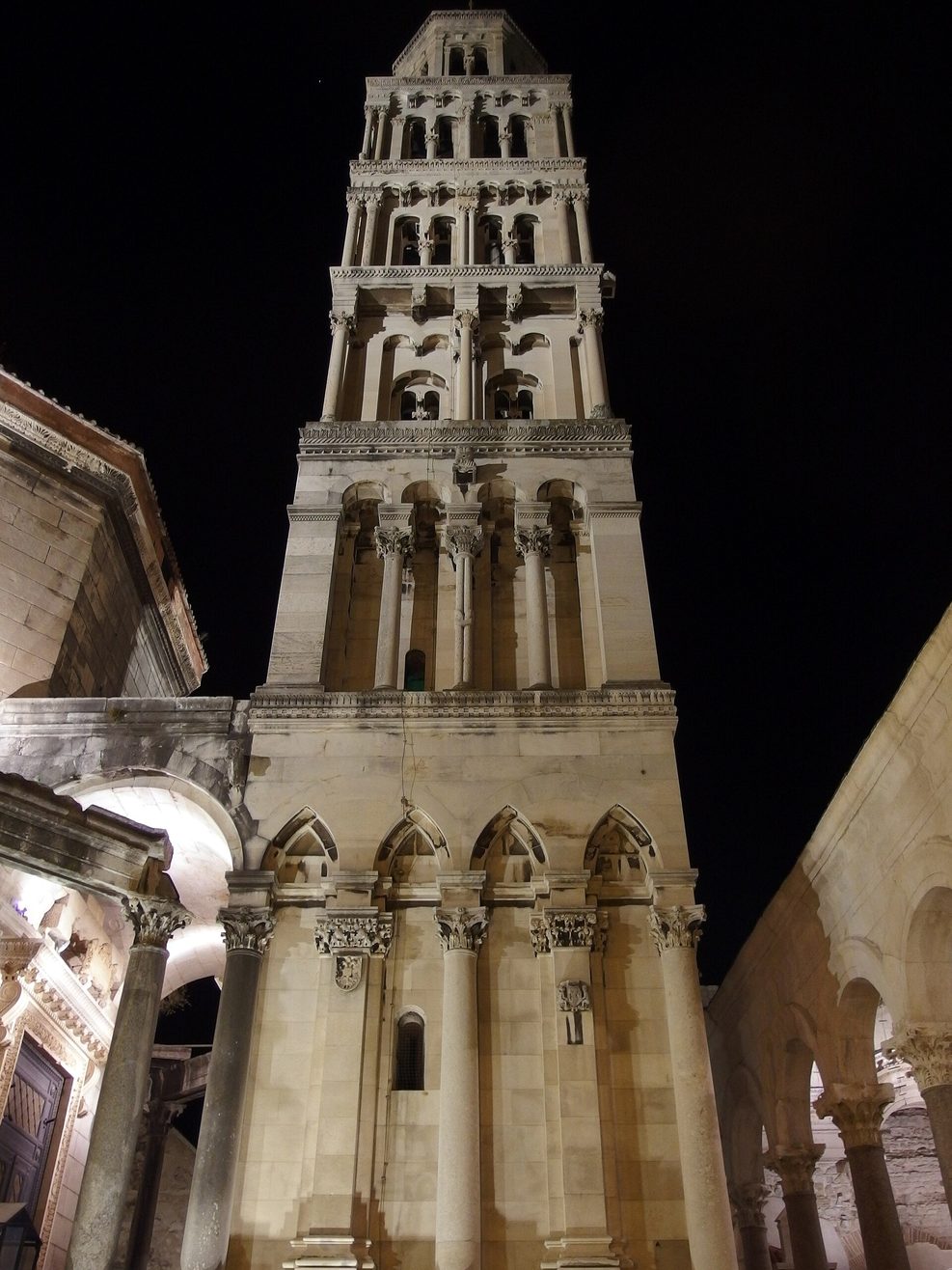
The 57-metre tower in front of the mausoleum was begun in the 13th century in Romanesque style, and was heavily restored and partly rebuilt between 1890 and 1908, when the top storey was remade and many of its medieval sculptures were taken down. The climb is steep and narrow, up about 200 steps, partly on open metal treads, but the view from the top takes in the whole palace, the harbour, Marjan hill and the islands.
The Buvina doors
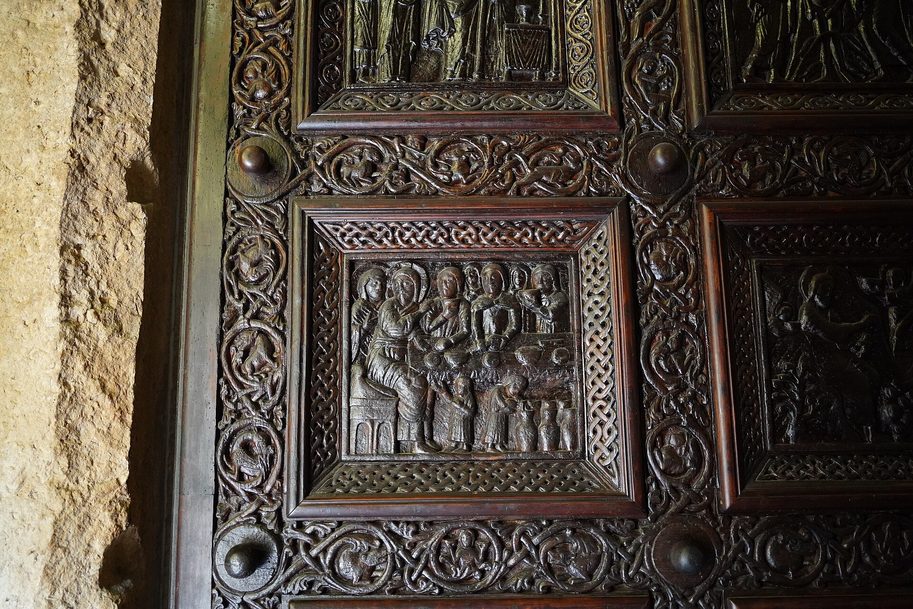
The main doors, carved in walnut by Andrija Buvina in 1214, show 28 scenes from the life of Christ, 14 on each leaf, framed by interlaced ornament. They are now protected behind glass.
The mausoleum inside
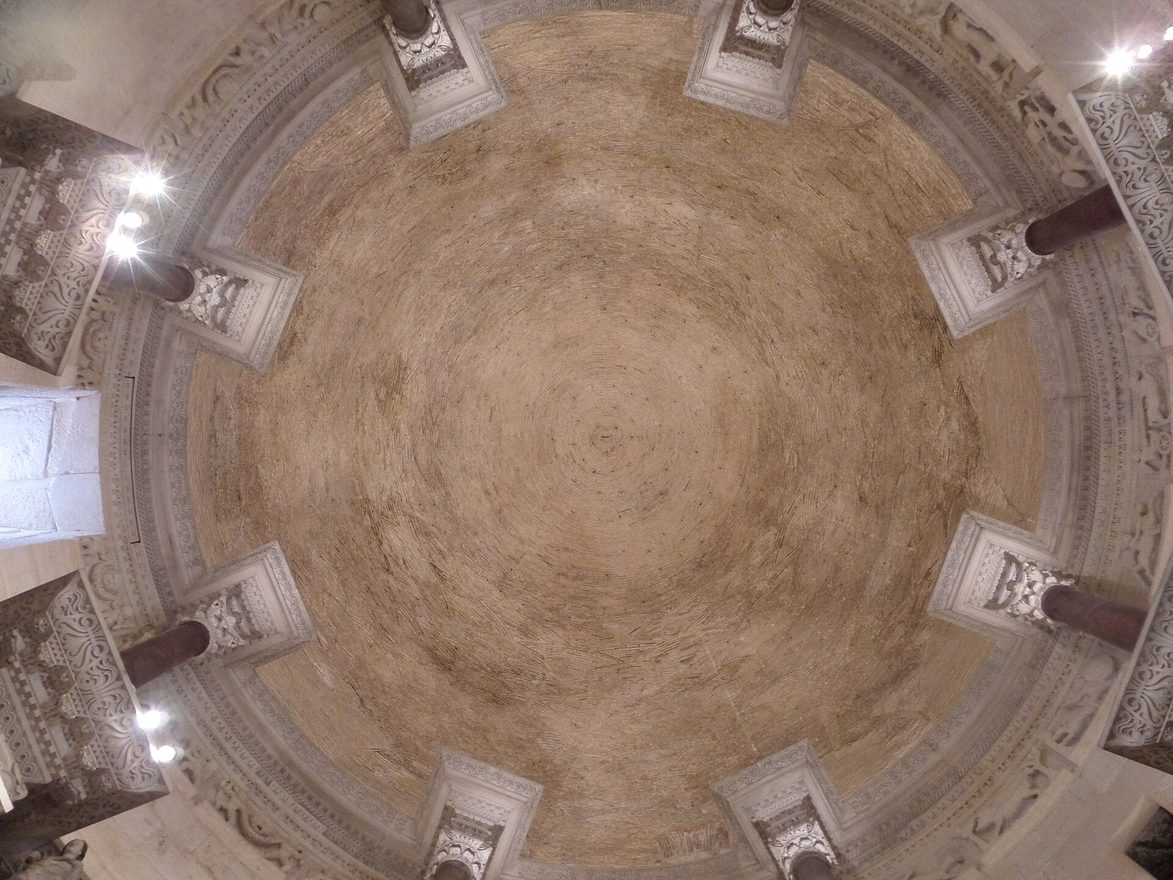
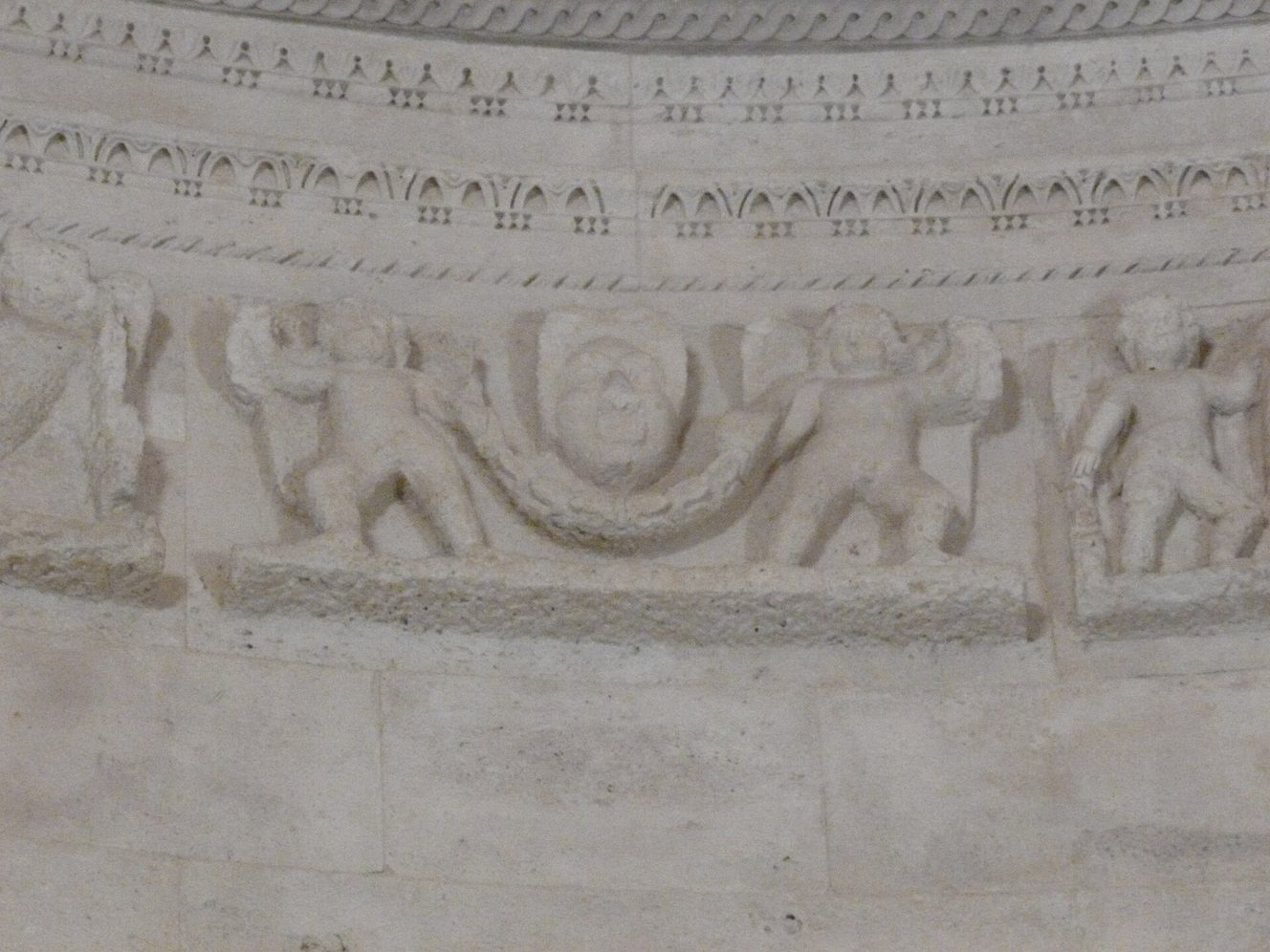
Inside, you are standing in the Roman building: round inside, with eight niches, and ringed by two tiers of eight Corinthian columns, the lower ones of red granite, under the original brick dome. Above the lower columns runs a Roman frieze of hunting cupids, masks and heads, with two medallions traditionally said to be portraits of Diocletian and his wife Prisca.
The altars, pulpit and choir
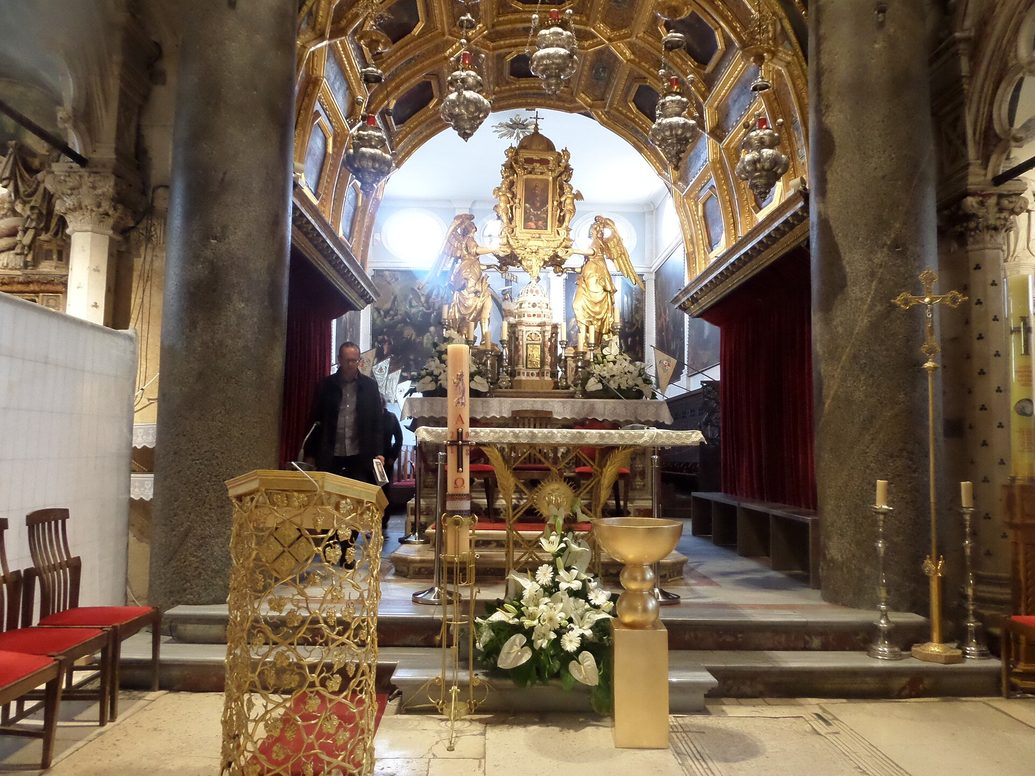
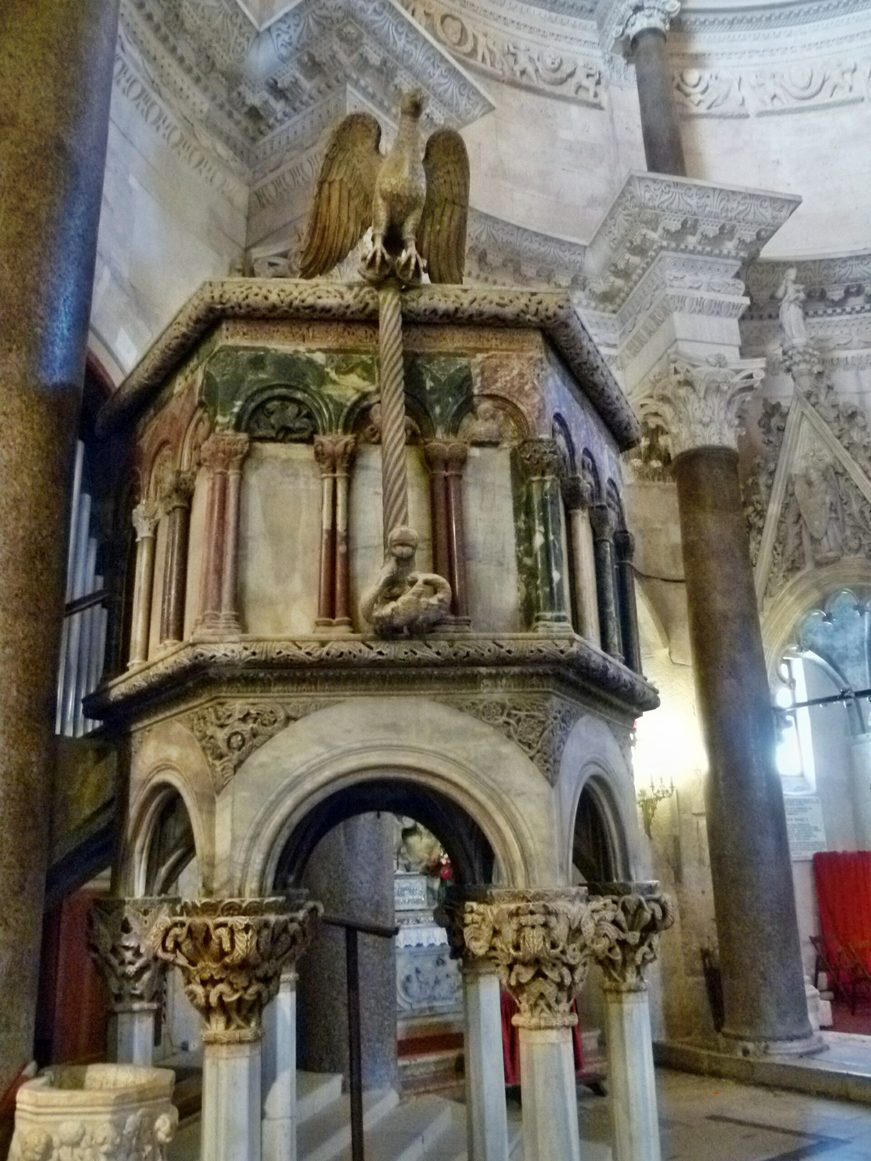
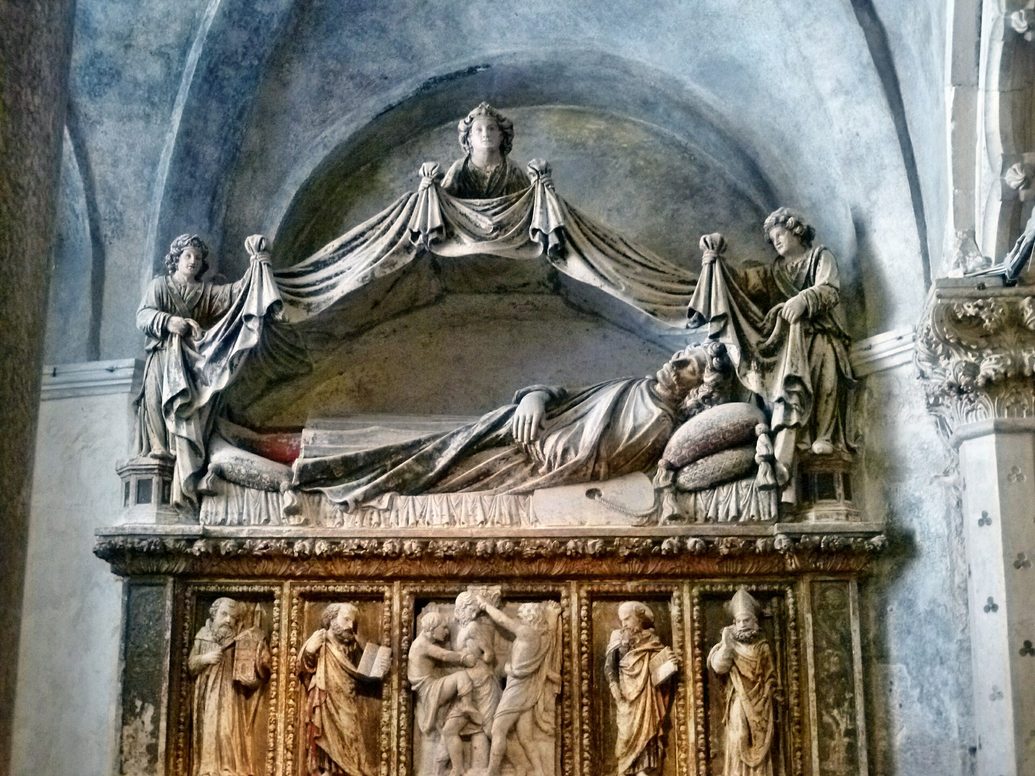
To the left as you enter is a six-sided Romanesque pulpit of the 13th century on slender columns with richly carved capitals. The left-hand altar niche holds Juraj Dalmatinac’s altar of St Anastasius of 1448, with a moving relief of the Flagellation; the right-hand niche has Bonino da Milano’s Gothic altar of St Domnius of 1427, though the saint’s relics have lain since 1770 in a Baroque altar in the north niche. Behind the octagon, the Baroque choir has 13th-century carved wooden stalls, among the oldest in Dalmatia.
The treasury, crypt and baptistery
The treasury, above the sacristy, holds reliquaries, illuminated manuscripts and medieval silver. Below the mausoleum is the crypt, dedicated to St Lucy. A short walk west of the Peristyle, the little Temple of Jupiter became the baptistery, with a font carved with a medieval Croatian king. Its bronze of St John the Baptist is by Ivan Meštrović.
When to go
Cruise passengers and tour groups fill the Peristyle from mid-morning, and by midday it is crowded. Go when it opens, or in the late afternoon. On Sunday mornings the cathedral is open only for Mass. The feast of St Domnius on 7 May is Split’s city day, with a procession and open-air Mass.
Getting there
The palace is the old town of Split, closed to traffic. The main bus station, the ferry port and the railway station sit together on the harbour, about 10 minutes’ walk away; enter the palace from the Riva waterfront through the Bronze Gate. From Split airport, about 23 kilometres west, the airport shuttle bus runs to the main bus station in about half an hour.
Tours and where to stay
Tickets for the cathedral and its sites are sold only at the office on the Peristyle.
These links go to GetYourGuide and Booking.com. This site earns nothing from them at present — they are here because they are the quickest way to check what is actually available.
Don’t miss
- The Buvina doors Romanesque carving of 1214.
- The Roman frieze Look for Diocletian’s medallion.
- The altar of St Anastasius Juraj Dalmatinac’s Flagellation relief.
- The bell tower view Over the palace to the islands.
Insider tips
Check what is open before you buy. Visitors in 2026 found the baptistery shut after buying a ticket that included it, and were refused refunds. Ask at the office which sites are open that day.
Climb early. The platform at the top of the tower is small, and the stair is single file, so queues build in summer.
Common questions
How much does it cost to visit Split Cathedral?
Tickets are sold at the office on the Peristyle, opposite the cathedral, for five sites: the cathedral, the bell tower, the crypt, the treasury and the baptistery (the old Temple of Jupiter). In 2026 the cathedral alone costs about €5 to €6, the bell tower about €7 to €8, and a ticket for all five about €15 to €16; prices differ between reports, so check at the office.
Is there a dress code?
Yes: shoulders and knees covered, and no beachwear. It is enforced at the door.
How hard is the bell tower climb?
About 200 steps, single file, partly on open metal treads you can see through, with low headroom in places. It is not suitable for wheelchairs or for anyone uneasy with heights.
When is the cathedral open?
Roughly 8am to 8pm in summer, with shorter hours in winter. On Sundays it opens to visitors only around midday, after morning Masses, and visits pause during services.
Why is it called the oldest cathedral?
The building is Diocletian’s mausoleum, finished about 305 AD. It has been used as a cathedral since the 7th century, which is why it is often called the oldest Catholic cathedral still in use in its original building.
More churches nearby
- St Mark’s Basilica, Venice — across the Adriatic, by the city that ruled Split for centuries.
- San Vitale, Ravenna — another octagon, with Byzantine mosaics.