
St Catherine’s Monastery, Sinai
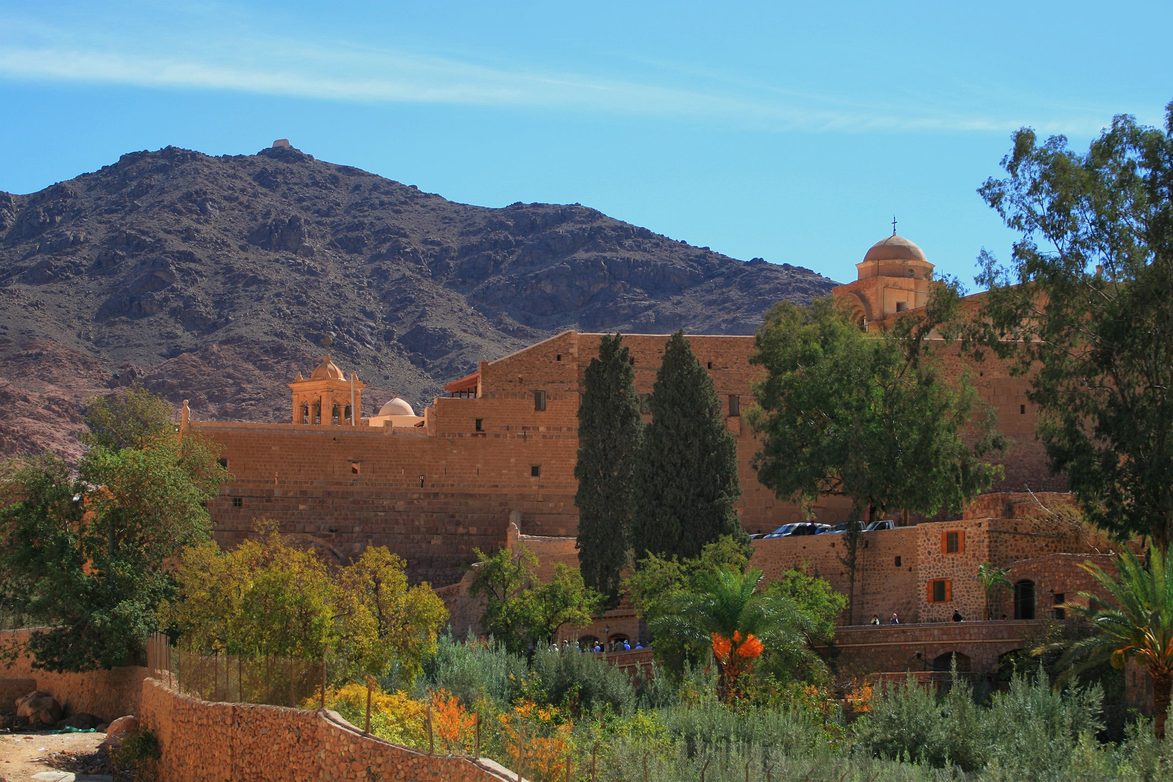
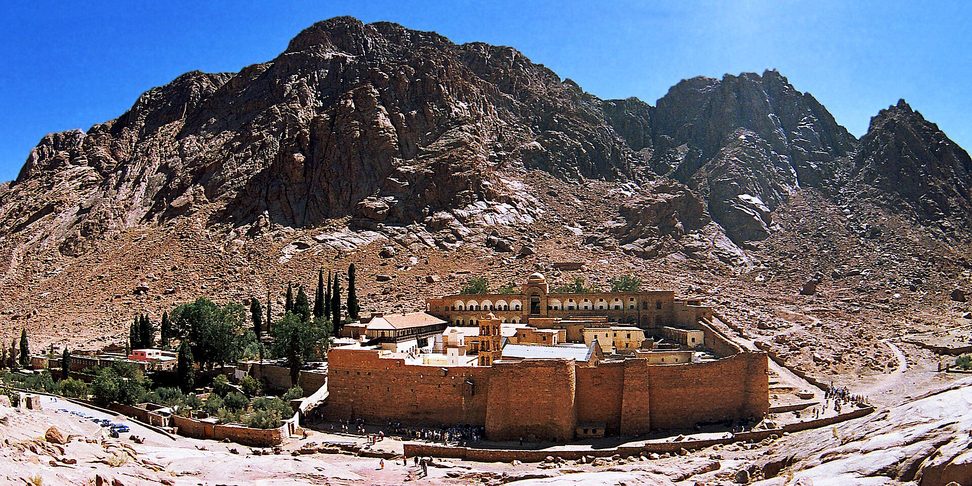
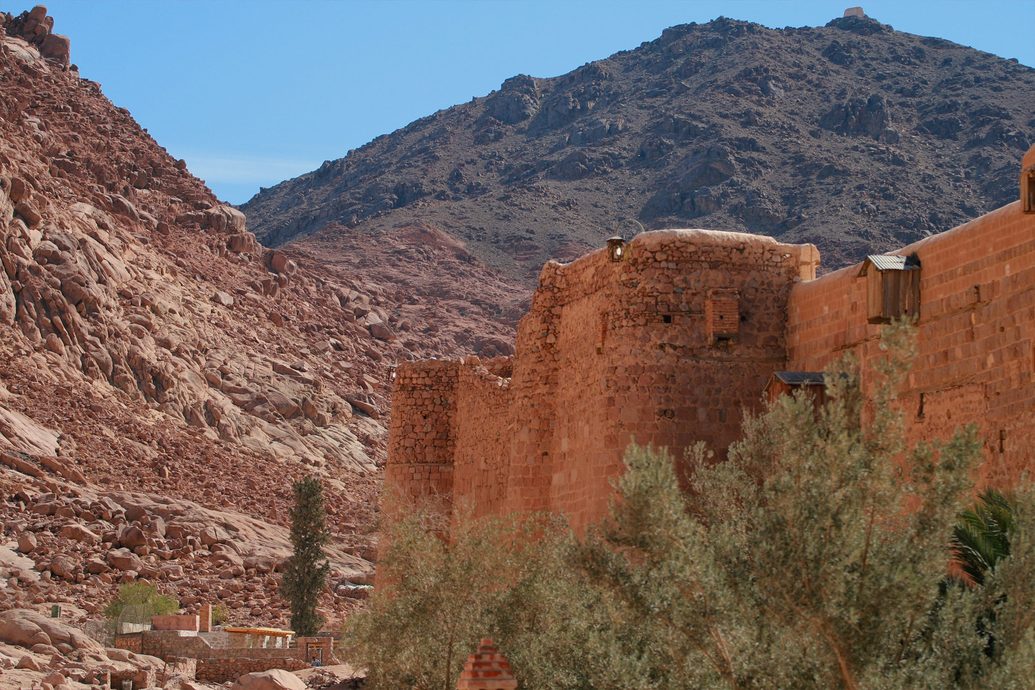
At the foot of Mount Sinai, behind granite walls built for the emperor Justinian in the sixth century, St Catherine’s is the oldest Christian monastery still used for its original purpose. Greek Orthodox monks have kept it for nearly fifteen centuries. It holds a bramble venerated as the Burning Bush, a Byzantine mosaic of the Transfiguration and one of the great libraries of the early Church. Most visitors come after a night climb of the mountain, and the gates open only for a few hours on most mornings.
Read the travel advice, and check it is open. In October 2026 the UK Foreign Office advised against all but essential travel to the northern part of South Sinai beyond the St Catherine–Nuweiba road; the monastery lies just south of that line, and the UK describes the Red Sea tourist areas of southern Sinai as generally low risk. The US State Department advises against all travel to northern and middle Sinai. In June 2025 the monks closed the monastery to visitors for a time, in protest at a court ruling on its property; in October 2026 Greece announced an agreement between the monastery and the Egyptian state that preserves its religious character; it had not been formally signed at the time of writing. Visitors in 2026 report it open, though sometimes only in part. Confirm the day before.
A monastery at the foot of the mountain
The Bible places the Burning Bush and the giving of the Law on Mount Sinai, and Christian hermits were living in these valleys by the fourth century. Between about 548 and 565 Justinian enclosed their chapel of the Burning Bush within a fortress, and built the basilica that still stands at its heart. The monastery was later named after St Catherine of Alexandria, whose remains, by tradition, were found on the mountain that bears her name.
It survived because it was never sacked, and because the Byzantine destruction of images never reached it, its collection of early icons is often called the finest in the world. A chapel inside the walls was turned into a small mosque in the Fatimid period and is still used on special occasions. The monastery is part of the Saint Catherine Area UNESCO World Heritage Site and is sacred to Jews, Christians and Muslims alike.
The visitor’s cheat sheet
| Before you travel | Read your government’s travel advice for South Sinai, and confirm the day before that the monastery is open |
|---|---|
| Opening hours | Mornings only. The monastery gives 9am to 11.30am, closed Fridays, Sundays and Greek Orthodox feast days; Egypt’s antiquities ministry lists 8.45am to 12.45pm with a short Friday opening. Check the day before |
| Admission | Free: no entry charge is published for the monastery; the museum may charge |
| Visa | A full Egyptian visa or e-visa: the free Sharm resort stamp does not cover St Catherine |
| Dress | Shoulders, upper arms and knees covered, strictly enforced |
| Mount Sinai | Bedouin guide compulsory; about 2–3 hours up; bitterly cold at night, even in summer |
| Getting there | About 2½–3 hours by road from Sharm el-Sheikh, 2 hours from Dahab |
| How long | An hour in the monastery; a whole night with the climb |
Hours and admission checked against the official site in November 2026. They change; the official site is always the last word.
What to see
Visitors follow a fixed route that begins at the gate in the north wall. Guided tours are not allowed inside, so tour guides brief their groups outside the walls.
The Burning Bush
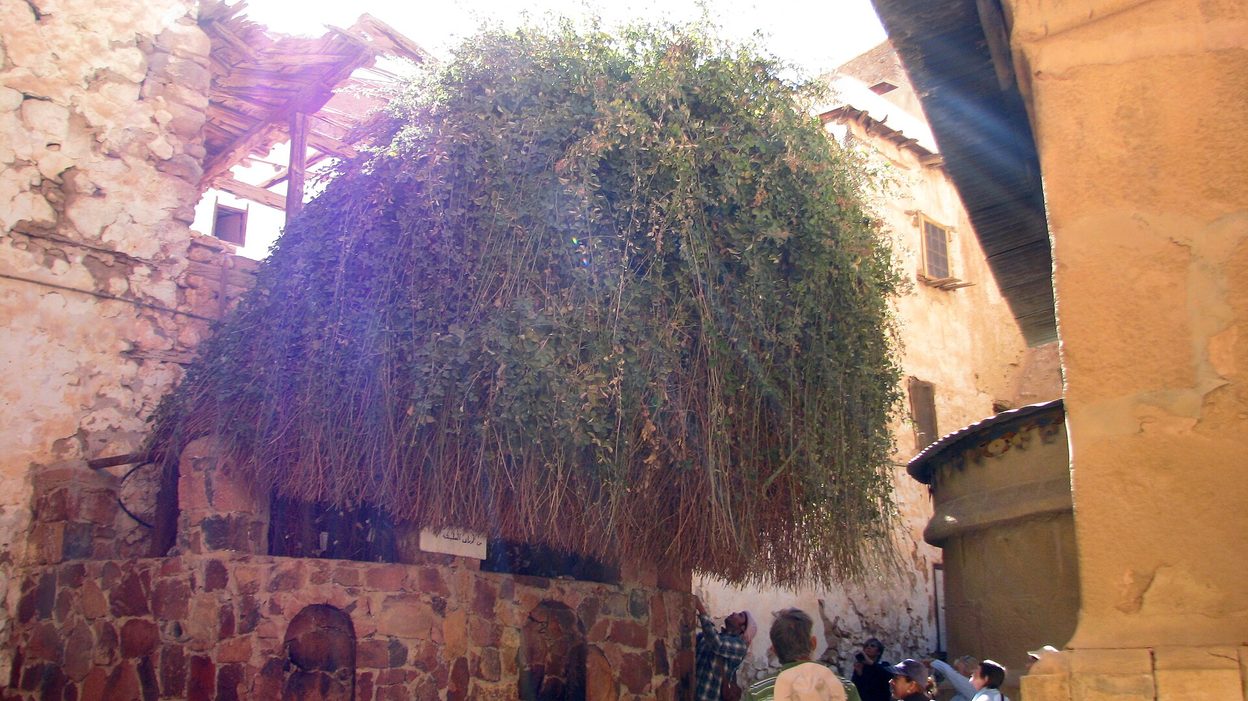
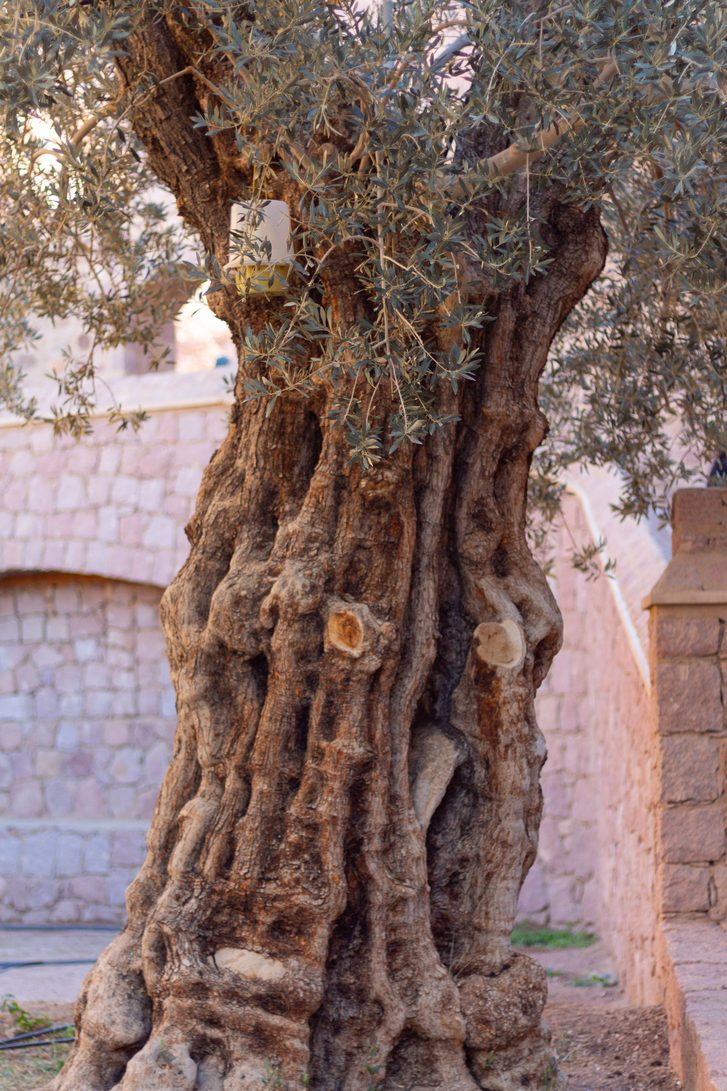
The bramble grows in a courtyard just behind the basilica, raised and walled in to stop pilgrims taking cuttings. The chapel built over its roots, behind the apse, is closed to visitors.
The basilica
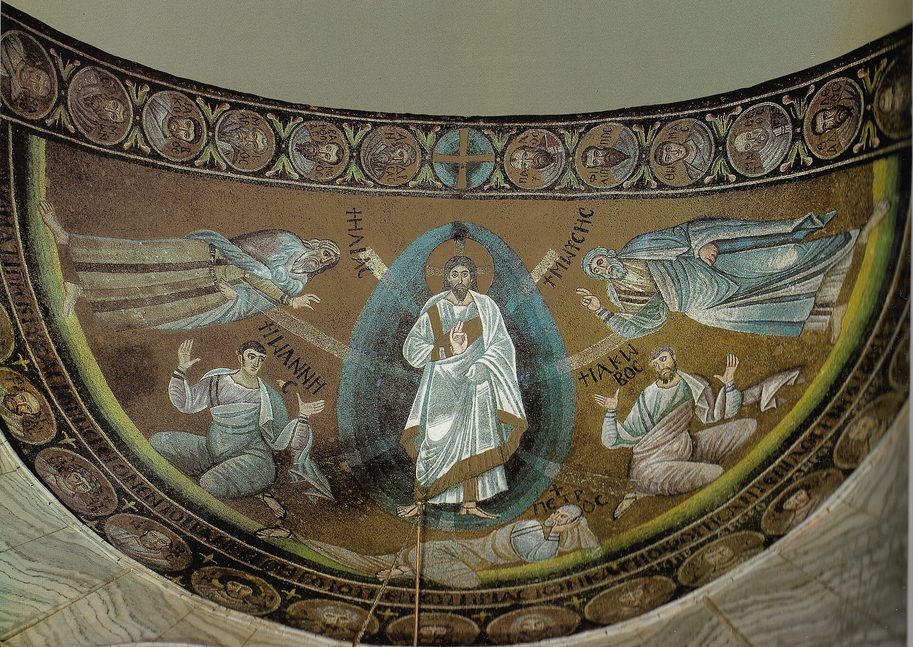
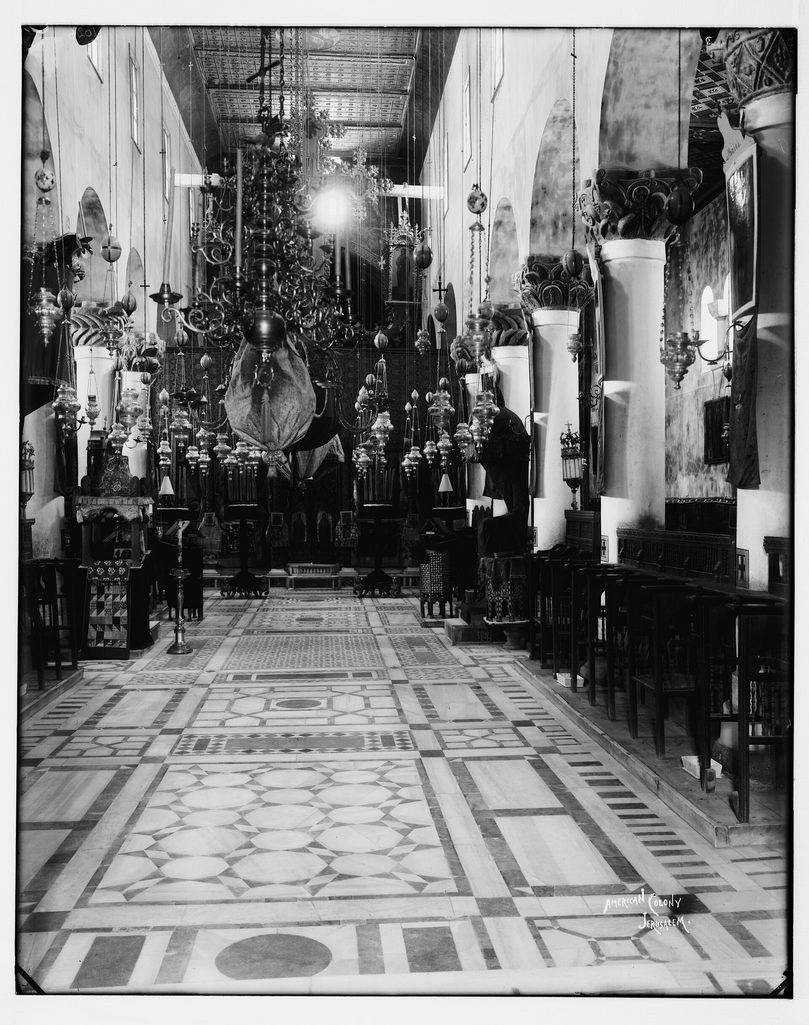
Justinian’s church of the Transfiguration is entered through a carved wooden door. Inside, granite columns, hanging lamps and a gilded iconostasis of 1612 lead the eye to the apse and its sixth-century mosaic of the Transfiguration, one of the most important to survive from the Byzantine world. From the nave you see only part of it, between the lamps and the iconostasis. Above the later ceiling, out of sight, its timber roof trusses are thought to be the oldest surviving in the world.
The bell tower and the mosque
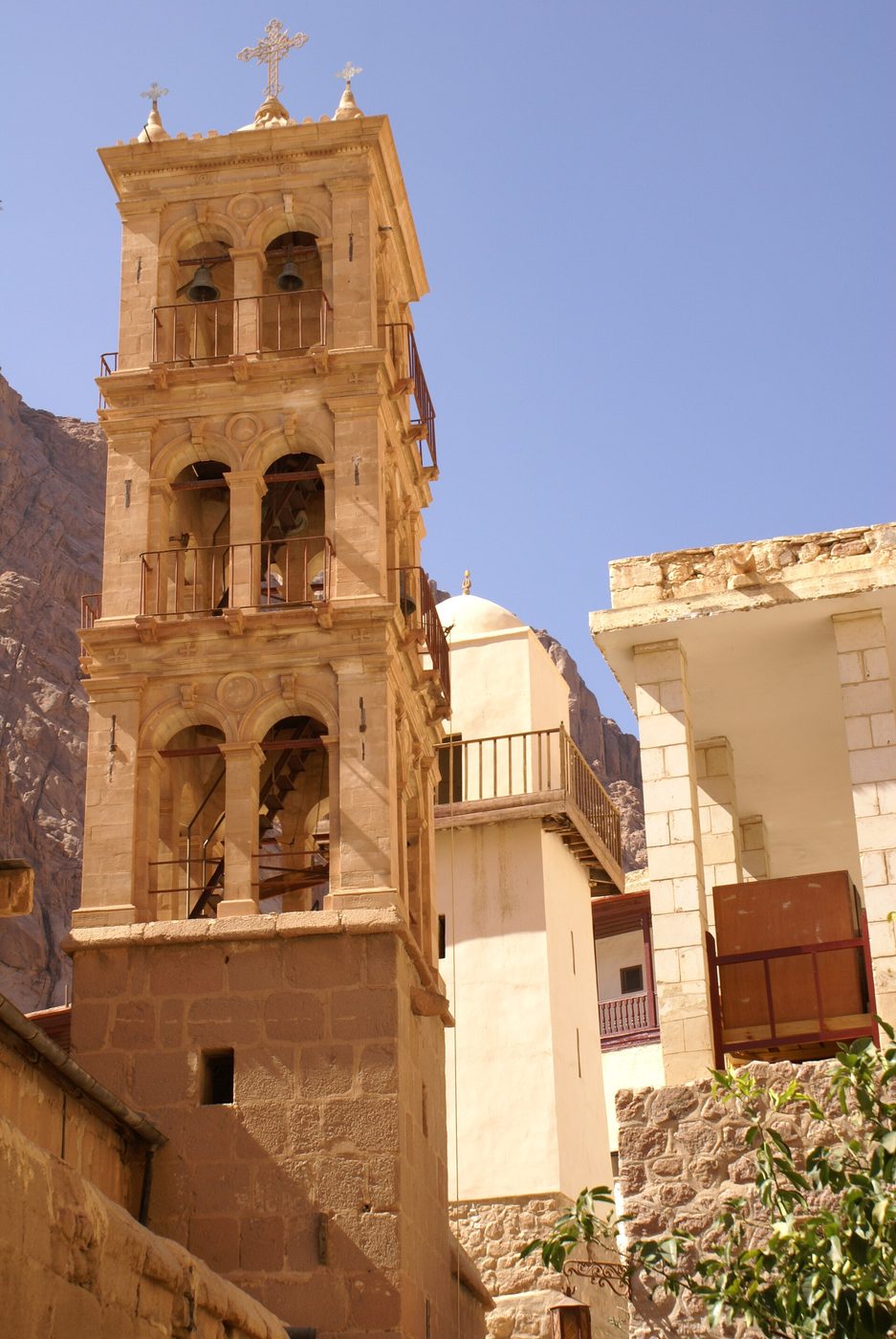
Opposite the basilica, the minaret of the Fatimid mosque rises beside the church’s nineteenth-century bell tower, two faiths sharing one walled courtyard.
The Well of Moses
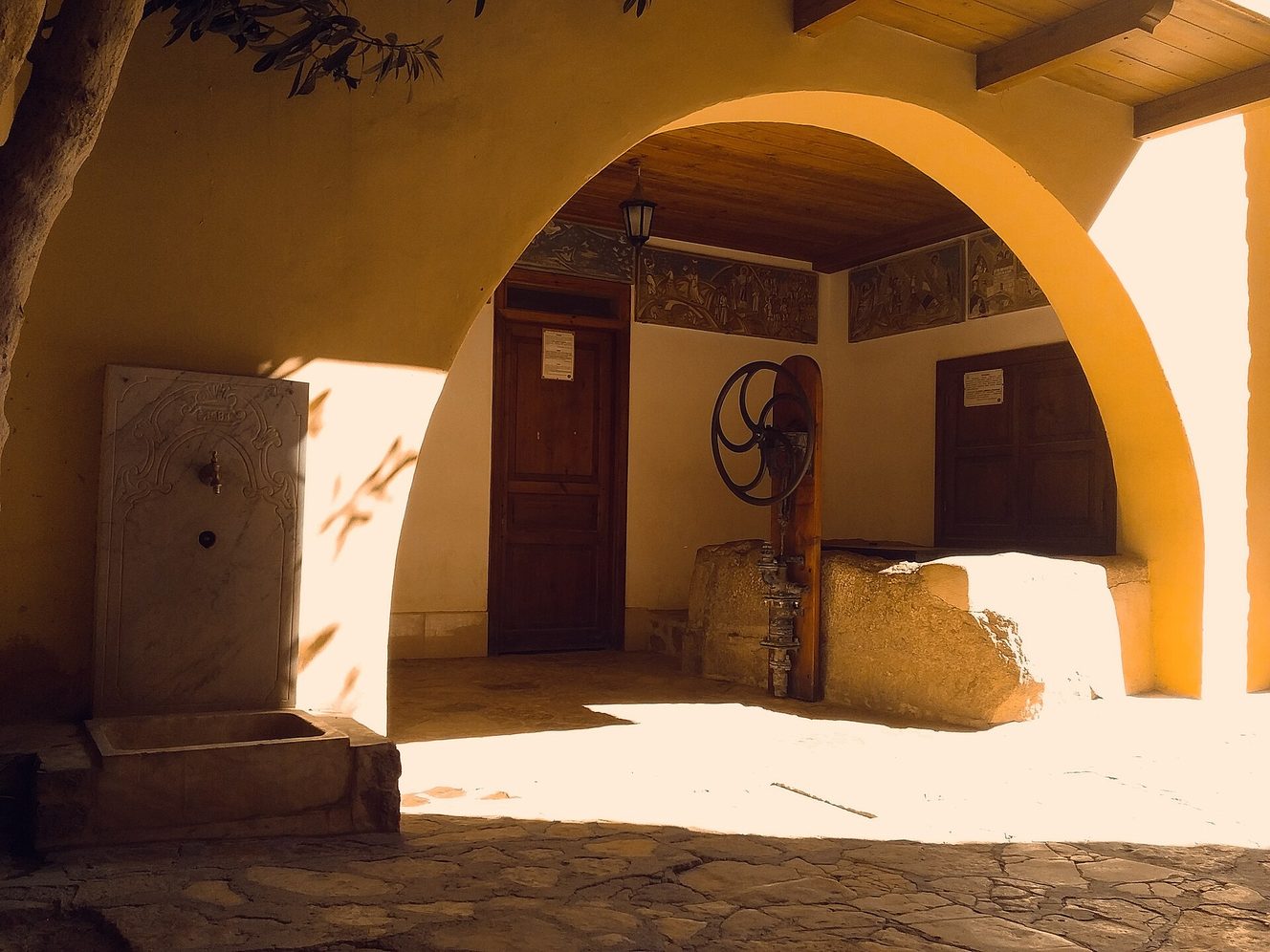
Inside the walls is the well where, by tradition, Moses met Zipporah, the daughter of Jethro. It is still one of the monastery’s sources of water.
The Sacred Sacristy and the library
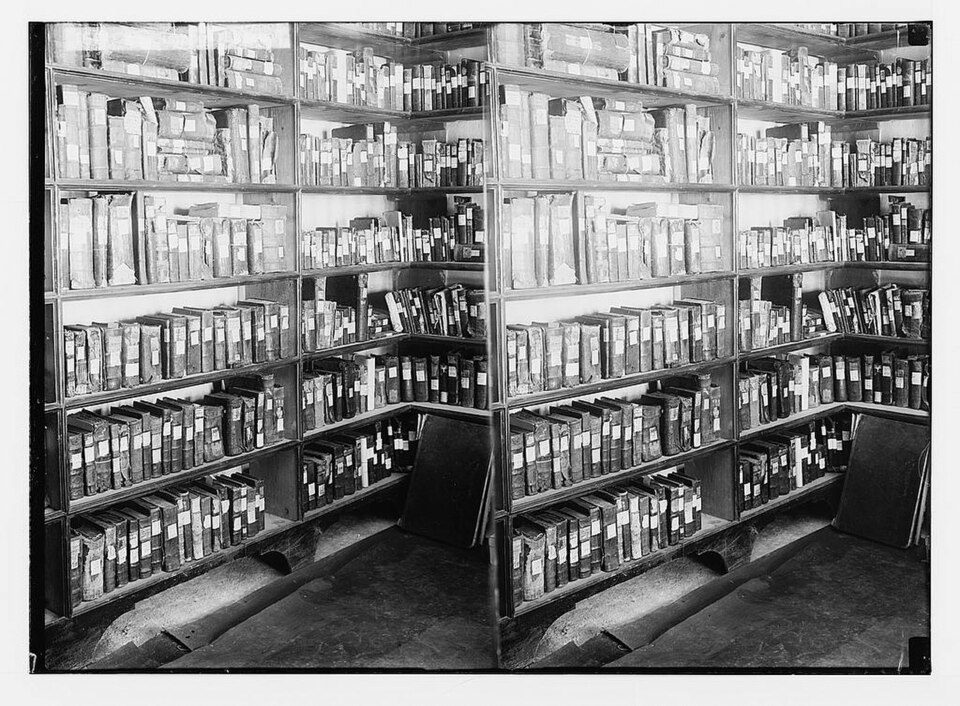
Up a stair beside the basilica, the Sacred Sacristy shows a small part of the monastery’s treasures: icons, including the twelfth-century Ladder of Divine Ascent, manuscripts and liturgical silver. The library itself, with thousands of manuscripts, is not open to visitors. Its most famous book, the fourth-century Codex Sinaiticus, left for Russia in the nineteenth century, and most of it is now in the British Library.
Climbing Mount Sinai
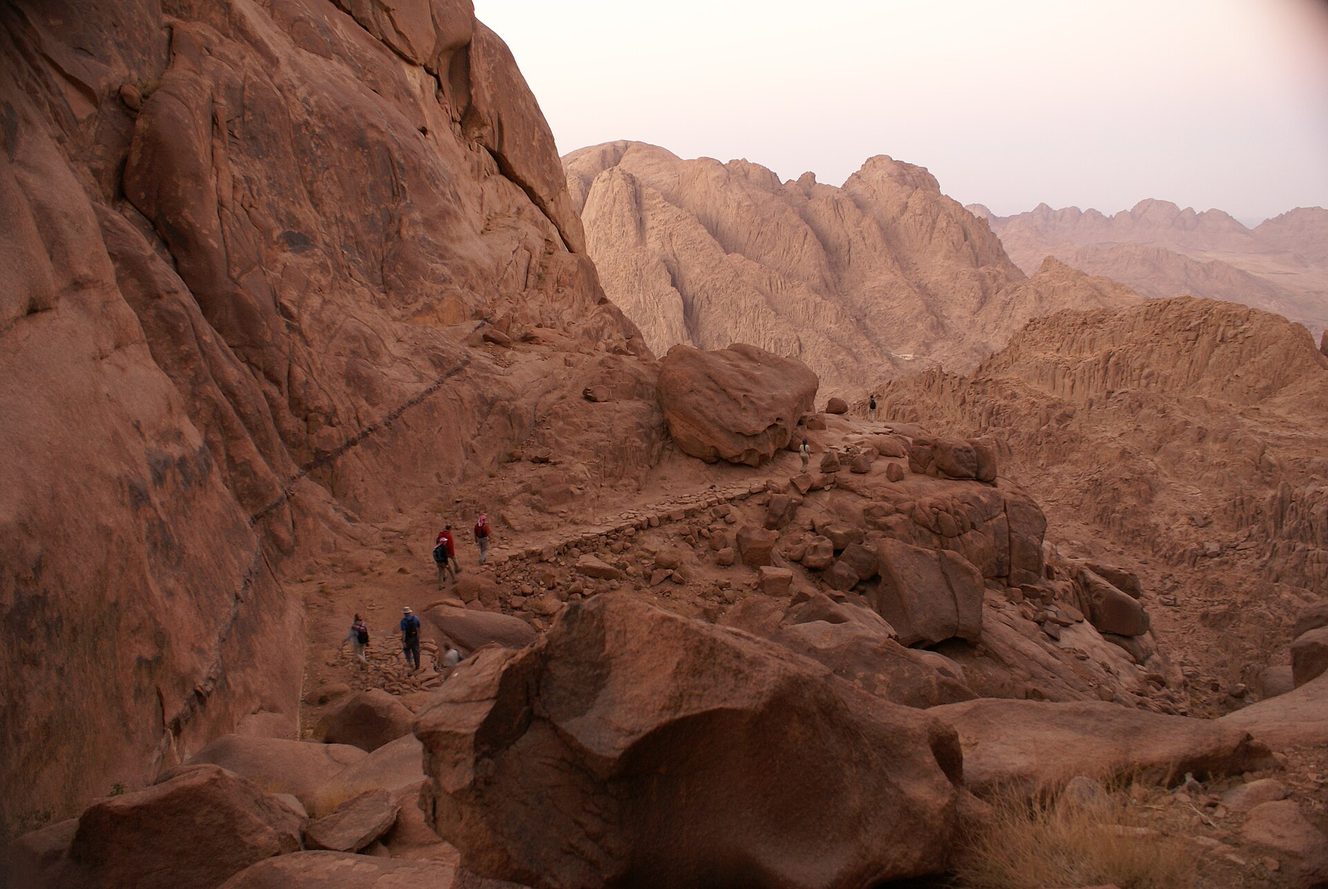
Mount Sinai (Jebel Musa) rises to about 2,285 metres just south of the monastery, with a small chapel and a mosque, both usually locked, on the summit. Most visitors climb in the dark to see the sunrise, then come down to the monastery as it opens.
A Bedouin guide is compulsory, and is hired at the car park by the monastery. There are two ways up. The Camel Path is longer but gradual, and camels can carry you most of the way. The Steps of Repentance are far steeper: about 3,000 rough steps to the hollow known as Elijah’s Basin. Both routes meet there for the final 750 or so steps to the top. Go up by the Camel Path in the dark, and come down the steps in daylight.
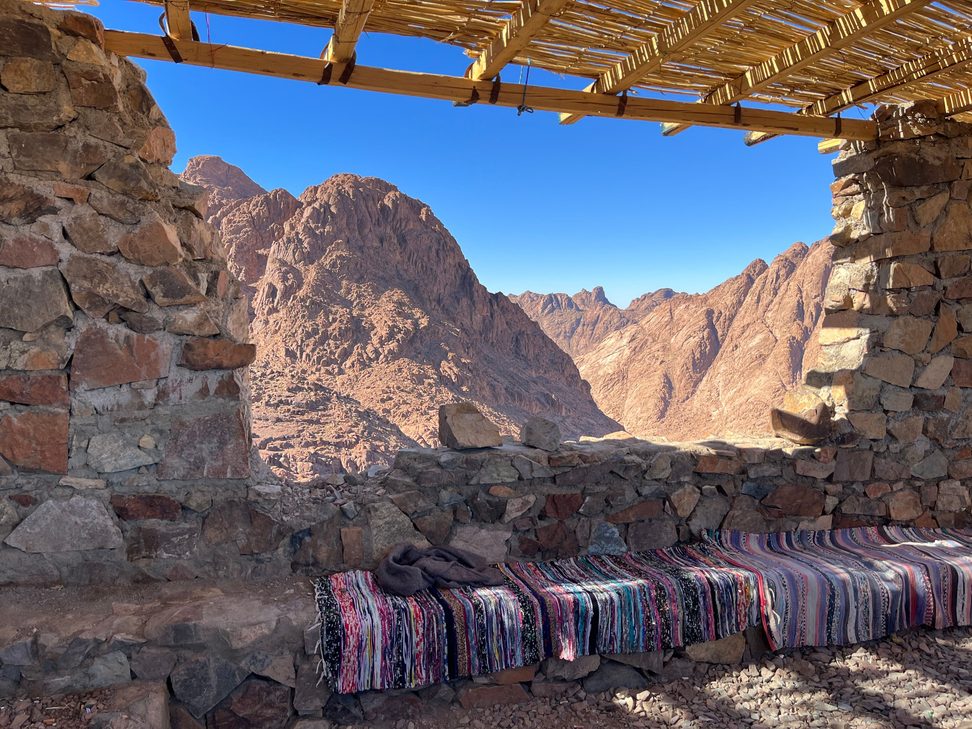
It is cold and windy on the summit even in summer, and snow is possible in winter. Bring warm layers, a head torch and water; tea stalls and blanket hire are found along the way and at the top, and there are composting toilets at Elijah’s Basin.
Getting there
The monastery is in the mountains of South Sinai, beside the small town of Saint Catherine. The nearest airport with flights is Sharm el-Sheikh, about 2½ to 3 hours away by road; Dahab is about 2 hours away, and Cairo about 6 hours by car. There is no public bus from the coast, so almost everyone comes with a tour, a private driver or a taxi. Expect several police checkpoints on the way, and carry your passport and visa.
Night-climb tours from Sharm and Dahab usually leave at about 10pm, start up the mountain in the small hours and visit the monastery after the descent. The monastery’s own guesthouse stands just below the walls, and there are more hotels in the town.
Tours and where to stay
Most visitors come on an organised Mount Sinai and monastery tour, which includes the Bedouin guide. Staying the night in Saint Catherine lets you climb without the long drive.
These links go to GetYourGuide and Booking.com. This site earns nothing from them at present — they are here because they are the quickest way to check what is actually available.
Don’t miss
- The Burning Bush Behind the basilica.
- The Transfiguration mosaic Sixth-century gold in the apse.
- The Sacred Sacristy Early icons and manuscripts.
- Sunrise on Mount Sinai Then down to the monastery.
- The mosque and the bell tower Side by side inside the walls.
Insider tips
See the museum first. Tour groups head straight for the basilica and the Burning Bush, so go to the Sacred Sacristy as soon as you are in, and come back to the church later. The last half hour before closing is often the quietest.
Dress for two climates. You need covered shoulders, arms and knees for the monastery, and winter layers for the summit before dawn. A scarf or shawl that goes over a T-shirt solves both.
Common questions
Is St Catherine’s Monastery open to visitors?
Usually, in the mornings, but not every day. The monastery says it opens to visitors from 9am to 11.30am and closes on Fridays, Sundays and major Greek Orthodox feast days; Egypt’s antiquities ministry lists slightly longer hours, 8.45am to 12.45pm, with a short opening on Fridays. In June 2025 the monks closed the gates for a time in protest at an Egyptian court ruling on the monastery’s property, and visitors in 2026 have sometimes found only part of it open. Confirm with your guide or hotel the day before.
Do you have to pay to go in?
The monastery does not publish an entry charge, and most visitors report paying nothing at the gate. The small museum, the Sacred Sacristy, may charge a fee when it is open.
Can you see the Burning Bush?
Yes. The bramble grows in a courtyard just behind the basilica, walled in to stop pilgrims taking cuttings. The Chapel of the Burning Bush, built over its roots behind the apse, is closed to visitors.
Do you need a guide to climb Mount Sinai?
Yes. Hikers must be accompanied by a local Bedouin guide, hired at the car park by the monastery. Most people come on an overnight tour from Sharm el-Sheikh or Dahab that includes the guide, the climb for sunrise and the monastery visit afterwards.
Is it safe to visit?
Read your own government’s advice first. In October 2026 the UK Foreign Office described travel to the Red Sea tourist areas of southern Sinai as generally low risk, but advised against all but essential travel to the northern part of South Sinai beyond the St Catherine–Nuweiba road; the monastery lies just south of that line. The US State Department advises against all travel to northern and middle Sinai.
Do I need a visa from Sharm el-Sheikh?
Yes. The free entry stamp for short stays in the Sharm, Dahab, Nuweiba and Taba resorts does not cover a trip to St Catherine, so you need a full Egyptian visa or e-visa.
More churches nearby
- Church of the Holy Sepulchre — Calvary and the Tomb, Jerusalem.
- Church of the Nativity — Justinian’s other great basilica, Bethlehem.
- Mount Athos — another Orthodox mountain of monks.