
Turin Cathedral
Turin Cathedral, the Duomo of San Giovanni Battista, is a cool, pale Renaissance church, often described as Turin’s only Renaissance church of note. It is famous worldwide because it keeps the Shroud of Turin, the linen cloth that bears the faint image of a crucified man. The Shroud is hidden away and only rarely shown, but you can see the chapel where it lies, Guarini’s astonishing dome next door, and Leonardo’s Last Supper in a large copy. Entry is free.
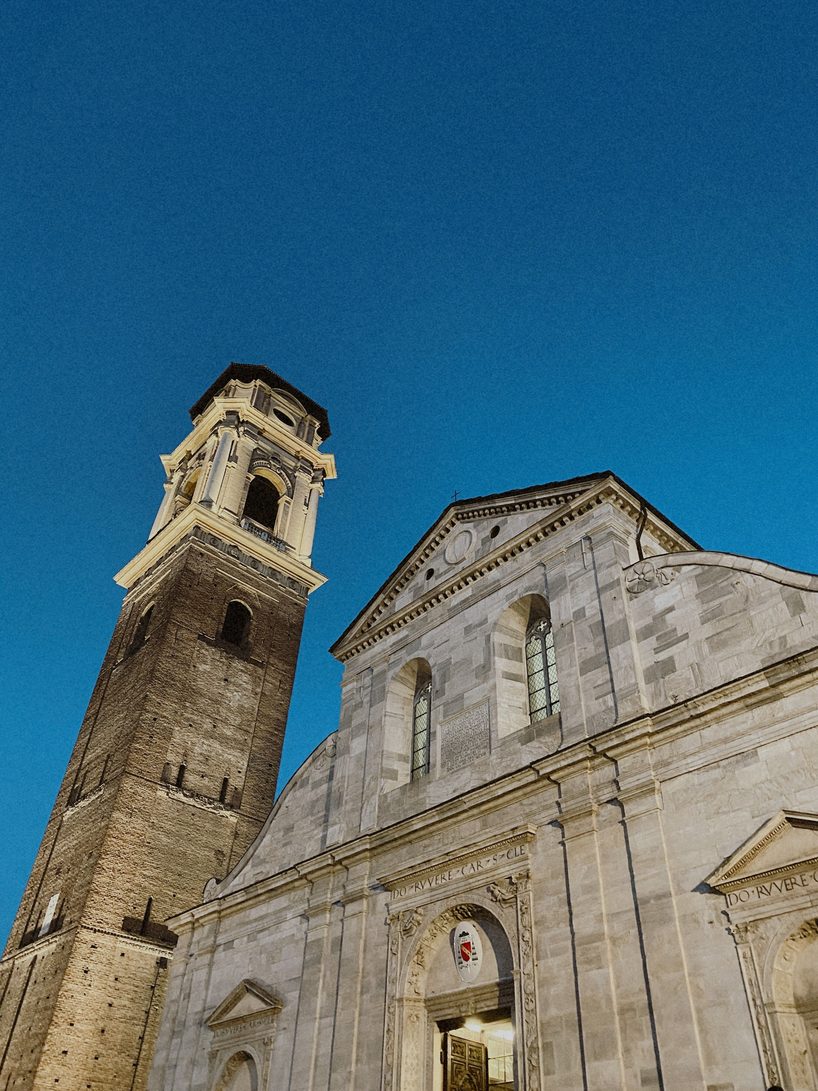
A Renaissance cathedral and a famous relic
The cathedral was built in 1491–98 for Cardinal Domenico della Rovere, to designs by the Tuscan Meo del Caprina, on the site of three medieval churches. Its free-standing bell tower is older, built around 1470, and was raised by Filippo Juvarra in 1720. The Shroud came to Turin in 1578, when the Dukes of Savoy brought it from Chambéry to their new capital.
For the Shroud, Duke Carlo Emanuele II revived plans for a great chapel between the cathedral and the Royal Palace. Guarino Guarini took it over in the late 1660s, and it was finished in 1694. On the night of 11–12 April 1997 fire swept the chapel; firefighters, led by Mario Trematore, smashed the Shroud’s protective case and carried it out. The chapel reopened in 2018 after more than twenty years of restoration.
In 1988 samples of the Shroud were radiocarbon dated by laboratories in Arizona, Oxford and Zurich to between AD 1260 and 1390. Some researchers dispute the result, and the Church makes no official claim that the cloth is authentic, while encouraging its veneration as an image of the Passion.
The visitor’s cheat sheet
| Where | Piazza San Giovanni 4, Turin, next to the Royal Palace; about 20 minutes’ walk from Porta Nuova station |
|---|---|
| Opening hours | Mon–Fri 10am–12.30pm and 4pm–7pm; Sat–Sun 9am–1pm and 3pm–7pm. Closed at lunchtime |
| Admission | Free. Chapel of the Holy Shroud with the Musei Reali ticket, €15 (ages 18–25 €2, under-18s free); bell tower €4 |
| The Shroud | Kept out of sight in a sealed case; shown only at rare public expositions, none announced |
| Musei Reali | Closed Wednesdays; open 9am–7pm (last entry 6pm); free on the first Sunday of the month |
| Bell tower | About 200 steps, no lift; open Friday to Monday with the Diocesan Museum |
| Dress | Shoulders and knees covered; avoid visiting during Mass |
| How long | Half an hour in the cathedral; two to three hours with the Musei Reali |
Hours and admission checked against the official site in October 2026. They change; the official site is always the last word.
What to see
The nave and the Shroud chapel
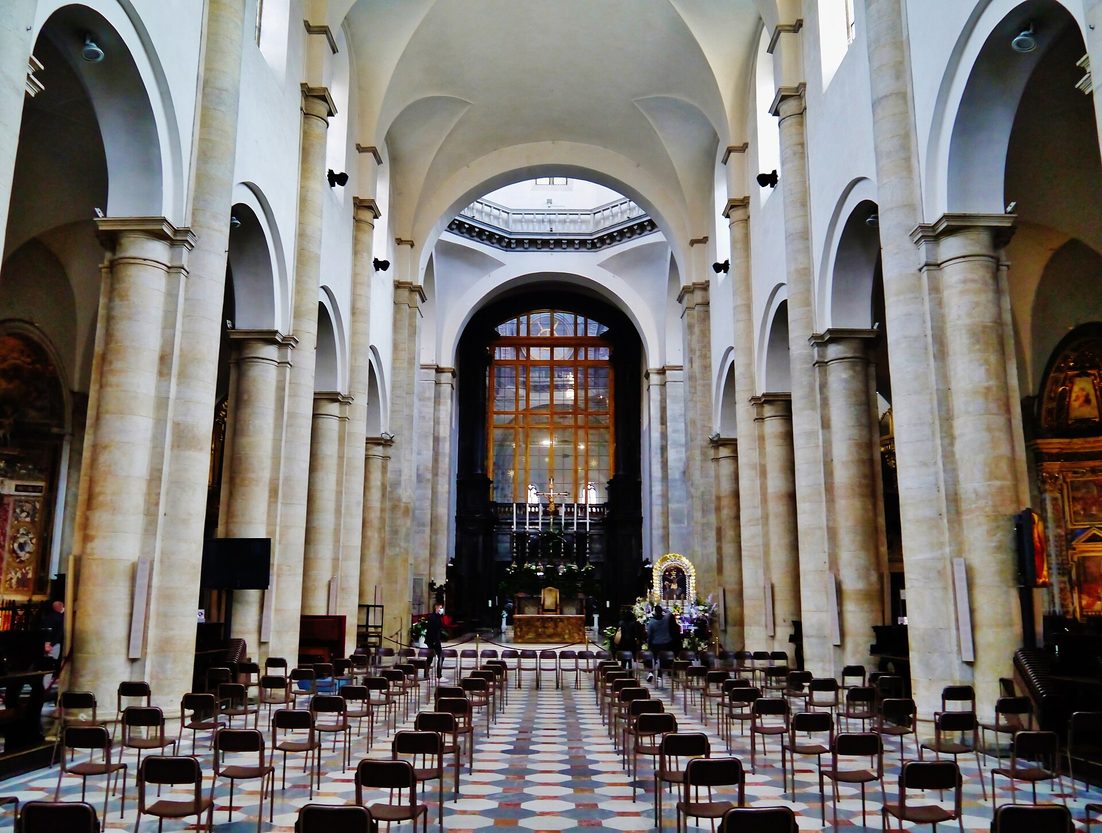
The interior is a Latin cross in grey and white, with side chapels along both aisles. The Shroud lies in the last chapel of the left aisle, beneath the royal tribune, laid flat in a conservation case inside a large chest; you see the case, not the cloth. There is sometimes a reproduction of the Shroud on display nearby. Behind the high altar, a great arched window opens onto Guarini’s chapel, though it is usually closed.
The Last Supper
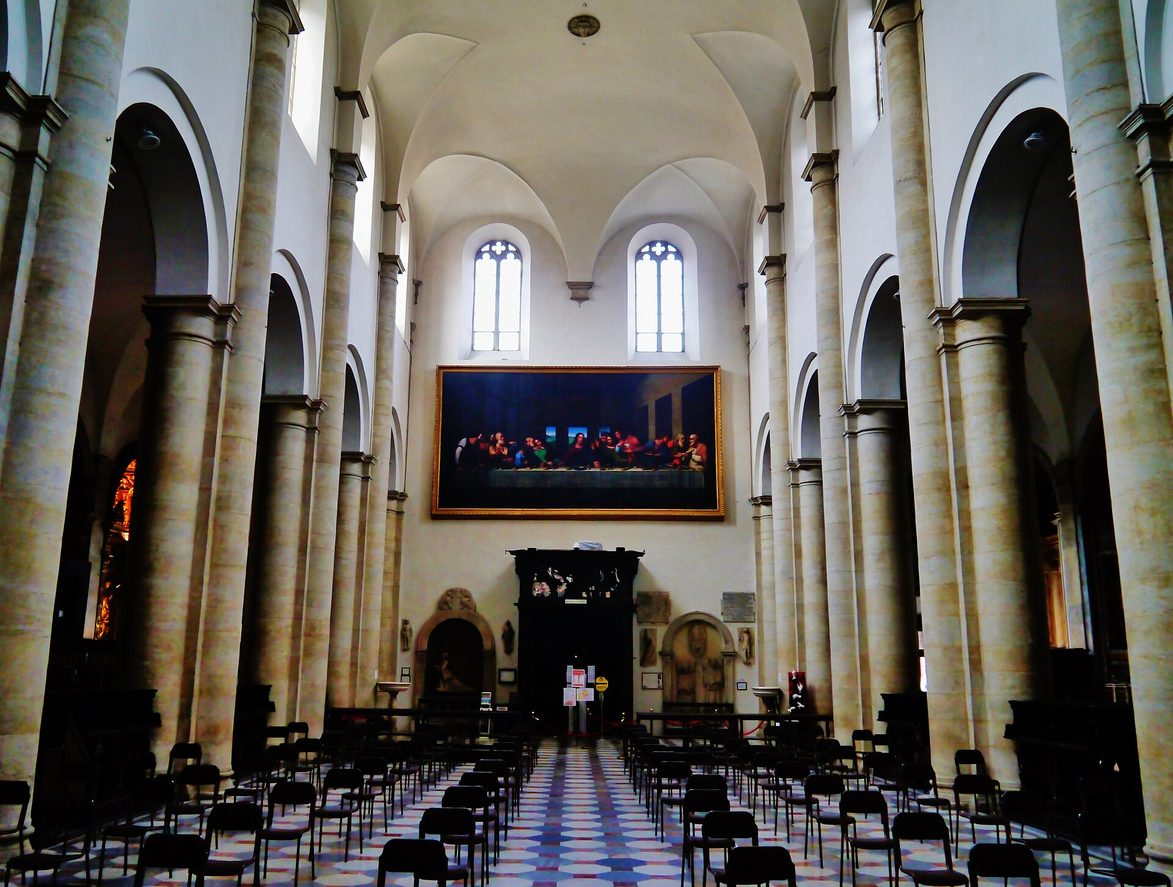
Over the main door hangs a large copy of Leonardo’s Last Supper, painted in oil by Luigi Cagna in 1835 for King Carlo Alberto. It weighs more than 900 kilograms, and the wall above the entrance was the only place in the church that could carry it.
Guarini’s Chapel of the Holy Shroud
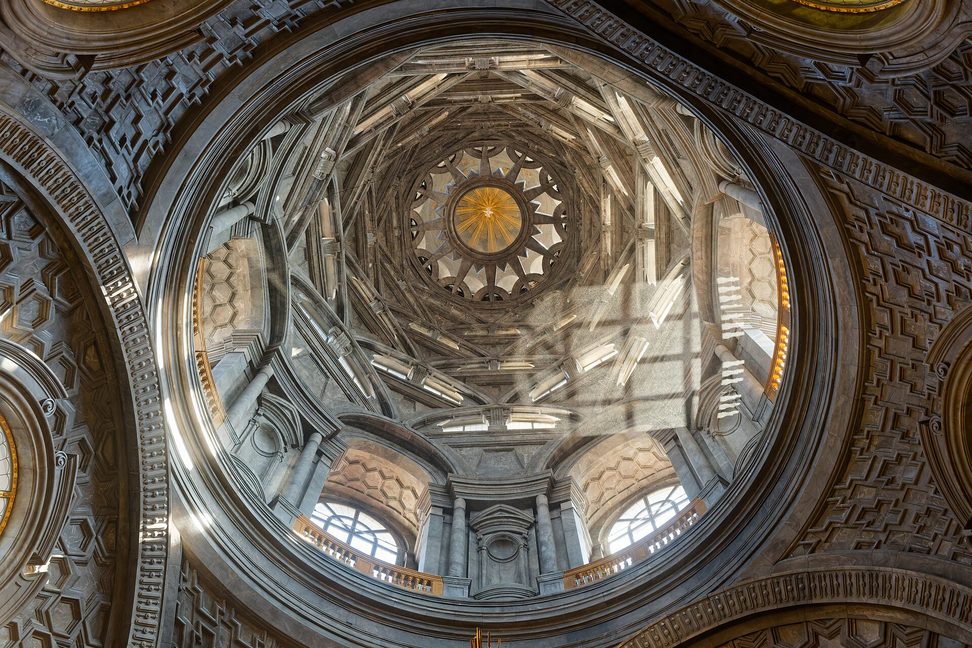
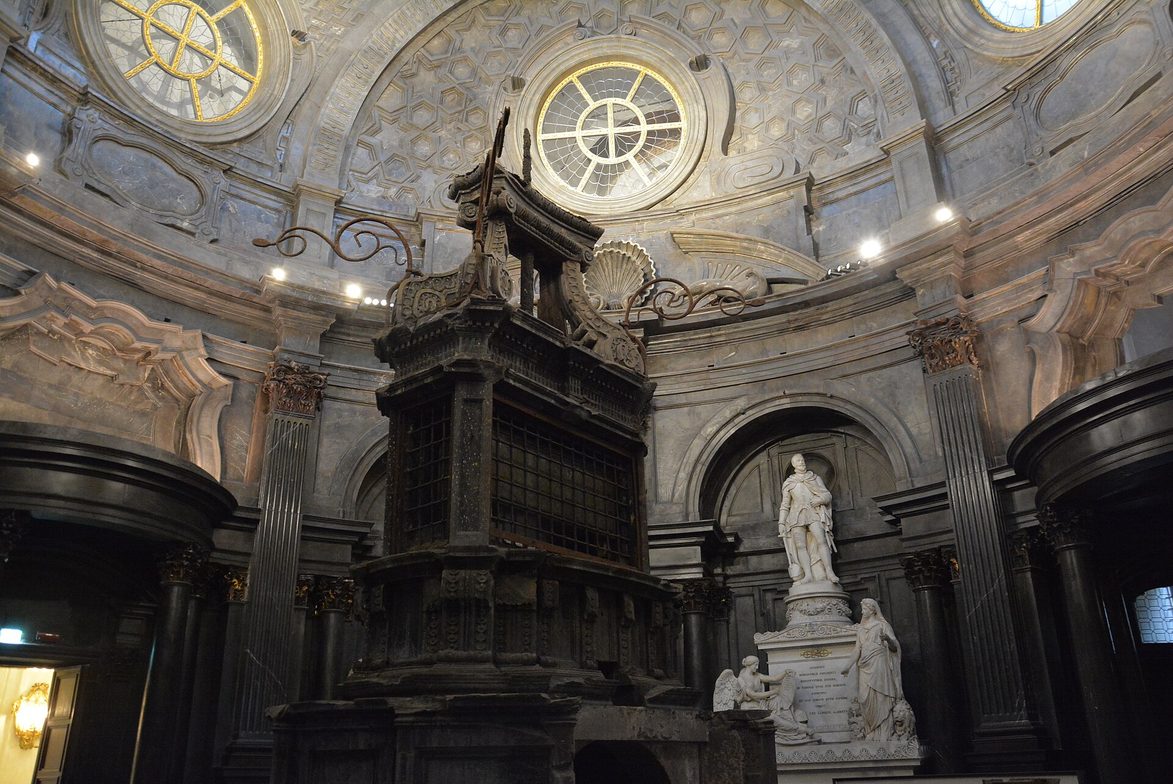
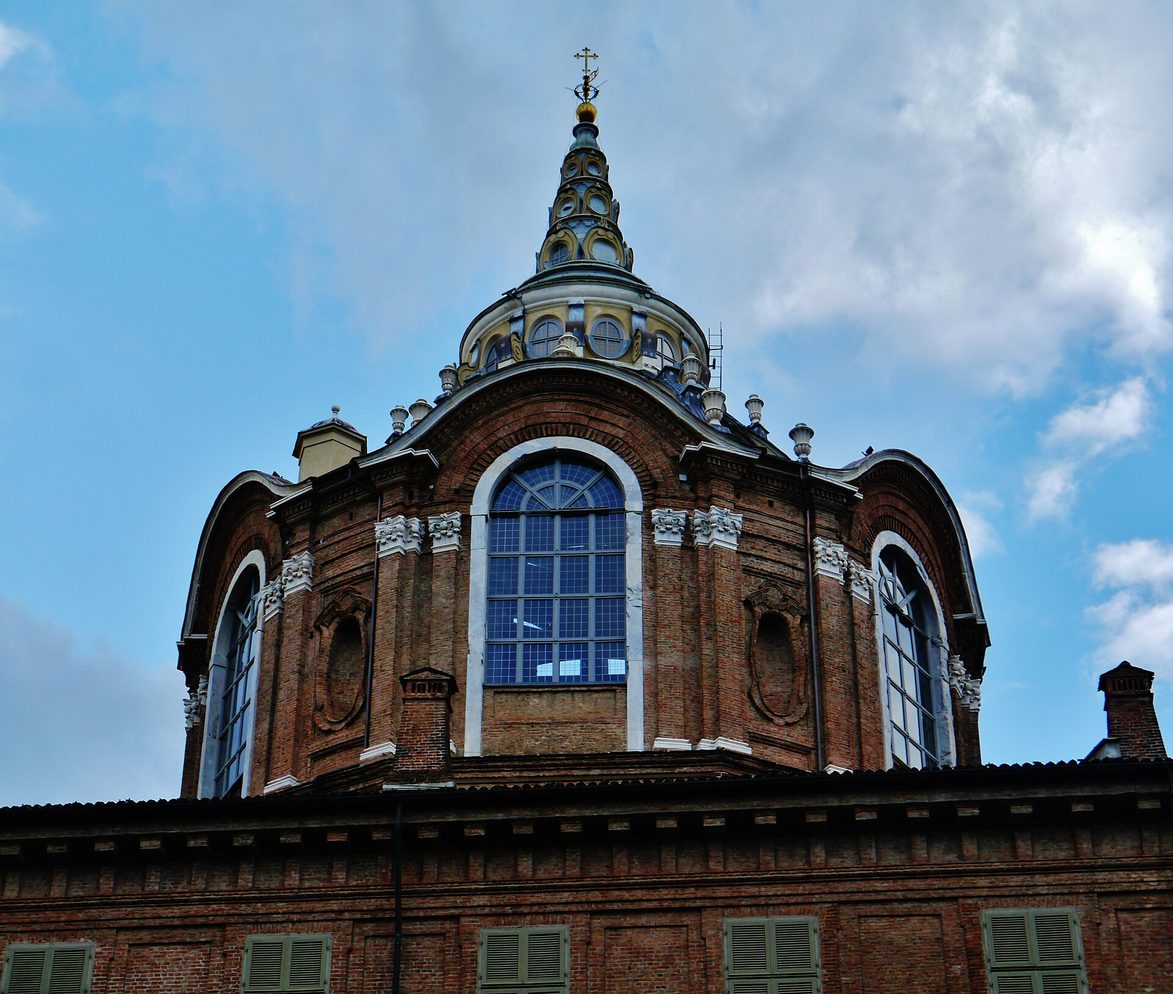
Guarini’s chapel is one of the masterpieces of Baroque architecture. Built in dark marble on a triangular plan, it rises to a dome of stacked, interlocking arches that seem to dissolve into light, crowned by a twelve-pointed star. In the centre stands Antonio Bertola’s black marble altar, which held the Shroud from 1694 to 1993. The chapel is visited as part of the Musei Reali, entered from the Royal Palace.
The Shroud and the camera
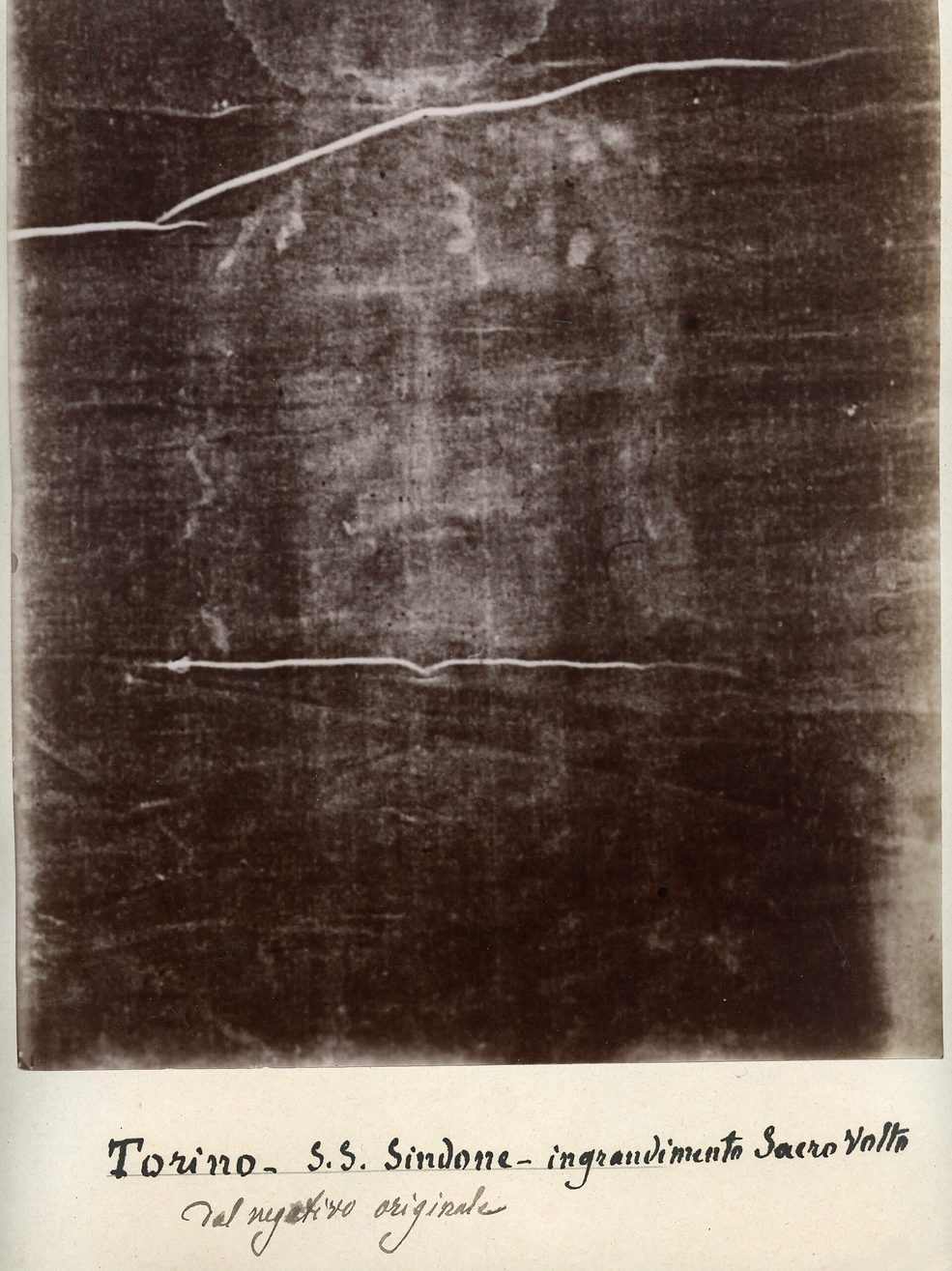
The Shroud became world-famous in 1898, when the amateur photographer Secondo Pia photographed it during an exposition and found that his negative showed a startlingly lifelike face. The Museo della Sindone, a short walk away in Via San Domenico (daily 3pm to 6pm, €8), tells the story of the cloth, its history and the science, and is the best place to understand what you cannot see in the cathedral.
The bell tower
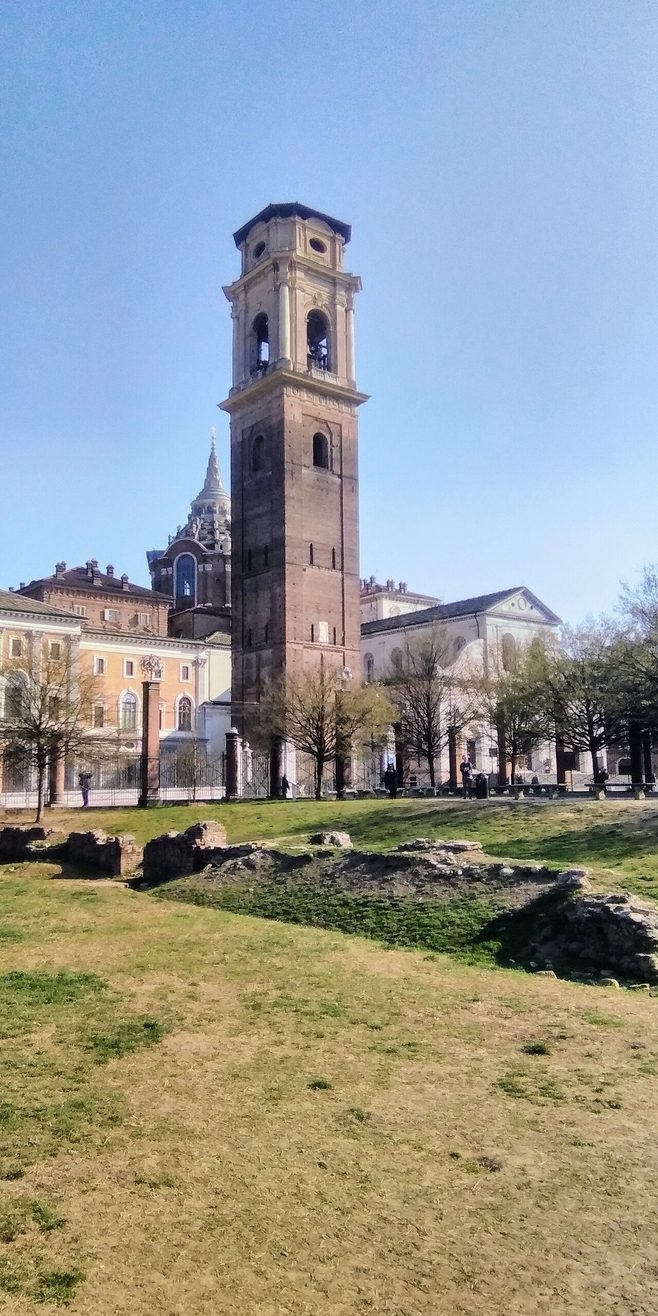
The brick bell tower, about 60 metres high, can be climbed with the Diocesan Museum in the lower church: about 200 steps, no lift, open from Friday to Monday. From the top you look down onto Guarini’s dome and across the city to the Alps.
Getting there
The cathedral is in the old centre, on Piazza San Giovanni beside the Royal Palace and a couple of minutes from Piazza Castello. From Porta Nuova station it is about 20 minutes on foot along Via Roma; from Porta Susa about the same. Trams and buses serve Piazza Castello and Via XX Settembre. The Roman Palatine Gate and the ruins of the Roman theatre are just to the north.
Where to stay
Musei Reali tickets, which include the Chapel of the Holy Shroud, are sold on the museums’ own site and at the door. The old centre around Piazza Castello and the Quadrilatero Romano is the easiest base for walking.
This link goes to Booking.com. This site earns nothing from it at present — it is here because it is the quickest way to check what is actually available.
Don’t miss
- The Shroud chapel At the end of the left aisle.
- Guarini’s dome From the Musei Reali, or from the bell tower.
- The Last Supper Turn round when you come in.
- The bell tower For the view down into the dome.
- The Museo della Sindone For the story of the Shroud.
Insider tips
Plan around lunch and Wednesdays. The cathedral closes every lunchtime, and the Musei Reali, which give the only way into Guarini’s chapel, close on Wednesdays. Come to the cathedral in the morning, then go next door to the Royal Palace; the Musei Reali are free on the first Sunday of the month, when they are also at their busiest.
Common questions
Can you see the Shroud of Turin?
Not normally. The Shroud is kept in a sealed case inside a chest in the last chapel of the left aisle, beneath the royal tribune, and is shown only during rare public expositions. The last was in 2015; there was none in 2025 or 2026, and none has been announced.
Is Turin Cathedral free?
Yes, the cathedral is free. Guarini’s Chapel of the Holy Shroud is visited from the Musei Reali, whose ticket costs €15. The bell tower costs €4.
When is Turin Cathedral open?
Monday to Friday 10am to 12.30pm and 4pm to 7pm; Saturday and Sunday 9am to 1pm and 3pm to 7pm. It closes at lunchtime every day.
How do you get into the Chapel of the Holy Shroud?
Through the Royal Palace, as part of the Musei Reali visit. You cannot enter it from the cathedral, though the large window behind the high altar is occasionally opened to give a view into it. The Musei Reali are closed on Wednesdays.
Where is the Shroud museum?
The Museo della Sindone is a separate museum in the crypt of the church of the Santo Sudario, Via San Domenico 28, under a kilometre west of the cathedral. It opens daily from 3pm to 6pm and costs €8.
More churches in Italy
- Basilica of Superga — Juvarra’s hilltop basilica above Turin, burial place of the House of Savoy.
- Milan Cathedral — the great Gothic Duomo, an hour away by fast train.
- Santa Maria delle Grazie — where you can see Leonardo’s original Last Supper.