
Mount Grace Priory
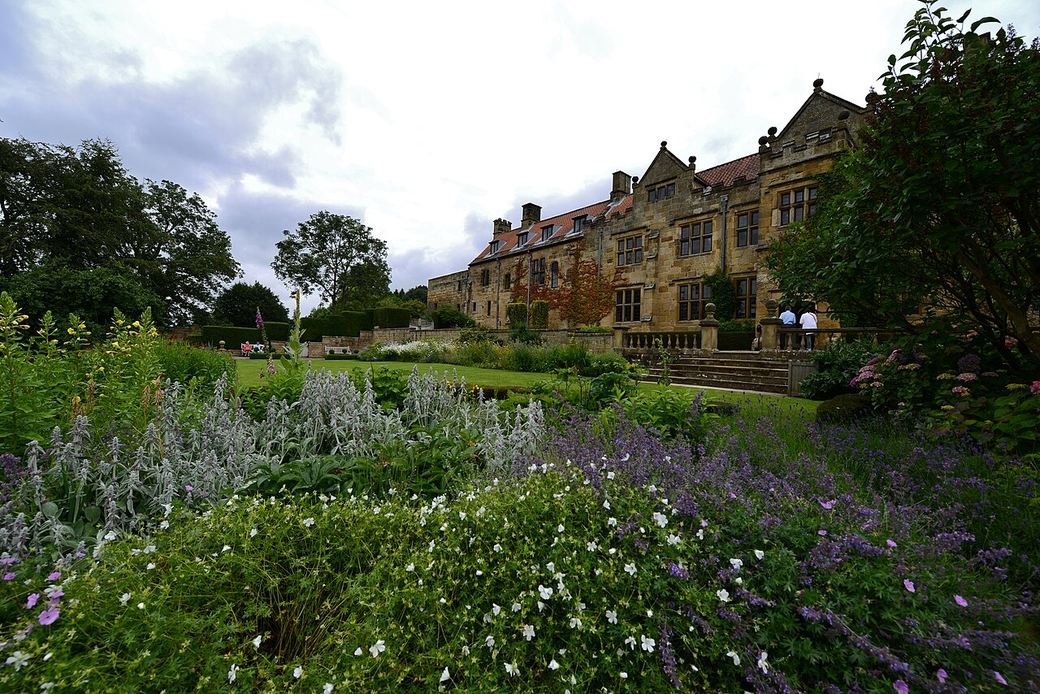
Under the wooded edge of the Cleveland Hills, Mount Grace is the best-preserved Carthusian monastery in England, and the place where you can best understand how its monks lived: each one alone, in his own small house with a garden, meeting the others only to pray. One of the cells has been rebuilt and furnished, and beside the ruins stands a manor house remodelled in the Arts and Crafts style, with terraced gardens.
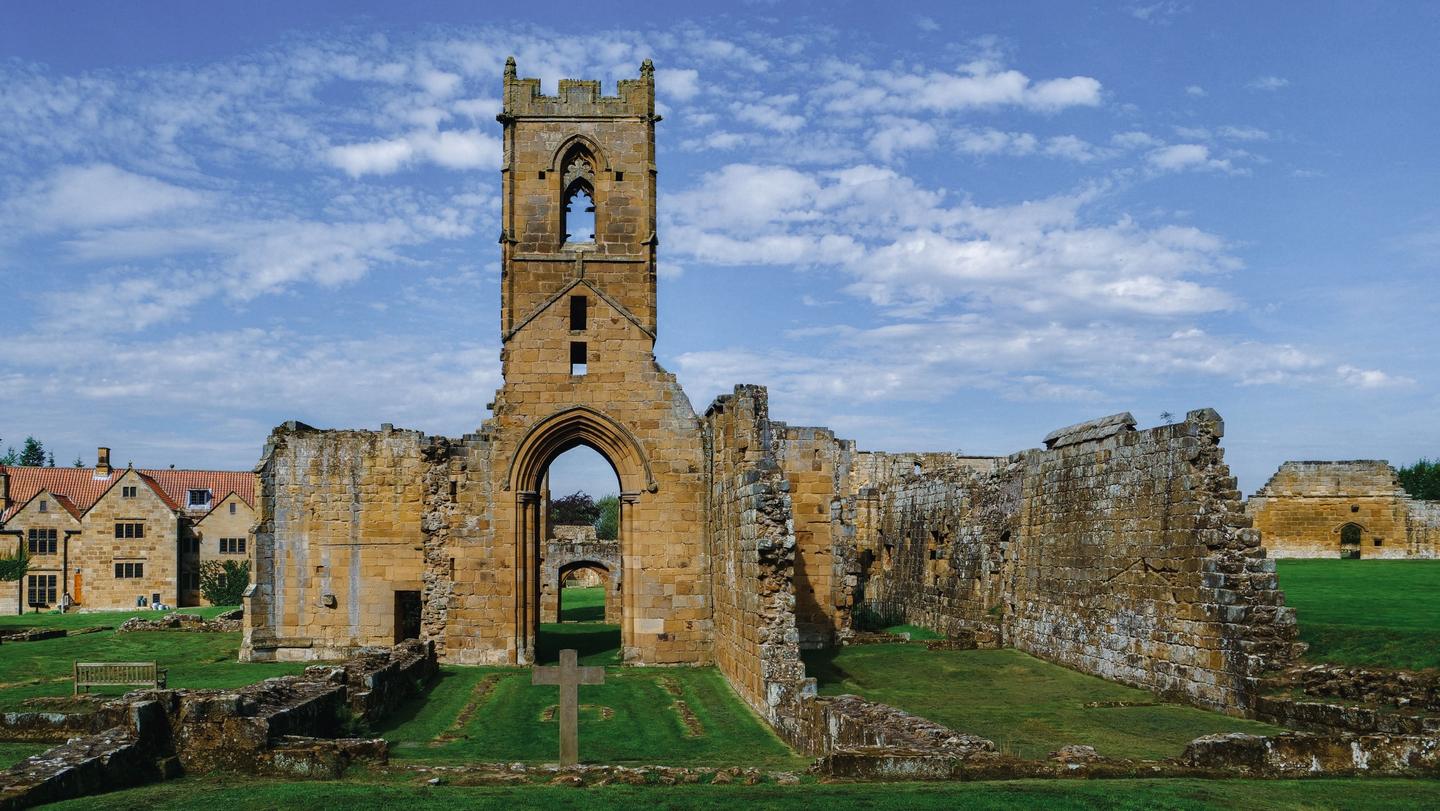
The last great Yorkshire monastery
Mount Grace was founded in 1398 by Thomas Holland, Duke of Surrey, a half-nephew of Richard II, and was the last monastery to be founded in Yorkshire. It belonged to the Carthusians, the strictest of the medieval orders, and housed only about two dozen monks, each in his own cell around a great cloister.
The Carthusians were admired for their holiness and their books. The only surviving manuscript of The Book of Margery Kempe, the first autobiography in English, belonged to the monks of Mount Grace. Henry VIII closed the priory in 1539. In the seventeenth century the guest house was turned into a manor house, and around 1900 Sir Lowthian Bell, the Teesside ironmaster, remodelled it.
The visitor's cheat sheet
| Where | Staddlebridge, near Northallerton, North Yorkshire, DL6 3JG |
|---|---|
| Getting there | Off the A19, about 7 miles north-east of Northallerton; car park on site; nearest stations Northallerton and Thirsk |
| Opening hours | Usually daily 10am–5pm, last entry 4.30pm; winter hours may differ |
| Admission | English Heritage ticket, roughly £10–£13 for adults, cheaper booked online; free for English Heritage and National Trust members |
| How long | 1.5 to 2 hours, with the house and gardens |
| Best time | Late spring and summer, when the gardens are at their best |
| Dress code | Outdoor site; good shoes |
| Tours | Reconstructed cell, manor house displays, family trail; café |
Hours and admission checked against the official site in October 2026. They change; the official site is always the last word.
Meals through a hatch. A Carthusian monk ate alone. His food was passed into his cell through an L-shaped hatch beside the door, so that he did not see, or speak to, the lay brother who brought it.
What to see, in the order you meet it
The manor house
Visits begin through the manor house, with displays on the priory and on the Bell family, whose Arts and Crafts furnishings and wallpapers survive in some of the rooms.
The church
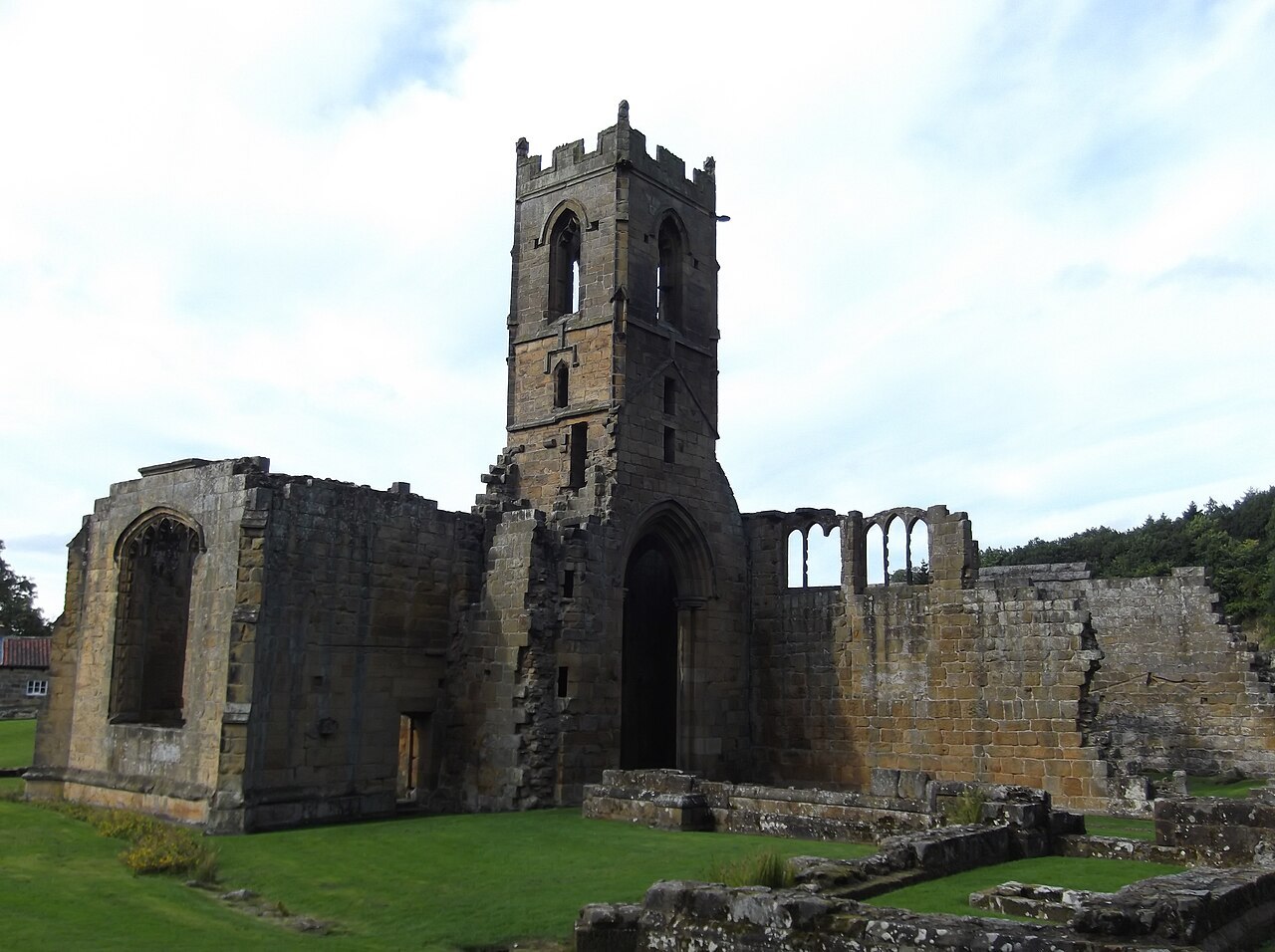
The priory church is small — the monks spent most of their time in their cells — but its central tower still stands to its full height and dominates the site.
The great cloister and the cells
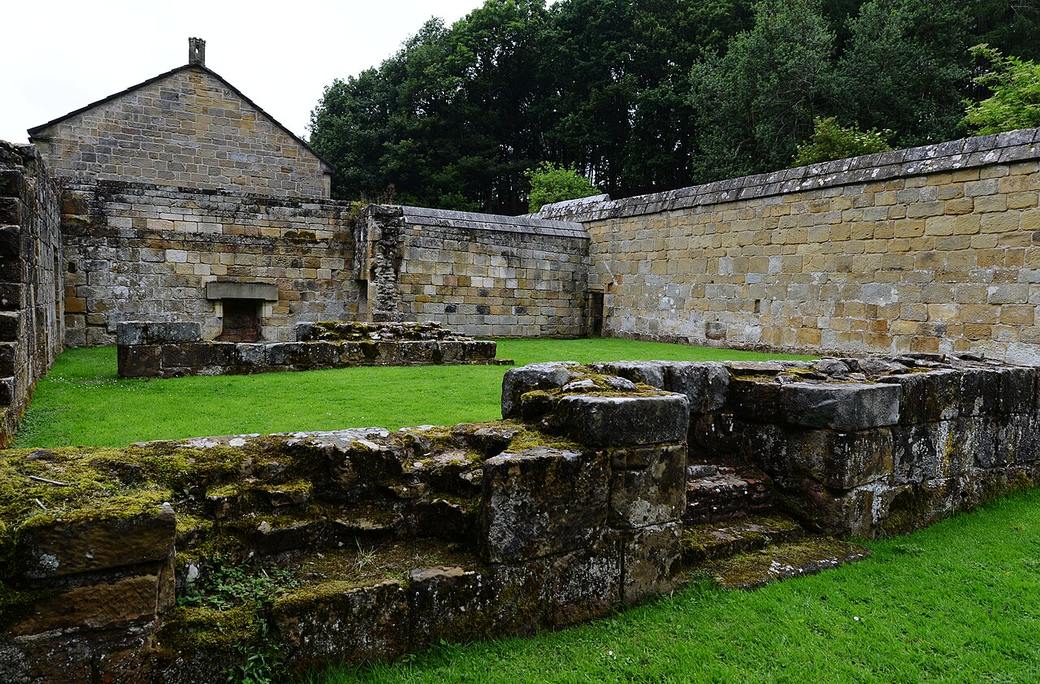
Around the great cloister lie the remains of the monks’ cells, each a two-storey house with a walled garden, a workroom and its own water supply. You can still see the hatches beside the doors.
The reconstructed cell
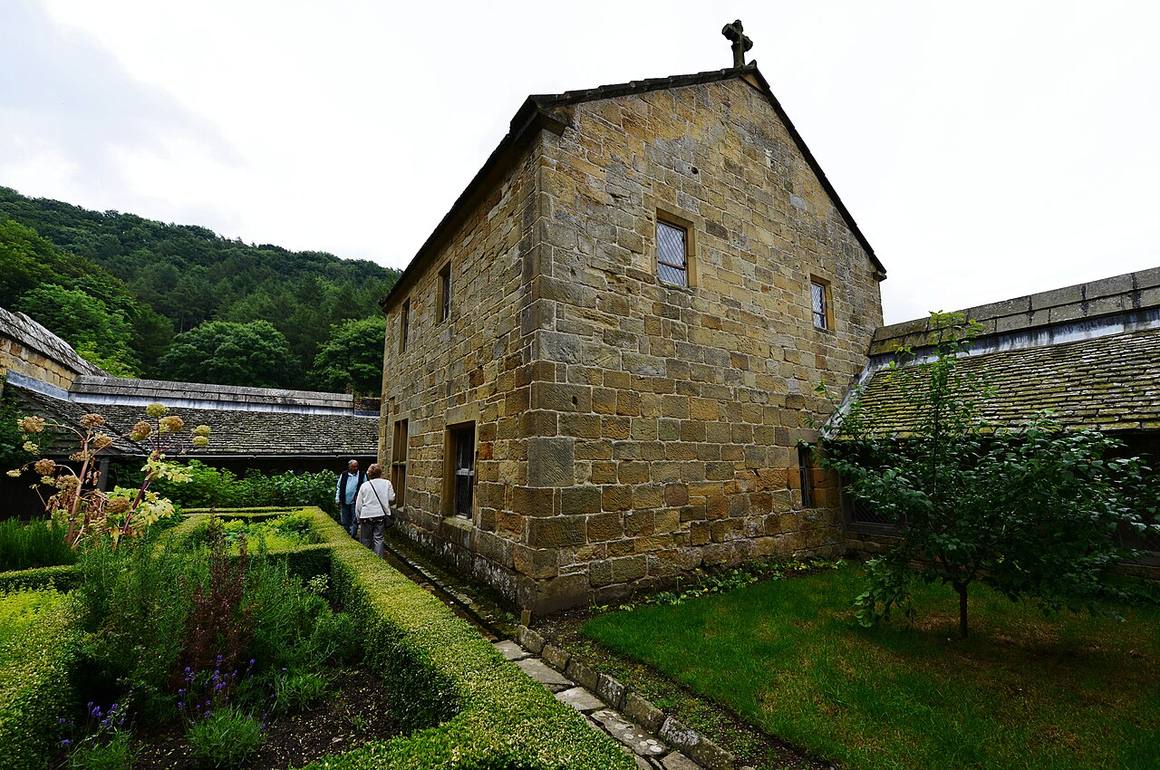
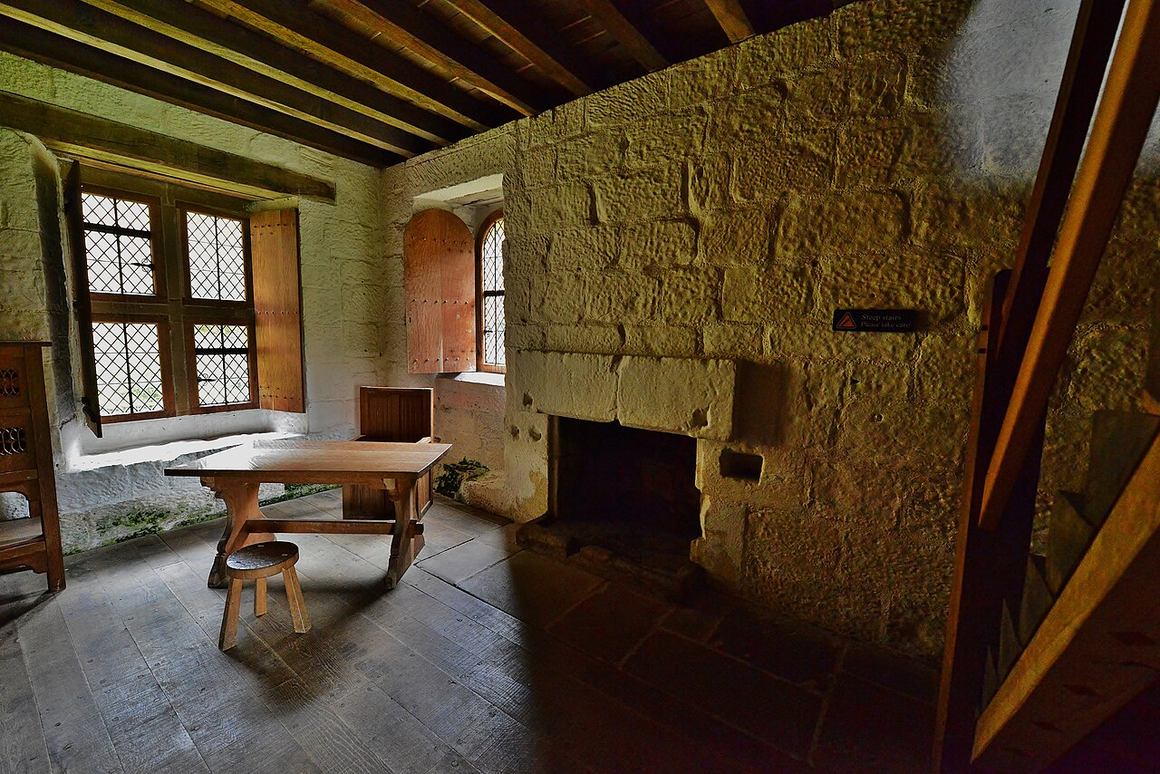
One cell has been rebuilt and furnished as it might have been around 1500, with a living room, a bedroom and oratory, a workshop upstairs and a small garden. It is the best place in England to imagine the silent life of a Carthusian monk.
Tickets and tours
English Heritage ticket
Expect to pay roughly £10–£13 for an adult, depending on the date, with savings for booking online in advance. English Heritage and National Trust members go free. Open daily 10am–5pm; check winter hours before you travel.
The hotel link goes to Booking.com. This site earns nothing from it at present — it is here because it is the quickest way to check what is actually available.
Don't miss
- The reconstructed cell A Carthusian monk’s house, furnished.
- The food hatches Beside every cell door.
- The church tower Still standing at the heart of the ruins.
- The manor house Arts and Crafts interiors.
- The gardens Terraces, borders and orchard.
- The woods The Cleveland Hills rise behind the priory.
Insider tips
See the cell first. Go straight to the reconstructed cell before you walk round the ruins: once you have stood inside one, the rows of low walls round the cloister make sense as two dozen separate houses.
Common questions
How much does it cost to visit Mount Grace Priory?
Mount Grace is owned by the National Trust and run by English Heritage, which sets prices by date: expect roughly £10–£13 for an adult, less if you book online in advance. English Heritage and National Trust members go free. Check the English Heritage website for today’s price.
When is Mount Grace open?
It is usually open daily from 10am to 5pm, with last entry at 4.30pm. Winter hours may differ, so check the English Heritage website before you travel.
Who were the Carthusians?
A strict order of monks founded by St Bruno in 1084, at the Grande Chartreuse in the French Alps. Each monk lived alone in his own cell, praying, studying and working, and met the others only for some services and on feast days. An English Carthusian house is called a charterhouse.
What is in the manor house?
The house was made out of the priory’s guest house in the seventeenth century and later remodelled by the ironmaster Sir Lowthian Bell in the Arts and Crafts style. It has displays on the Bell family and the history of the site, and it looks out over terraced gardens.
How do you get to Mount Grace Priory?
The priory is just off the A19, about seven miles north-east of Northallerton. There is a car park on site. The nearest stations are Northallerton and Thirsk; there is no easy bus.
Where to stay and eat nearby
There is a café on site. Northallerton, Thirsk and Osmotherley, the village on the hill above, have inns and places to stay.
More English churches
- Rievaulx Abbey — across the moors, near Helmsley
- Byland Abbey — another North Yorkshire ruin
- Fountains Abbey — the greatest of the Yorkshire abbeys
See all the cathedrals and churches worth visiting in England →