
Mission San Juan Capistrano, California
Halfway between Los Angeles and San Diego, Mission San Juan Capistrano was founded in 1776, the seventh of the twenty-one Spanish missions of California. Its great stone church fell in an earthquake only six years after it was finished, and the ruins still stand among gardens and fountains. Beside them, the little Serra Chapel is often called the oldest building in California still in use. And every March, the town waits for the swallows to come back.
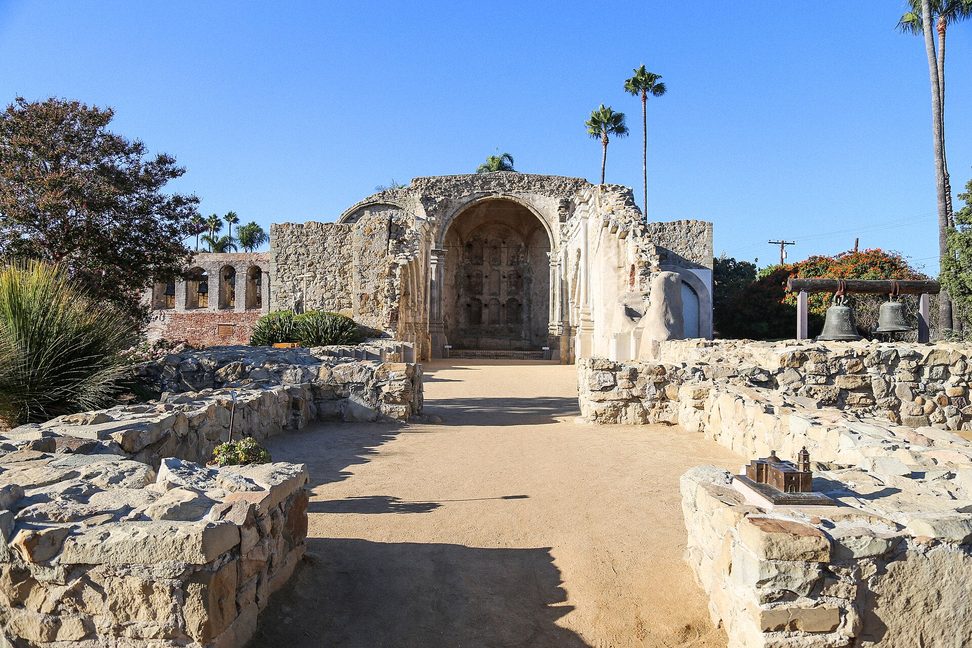
The jewel of the missions
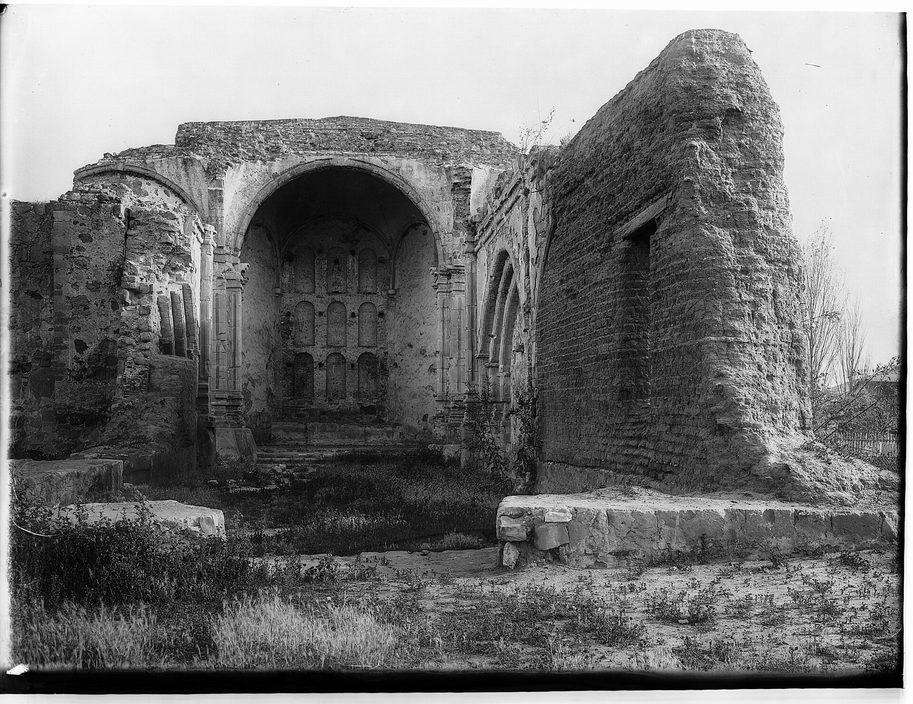
The mission was founded by the Franciscan friar Junípero Serra on 1 November 1776, to convert the Acjachemen people of the valley, who built and worked it. In 1797 work began on a great stone church, the most ambitious building in Spanish California, with a bell tower that could be seen for miles. It was finished in 1806. On 8 December 1812, during Mass, an earthquake brought down the tower and the roof, killing forty worshippers and two boys who were ringing the bells.
After Mexican independence the missions were taken from the Church, and San Juan Capistrano fell into ruin. It was returned to the Church in the 1860s, and restoration began in earnest in the early twentieth century. The ruins of the stone church were stabilised and made safe in the 2000s, and the mission celebrated its 250th anniversary in November 2026.
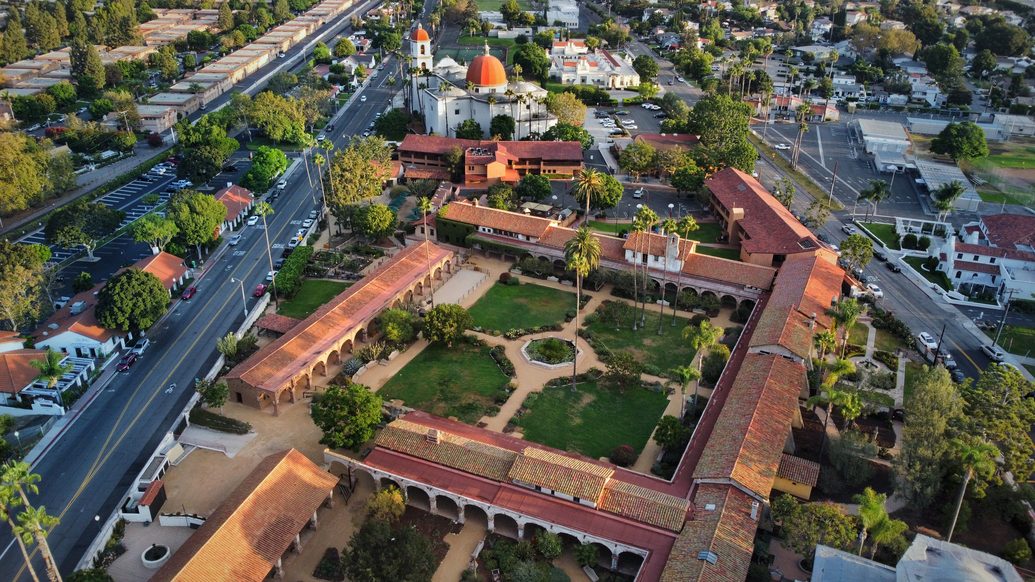
The visitor’s cheat sheet
| Opening hours | Tuesday–Sunday 9am–5pm (last tickets 4.45pm); closed Mondays, Thanksgiving, 25 December and some event days; early closing 24 December and Good Friday |
|---|---|
| Admission | 2026: adults $19, seniors 60+ $16, students and children 5+ $11, under-5s free; audio tour included |
| Tours | Free audio tour in six languages; guided tour at weekends, booked separately |
| Photography | Allowed; no tripods, drones, selfie sticks or flash inside the buildings |
| Getting there | Train to San Juan Capistrano station (Amtrak Pacific Surfliner, Metrolink), two blocks away |
| Parking | Street parking and public car parks nearby |
| How long | About 2 hours |
Hours and admission checked against the official site in November 2026. They change; the official site is always the last word.
What to see
The Great Stone Church
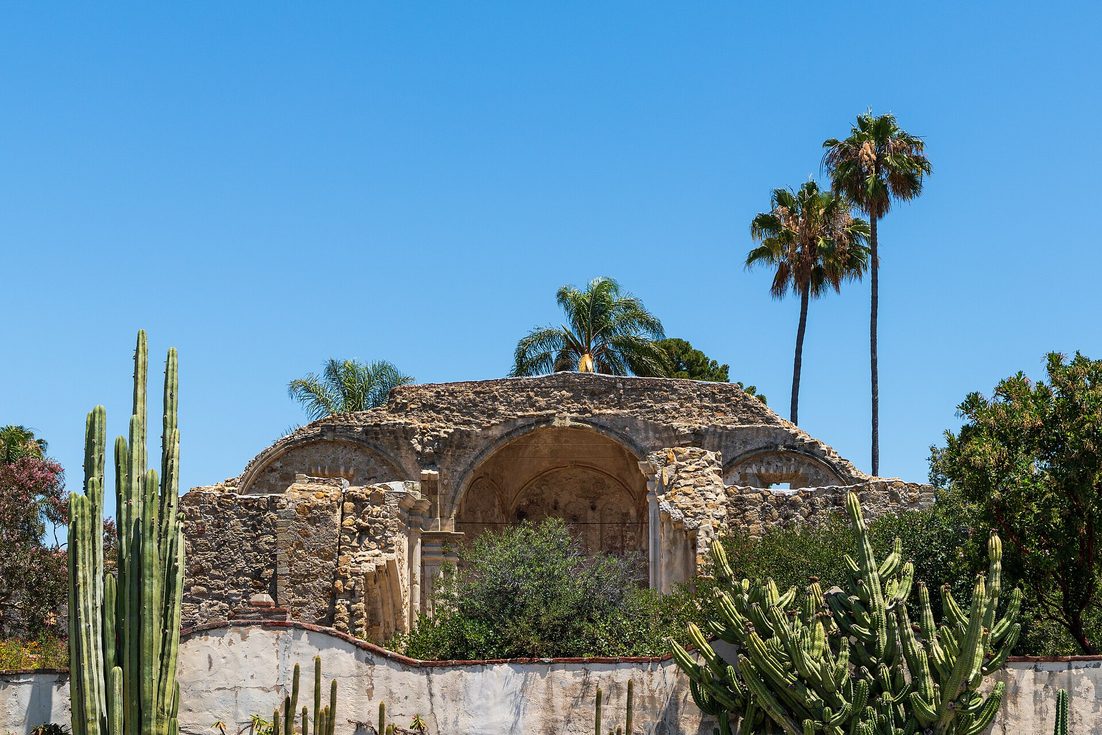
The ruins are the heart of a visit: the sanctuary and transept walls of the church of 1797–1806, with the great arches of the sanctuary still standing, though its domes have gone. Two of the original bells hang inside, where the bell tower stood.
The bell wall and the Sacred Garden
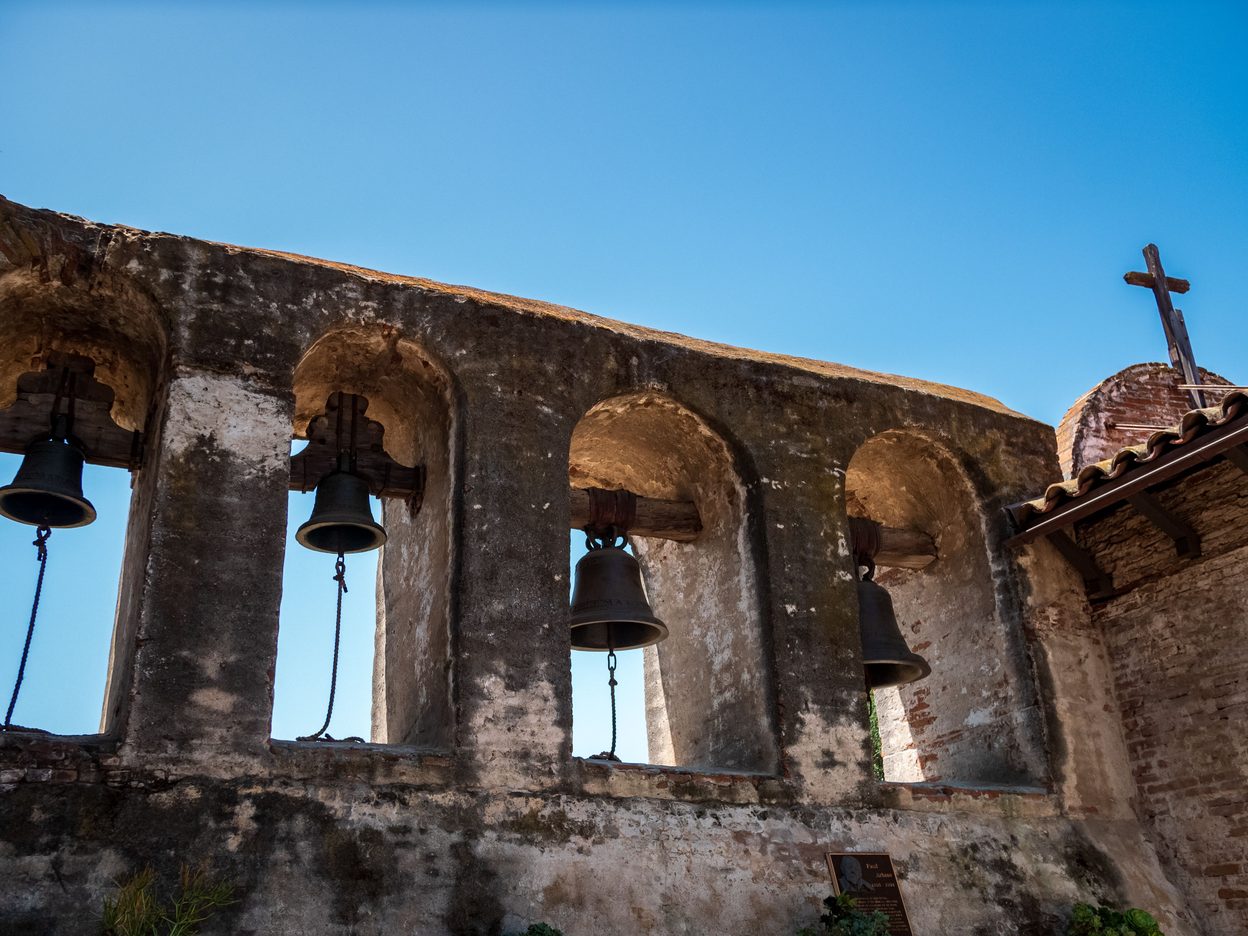
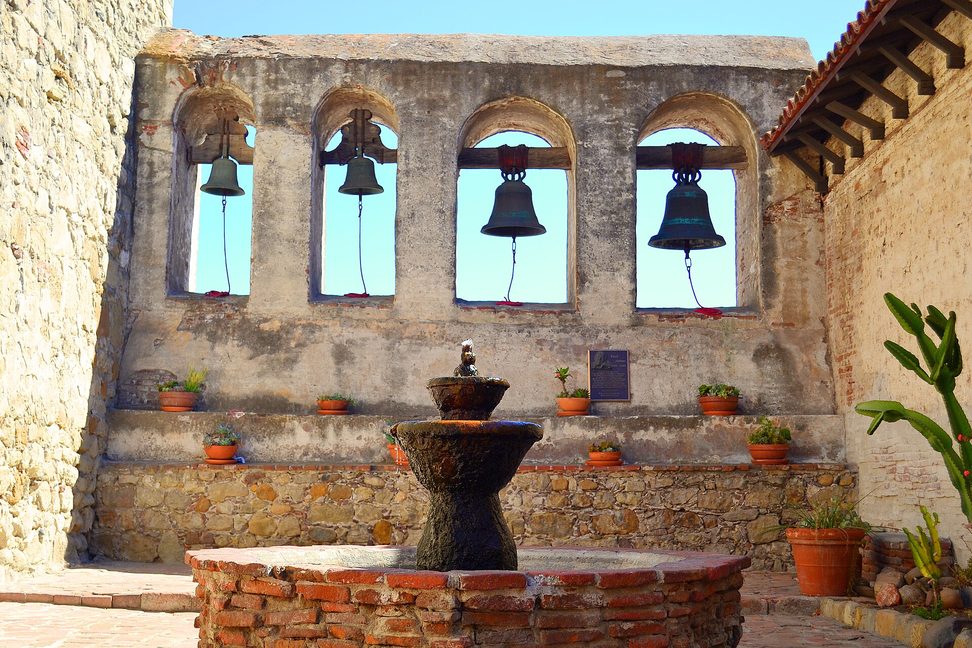
After the earthquake, the bells were hung in a simple wall, the campanario, between the ruins and the old chapel. Two of the bells are originals. In front of it, the small Sacred Garden, laid out in 1920 round a fountain, is one of the most photographed corners of the mission.
The Serra Chapel
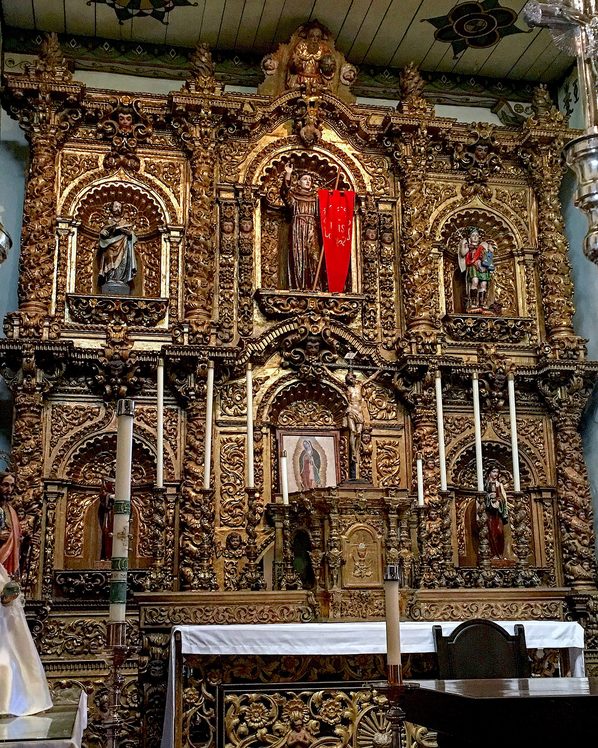
Built around 1782, the long, narrow adobe chapel is the only surviving church in which Junípero Serra is known to have celebrated Mass. Behind the altar is a gilded carved altarpiece made in Barcelona, and three former pastors are buried under the sanctuary floor. Mass is still said here.
The courtyards and workshops
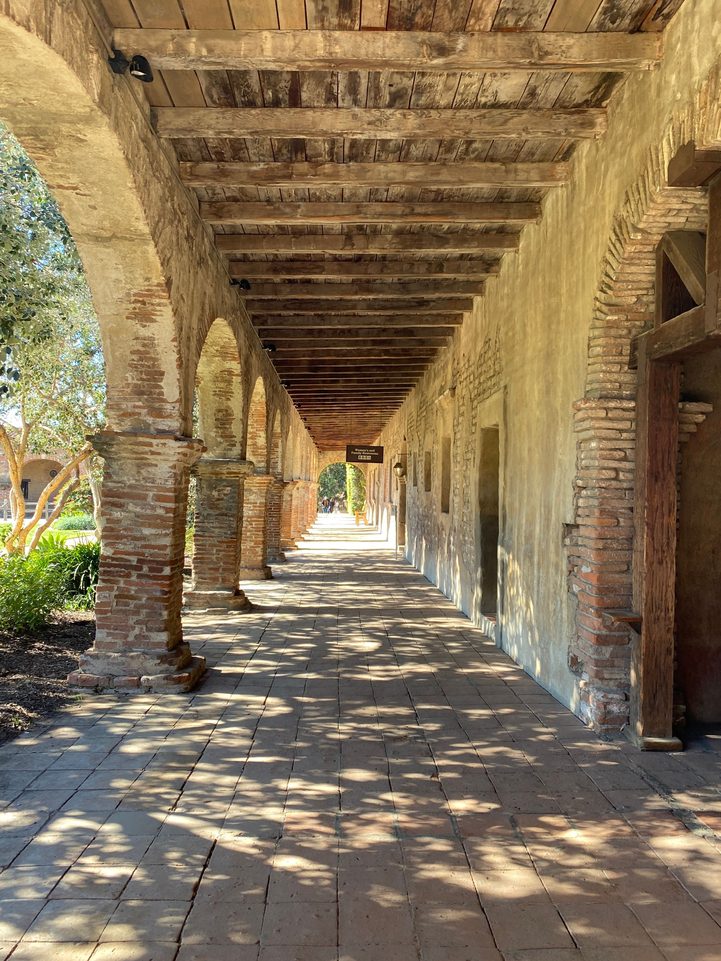
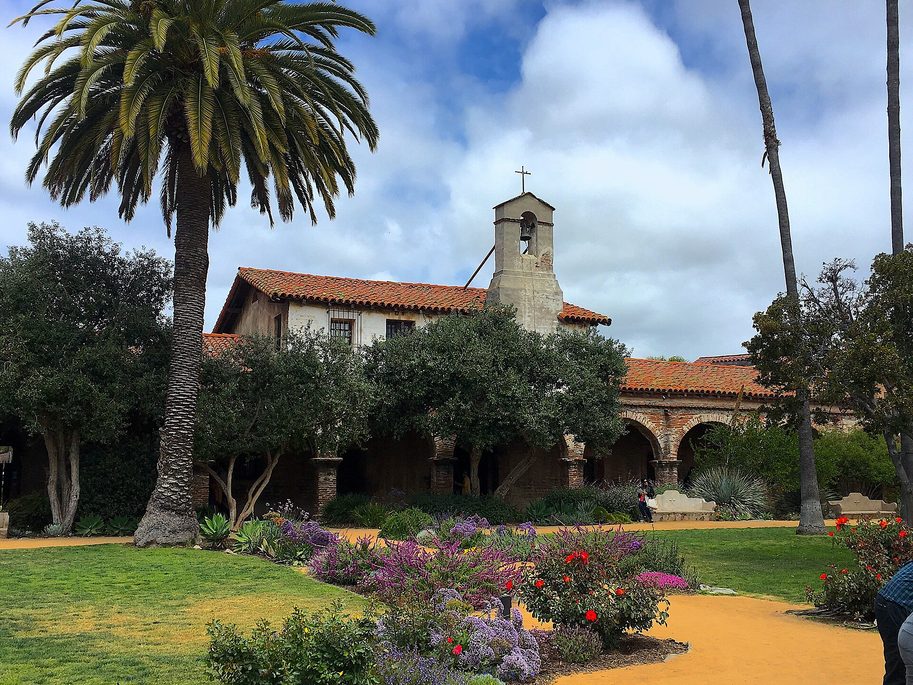
The arcaded wings round the central courtyard hold the padres’ rooms, the soldiers’ barracks and museum displays on the Acjachemen people and the mission’s history. Behind them are the remains of the mission’s industries: vats for rendering tallow and the oldest Catalan furnaces in California.
The swallows
For generations cliff swallows nested under the mission’s eaves, and by tradition they return from South America on St Joseph’s Day, 19 March. The town celebrates with bells, a festival and the Swallows Day Parade. In recent decades far fewer birds have nested at the mission itself, though it has tried recorded calls and artificial nests to bring them back.
Getting there
The mission is at the corner of Ortega Highway and Camino Capistrano, in the centre of San Juan Capistrano, off Interstate 5 in southern Orange County. San Juan Capistrano station, served by Amtrak’s Pacific Surfliner and by Metrolink, is about two blocks away, roughly an hour and a quarter from Los Angeles Union Station and an hour and a half from San Diego. Next to the station is the Los Rios Historic District, with some of the oldest houses in California.
Where to stay
Tickets are sold by the mission, online or at the door. San Juan Capistrano has a few hotels, and the beaches of Dana Point are ten minutes away.
This link goes to Booking.com. This site earns nothing from it at present — it is here because it is the quickest way to check what is actually available.
Don’t miss
- The Great Stone Church Ruined by the earthquake of 1812.
- The bell wall From the Sacred Garden.
- The Serra Chapel The gilded altarpiece.
- The central courtyard Fountain and koi.
- Los Rios Street Old houses by the station.
Insider tips
Come by train. The station is two blocks away, and parking near the mission fills up at weekends and during events.
Go early on St Joseph’s Day. The mission is at its busiest around 19 March and the Swallows Day Parade, with special pricing that day. Any other spring morning is quieter.
Common questions
How much does it cost to visit Mission San Juan Capistrano?
In 2026: adults $19, seniors (60 and over) $16, and students and children from 5 $11; children 4 and under go free. The audio tour is included.
When is the mission open?
Tuesday to Sunday, 9am to 5pm, with the last tickets sold at 4.45pm. It is closed on Mondays, Thanksgiving and Christmas Day, closes early or all day on Christmas Eve, closes at noon on Good Friday, and shuts for some events, so check the mission’s calendar.
When do the swallows come back?
Tradition says on St Joseph’s Day, 19 March, which the mission celebrates with bells and a festival; the town’s Swallows Day Parade follows on a Saturday soon after (20 March in 2027). Far fewer swallows nest at the mission than in the past, so do not count on seeing them.
Can you get there by train?
Yes. Amtrak Pacific Surfliner and Metrolink trains stop at San Juan Capistrano station, about two blocks from the mission entrance.
Is the Serra Chapel still used?
Yes. The chapel, built around 1782, is often called the oldest building in California still in use, and Mass is still celebrated there.
More churches in the United States
- Grace Cathedral, San Francisco — Gothic on Nob Hill, with labyrinths inside and out.
- Washington National Cathedral — Gothic high above the capital.