
Wawel Cathedral, Kraków
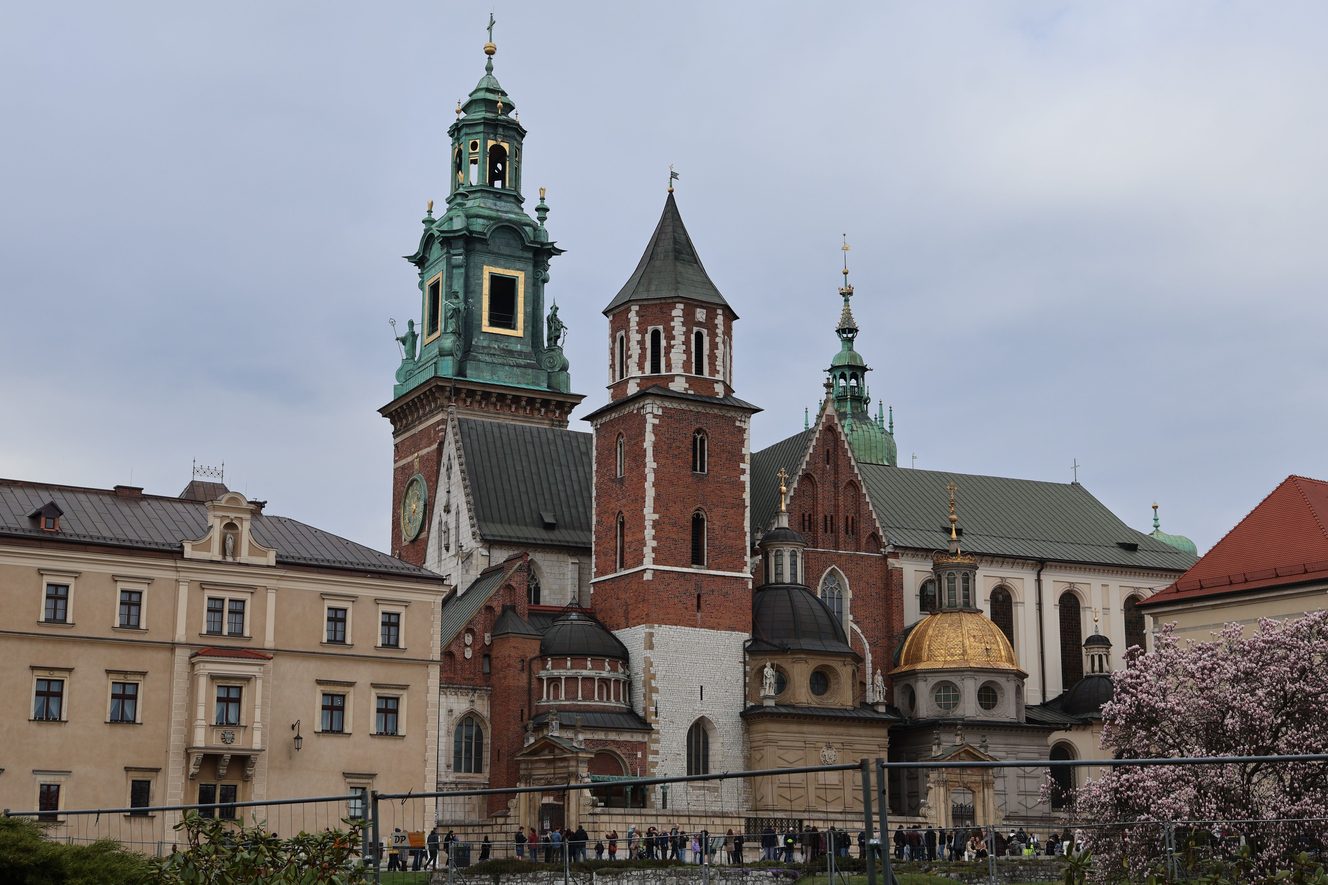
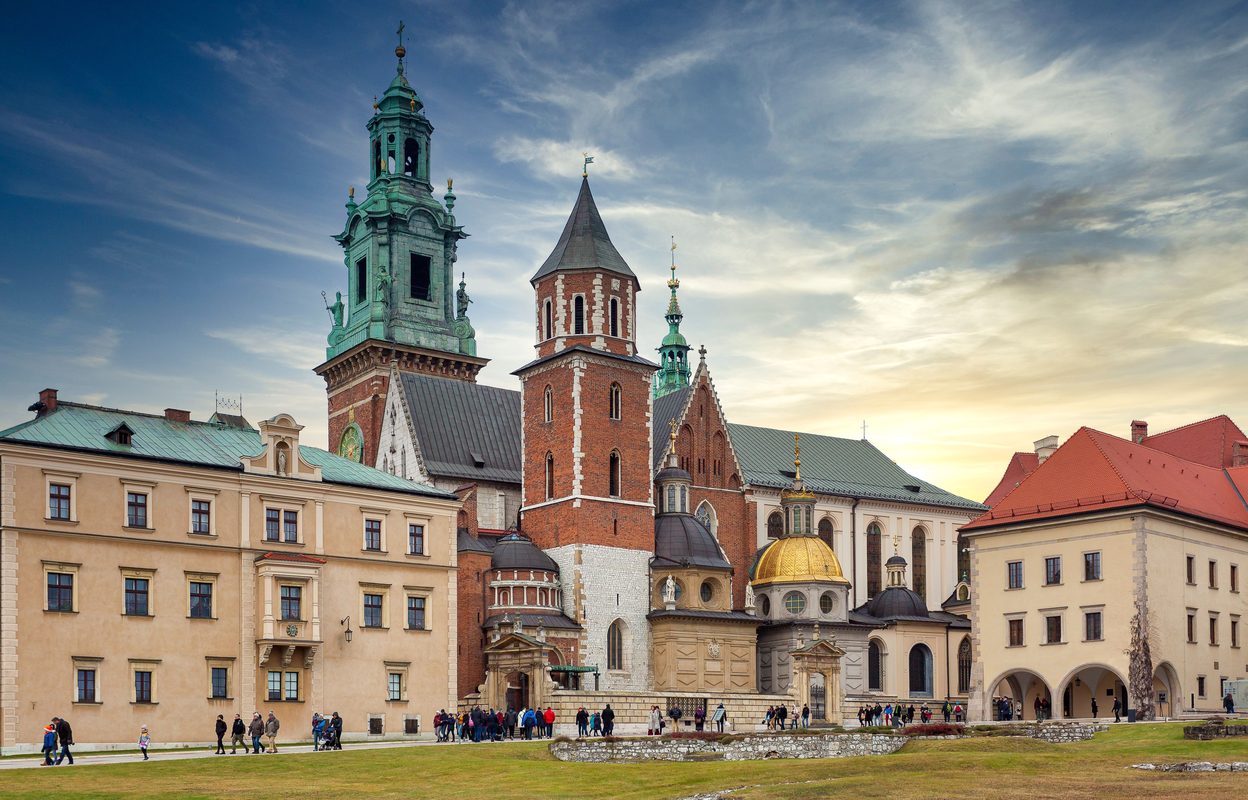
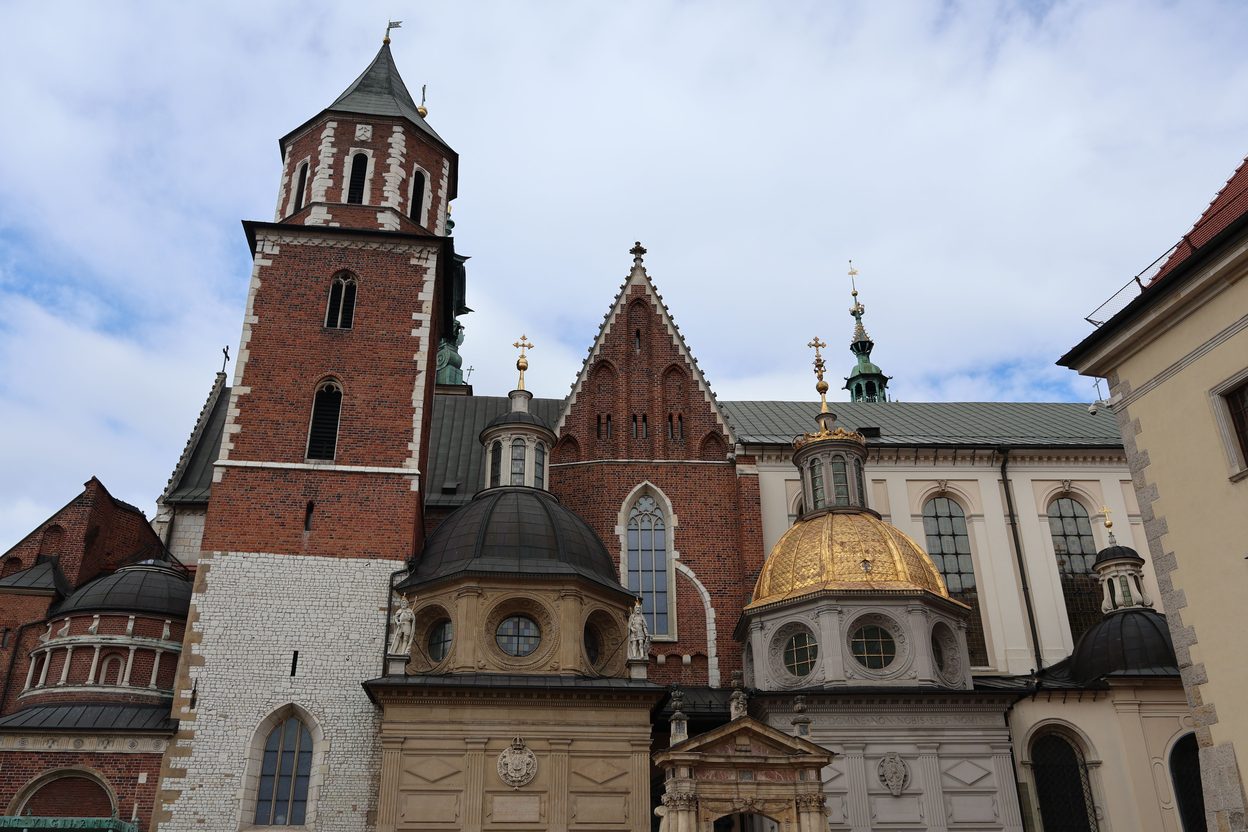
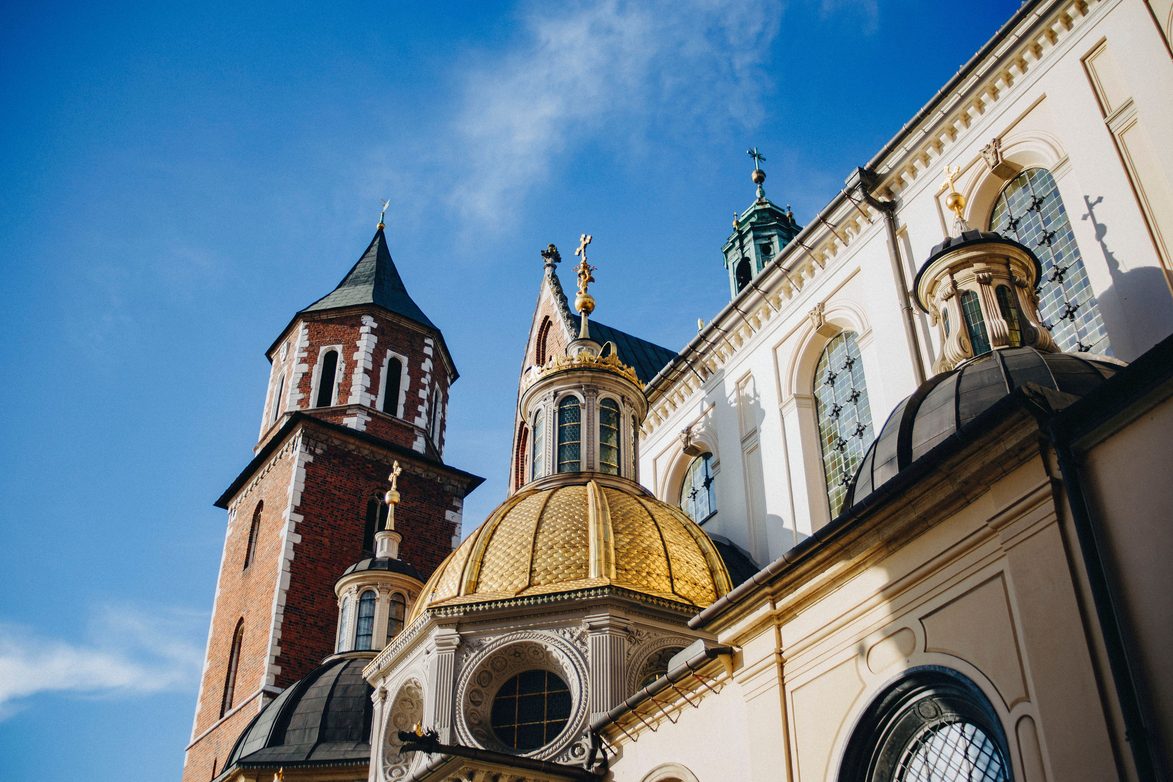
On Wawel Hill above the Vistula, beside the royal castle, stands the cathedral where the kings of Poland were crowned and buried. Wawel Cathedral is a Gothic church ringed with chapels of every age, from the golden-domed Renaissance Sigismund Chapel to Baroque mausoleums. Below it lie kings, poets and national heroes; above it hangs the great Sigismund Bell. It is often called Poland’s national sanctuary, and one ticket covers almost everything.
The nation’s church
There has been a cathedral on Wawel Hill since about the year 1000. The present Gothic building was begun in the fourteenth century, and from 1320 almost every Polish king was crowned here. Over the following centuries kings, bishops and noble families added chapels all the way round it, so that the outside is a patchwork of towers and domes. When the capital moved to Warsaw, the kings were still brought here to be buried, and in the nineteenth and twentieth centuries the crypts became a national pantheon.
Formally it is the Royal Archcathedral Basilica of Saints Stanislaus and Wenceslaus. St Stanislaus, the bishop of Kraków killed in 1079, is one of Poland’s patron saints, and his silver coffin stands under a Baroque canopy in the middle of the church. Pope John Paul II, as Karol Wojtyła, was archbishop here.
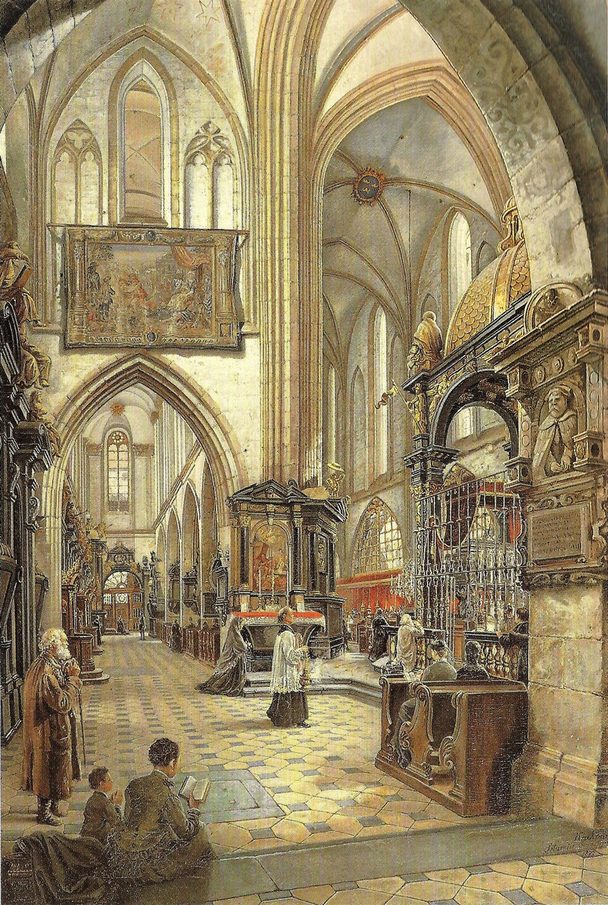
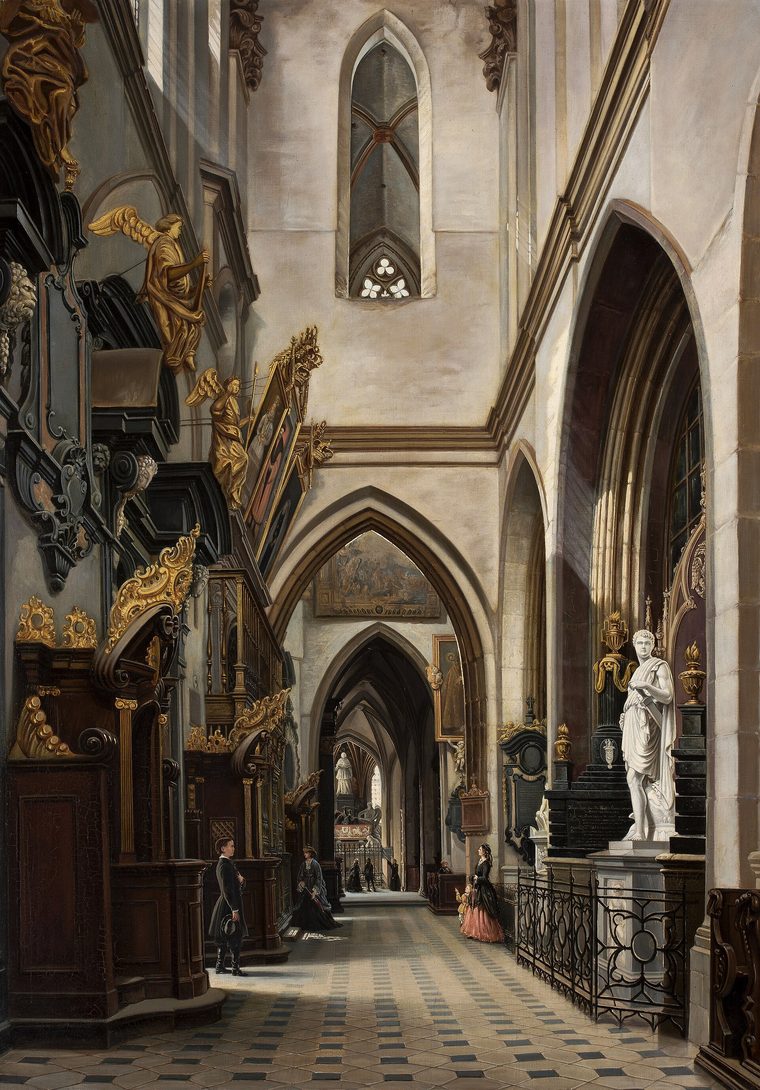
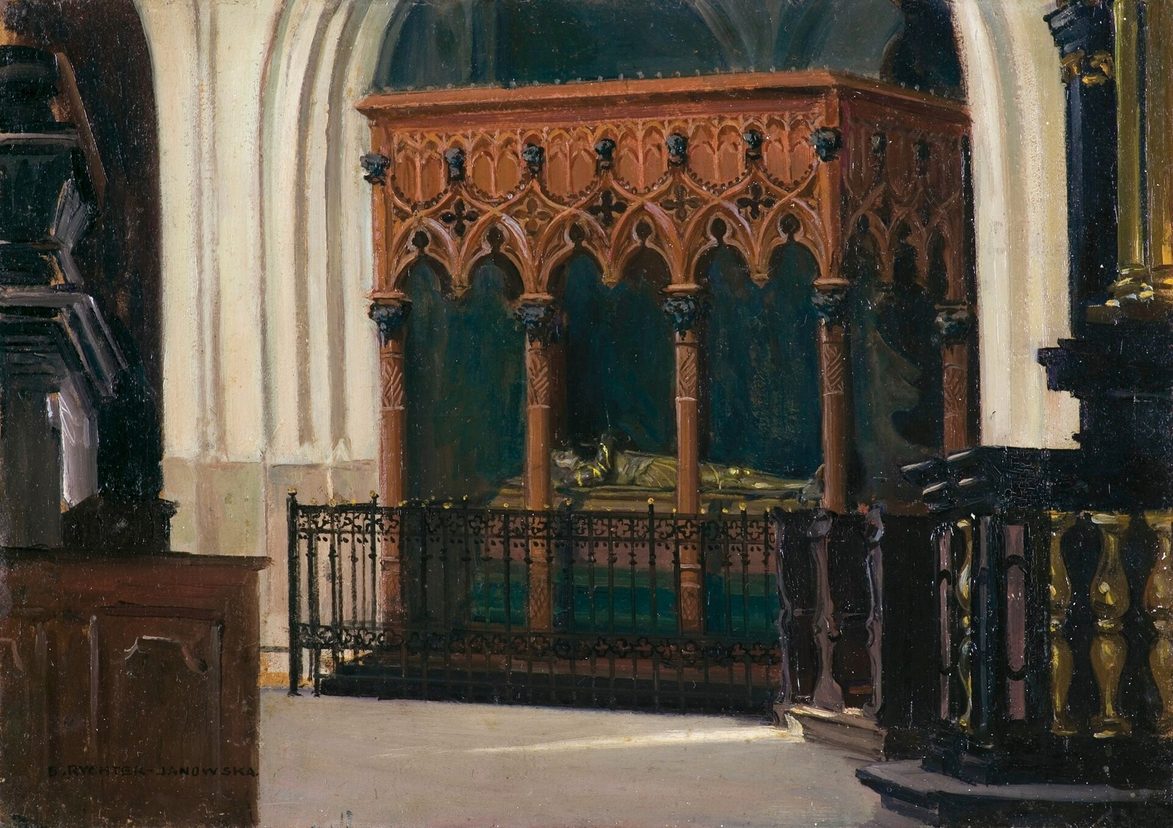
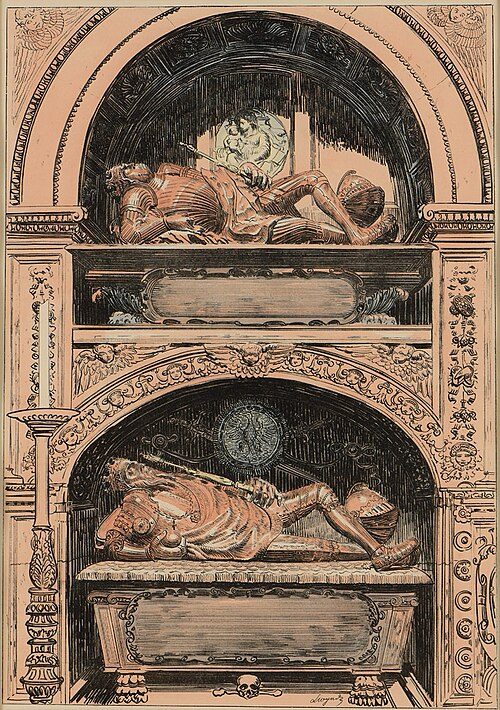
The cathedral does not allow photographs of its interior to be published, so this guide shows the inside through paintings and old photographs.
The visitor’s cheat sheet
| Opening hours | Apr–Oct: Mon–Sat 9am–5pm, Sun 12.30–5pm. Nov–Mar: Mon–Sat 9am–4pm, Sun 12.30–4pm. Last entry 30 minutes before closing |
|---|---|
| Admission | 26 zloty, reduced 18 (2026); with audio guide 41 or 29; under-7s free. Covers the cathedral, bell, tombs and museum |
| Closed | During services, on 24–25 December and from Good Friday to Easter Sunday; shorter hours on Maundy Thursday and some national days |
| Not included | Wawel Castle’s State Rooms and other exhibitions: separate tickets |
| Photography | Personal use only; no flash, tripods or selfie sticks |
| Dress | Shoulders and back covered; men remove hats |
| Getting there | About 10 minutes’ walk from the Main Market Square, up the ramp to Wawel Hill |
| How long | 1–1½ hours with the tombs and the bell |
Hours and admission checked against the official site in November 2026. They change; the official site is always the last word.
What to see
The dragon’s bones
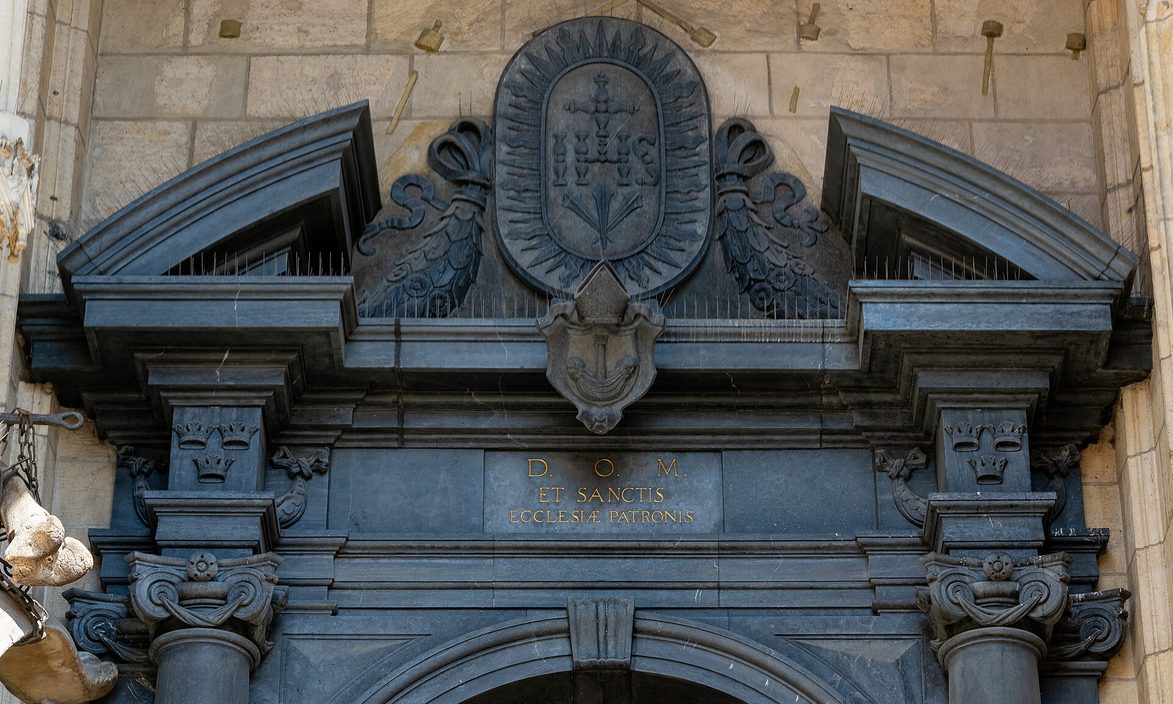
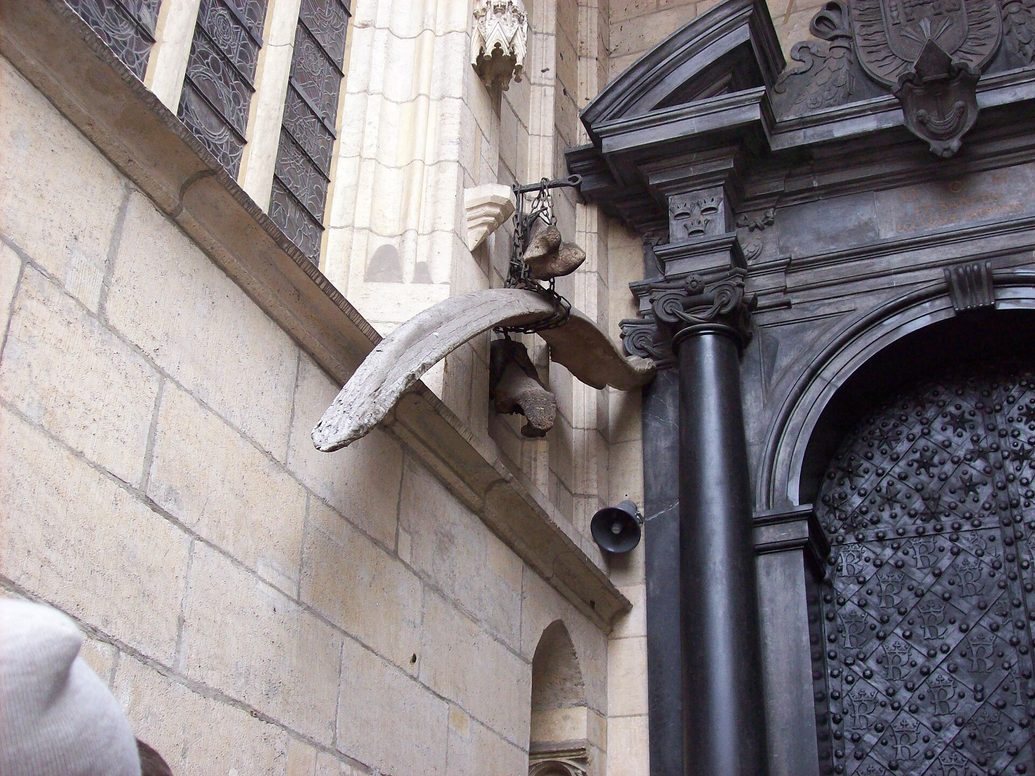
By the main door hang several huge bones on chains. Legend says they belonged to the Wawel Dragon, which lived in a cave under the hill; in fact they are thought to be the bones of a mammoth, a woolly rhinoceros and a whale. Tradition holds that the cathedral will stand as long as they hang there.
The shrine of St Stanislaus and the royal tombs
At the heart of the church, under a Baroque canopy with a gilded dome on black marble columns, is the silver coffin of St Stanislaus. Around it, along the nave and ambulatory, are the tombs of the medieval kings, among them Władysław the Short, Casimir the Great and Władysław Jagiełło. Just inside on the right, the Holy Cross Chapel keeps its fifteenth-century Russo-Byzantine wall paintings and Veit Stoss’s marble tomb of Casimir IV Jagiellon.
The Sigismund Chapel
On the south side, under its gold dome, is the Sigismund Chapel, built in 1519–1533 by the Florentine architect Bartolomeo Berrecci and often called the pearl of the Renaissance north of the Alps. Kings Sigismund the Old and Sigismund Augustus and Queen Anna Jagiellon are buried there. Visitors usually see it through its grille.
The crypts
The ticket takes you down into the royal crypts. The Romanesque crypt of St Leonard, the oldest part of the cathedral, holds Jan III Sobieski, Tadeusz Kościuszko, Prince Józef Poniatowski and General Władysław Sikorski; nearby lie Stefan Batory and the Vasa kings. The poets Adam Mickiewicz and Juliusz Słowacki rest in the Crypt of the National Bards, and Marshal Józef Piłsudski in a crypt under the Silver Bells Tower, where President Lech Kaczyński and his wife Maria have been buried in its antechamber since 2010.
The Sigismund Bell
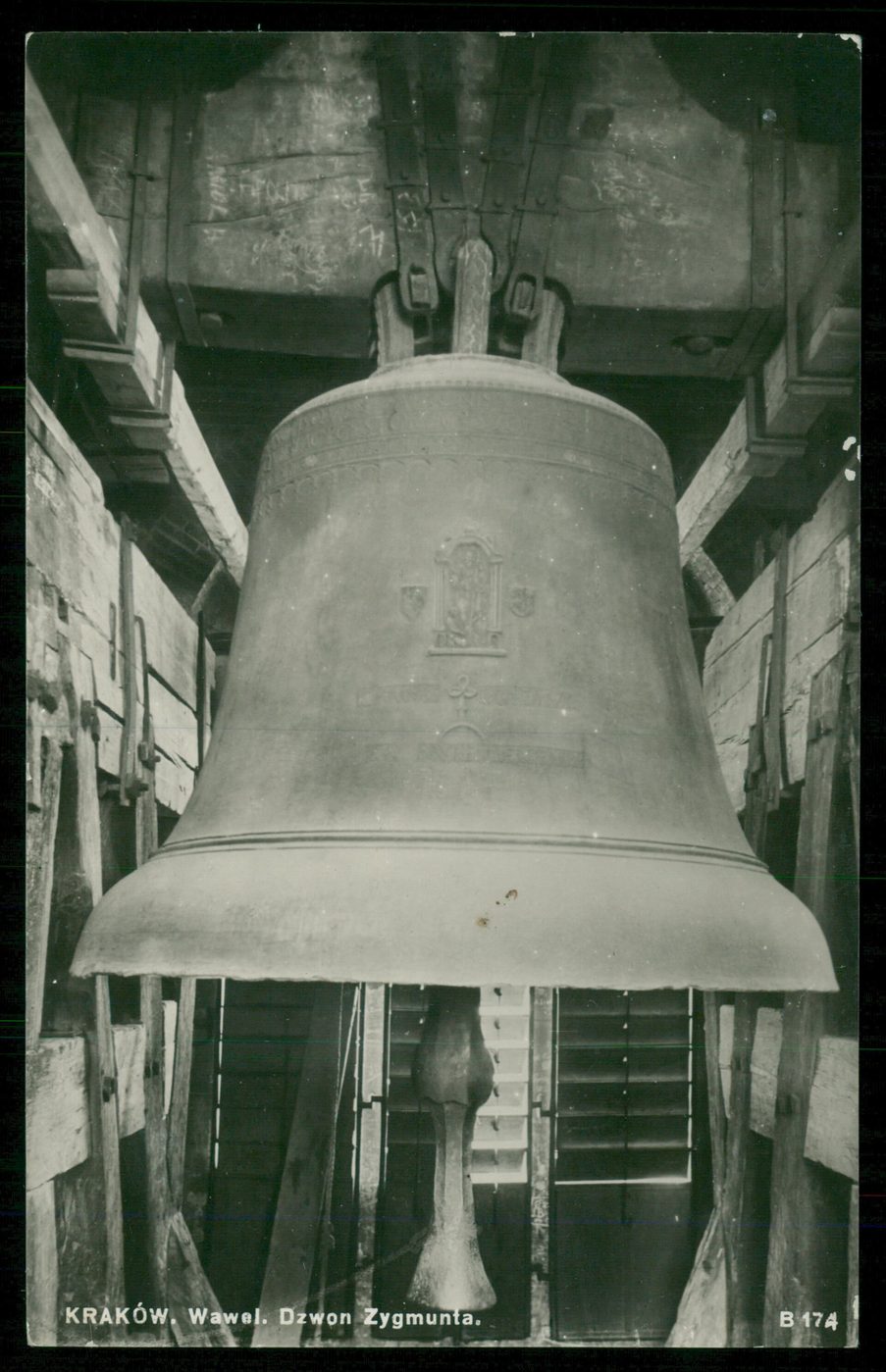
A steep wooden stair climbs the Sigismund Tower to the bell cast in 1520 for King Sigismund the Old. It weighs more than nine tonnes, takes twelve men to ring, and is heard only on the great feasts and at moments of national importance. Tradition says that touching its clapper brings luck.
Getting there
Wawel Hill is at the southern end of Kraków’s Old Town, about 10 minutes’ walk from the Main Market Square along Grodzka and Kanonicza streets. Walk up from the end of Kanonicza Street through the Heraldic Gate, or by the cobbled road from the corner of Bernardyńska and Grodzka streets. The nearest tram stops are Wawel and Stradom. Buy tickets at the cathedral’s own ticket office, opposite the entrance, or online; castle tickets are sold separately.
Tours and where to stay
Cathedral tickets are sold by the cathedral. Guided tours of Wawel Hill usually include the cathedral, and the Old Town is a short walk away.
These links go to GetYourGuide and Booking.com. This site earns nothing from them at present — they are here because they are the quickest way to check what is actually available.
Don’t miss
- The Sigismund Chapel The gold dome, inside and out.
- The Sigismund Bell Up the tower stairs.
- The royal crypts Kings, poets and heroes.
- The shrine of St Stanislaus In the middle of the church.
- The dragon’s bones By the door.
Insider tips
Don’t come on a Sunday morning. The cathedral is kept for Mass until 12.30pm on Sundays, and the museum is closed on Sundays. Weekday mornings at opening time are the quietest.
Don’t confuse the two ticket offices. The cathedral and the castle sell separate tickets from separate offices. The castle’s free days do not apply to the cathedral.
Common questions
How much does it cost to visit Wawel Cathedral?
One ticket covers the cathedral, the Sigismund Bell, the royal tombs, the Cathedral Museum and the Archdiocesan Museum on Kanonicza Street: in 2026 it cost 26 zloty, or 18 zloty reduced (including over-65s). With an audio guide it is 41 or 29 zloty. Children under 7 go free. Wawel Castle is separate, with its own tickets.
What are the opening hours?
From April to October, Monday to Saturday 9am to 5pm and Sunday 12.30pm to 5pm; from November to March, Monday to Saturday 9am to 4pm and Sunday 12.30pm to 4pm. There is no sightseeing on Sunday mornings, during services, on 24–25 December or from Good Friday to Easter Sunday, and hours are shorter on Maundy Thursday and can change for church and state occasions such as 11 November, so check the cathedral’s events page.
Can you take photos inside?
Only for your own use, without flash, tripods or selfie sticks, with no selfies or posed group photos, and not of people at prayer. The cathedral does not allow interior photographs to be published, which is why this guide shows the inside in paintings and old photographs.
Can you climb to the Sigismund Bell?
Yes, it is included in the ticket. A narrow wooden stair climbs the Sigismund Tower to the bell, which is rung only on great feasts and national occasions.
Who is buried in Wawel Cathedral?
Most of the kings of Poland, and national heroes including Tadeusz Kościuszko, Prince Józef Poniatowski, the poets Adam Mickiewicz and Juliusz Słowacki, and Marshal Józef Piłsudski.
More churches nearby
- St Kinga’s Chapel, Wieliczka — a church carved in salt, 25 minutes away by train.
- St Vitus Cathedral, Prague — the coronation church of Bohemia.