
St Margaret’s Church, Cley next the Sea
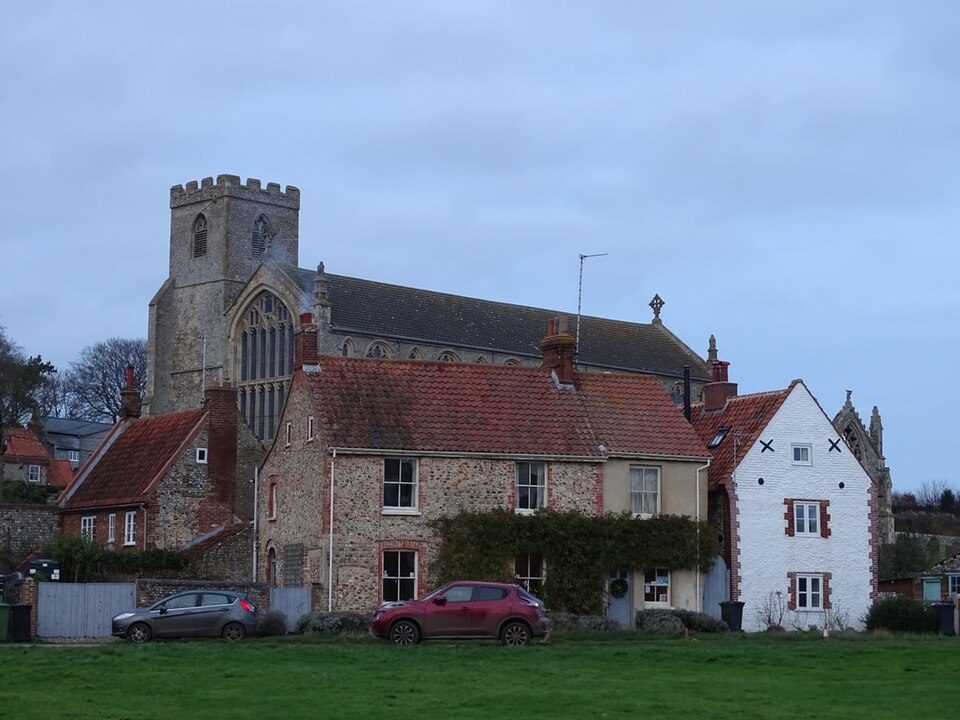
Above the marshes at Cley next the Sea, on the north Norfolk coast, St Margaret’s is a great church built when Cley was a busy port: a soaring fourteenth-century nave, ruined transepts open to the sky, a two-storey porch and a font carved with the seven sacraments.

The church of a lost port
Cley was one of the busiest ports of medieval England, and in the early fourteenth century its church was rebuilt on a scale to match: a tall nave with slender arcades and a clerestory, and large transepts. Work was interrupted, probably by the Black Death, and the church was finished in the fifteenth century with the south aisle and the two-storey south porch (dated variously to the late fourteenth or mid-fifteenth century), decorated with heraldry. As the harbour silted up, Cley’s trade moved away, and the church was left standing above the marshes, larger than the village needed. It is listed Grade I.


The visitor’s cheat sheet
| Where | Holt Road, Cley next the Sea, Holt, Norfolk NR25 7TT |
|---|---|
| Opening hours | Normally open every day; no hours published |
| Admission | Free; donations welcome |
| Services | Holy Communion on the fourth Sunday at 8am; most benefice services are at Blakeney |
| Parking | Roadside parking near the green |
| How long | Half an hour to an hour |
Hours and admission checked against the official site in November 2026. They change; the official site is always the last word.
What to see
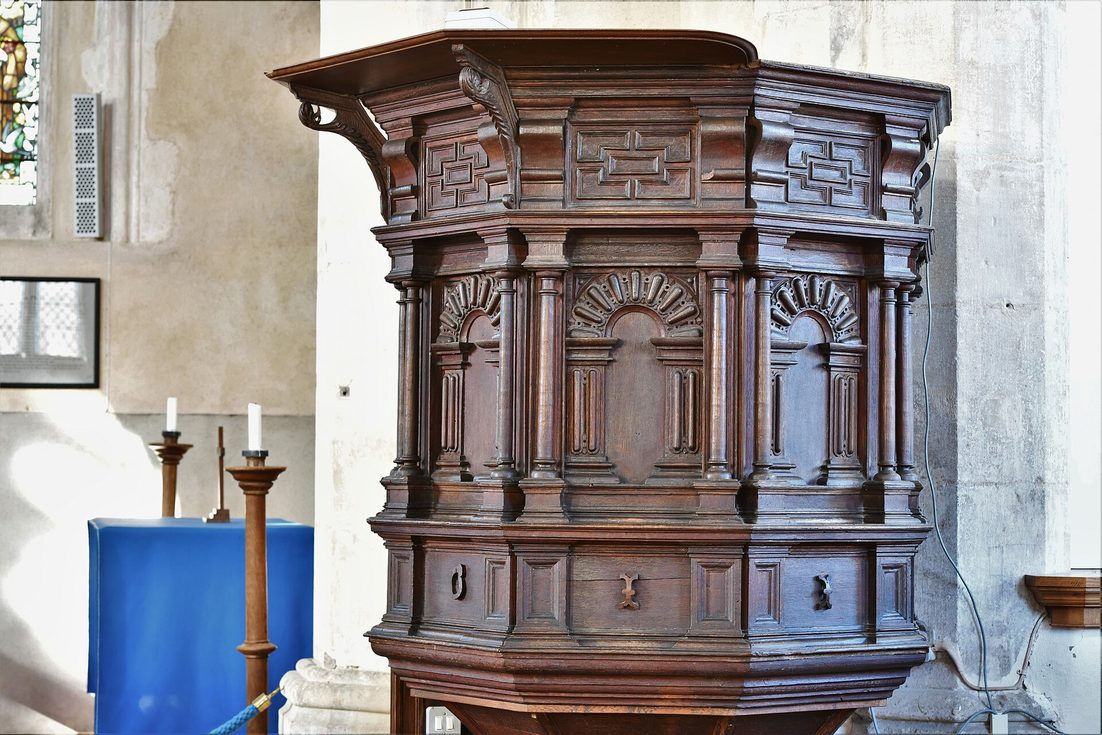
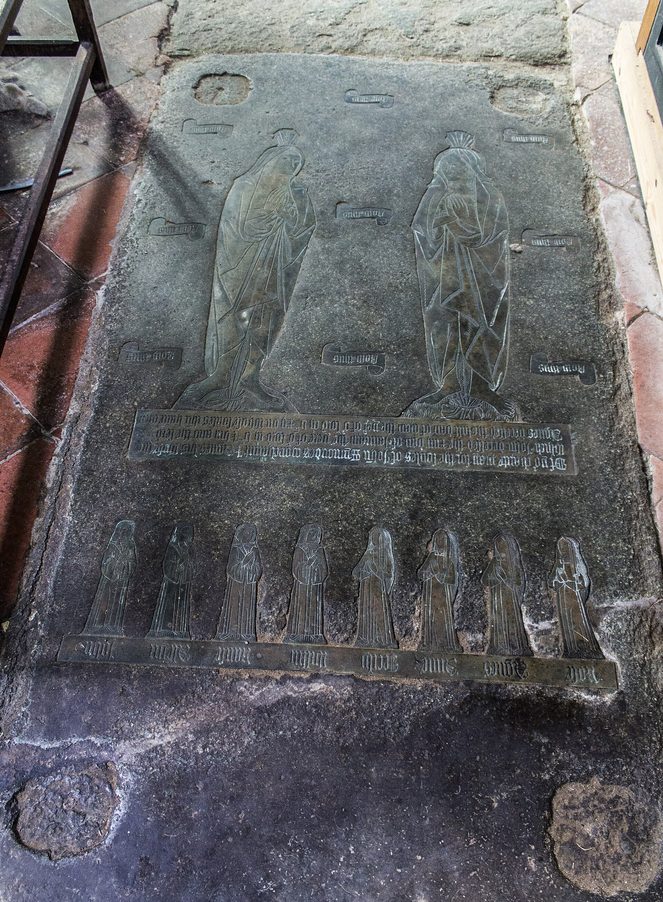
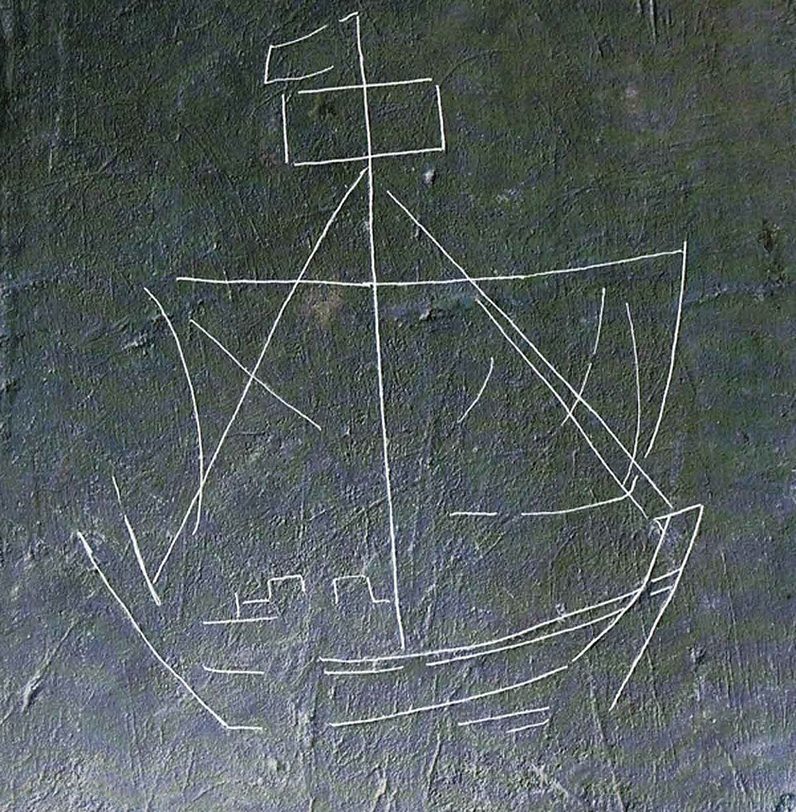
Inside, the nave is high and full of light. The font, of the fifteenth century, is carved with the seven sacraments. Look for the carved bench ends, the misericords in the chancel, the fragments of medieval glass, the Jacobean pulpit and the brasses, among them John and Agnes Symondes in their shrouds with their children. Outside, the ruined transepts and the carved porch are best seen from the churchyard.


Getting there
Cley is on the A149 coast road between Blakeney and Salthouse, about four miles north of Holt; the church stands at the south end of the village, by the green. The Coasthopper bus runs along the coast road. Cley Marshes nature reserve and Cley windmill are close by.
Where to stay
Cley, Blakeney and Holt have inns, hotels and holiday cottages.
This link goes to Booking.com. This site earns nothing from it at present — it is here because it is the quickest way to check what is actually available.
Don’t miss
- The nave Tall and light.
- The transepts Ruined, open to the sky.
- The font Carved with the seven sacraments.
- The brasses Shrouded figures.
Insider tips
Combine with the marshes. Cley Marshes, one of the oldest nature reserves in England, is a short drive or walk away.
Come at Christmas. The church holds a candlelit carol service on Christmas Eve.
Common questions
Why is Cley church so big?
Because Cley was a rich port in the Middle Ages, trading grain, malt, fish and cloth. The church was rebuilt on a grand scale in the fourteenth century; when the harbour silted up, the town shrank and the church was left oversized.
Why are the transepts ruined?
The transepts were part of the fourteenth-century rebuilding; at some point they were abandoned and fell into ruin, and they now stand roofless beside the chancel.
What is a seven-sacrament font?
A font carved with the seven sacraments of the medieval church, a type found mainly in Norfolk and Suffolk. Cley’s dates from the fifteenth century.
Is Cley church open?
It is normally open every day, though no hours are published.
Is it free?
Yes; donations are welcome.
More English churches
- Binham Priory — a Norman priory church nearby
- Walsingham — the pilgrimage shrine of England’s Nazareth
- Salle Church — another great Norfolk church
See all the cathedrals and churches worth visiting in England →