
St Edmund’s Church, Southwold
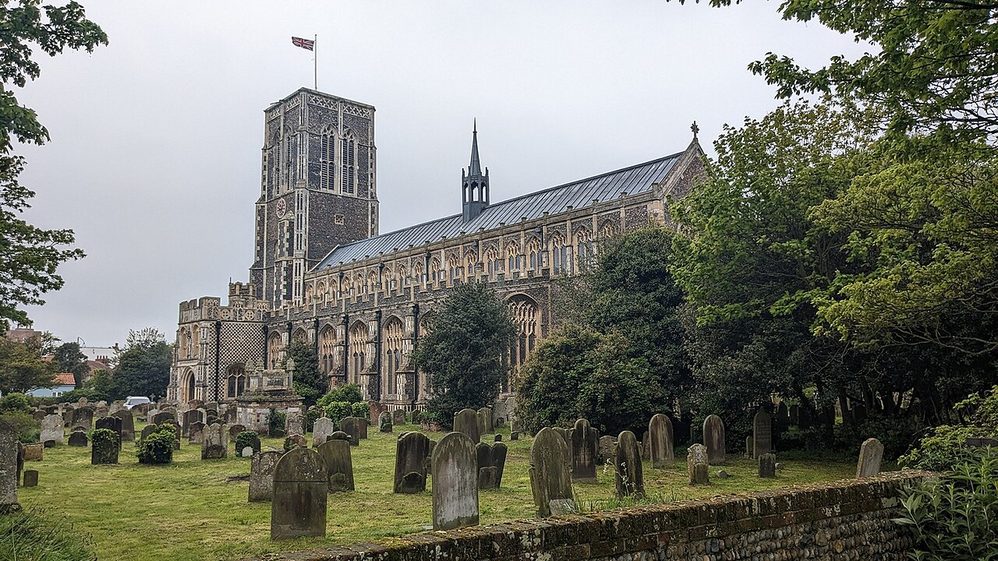
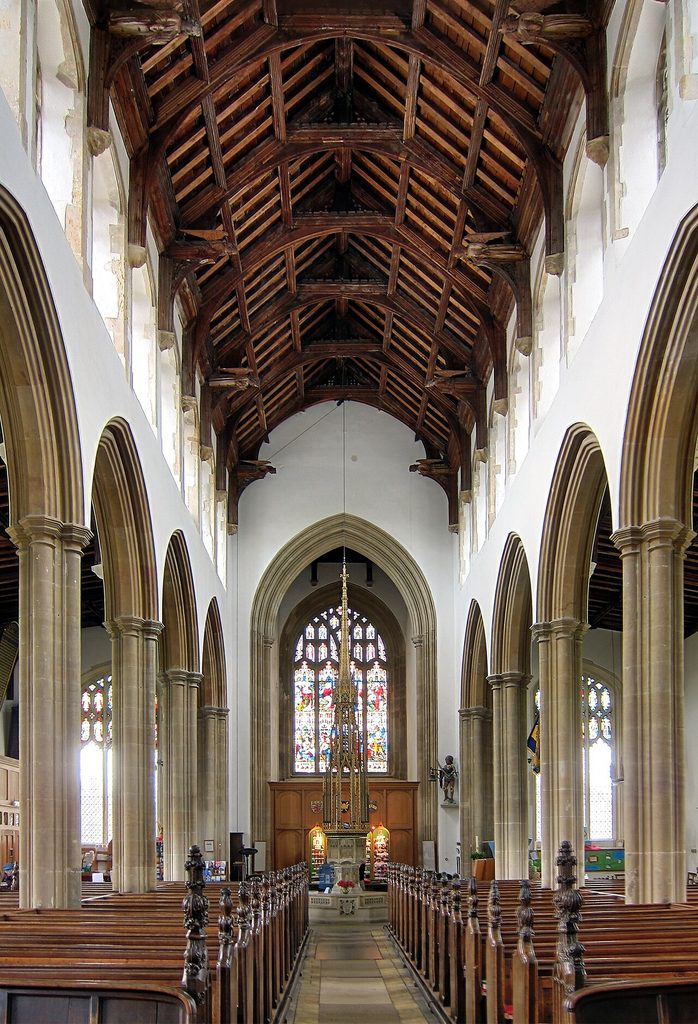
In the middle of the seaside town of Southwold, St Edmund’s is one of the great flint churches of Suffolk, built in the fifteenth century with the wealth of a prosperous sea-trading town. Inside are a painted rood screen across the whole church, a painted pulpit, an angel roof and Southwold Jack, the wooden soldier who strikes the bell.

A church for a rich port
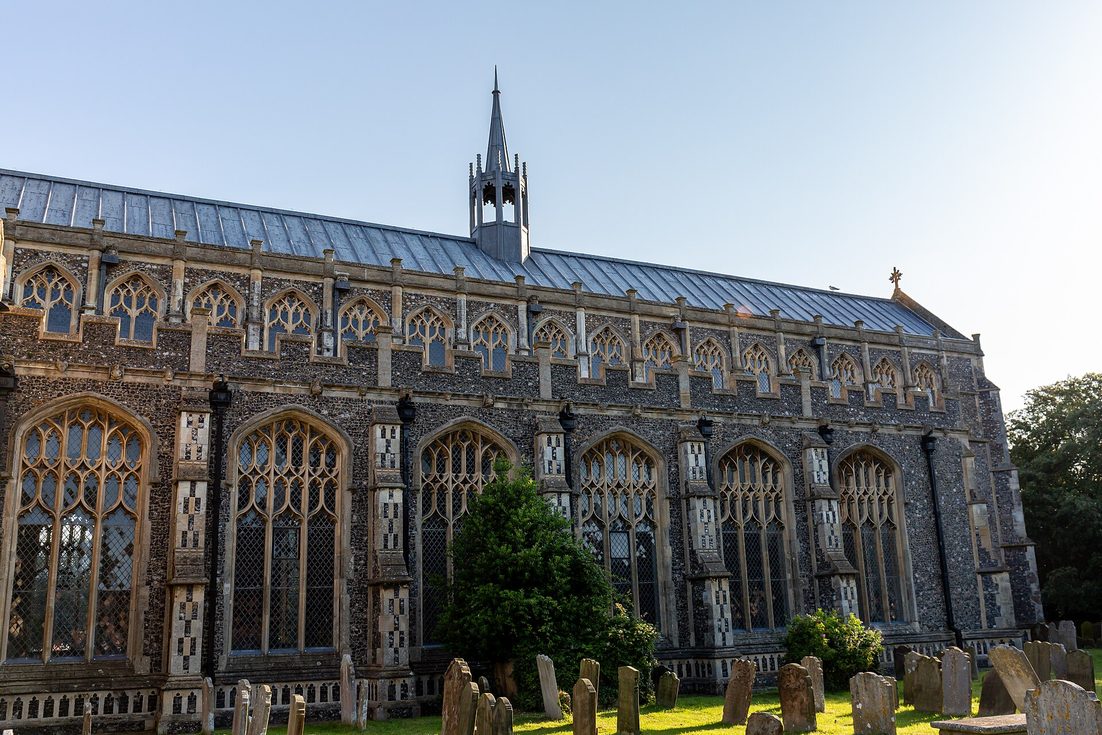
Southwold was a busy fishing and trading port in the fifteenth century, and after an earlier church burned down its townspeople built St Edmund’s over several decades from the 1430s. It is one of the great flint churches of Suffolk: a tall west tower chequered in flint and stone, a long nave and chancel lined with tall windows, and walls panelled in flushwork, the local technique of setting split flint into patterns of stone.
The Puritan iconoclast William Dowsing visited in the 1640s and destroyed the medieval glass, but the screen and much of the woodwork survived. The roofs were restored in the nineteenth century, and the windows were blown out by bombing in the Second World War; the east window is by Sir Ninian Comper, of 1954.
The visitor’s cheat sheet
| Where | Bartholomew Green, Southwold, Suffolk IP18 6JA, in the town centre |
|---|---|
| Opening hours | Daily, 10am–4pm according to the church’s website (another listing gives until 6pm) |
| Admission | Free; donations welcome |
| Services | Sunday morning services and Choral Evensong on fourth Sundays; Thursday 10am Holy Communion; check the weekly list |
| Parking | On-street parking around the green and town car parks (charges apply) |
| How long | Half an hour to an hour |
Hours and admission checked against the official site in November 2026. They change; the official site is always the last word.
What to see
The screen
The great rood screen runs across the whole width of the church, with painted panels of the twelve apostles in the centre and angels and prophets in the aisles, on gilded and patterned grounds. The faces were scratched by iconoclasts, but much of the original colour and gilding survives.

Southwold Jack, the pulpit and the roof
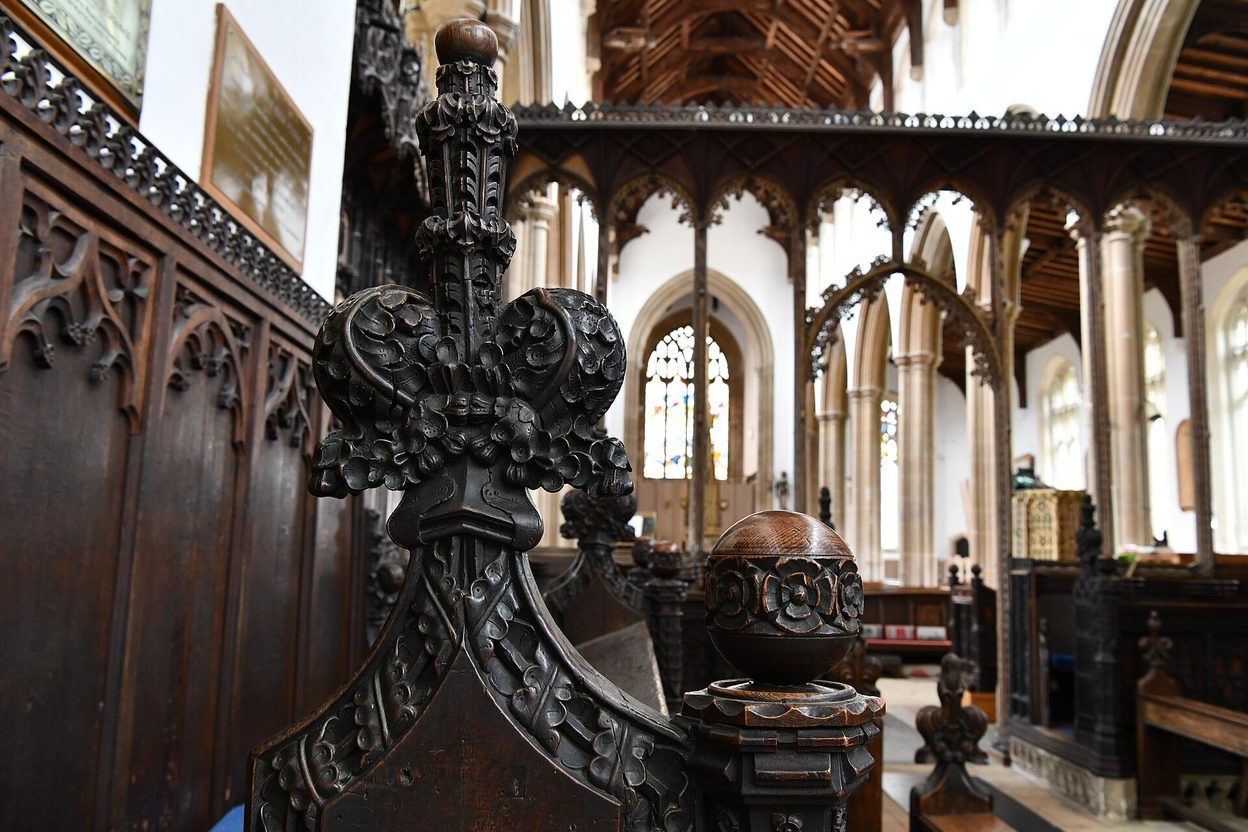
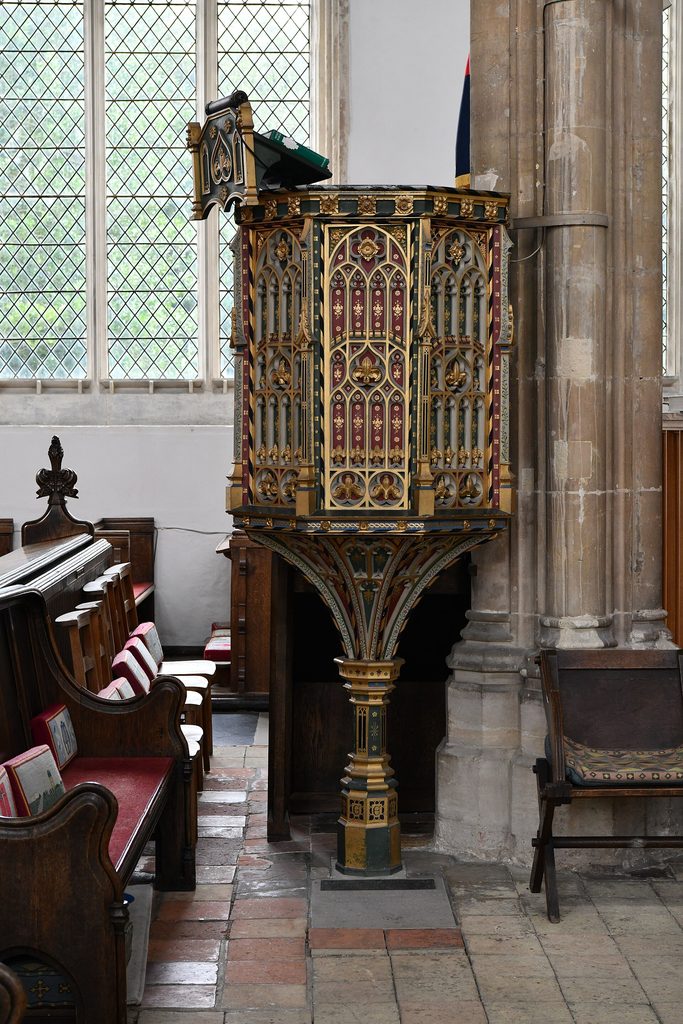
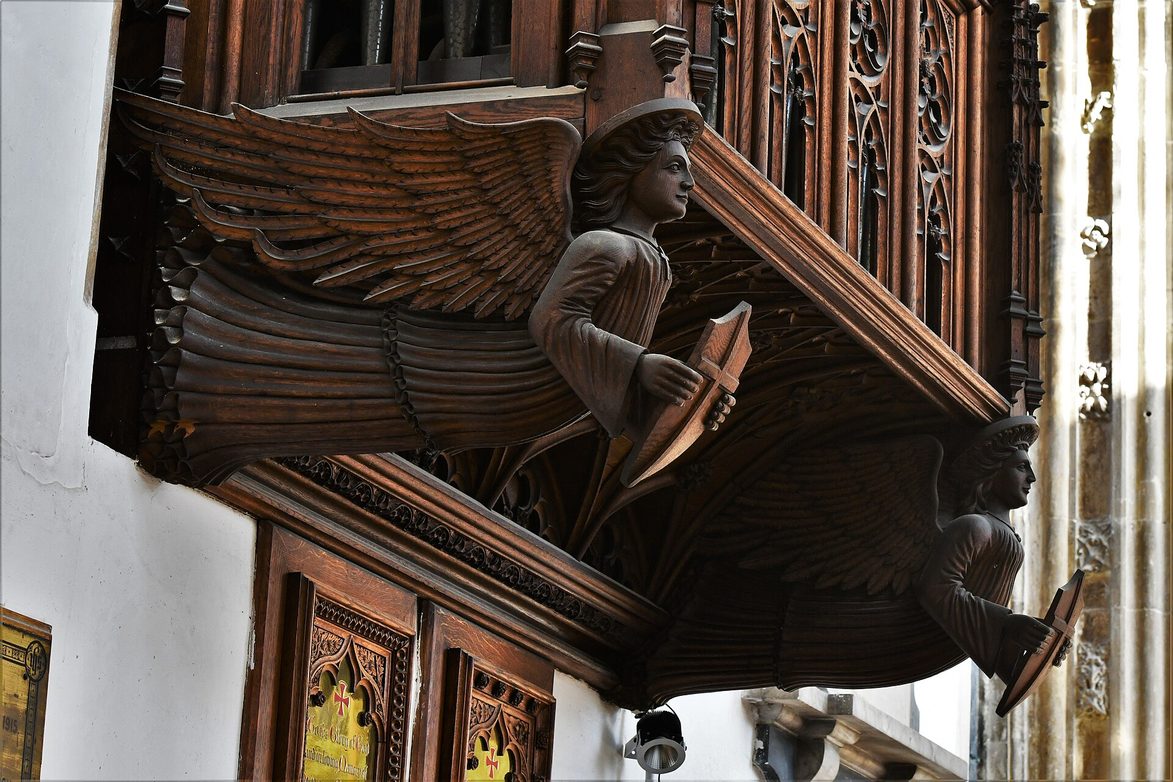
Near the west end stands Southwold Jack, a painted wooden soldier of the fifteenth century who strikes a bell with his axe to start services. The painted pulpit, of the early sixteenth century, stands on a slender stem, and the nave roof has carved angels. Look also for the carved bench ends and the choir stalls.
Around Southwold
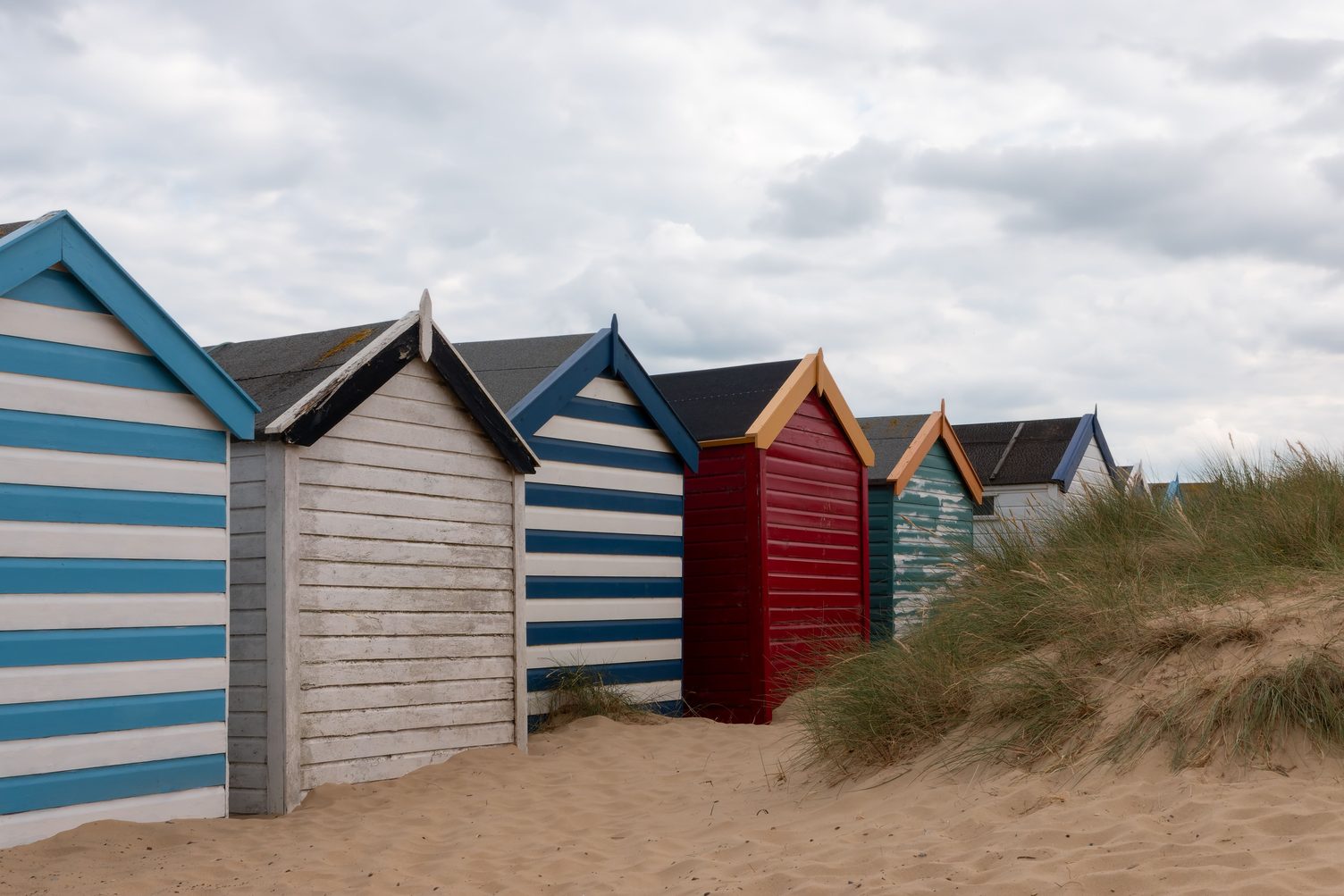
The church is a few minutes’ walk from the lighthouse, the pier and the beach huts. Across the marshes to the west, Blythburgh church, the “cathedral of the marshes”, is another of the great churches of the Suffolk coast.

Getting there
Southwold has no station. The nearest is Halesworth, on the East Suffolk line from Ipswich to Lowestoft, about 10 miles away by road; buses link Southwold with Halesworth and Bungay (99A, about seven a day, Monday to Saturday; it does not call at Halesworth station, so check the stop) and with Beccles and Norwich (146). By car, Southwold is off the A12; town car parks charge.
Where to stay
Southwold has inns, hotels and guesthouses within a few minutes’ walk of the church and the sea.
This link goes to Booking.com. This site earns nothing from it at present — it is here because it is the quickest way to check what is actually available.
Don’t miss
- The painted screen Apostles, angels and prophets.
- Southwold Jack The wooden soldier with his axe.
- The flushwork Flint and stone patterns outside.
- The pulpit Painted, on its slender stem.
Insider tips
Walk round the outside. The flushwork on the tower and the porch is as fine as anything inside.
Come in daylight. The screen is best seen in good light; the church closes in the late afternoon.
Common questions
Is St Edmund’s, Southwold open to visitors?
Yes, every day; the church’s own website gives 10am–4pm (another parish page says until 6pm). Admission is free; donations are welcome.
What is Southwold Jack?
A painted wooden figure of a soldier in armour, a fifteenth-century clock jack, who strikes a bell with his axe. He stands near the west end of the church.
What is special about the screen?
The rood screen across the whole width of the church keeps its medieval paintings of the apostles, angels and prophets, with gesso and gilding; much of the original colour survives.
How do you get to Southwold without a car?
Southwold has no railway. The nearest station is Halesworth on the East Suffolk line; buses link Southwold with Halesworth, Beccles and Norwich, though some run only a few times a day.
More English churches
- Binham Priory — a Norfolk priory church
- Bury St Edmunds Abbey — the shrine town of St Edmund
- Wymondham Abbey — an abbey church with two towers
See all the cathedrals and churches worth visiting in England →