
St Paul's Church, Jarrow
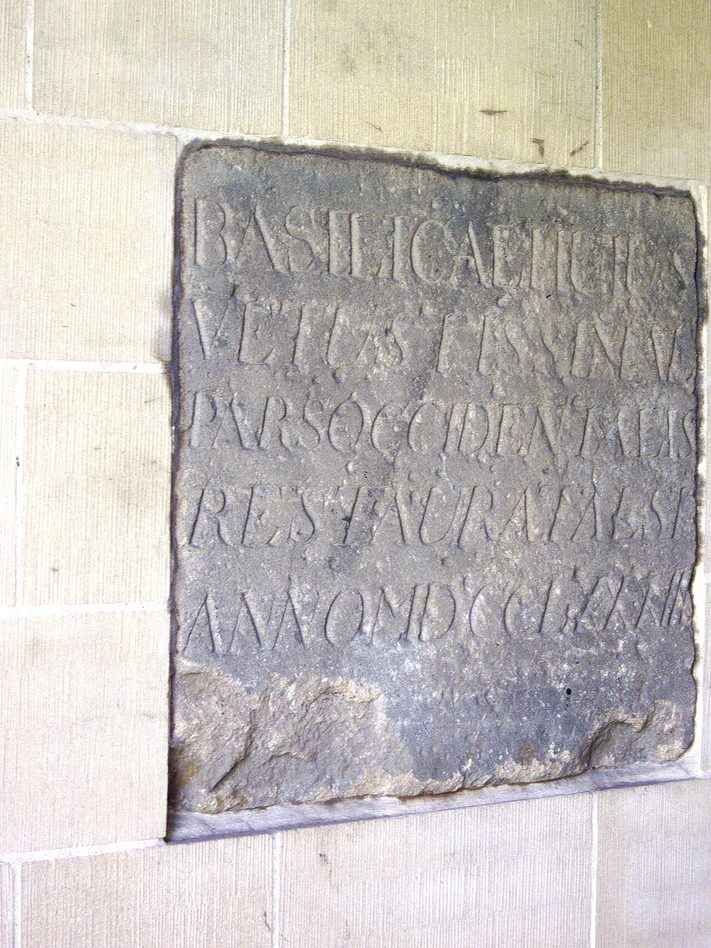
On a rise above the River Don, among the industry of Tyneside, stands one of the most important buildings in England. St Paul’s was the church of the monastery where Bede lived and wrote, and its chancel is still the Anglo-Saxon building he knew. Set in the wall is the stone that records its dedication on 23 April 685, and in a tiny window is some of the oldest coloured glass in the world.
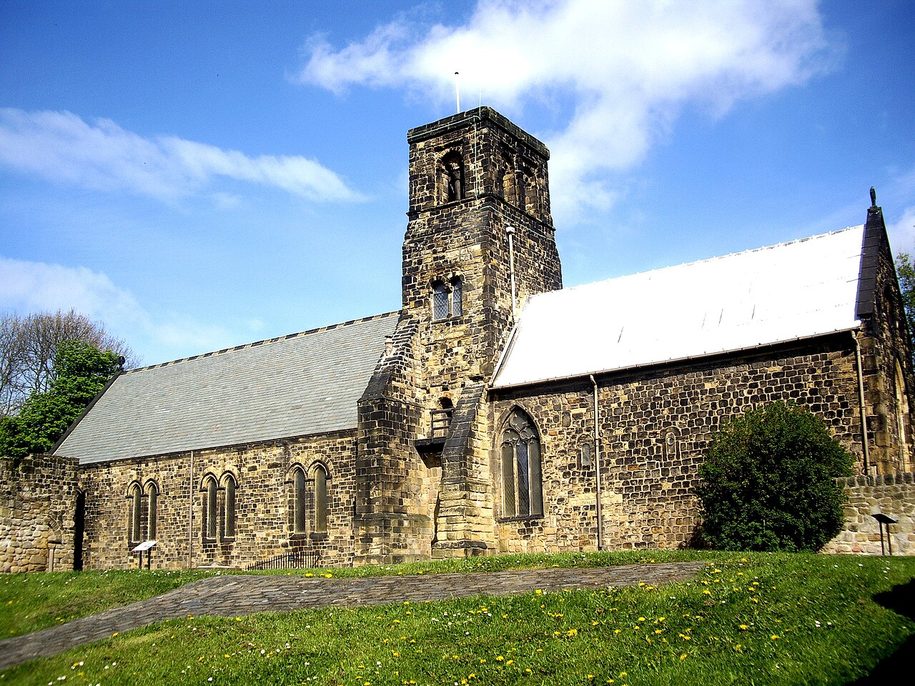
Bede's monastery
In 674 Benedict Biscop, a Northumbrian nobleman who had travelled to Rome, founded a monastery at Wearmouth on land given by King Ecgfrith. A few years later the king gave more land, at Jarrow, and a second house was founded there under Ceolfrith. The two were run as one monastery in two places, and its library, brought from Rome, was the best in northern Europe.
Bede came to Wearmouth as a boy of seven and moved to Jarrow, where he lived for the rest of his life. Here he wrote his Ecclesiastical History of the English People, finished in 731, and here he died in 735. The monastery also produced the Codex Amiatinus, the oldest complete Latin Bible, which Ceolfrith was taking to Rome when he died in 716; it is now in Florence.
Vikings raided the monastery in 794, and by the late ninth century it was abandoned. In the 1070s monks revived it, but they were soon moved to Durham, and Jarrow became a small cell of Durham Priory until it was suppressed in 1536–37. The nave was rebuilt in the 1780s and again by George Gilbert Scott in the 1860s; the chancel survived.
The visitor's cheat sheet
| Where | St Paul's Church, Church Bank, Jarrow, Tyne and Wear, NE32 3DZ |
|---|---|
| Getting there | Metro to Jarrow or Bede, then about 15 minutes on foot; bus 27 to Jarrow Hall St Paul's; parking behind the church |
| Opening hours | Mid-February to mid-December, daily. Summer: Monday–Saturday 10.30am–3.30pm, Sunday 2–4pm. Winter: Monday–Saturday 11am–3pm, Sunday 2–3.30pm |
| Admission | Church and monastery ruins free. Jarrow Hall annual pass: adults £11.50, concessions £10.50, children £8.50 |
| How long | An hour for the church and ruins; half a day with Jarrow Hall |
| Best time | A Thursday or Friday: the church, then Jarrow Hall (open Thursday–Sunday in term time) |
| Dress code | None; it is a working parish church |
| Tours | Self-guided; church shop; Bede Museum and Anglo-Saxon farm at Jarrow Hall |
Hours and admission checked against the official site in October 2026. They change; the official site is always the last word.
The dedication stone. The stone above the tower arch reads, in Latin, that the church of St Paul was dedicated on 23 April in the fifteenth year of King Ecgfrith and the fourth year of Abbot Ceolfrith — that is, 685. It is thought to be the oldest church dedication stone in England.
What to see, in the order you meet it
The nave and tower
You enter the Victorian nave by Scott. Look up at the tower arch for the dedication stone. The tower itself was completed in the late eleventh century, and may stand on the walls of the Anglo-Saxon building that joined the two original churches.
The chancel
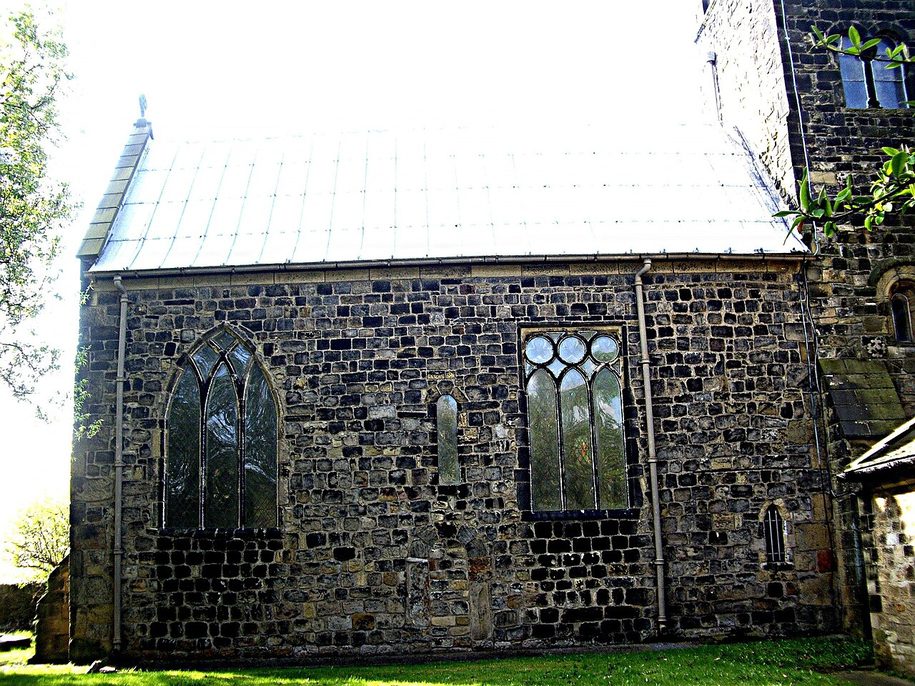
Go through the tower into the chancel. This was originally a separate small church of the 680s, and its rough stone walls and small, high windows are Anglo-Saxon. In a small round window are pieces of coloured glass found in Rosemary Cramp’s excavations of the monastery.
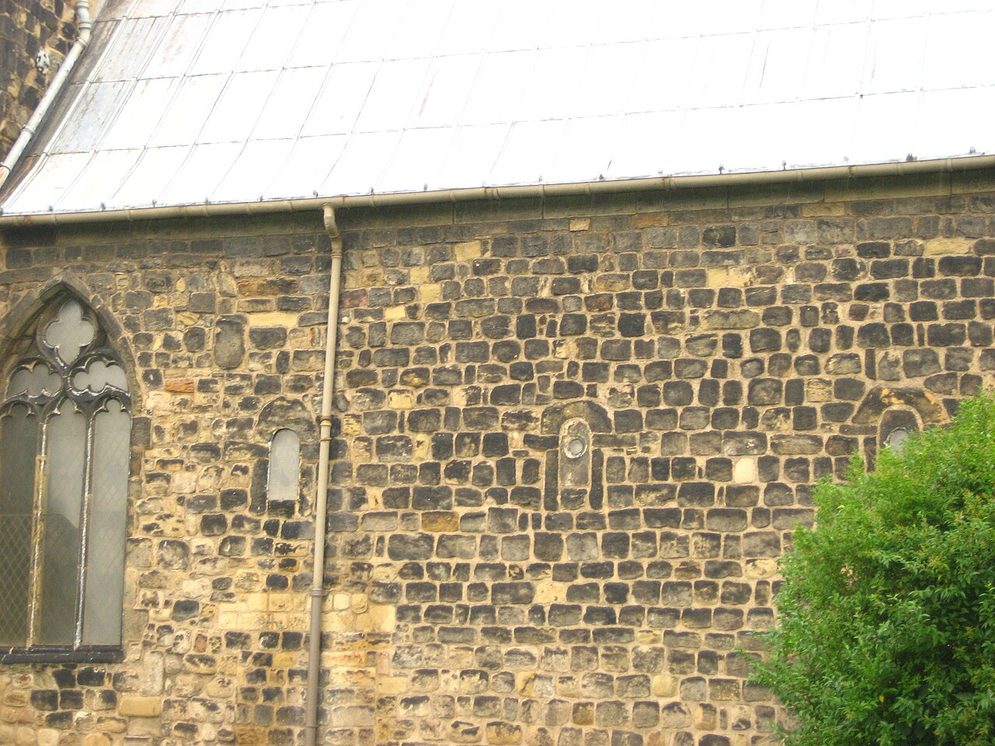
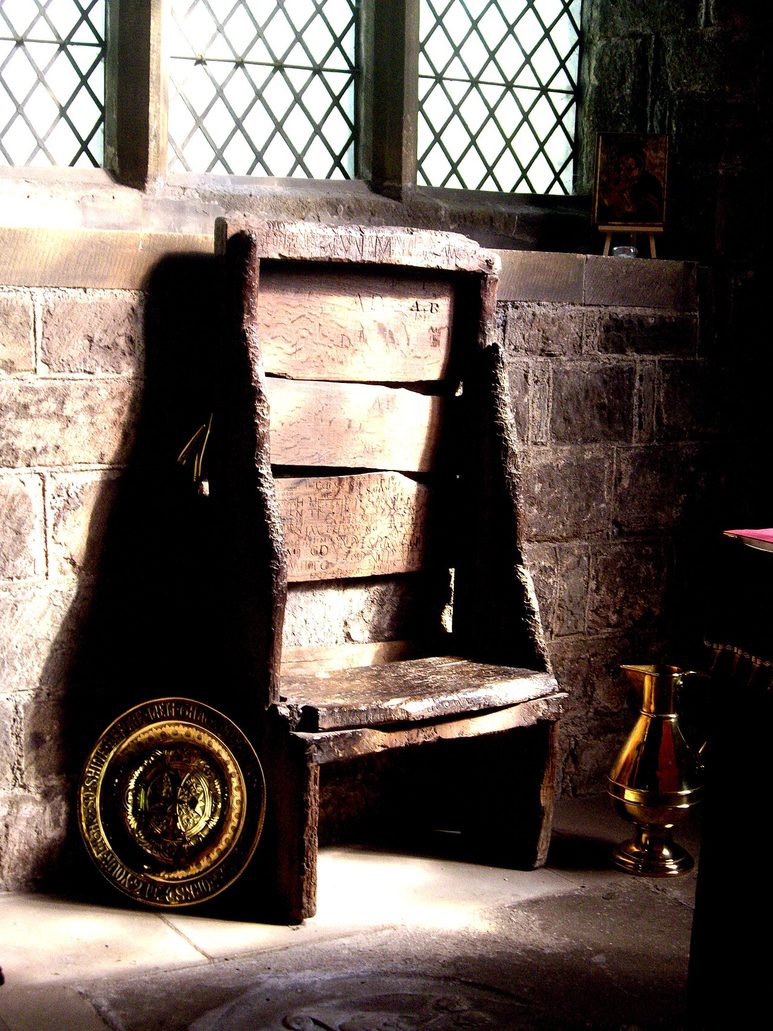
Here too is “Bede’s Chair”, an old wooden chair that tradition links with Bede, although it is probably later.
The monastery ruins
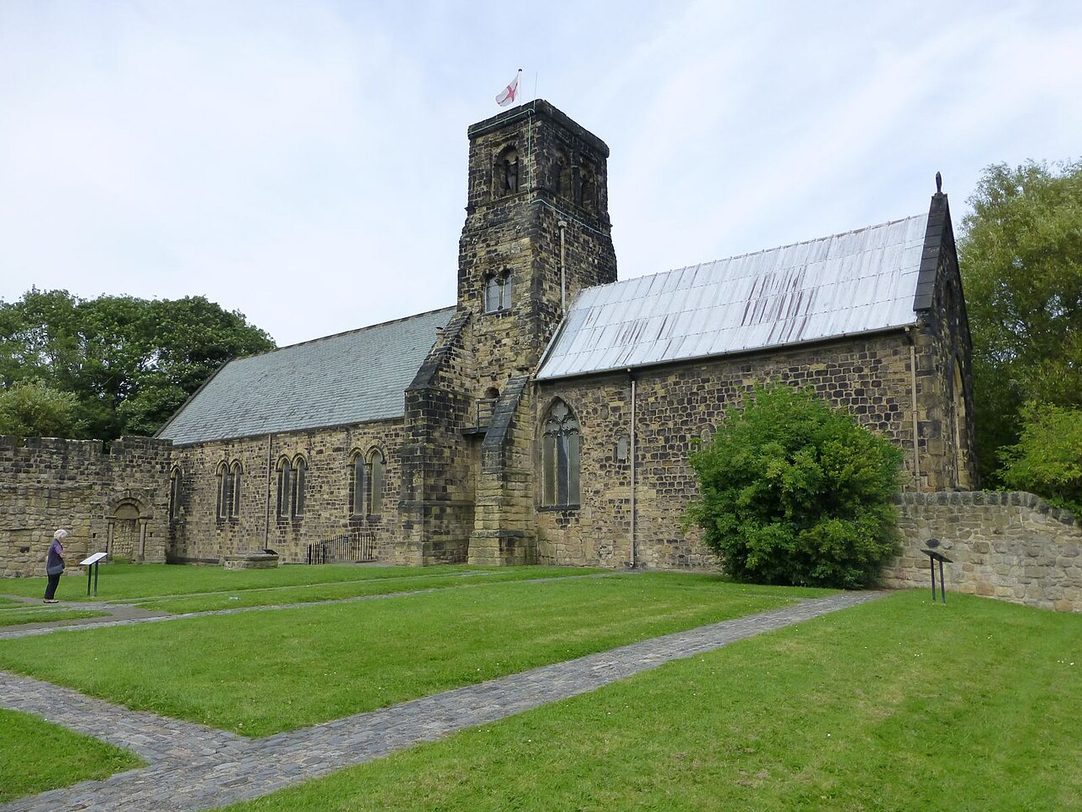
South of the church are the low walls of the monastery buildings, mostly from the revival of the late eleventh century, laid out in the grass. They are cared for by English Heritage and free to walk around.
Jarrow Hall
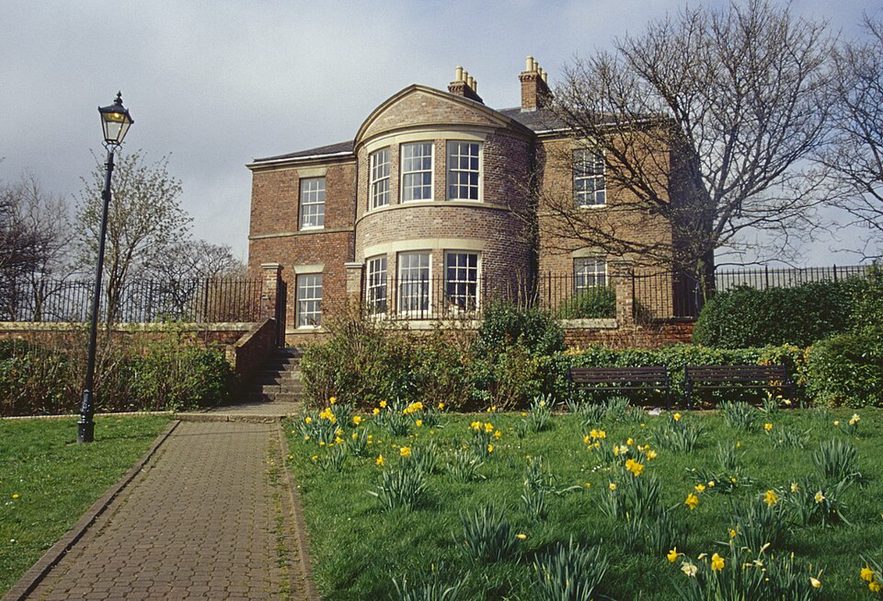
Next door, Jarrow Hall — once called Bede’s World — has a museum of finds from the monastery, a Georgian house with a café, and a reconstructed Anglo-Saxon farm with timber buildings and rare-breed animals.
Visiting
Free to visit
The church and the monastery ruins are free; Jarrow Hall sells an annual pass. The church has a small shop with books and guides.
The hotel link goes to Booking.com. This site earns nothing from it at present — it is here because it is the quickest way to check what is actually available.
Don't miss
- The dedication stone Dated 23 April 685.
- The Anglo-Saxon chancel Bede’s own church.
- The Saxon glass In a small round window.
- Bede’s Chair Old, if not quite that old.
- The monastery ruins Free, beside the church.
- Jarrow Hall Museum and Anglo-Saxon farm.
Insider tips
See both halves. Bede’s monastery was one community in two places. St Peter’s, Monkwearmouth, is about twenty minutes away by Metro or car, in Sunderland, and the two make a good day. Check opening times: Jarrow Hall closes in winter, and St Peter’s is open for tours on weekdays.
Common questions
Is St Paul's, Jarrow, free to visit?
Yes. The church is free, and so are the ruins of the monastery beside it, cared for by English Heritage and open at any reasonable time in daylight. Jarrow Hall next door, with the Bede Museum and Anglo-Saxon farm, sells an annual pass: £11.50 for adults, £10.50 for concessions and £8.50 for children.
When is the church open?
From mid-February to mid-December the church is open every day. In summer it is open Monday to Saturday from 10.30am to 3.30pm and on Sundays from 2pm to 4pm; in winter Monday to Saturday from 11am to 3pm and on Sundays from 2pm to 3.30pm. It is closed from mid-December to mid-February.
Did Bede really live here?
Yes. Bede came to the twin monastery of Wearmouth–Jarrow as a boy of seven, moved to Jarrow when it was founded, and spent the rest of his life here, writing the Ecclesiastical History of the English People. He died at Jarrow in 735.
Is the glass really the oldest in the world?
A small round window in the chancel has been filled with fragments of coloured glass found in excavations of the monastery. They date from the seventh century and are often called the oldest stained glass in the world.
How do you get to Jarrow?
Take the Tyne and Wear Metro to Jarrow or Bede station, both about fifteen minutes’ walk away; bus 27 stops at Jarrow Hall St Paul’s, on Church Bank. There is parking behind the church, and Jarrow Hall has its own car parks.
Where to stay and eat nearby
Jarrow Hall has a café. For more choice stay in Newcastle, twenty minutes away by Metro.
More English churches
- St Peter’s, Monkwearmouth — the other half of Bede’s monastery
- Durham Cathedral — where Bede is buried
- Escomb Saxon Church — another complete Anglo-Saxon church in the North East