
St Peter's Church, Monkwearmouth
In 674 Benedict Biscop brought masons and glaziers from Gaul to the north bank of the River Wear and built a stone church in the Roman manner. Its west wall and porch still stand, the lower part of a slender tower, making St Peter’s one of the oldest churches in England. This was the first home of the twin monastery of Wearmouth–Jarrow, and where Bede began his life as a monk.
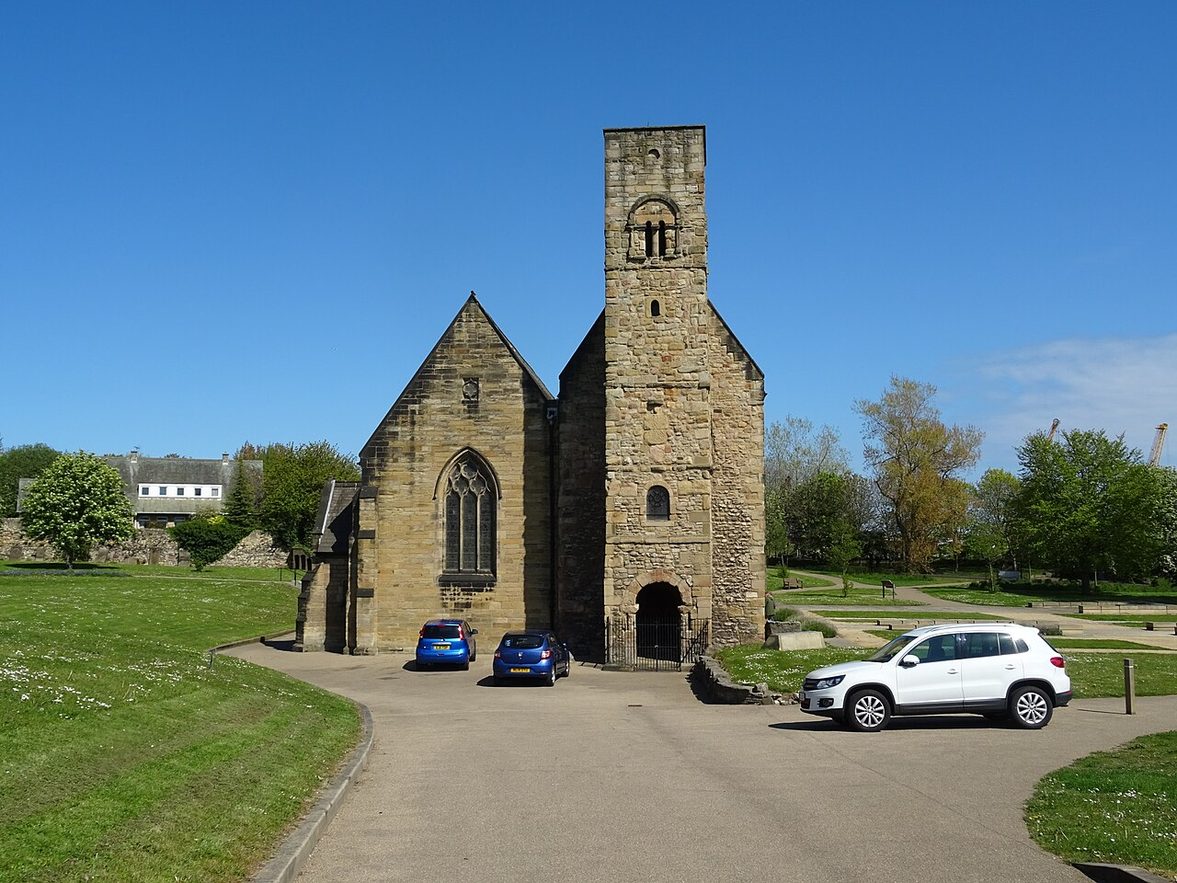
The first half of Bede's monastery
Benedict Biscop founded the monastery in 674 on land given by King Ecgfrith of Northumbria. He brought stonemasons and glassmakers from Gaul, and from his journeys to Rome he brought books, paintings and relics. A few years later a second house was founded at Jarrow, and the two were ruled as one. Bede entered the monastery here at the age of seven before moving to Jarrow.
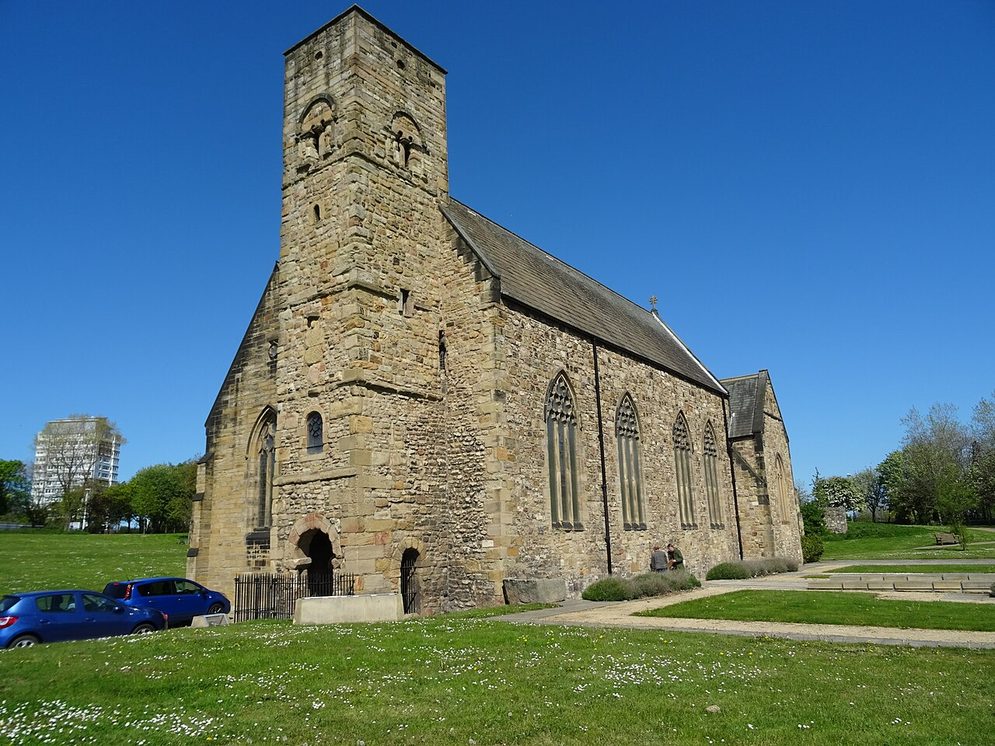
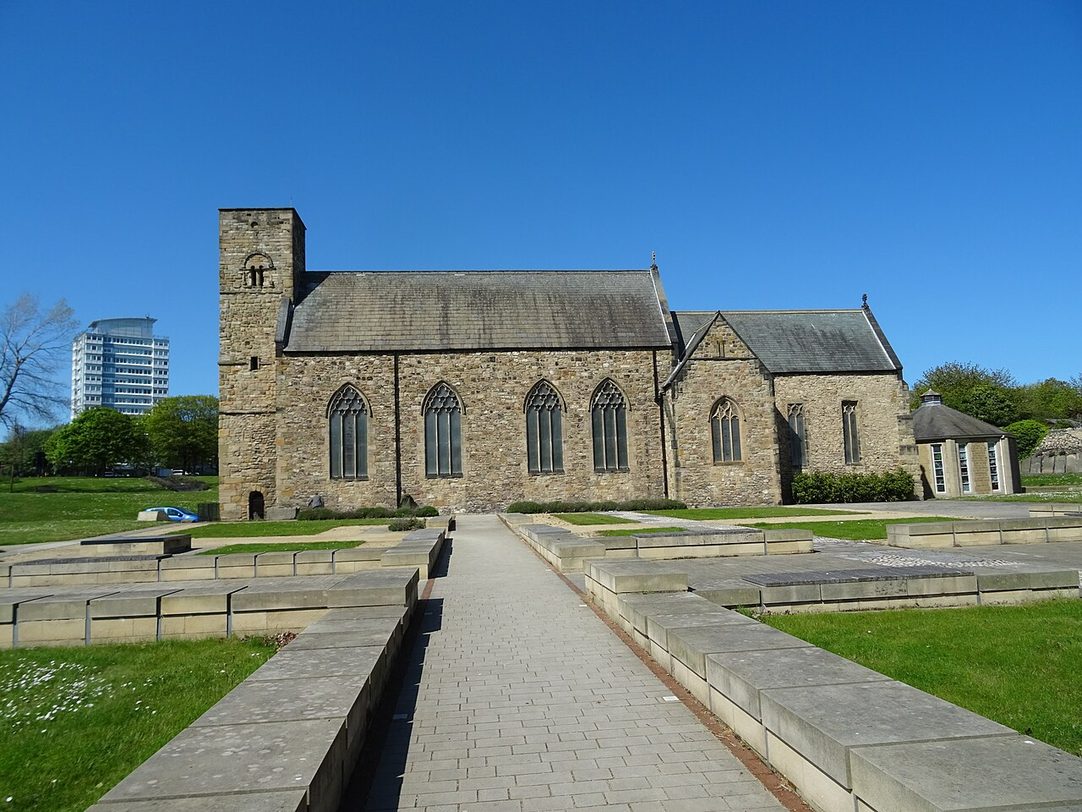
Like Jarrow, Wearmouth was raided by Vikings, revived briefly in the 1070s and then became a small cell of Durham until it was suppressed in 1536–37, after which the church served the parish. The nave and chancel were rebuilt in the later Middle Ages and restored in the 1870s; after a fire in 1984 the interior was renewed. Excavations by Rosemary Cramp between 1963 and 1978 uncovered the monastery, and its walls are now marked out in glass and stone in the churchyard.
The visitor's cheat sheet
| Where | St Peter's Church, St Peter's Way, Monkwearmouth, Sunderland, SR6 0DY |
|---|---|
| Getting there | Metro to St Peter's, about 10 minutes on foot; 20 minutes' walk from Sunderland city centre; street parking |
| Opening hours | Monday–Friday 10.30am–2.30pm; Saturdays by booked tour only; no tours on Sundays; closed bank holidays |
| Admission | Free; pocket guidebook £3; groups of 10 or more book ahead |
| How long | Under an hour |
| Best time | A weekday, with Jarrow the same day |
| Dress code | None; it is a working parish church |
| Tours | Church tours on weekdays; exhibition of excavated finds; Bede’s Bakehouse café on Monday, Wednesday and Friday |
Hours and admission checked against the official site in October 2026. They change; the official site is always the last word.
Glass from Gaul. Bede wrote that Benedict Biscop sent to Gaul for glassmakers, because there were none in Britain. Excavations here found the largest collection of seventh- and eighth-century coloured window glass in western Europe, some of it on show in the church.
What to see, in the order you meet it
The tower and porch
Start outside at the west end. The lowest stage of the tower was the porch of the 670s, and the upper stages were added before 1000. Look at the entrance arch for its turned stone balusters and worn carvings of interlaced animals, among the earliest architectural sculpture in England.
The nave
Inside, turn round. The tall, narrow west wall of the nave, of rough stone, is the wall of Benedict Biscop’s church, and gives an idea of how high and slim it was.
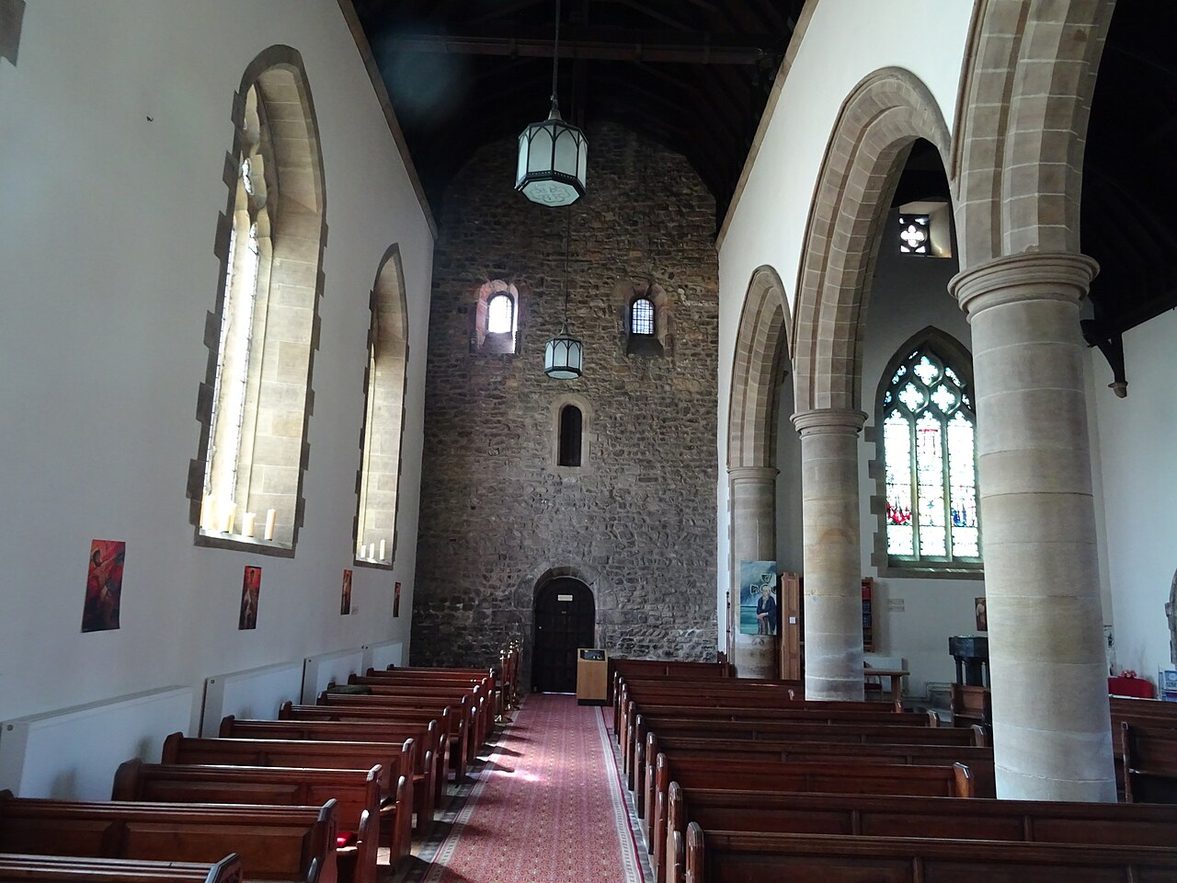
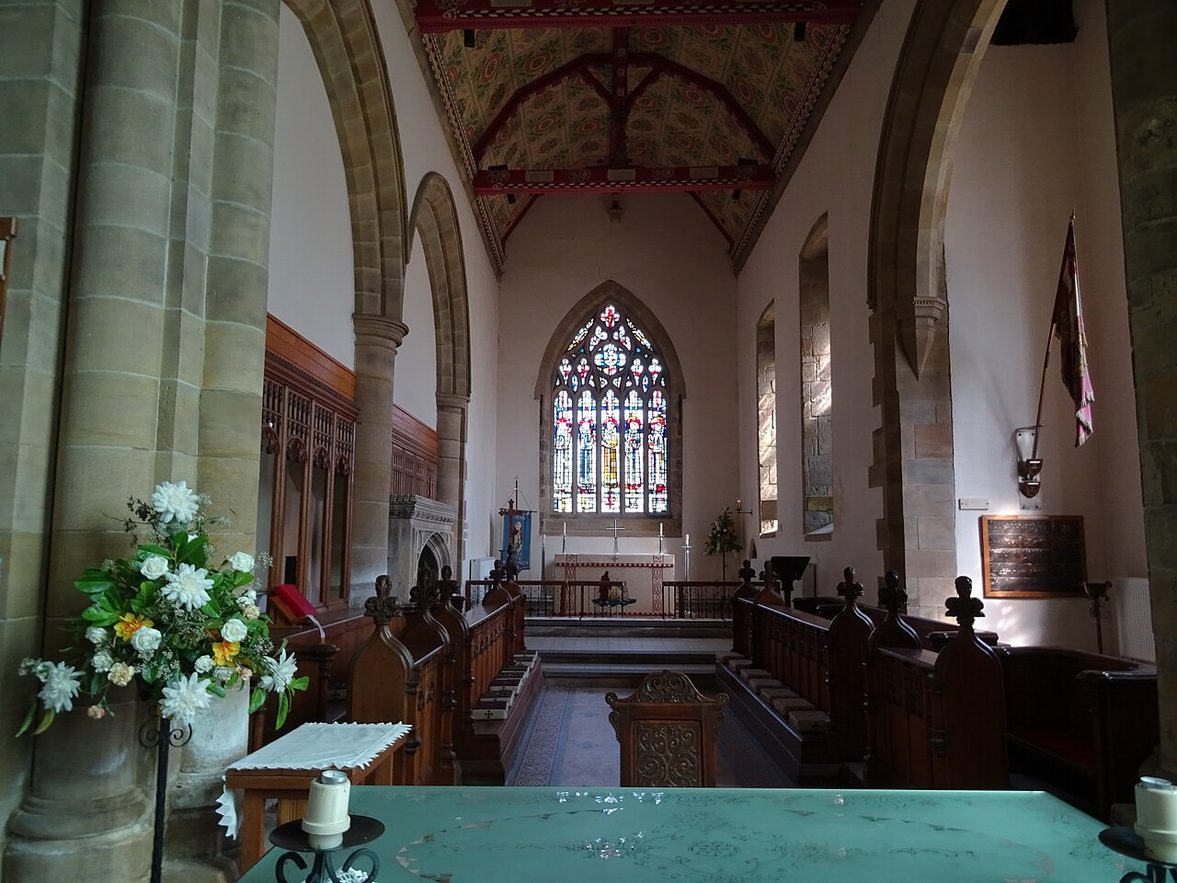
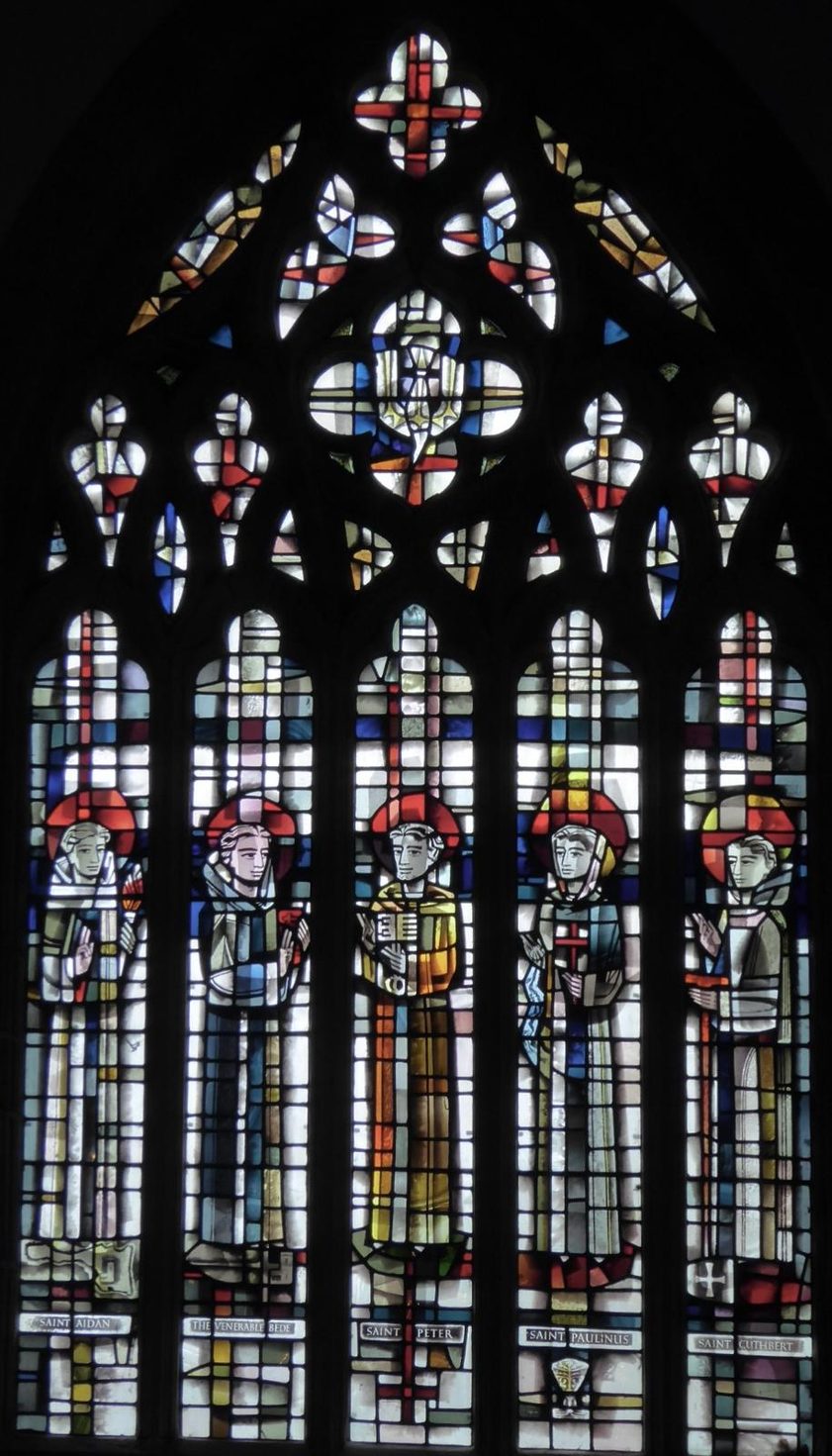
At the east end, the chancel window is by the stained-glass artist Leonard Evetts, made in 1969.
The finds
The church has an exhibition of finds from the excavations: carved stones, painted plaster and fragments of the coloured glass, and a reconstruction of the stone abbot’s seat.
Visiting
Free to visit
The church is free and open for tours on weekdays. Groups of ten or more, and anyone wanting a Saturday visit, should book through the parish office.
The hotel link goes to Booking.com. This site earns nothing from it at present — it is here because it is the quickest way to check what is actually available.
Don't miss
- The west porch Built in the 670s.
- The carved balusters At the porch entrance.
- The Anglo-Saxon west wall From inside the nave.
- The excavated glass Seventh-century colour.
- The monastery outline Marked out in glass and stone.
- Bede’s Bakehouse A café in the church grounds.
Insider tips
Pair it with Jarrow. St Paul’s, Jarrow, the other half of the monastery, is twenty minutes away. Visit St Peter’s in the morning on a weekday, when it is open, and Jarrow in the afternoon.
Common questions
Is St Peter's, Monkwearmouth, free to visit?
Yes. There is no charge, and a pocket guidebook costs £3. Groups of ten or more should book a tour through the parish office.
When is St Peter's open?
The church is open for visitors and tours from Monday to Friday, 10.30am to 2.30pm. On Saturdays it opens only for tours booked in advance through the parish office, and there are no tours on Sundays. It is closed on bank holidays.
What survives from Bede's time?
The west wall of the nave and the porch at the base of the tower are from the church Benedict Biscop built in 674–75; the porch is one of the oldest standing church buildings in England. The upper stages of the tower were added before the year 1000. The rest of the church is medieval and Victorian.
Is the National Glass Centre still open?
No. The National Glass Centre, a short walk away by the river, closed to the public on 31 July 2026. St Peter’s itself has an exhibition of the Anglo-Saxon glass found in its excavations.
How do you get to St Peter's?
Take the Tyne and Wear Metro to St Peter’s station, about ten minutes’ walk away, or walk from Sunderland city centre across the Wearmouth Bridge in about twenty minutes. There is street parking nearby.
Where to stay and eat nearby
Bede’s Bakehouse in the church grounds opens three days a week. Sunderland city centre, across the bridge, has more choice, and Newcastle is half an hour away by Metro.
More English churches
- St Paul’s, Jarrow — the other half of Bede’s monastery
- Durham Cathedral — where Bede is buried
- Escomb Saxon Church — a complete Anglo-Saxon church