
Escomb Saxon Church, County Durham
In a former mining village outside Bishop Auckland, in the middle of a ring of council houses, stands one of the oldest churches in England. Escomb was built by the Anglo-Saxons of Northumbria some 1,300 years ago, out of stones taken from a Roman fort, and it has come down to us almost exactly as they left it: tall, narrow, plain and very moving.
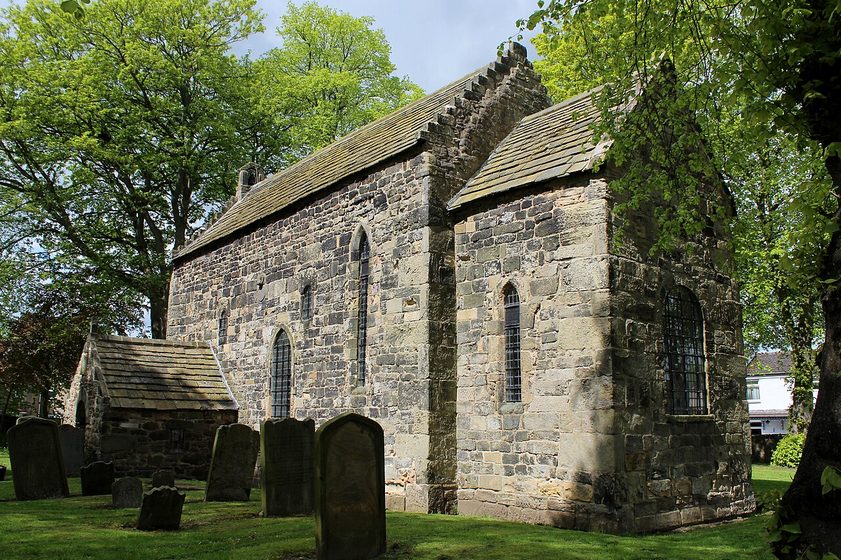
A Northumbrian church of the age of Bede
Escomb was built when this part of England belonged to the Anglian kingdom of Northumbria, the world of St Cuthbert and Bede. The church itself dates it to around 670–675; historians place it more cautiously between the later seventh and the eighth century. It has the classic plan of an early Northumbrian church: a tall, narrow nave and a small square chancel, joined by a tall arch.
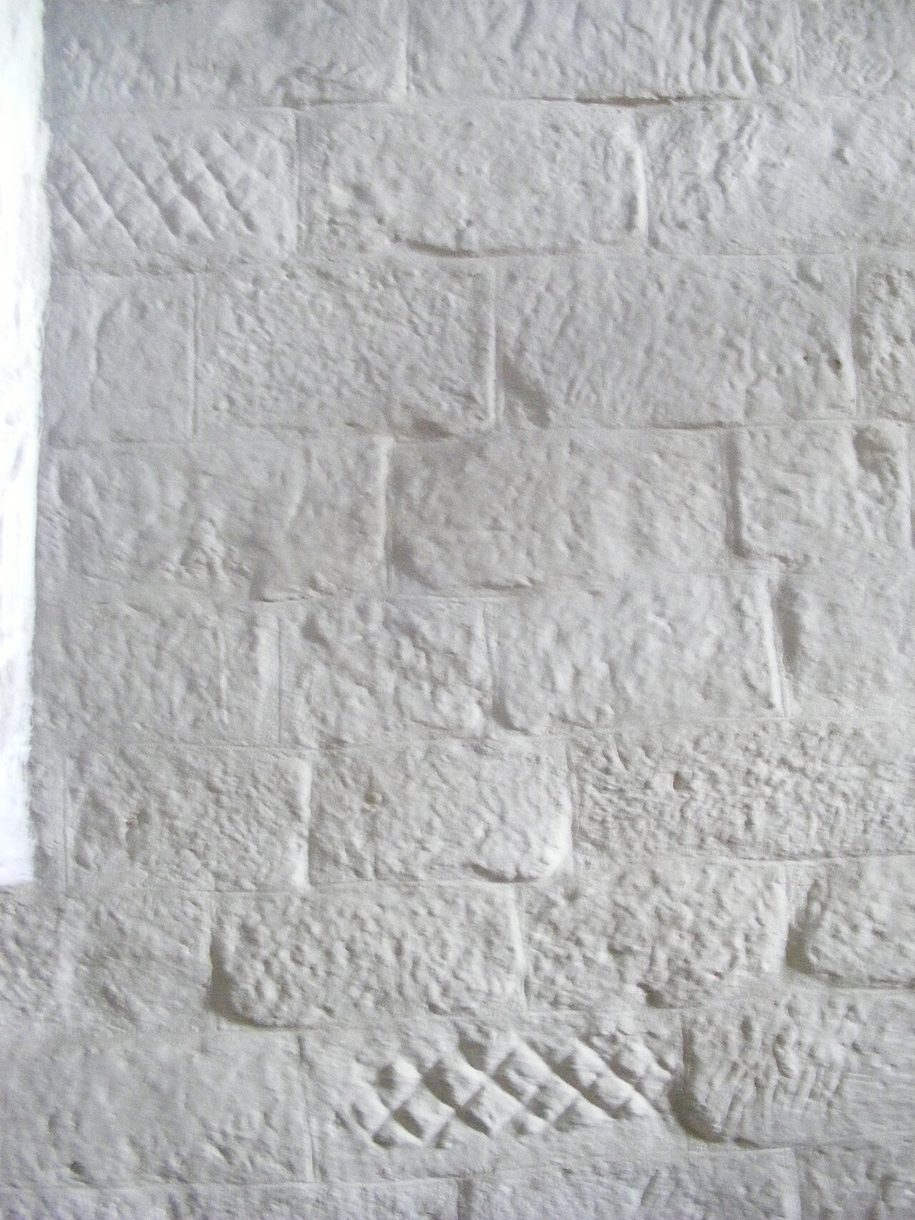
Its stones came from the Roman fort of Vinovia at Binchester, a mile and a half away, and many still carry Roman tool marks. The church was small — it seated only 65 people — and in the 1860s a larger church was built in the village. The old church fell into ruin, was restored in the 1870s and again in the 1960s, and in 1969 became the parish church once more.
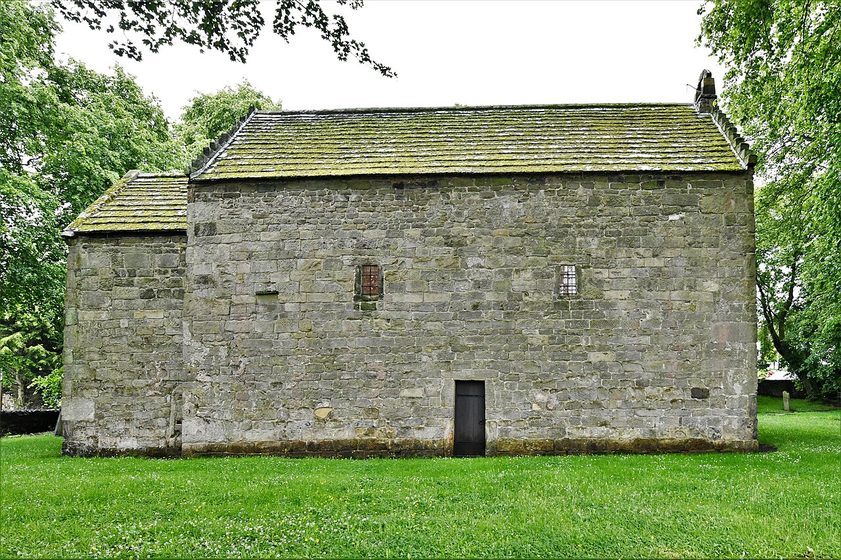
The visitor's cheat sheet
| Where | Saxon Green, Escomb, Bishop Auckland, County Durham, DL14 7SY |
|---|---|
| Getting there | About 2 miles west of Bishop Auckland; hourly bus from Bishop Auckland (not Sundays); parking outside the church |
| Opening hours | Open (or key available) 9am–8pm in summer, 9am–4pm in winter; if locked, the key is at 28 Saxon Green, behind the church |
| Admission | Free; donations welcome |
| How long | 30 minutes |
| Best time | A sunny morning, when the sundial casts a shadow |
| Dress code | No rule; respectful dress in a working church |
| Tours | Self-guided; exhibits in the porch; no toilets on site |
Hours and admission checked against the official site in October 2026. They change; the official site is always the last word.
One of a handful. Escomb is one of only a few Anglo-Saxon churches in England that survive more or less complete. The others usually named with it are Brixworth in Northamptonshire, Bradford on Avon in Wiltshire and Greensted in Essex.
What to see, in the order you meet it
The outside and the sundial
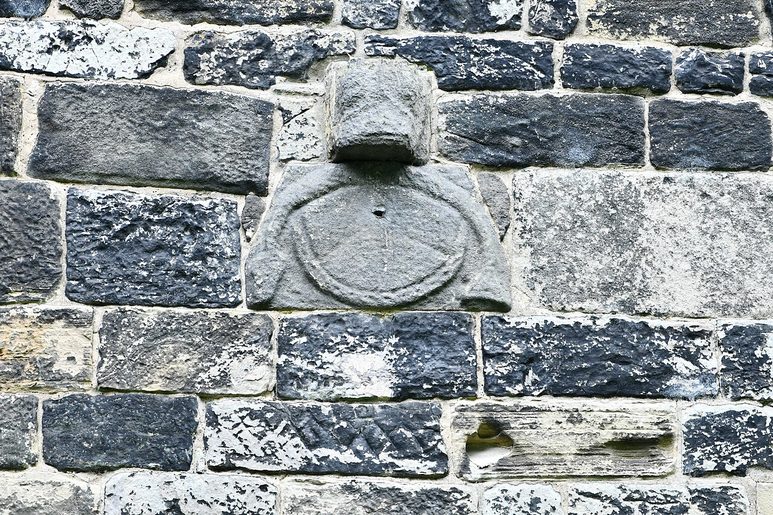
The church stands in a round churchyard, itself a sign of great age. Look at the huge corner stones and the tiny windows set high in the walls. High on the south wall is an Anglo-Saxon sundial, with a carved animal’s head above it, and on the north wall, upside down, is the Roman stone marked LEG VI.
The nave
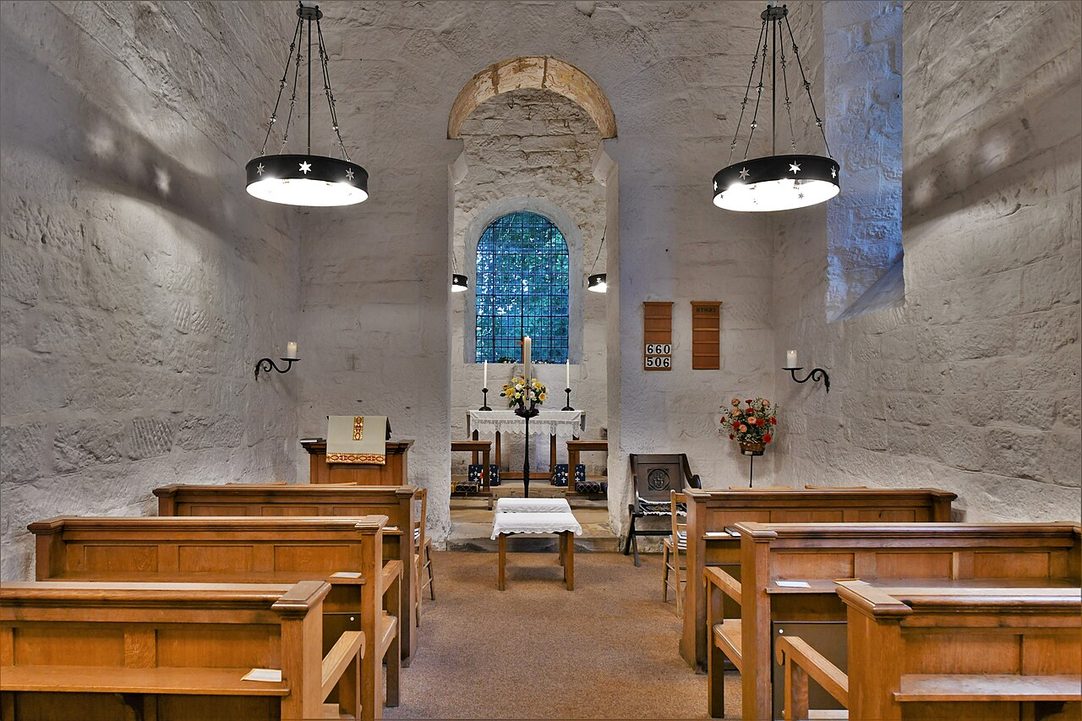
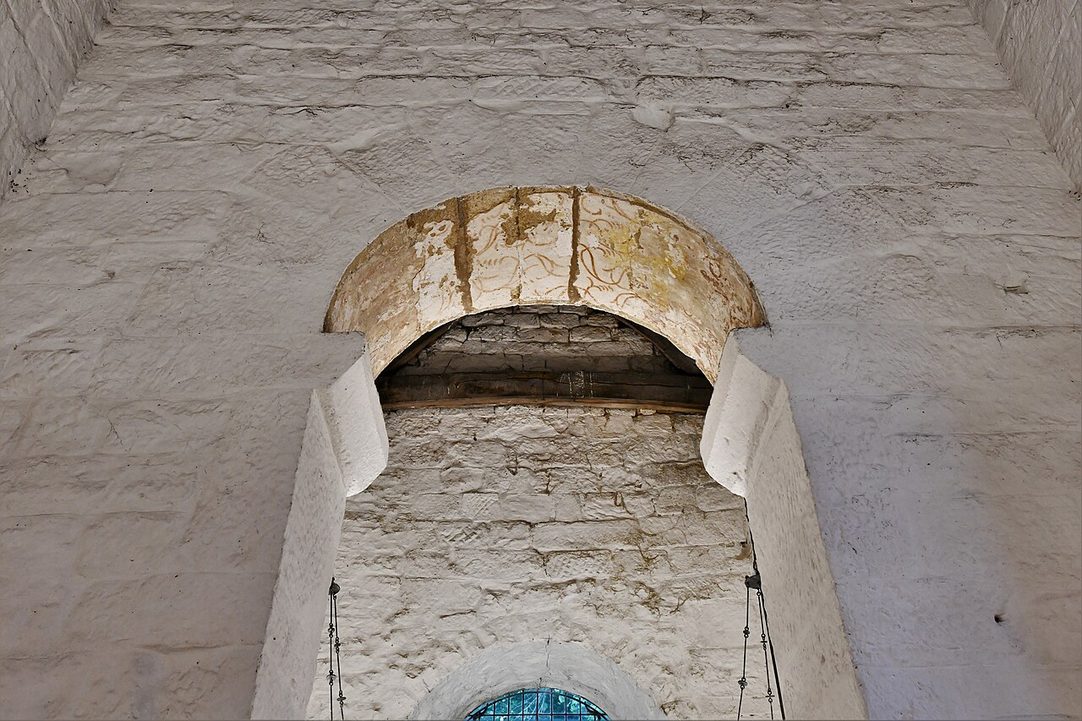
Inside, the nave is only about 14½ feet wide but some 23 feet high, and lit by small windows, several of them original. The walls carry traces of medieval painting, and the porch holds displays on the church’s history.
The chancel arch
The finest feature is the tall chancel arch, built of massive dressed stones that were probably a Roman arch at Binchester, taken down and rebuilt here. Beyond it is the small square chancel.
Visiting
Free to visit
There is no admission charge. The church is usually open in daylight; if it is locked, collect the key from 28 Saxon Green, directly behind the church.
The hotel link goes to Booking.com. This site earns nothing from it at present — it is here because it is the quickest way to check what is actually available.
Don't miss
- The sundial Anglo-Saxon, above the porch.
- LEG VI A Roman legion’s mark, upside down.
- The chancel arch Roman stones, rebuilt.
- The tiny windows Several are original.
- The round churchyard A sign of a very early site.
- Binchester The Roman fort the stones came from.
Insider tips
Combine it with Binchester and Auckland Castle. Binchester Roman Fort, where the stones came from, is a few minutes away, and Bishop Auckland has Auckland Castle and its gallery of religious art. Durham Cathedral is about half an hour by car.
Common questions
Is Escomb church open?
Usually, yes: the church is open (or the key is available) from 9am to 8pm in summer and 9am to 4pm in winter. If the door is locked, the key hangs on a hook by the front door of 28 Saxon Green, the house directly behind the church. Groups should contact the churchwardens in advance.
Does it cost anything to visit?
No. The church is free to visit; donations are welcome. Guided visits for groups can be arranged through the church.
How old is Escomb church?
It was built by the Anglo-Saxons in the kingdom of Northumbria, most likely in the late seventh or early eighth century; the church itself gives a date of around 670–675. It is one of only a handful of Anglo-Saxon churches in England that survive almost complete.
Why is there a Roman inscription in the wall?
The builders took dressed stone from the Roman fort at Binchester, about a mile and a half away. One stone, set upside down in the north wall, is marked LEG VI, for the Sixth Legion.
How do you get to Escomb?
Escomb is about two miles west of Bishop Auckland. Hourly buses run from Bishop Auckland bus station and stop about 50 yards from the church (no Sunday service). There is plenty of parking outside the church. There are no toilets at the church; the Saxon Inn opposite has them during opening hours.
Where to stay and eat nearby
The Saxon Inn is opposite the church. Bishop Auckland has cafés and hotels, and Durham, about half an hour away, has many more.
More English churches
- Durham Cathedral — St Cuthbert’s shrine
- Hexham Abbey — another Northumbrian church of the seventh century
- All Saints’, Brixworth — the largest Anglo-Saxon church
See all the cathedrals and churches worth visiting in England →