
Finchale Priory
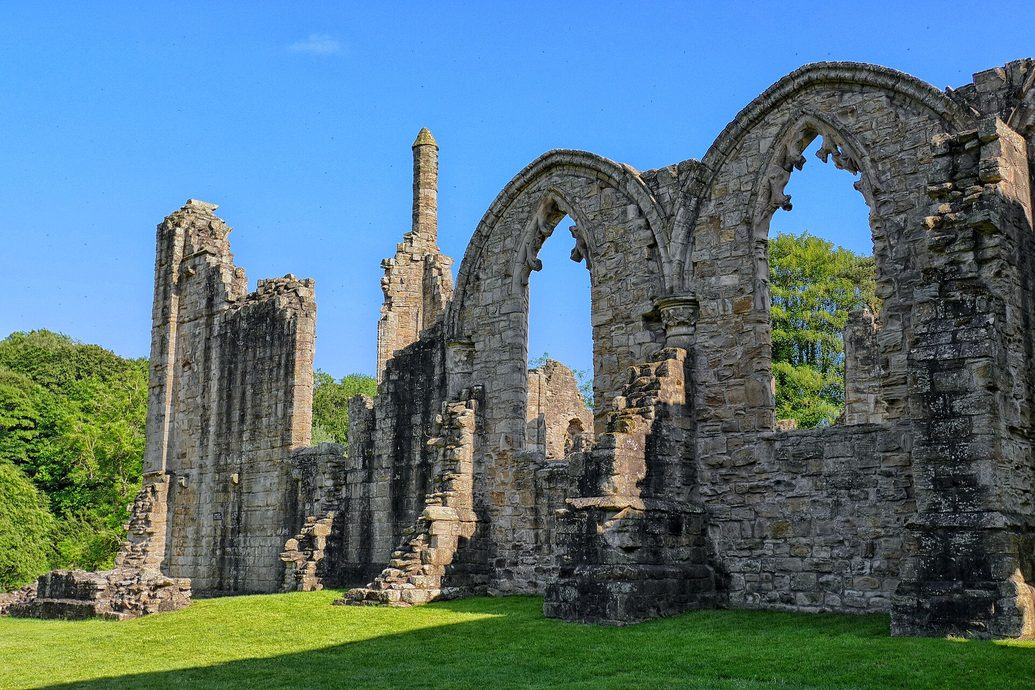
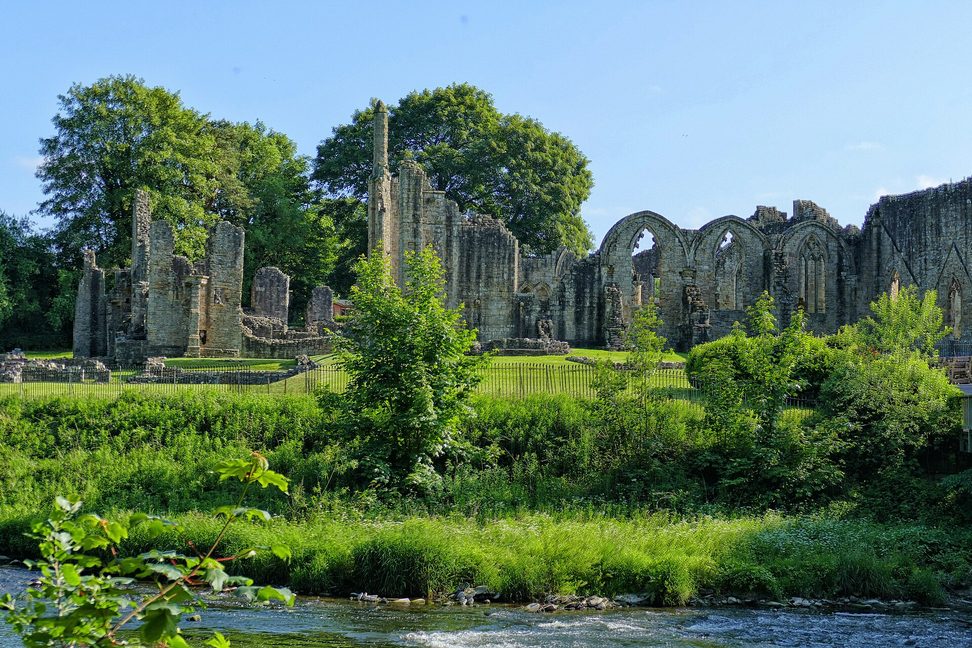
In a loop of the River Wear a few miles north of Durham, the ruins of Finchale Priory stand on the spot where a twelfth-century hermit, St Godric, lived as a hermit for some sixty years. Later it became a small priory of Durham Cathedral, and a place where the cathedral’s monks came for a few weeks’ rest. It is free to visit and a fine walk from the city.
Godric the hermit
Godric was born in Norfolk in the second half of the eleventh century, and spent his early life as a pedlar, merchant and sea captain, travelling as far as the Holy Land. Turning to religion, he became a hermit, and the Bishop of Durham, Ranulf Flambard, gave him this spot by the Wear. He lived here for nearly sixty years, in a wooden oratory and then a small stone chapel, and died in 1170 famous for his holiness. A monk of Durham, Reginald, wrote his life, and recorded songs that Godric was said to have composed; they are the oldest songs in English to survive with their music.
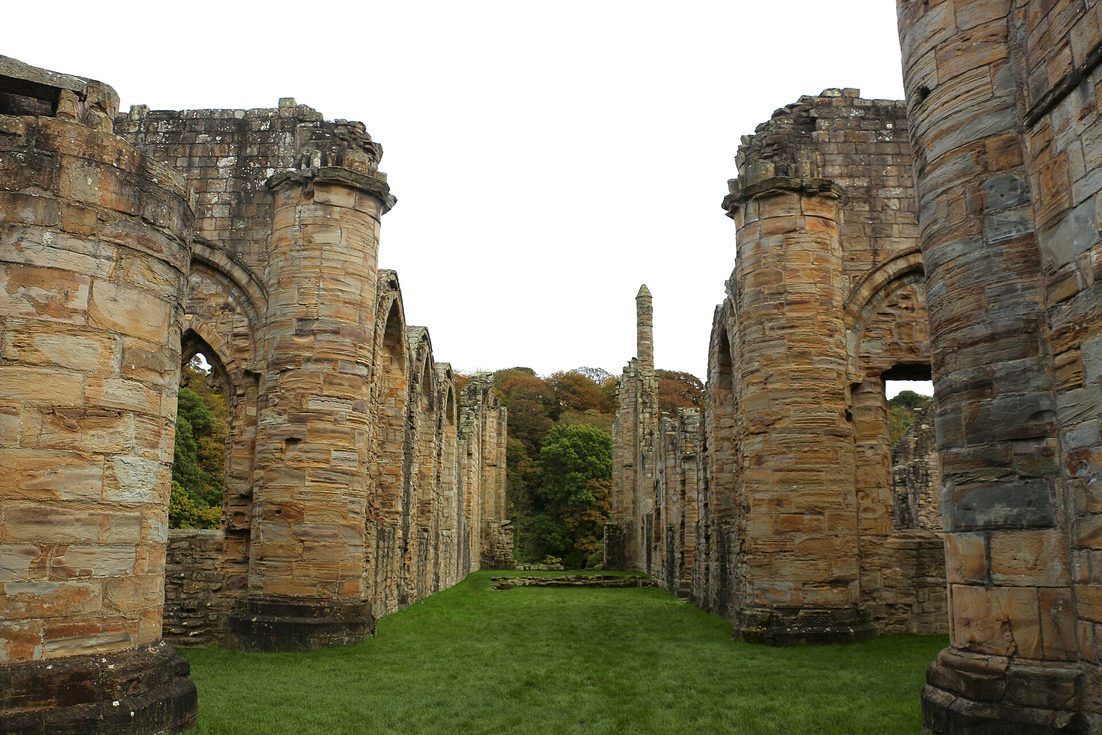
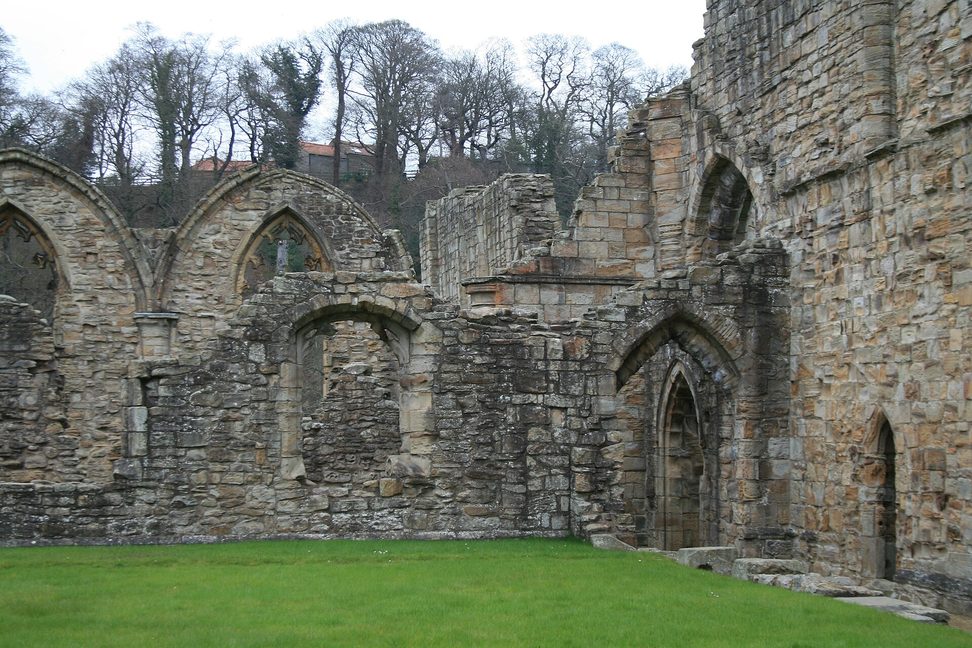
Godric had placed himself under the monks of Durham before he died, and after his death they took over the site; and in 1196 it became a small priory with a handful of monks (sources give eight to ten). The church was built in the thirteenth century; in the fourteenth its aisles were taken down and the arches filled in. From then on Finchale was used as a holiday house for the monks of Durham, who came in turns for a few weeks’ break. It was closed at the Dissolution in the 1530s.
The visitor’s cheat sheet
| Where | Finchale Avenue, Framwellgate Moor, Durham DH1 5SH, beside the River Wear, about three miles north-east of Durham |
|---|---|
| Opening | Closed until February 2027 (English Heritage). Normally open daily, 10am–5pm April–October, 10am–4pm in winter |
| Admission | Free (English Heritage) |
| Parking | Car park run by the neighbouring caravan park, £4 |
| Getting there | No direct bus; walk from Durham by the river, or bus 62 to Frankland and a short walk (not Sundays) |
| How long | An hour; half a day with the walk from Durham |
Hours and admission checked against the official site in November 2026. They change; the official site is always the last word.
What to see
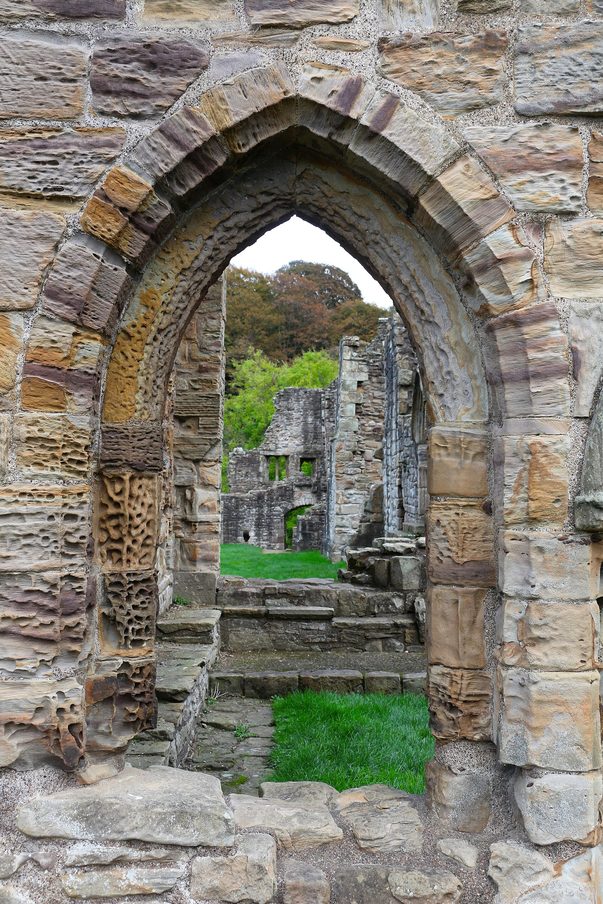
The ruins are extensive: the church, with its nave, transepts and the base of the crossing tower; the blocked arches where the aisles were removed; carved capitals; and in the south wall of the chancel a double piscina and seats for the clergy. Around the cloister are the chapter house, the refectory with its undercroft, and the prior’s lodging, where the visiting monks lived. A cross in the grass marks where Godric was buried.

Getting there
Finchale is about three miles north-east of Durham, off the A167. There is no bus to the priory: bus 62 runs from Durham to Frankland, a short walk away, but not on Sundays or bank holidays. The best way is on foot: riverside paths from Durham reach the priory in about five miles, and the Weardale Way crosses the Wear to it on a 1937 footbridge. By car, the car park belongs to the caravan park next door and charges £4. Durham station is about five miles away.
Where to stay
Stay in Durham and walk out along the river; the city has hotels within sight of the cathedral.
This link goes to Booking.com. This site earns nothing from it at present — it is here because it is the quickest way to check what is actually available.
Don’t miss
- Godric’s burial place Marked by a cross in the grass.
- The blocked arches Where the aisles were taken down.
- The riverside The Wear runs right past the ruins.
- The walk from Durham Five miles along the river.
Insider tips
Check it has reopened. English Heritage shows the priory closed until February 2027; look at its page before you set out.
Wear boots. The riverside paths from Durham can be muddy, and the steps up from the footbridge are steep.
Common questions
Is Finchale Priory open?
Not at the moment: English Heritage shows the priory closed until February 2027. When open, it is open daily, 10am–5pm from April to October and 10am–4pm in winter. Check the English Heritage page before you go.
Does it cost anything to visit Finchale Priory?
Entry to the priory is free. The car park beside it is run by the neighbouring caravan park, which charges £4.
Who was St Godric?
A merchant, sea captain and pilgrim from Norfolk who became a hermit here early in the twelfth century and lived at Finchale for nearly sixty years until his death in 1170. Songs attributed to him are the oldest songs in English to survive with their music.
Can you walk to Finchale from Durham?
Yes, by footpaths along the River Wear, about five miles from the city centre; the paths can be muddy. The Weardale Way crosses the river to the priory on a footbridge of 1937.
More English churches
- Durham Cathedral — the mother house of Finchale, three miles away
- Lindisfarne Priory — Holy Island, where St Cuthbert lived
- Tynemouth Priory — a priory ruin on a headland
See all the cathedrals and churches worth visiting in England →