
Tynemouth Priory and Castle
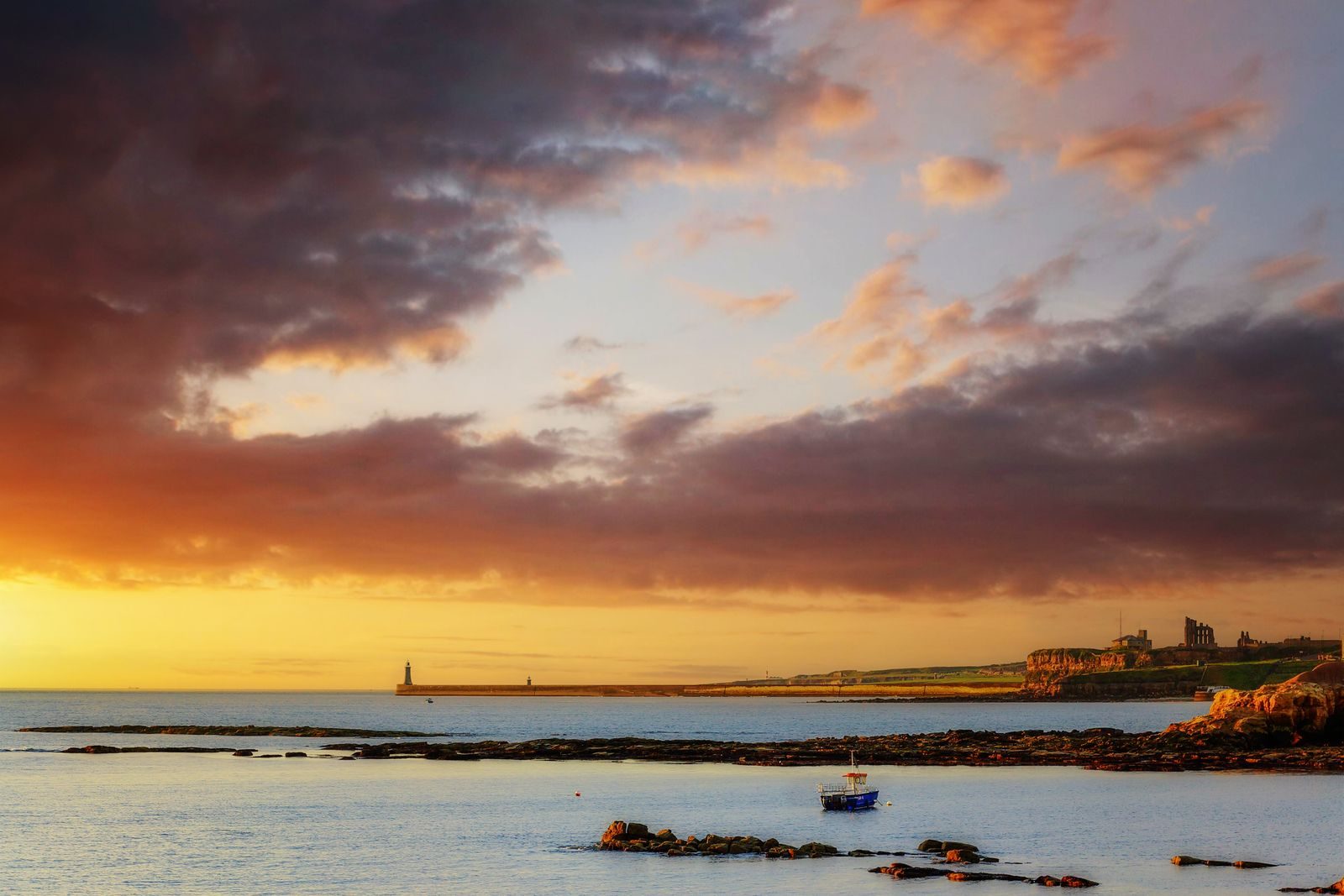
On a rocky headland where the Tyne meets the North Sea stand the ruins of a priory where three kings were buried, inside the walls of a castle that guarded the river mouth for nine hundred years. The tall east end of the church still rises above the cliffs, the little Percy Chantry keeps its carved vault, and below the walls are the gun batteries of two world wars.
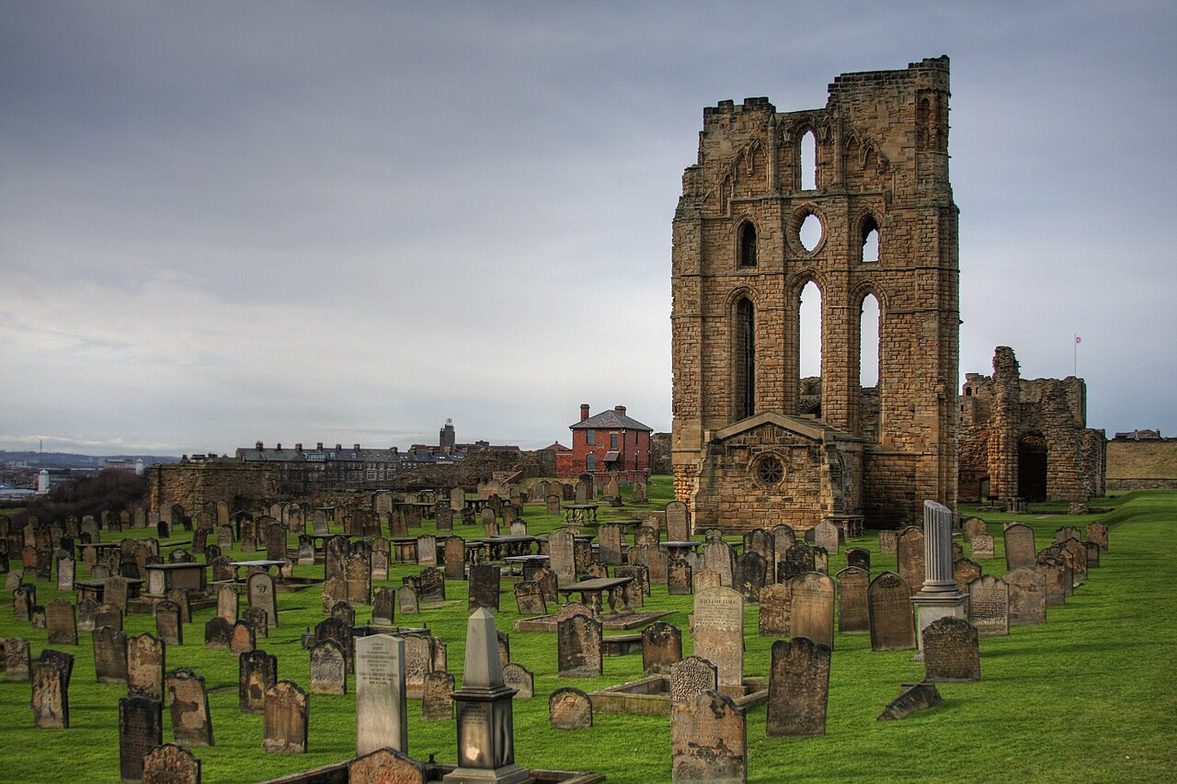
A shrine on the headland
A monastery stood here in Anglo-Saxon times. Tradition says that St Oswine, king of Deira, was buried here after his murder in 651, and Osred II of Northumbria was buried here in 792. The Vikings destroyed the monastery in 875. In 1090 Robert de Mowbray, Earl of Northumbria, gave Tynemouth to the great abbey of St Albans, and a new church was begun, with the shrine of St Oswine at its heart.
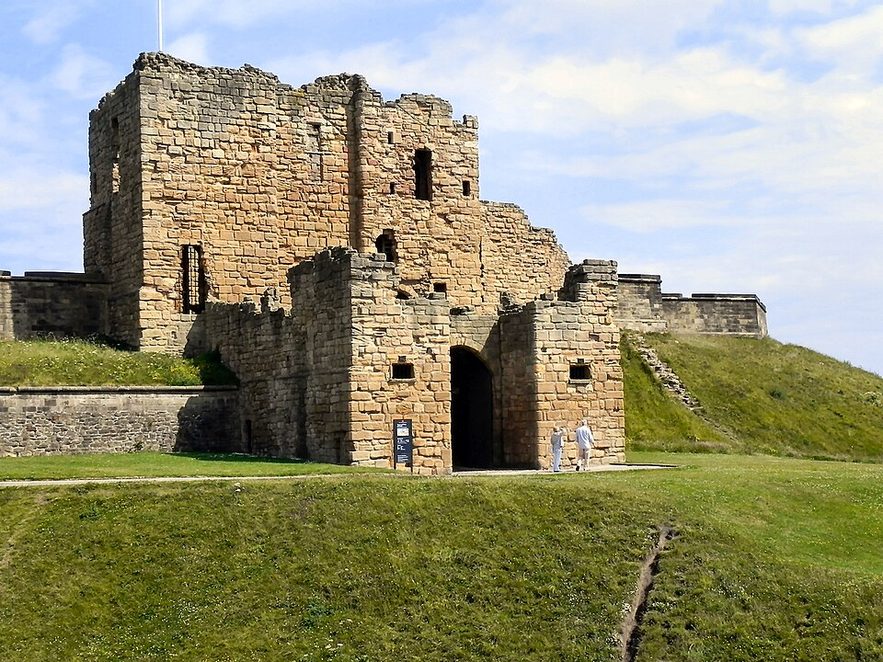
The priory grew rich on the land, fish and coal of Tynemouthshire, and between about 1190 and 1260 the church was rebuilt and enlarged. Because of its position it was also a fortress: walls were built across the neck of the headland, and around 1400 a great gatehouse. The priory was closed by Henry VIII in 1539, but the castle stayed in use, and guns guarded the river here until after the Second World War.
The visitor's cheat sheet
| Where | Pier Road, Tynemouth, Tyne and Wear, NE30 4BZ |
|---|---|
| Getting there | Tynemouth Metro station about half a mile away; bus 306; parking in the village, with a few disabled spaces on the causeway |
| Opening hours | Daily 10am–5pm in the main season, last entry 4.15pm; winter hours may differ |
| Admission | English Heritage ticket, around £9–£10 for adults; cheaper online or if you arrive by public transport or bike; free for members |
| How long | 1.5 to 2 hours |
| Best time | A clear day, for the views over the river mouth and the sea |
| Dress code | Outdoor site; warm clothes, it is exposed to the wind |
| Tours | Self-guided; gun battery and exhibitions; choir, chapel and presbytery areas closed for maintenance in autumn 2026 |
Hours and admission checked against the official site in October 2026. They change; the official site is always the last word.
“See to it, dear brother, that you do not come to this comfortless place.” A monk sent here from St Albans in the fourteenth century wrote about the sea frets, the shipwrecks and the sour, wizened apples, and warned a fellow monk not to come. But, he added, the church was “of wondrous beauty”.
What to see, in the order you meet it
The gatehouse and the walls
You enter through the castle gatehouse, a tall tower built around 1400, with its barbican in front. From the walls there are views over the mouth of the Tyne, the piers and the beach of King Edward’s Bay.
The priory church
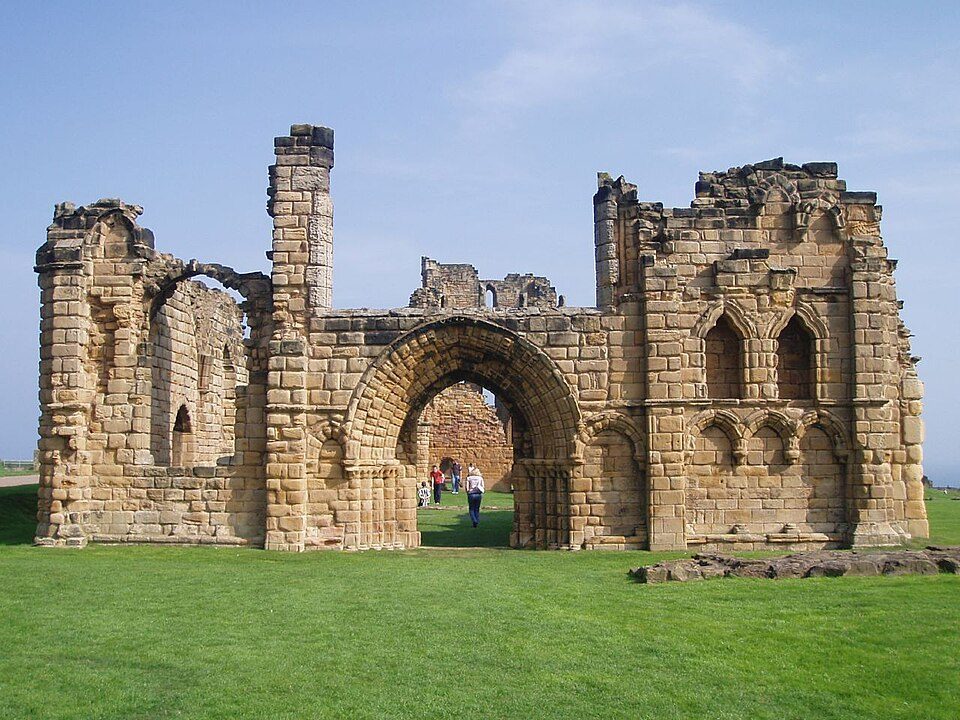
The church was built in stages: a Norman church, lengthened in the thirteenth century, whose west front and great doorway survive, and a new east end of around 1200, whose tall lancet windows still stand to their full height above the headland. It is one of the great sights of the north-east coast.
The Percy Chantry
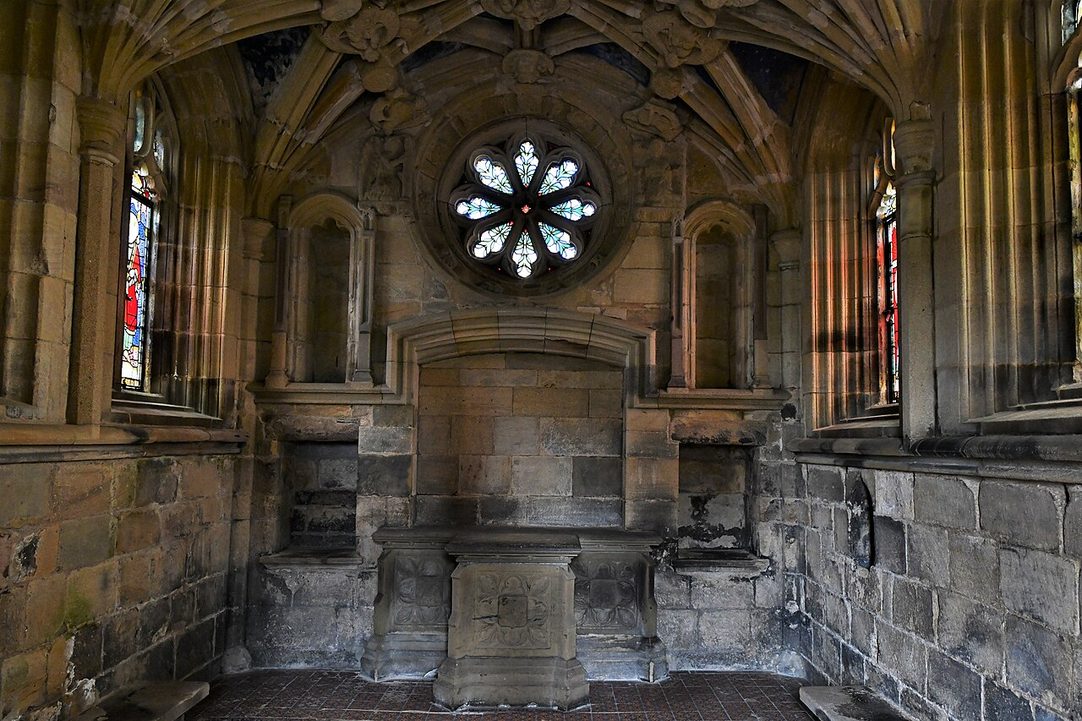
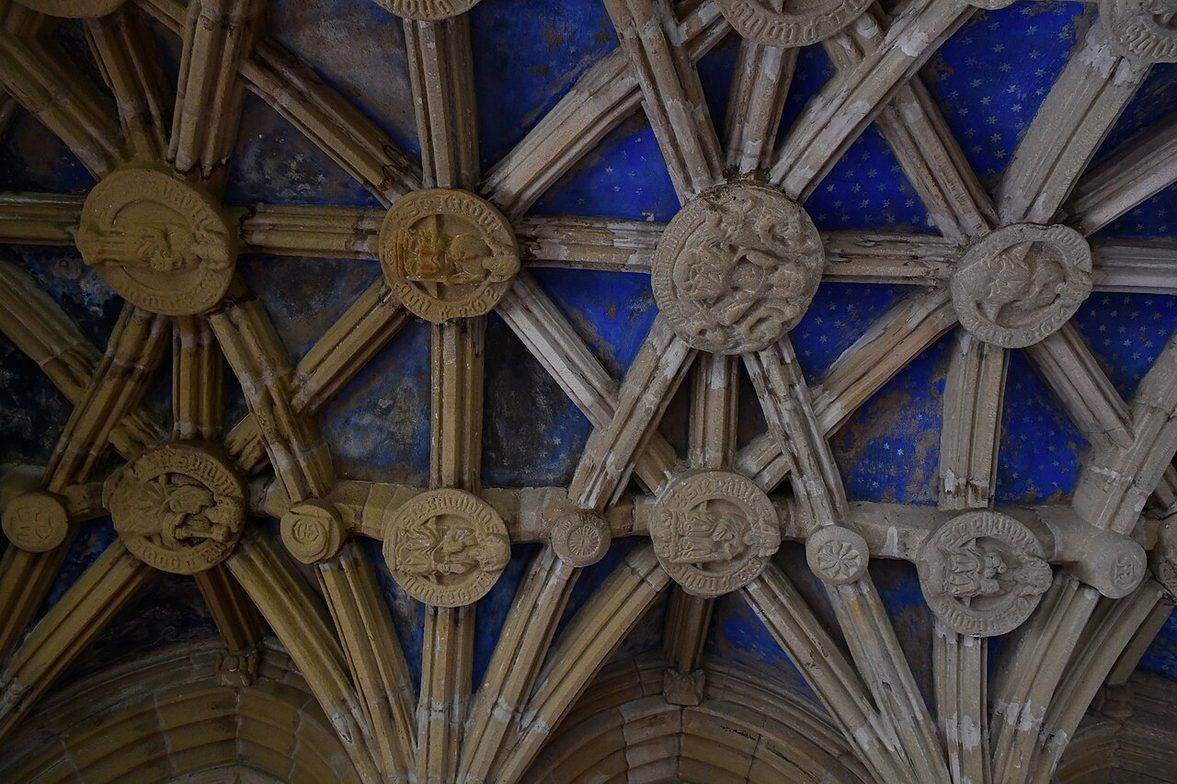
At the east end is the Percy Chantry, a small chapel added in the fifteenth century, which still has its stone vault, covered in carved bosses, and a rose window restored by the Victorians. English Heritage closed the choir, chapel and presbytery areas for maintenance in autumn 2026, so check before your visit if you want to see inside.
The gun battery
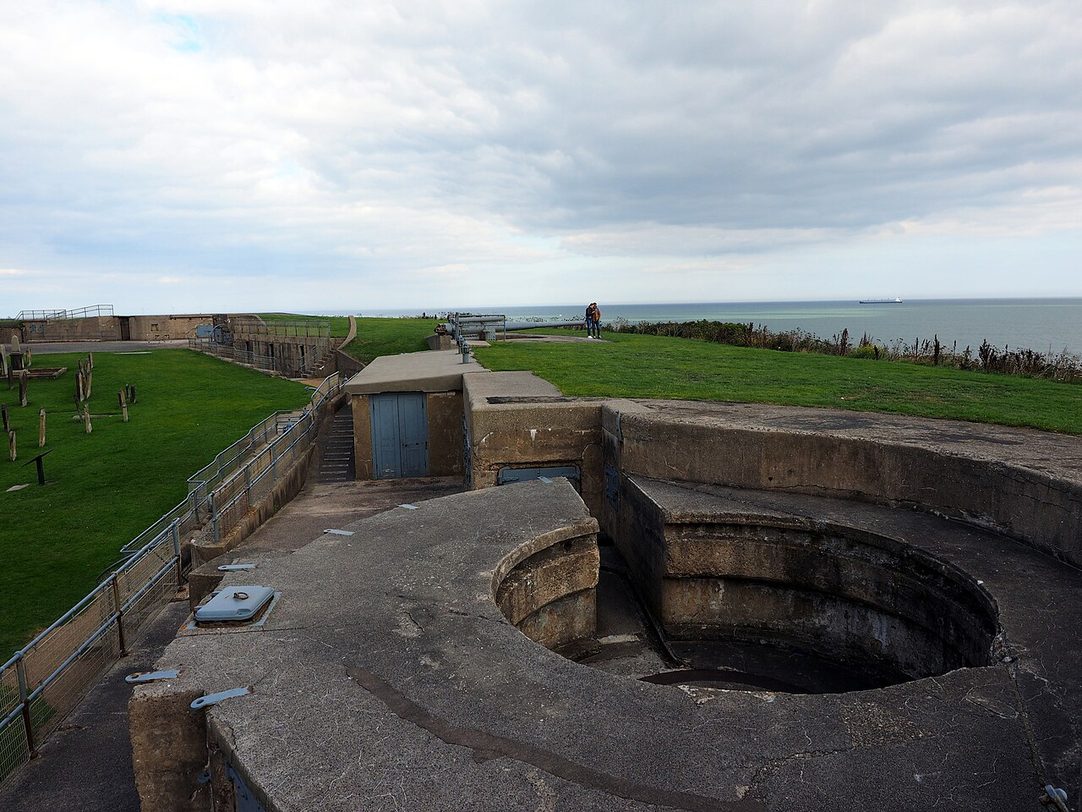
On the cliff edge are the gun emplacements and underground magazines of the coastal defences, used in the First and Second World Wars to guard the approach to the Tyne.
Visiting
An English Heritage site
Tickets cost around £9 to £10 for an adult, with discounts for booking online and for arriving by public transport. English Heritage members go free. Some parts of the church were closed for maintenance in autumn 2026.
The hotel link goes to Booking.com. This site earns nothing from it at present — it is here because it is the quickest way to check what is actually available.
Don't miss
- The east end Tall lancets standing above the cliffs.
- The Percy Chantry A carved vault and a rose window.
- The gatehouse The castle’s entrance, built around 1400.
- The gun battery Coastal defences of two world wars.
- The view The mouth of the Tyne and the North Sea.
- The churchyard Gravestones on the headland, among the ruins.
Insider tips
Come by Metro and make a day of it. Tynemouth is half an hour from central Newcastle on the Metro, and you get a discount for arriving that way. Walk down to Longsands beach or along the pier afterwards, and look out for the weekend market at the station.
Common questions
How much does it cost to visit Tynemouth Priory?
Tynemouth Priory and Castle is run by English Heritage, which sets prices by date: expect around £9 to £10 for an adult, less while parts of the church are closed (English Heritage was taking 30% off in autumn 2026), and less again if you book online or arrive by Metro, bus or bike. English Heritage members go free. Check the website for today’s price and any current discount.
When is Tynemouth Priory open?
In the main season it is open daily from 10am to 5pm, with last entry at 4.15pm. Winter opening can be more limited, so check the English Heritage website before you travel.
Can you see inside the Percy Chantry?
Probably not at the moment. In autumn 2026 English Heritage closed the choir, chapel and presbytery areas for essential maintenance, and English Heritage was offering a discount on tickets while the work went on. Check the website before you go.
Which kings are buried at Tynemouth?
Three, according to tradition: St Oswine, king of Deira, in the seventh century; Osred II of Northumbria in 792; and Malcolm III of Scotland, killed at Alnwick in 1093, whose body was later moved to Dunfermline. The three crowns on the arms of North Tyneside recall them.
How do you get to Tynemouth Priory?
Take the Metro to Tynemouth, about half a mile away, or the 306 bus. The site is on Pier Road at the end of Front Street. Parking in the village involves an uphill walk and some cobbles; there are a few disabled spaces on the causeway.
Where to stay and eat nearby
Tynemouth’s Front Street is lined with pubs, cafés and fish restaurants, and Newcastle is a short Metro ride away.
More English churches
- Lindisfarne Priory — another coastal priory, on Holy Island
- Whitby Abbey — ruins on a clifftop further down the coast
- St Albans Cathedral — the abbey that owned Tynemouth
See all the cathedrals and churches worth visiting in England →