
St Andrew’s Church, Heckington
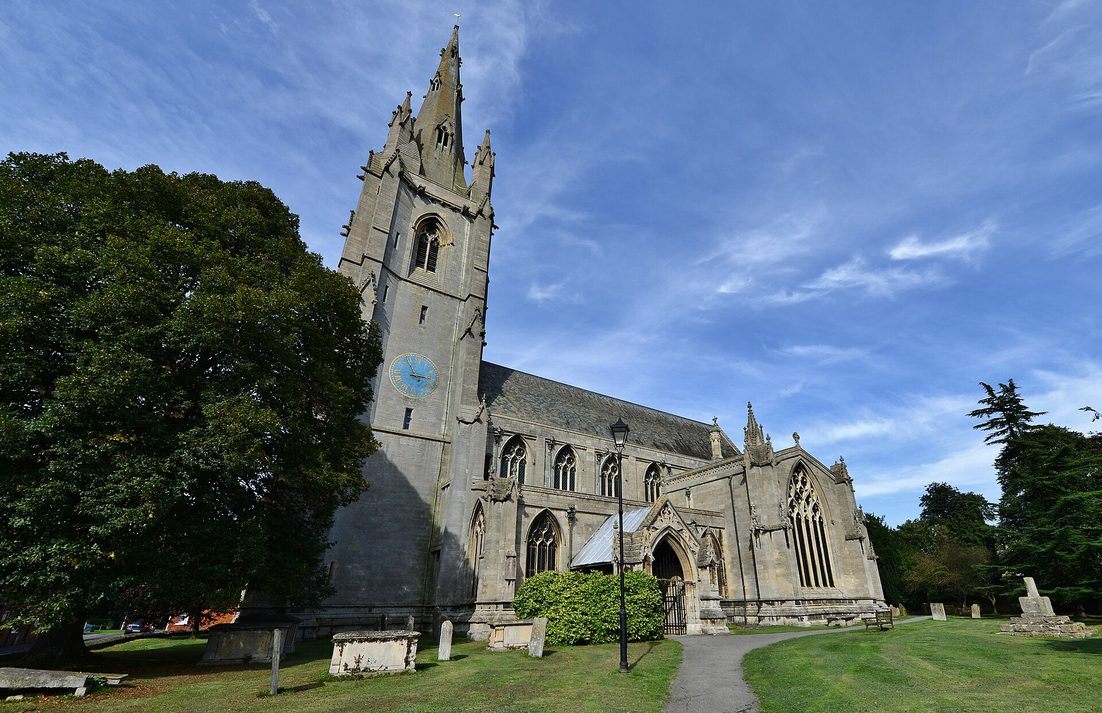
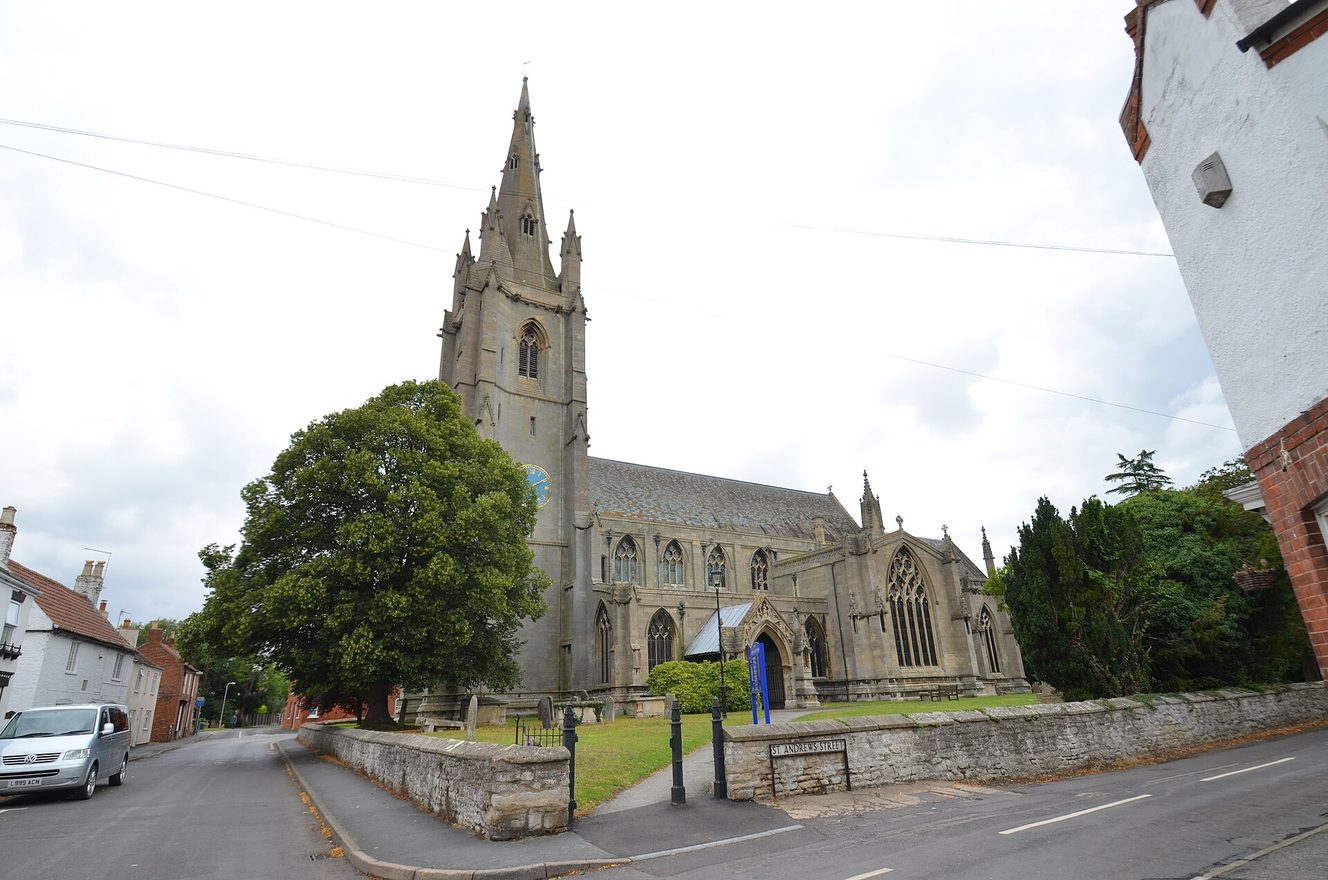
In a Lincolnshire village between Sleaford and Boston, St Andrew’s at Heckington is one of the finest Decorated Gothic churches in England, built in the first half of the fourteenth century. Its Easter Sepulchre and sedilia are among the most celebrated medieval carvings of their kind.

A Decorated church of the fourteenth century
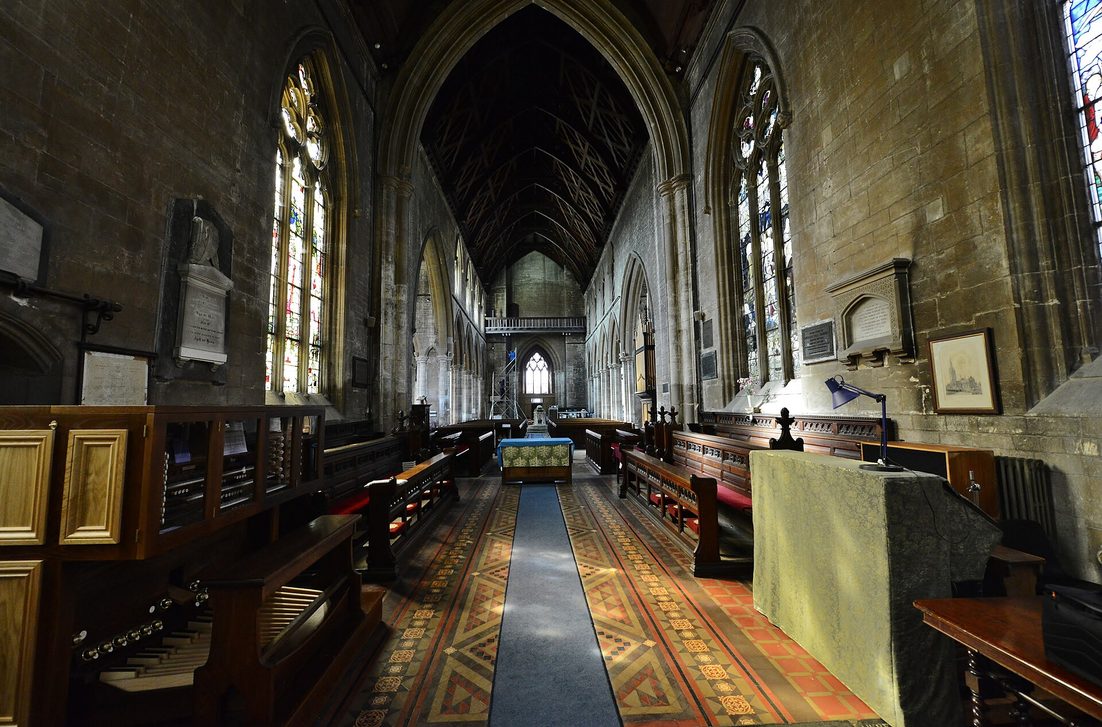
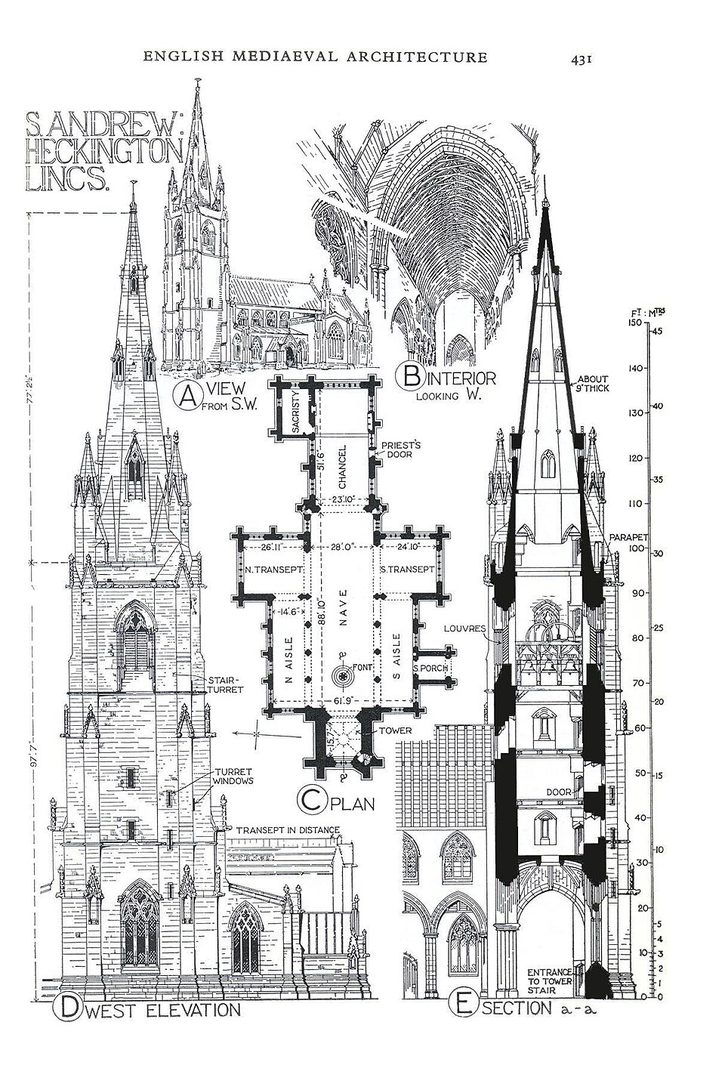
St Andrew’s was begun around 1307 and built over the following decades, the chancel last, around 1333, which is why it is so consistent in style: the flowing tracery, crockets and carved figures of the Decorated period of English Gothic. The chancel was rebuilt by the rector, Richard de Potesgrave, a royal chaplain, who is buried in it; when his tomb was opened in 1800 a chalice was found inside. The church was restored in 1867 and in 1887–8.
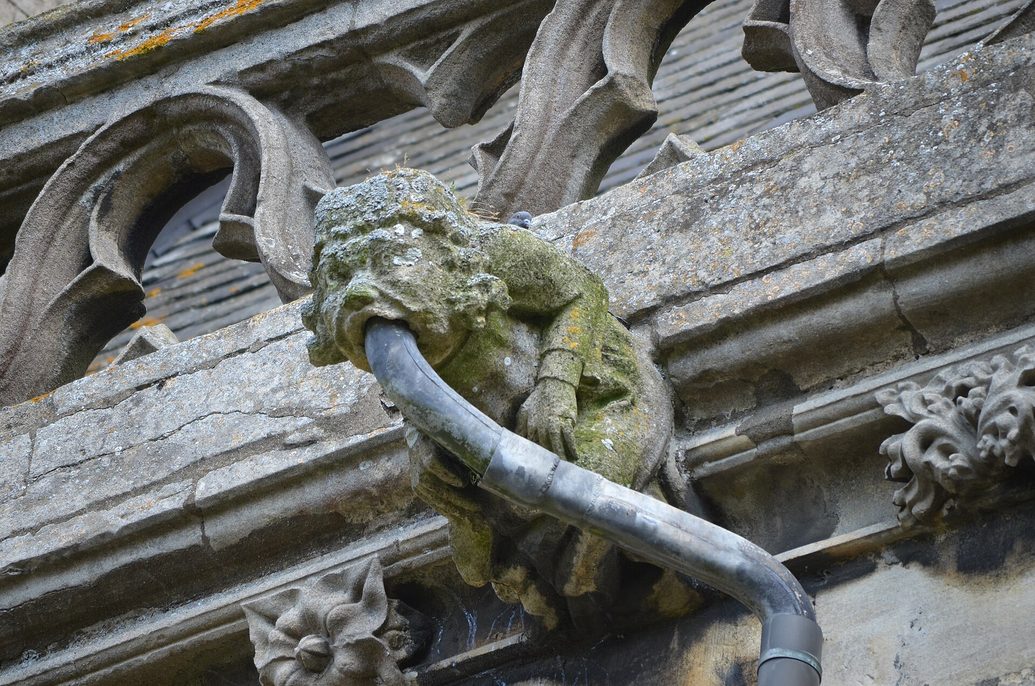
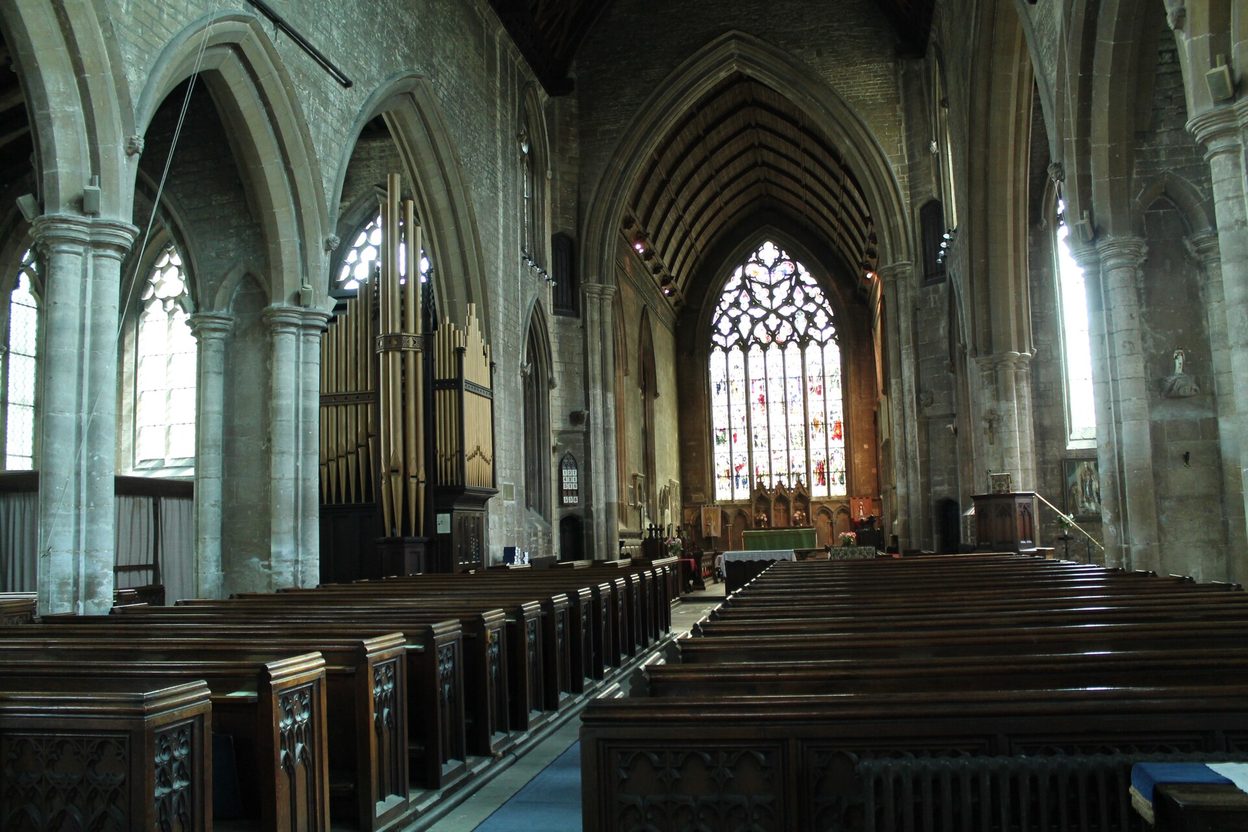
Outside, the walls are crowded with carving: pinnacles, statues in niches, and a frieze of gargoyles and grotesques, among them musicians. The seven-light east window is one of the great displays of flowing tracery in England. In 2025, for the church’s 700th anniversary, medieval glass removed in 1946 was returned and put on display.

The visitor’s cheat sheet
| Where | Church Street, Heckington, Sleaford, Lincolnshire NG34 9RW |
|---|---|
| Opening hours | No regular opening hours; arrange access in advance by phone |
| Admission | Free; donations welcome |
| Services | Sundays at 11am |
| Station | Heckington, on the Nottingham–Skegness line |
| How long | Three-quarters of an hour |
Hours and admission checked against the official site in November 2026. They change; the official site is always the last word.
What to see
The Easter Sepulchre
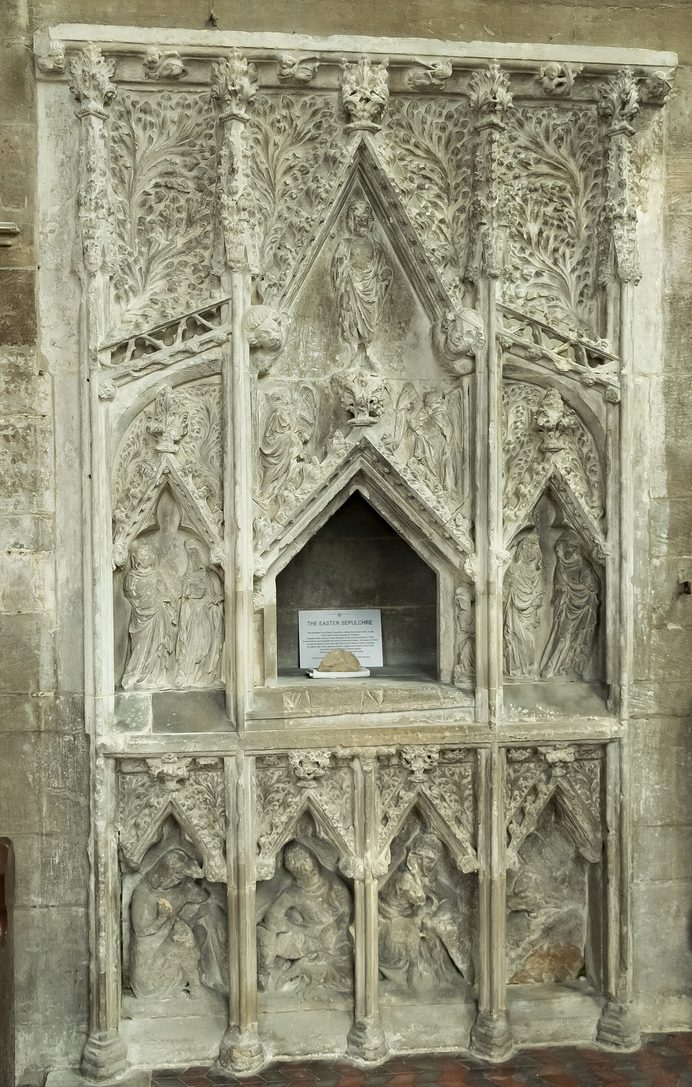
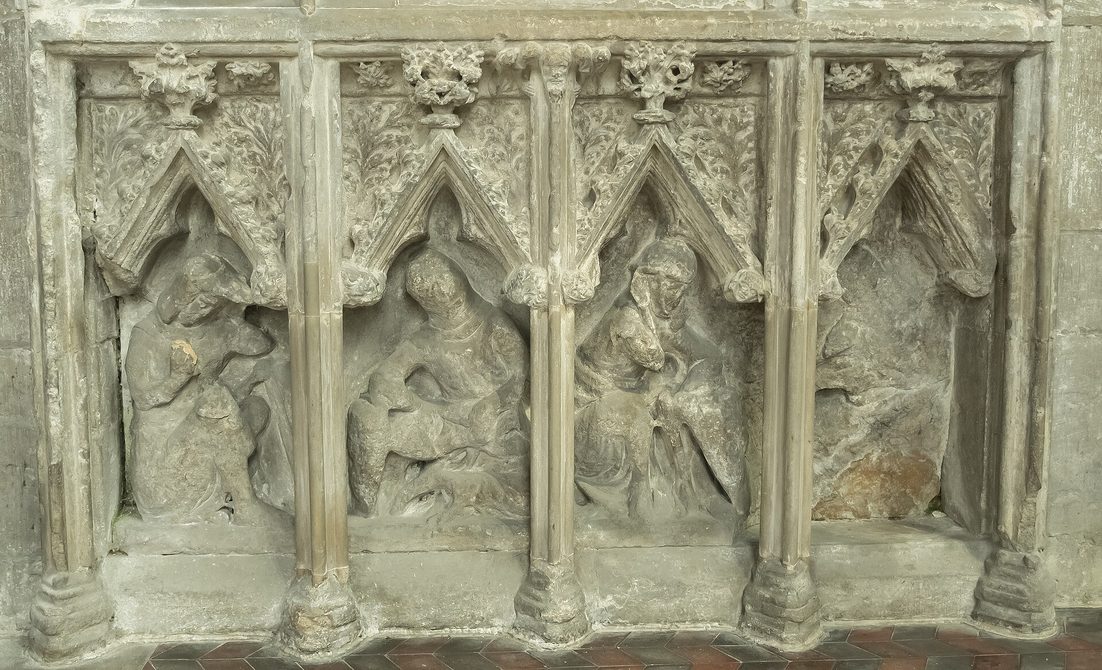
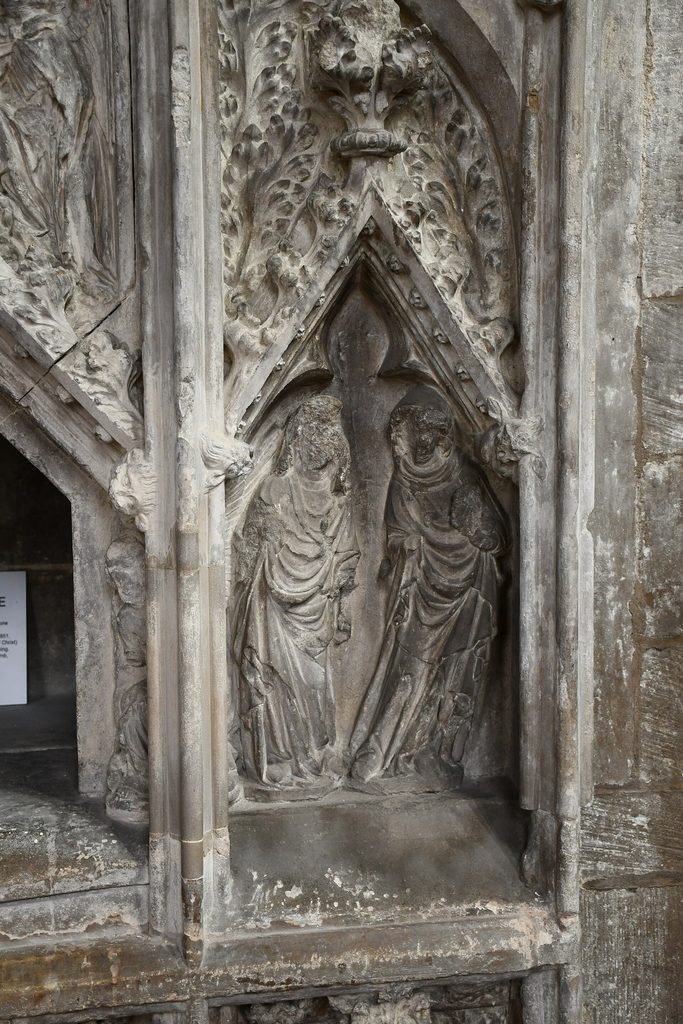
In the north wall of the chancel is the Easter Sepulchre, a tall recess covered in carving: at the bottom the soldiers who guarded the tomb sleep in their armour, to either side of the opening the three Marys come to the tomb with an angel, and at the top is the risen Christ.
The sedilia and the chancel
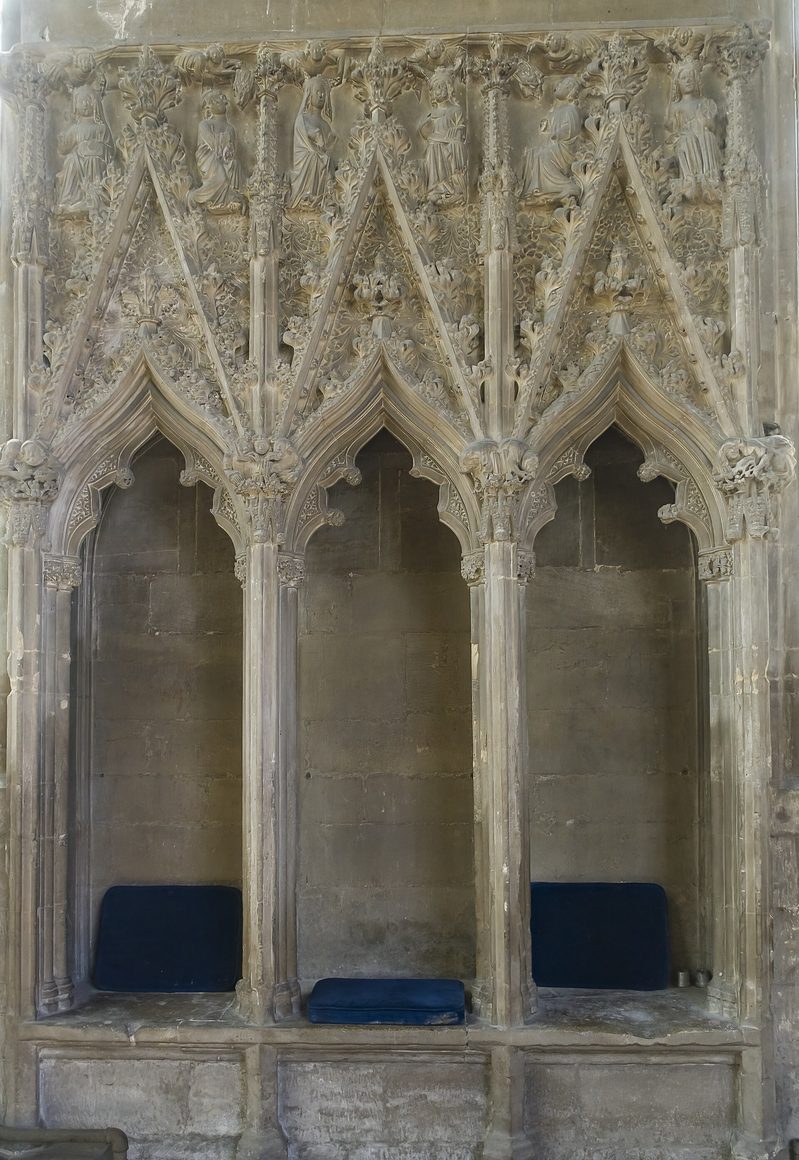
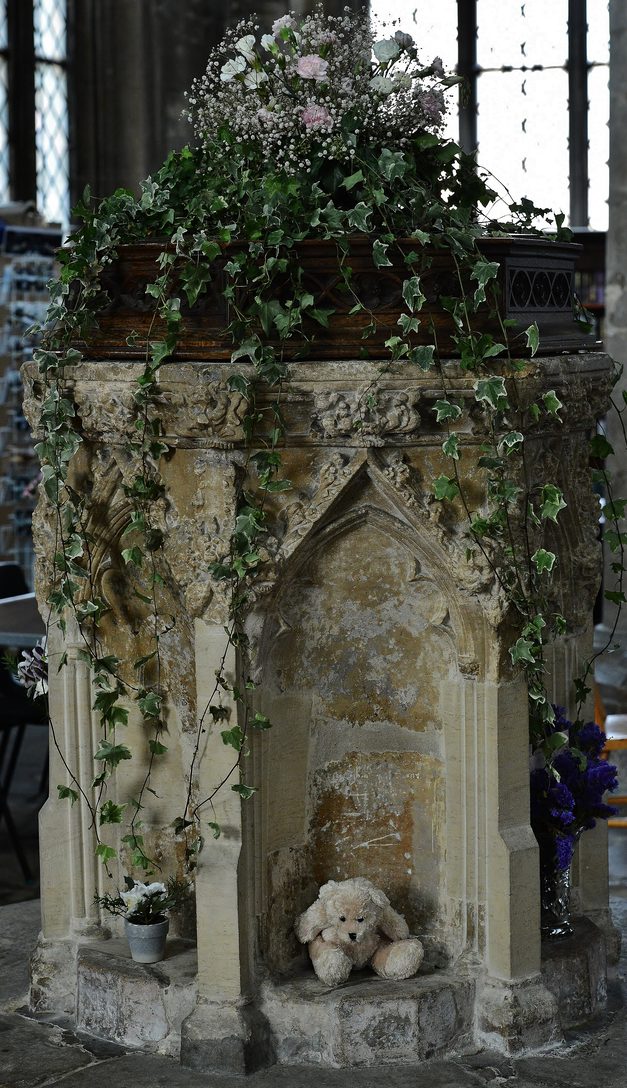
Opposite are the sedilia, three seats for the clergy under carved canopies with figures of Christ, the Virgin and saints, and beside them a double piscina. Look also for the tomb of Richard de Potesgrave and the fourteenth-century font.

Getting there
Heckington is just off the A17, about five miles east of Sleaford. Heckington station, on the Poacher Line from Nottingham and Grantham to Boston and Skegness, has trains about hourly on weekdays and Saturdays. The church is in the village centre.
Where to stay
Sleaford, five miles west, is the nearest town with hotels.
This link goes to Booking.com. This site earns nothing from it at present — it is here because it is the quickest way to check what is actually available.
Don’t miss
- The Easter Sepulchre Soldiers, Marys and the risen Christ.
- The sedilia Three carved seats.
- The east window Flowing tracery.
- The gargoyles Musicians and grotesques.
Insider tips
Arrange access first. The church is not open at regular times, so ring ahead; Sunday morning is the easy time to find it open.
See the windmill too. Heckington Windmill, with eight sails, is in the village; it opens Friday to Sunday, with a winter break.
Common questions
Why is Heckington church famous?
It is one of the finest Decorated Gothic churches in England, built in the early fourteenth century, and its chancel has an Easter Sepulchre and sedilia that are among the finest of their kind.
What is an Easter Sepulchre?
A recess in the north wall of the chancel where the consecrated host was placed from Good Friday to Easter morning. Heckington’s is carved with the sleeping soldiers, the three Marys and the risen Christ.
Is Heckington church open?
It has no regular opening hours. Ring the number on the National Churches Trust or parish listing to arrange access, or come to the Sunday service at 11am.
Is it free?
Yes; donations are welcome.
How do you get to Heckington?
Heckington is just off the A17, five miles east of Sleaford, and has its own station on the line from Nottingham and Grantham to Skegness.
More English churches
- Louth Church — the tallest medieval parish spire
- Boston Stump — the great tower of Boston
- Lincoln Cathedral — the cathedral of Lincolnshire
See all the cathedrals and churches worth visiting in England →