
St John the Baptist, Tideswell
In a stone village in the Peak District, the church of St John the Baptist is so large and so complete that it is called the Cathedral of the Peak. It was built mainly in the fourteenth century, and inside are medieval tombs and brasses and the woodcarving of the Hunstone family of Tideswell.
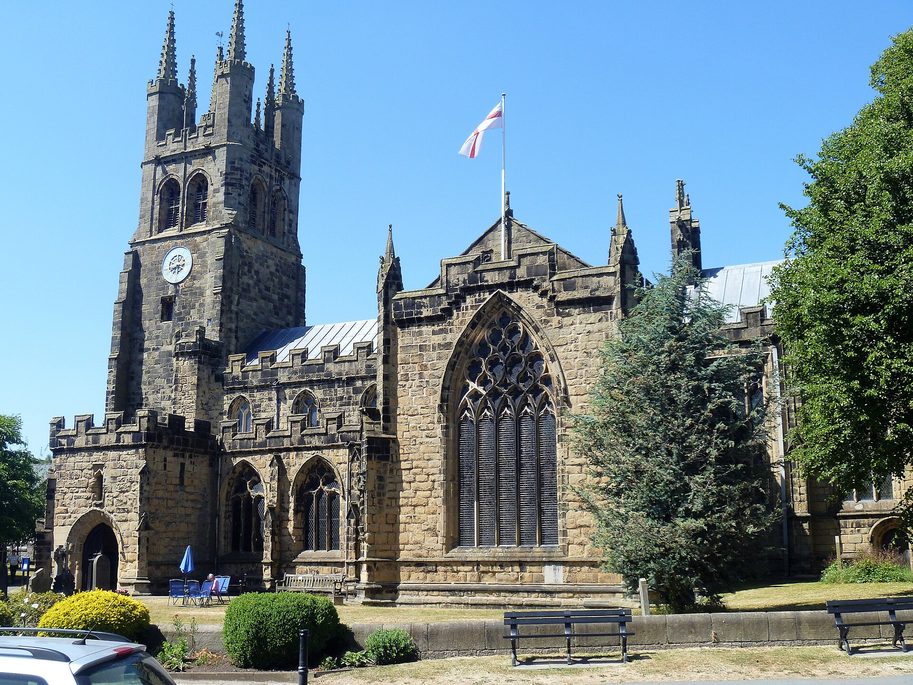
A great church in a Peak village
The present church was built between about 1320 and 1400, replacing an earlier one; the Black Death of 1349 interrupted the work. The nave and transepts are in the Decorated style, the chancel and the tower later, in the Perpendicular style. Tideswell was a market town and a lead-mining centre, and the size of the church reflects its wealth. It was restored from 1873 under J. D. Sedding, who gave it a new oak roof, and it is listed Grade I.
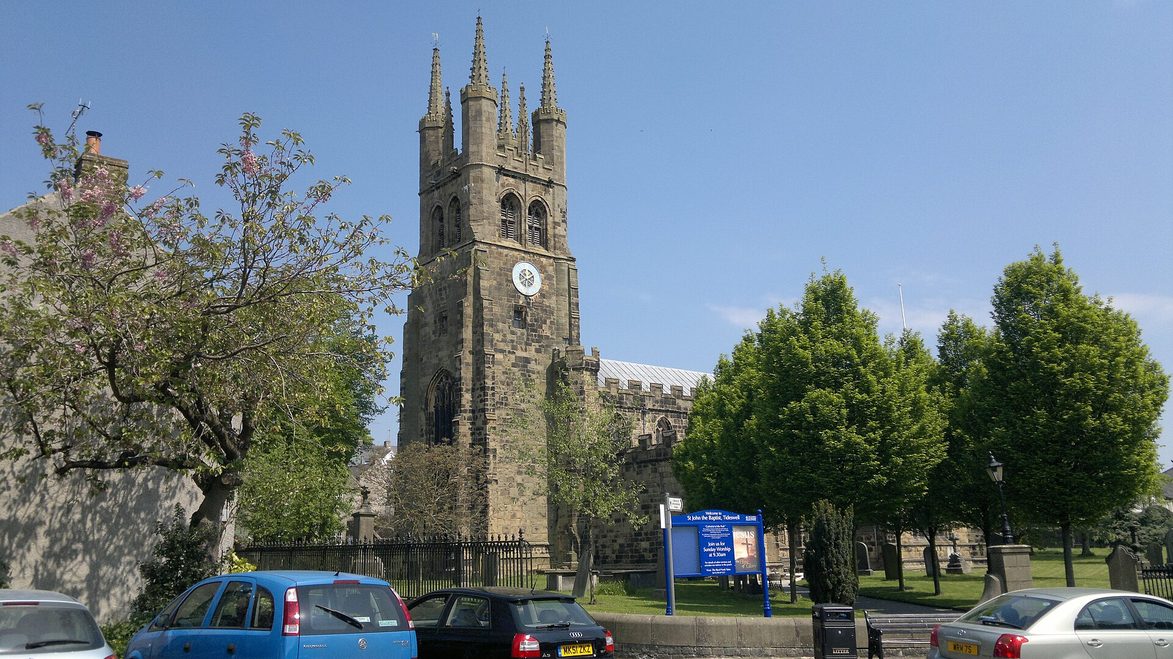
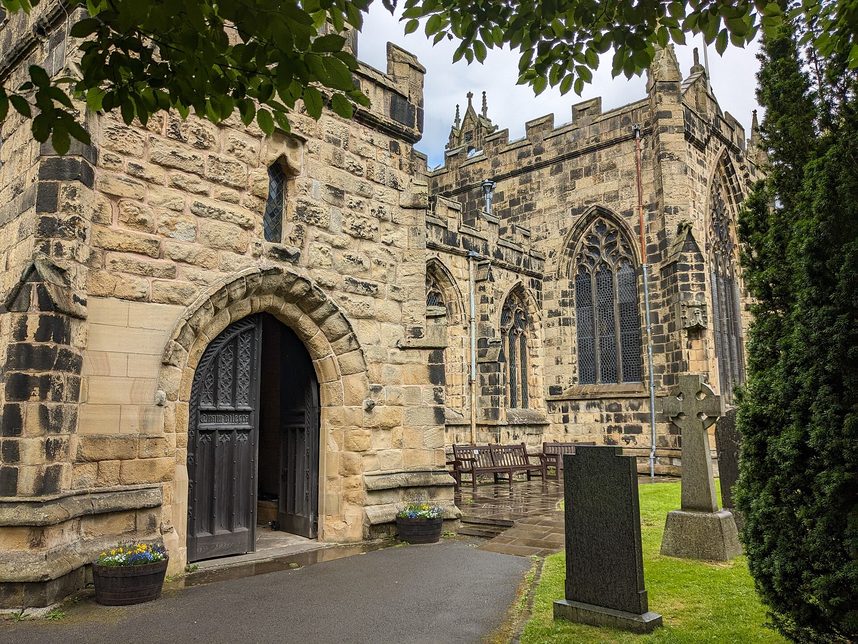
The visitor’s cheat sheet
| Where | Commercial Road, Tideswell, Buxton, Derbyshire SK17 8NU |
|---|---|
| Opening hours | Daily from about 9am until late afternoon or dusk |
| Admission | Free to enter (no charge is published); donations welcome |
| Services | Sundays at 9.30am |
| Parking | On the street near the church |
| How long | Three-quarters of an hour |
Hours and admission checked against the official site in November 2026. They change; the official site is always the last word.
What to see
The chancel
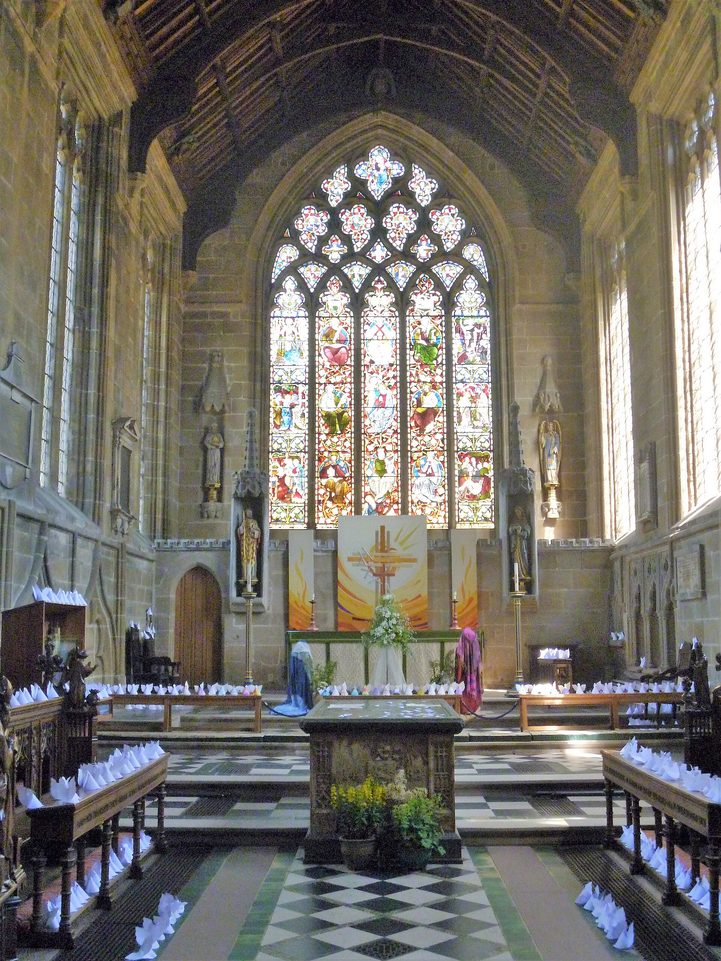
The chancel is tall and full of light, with large windows and a fourteenth-century timber screen. In it are the tomb of Sir Sampson Meverell, who died in 1462, and brasses including that of Robert Pursglove (d. 1579), a Tideswell man who became Suffragan Bishop of Hull and founded the village grammar school.
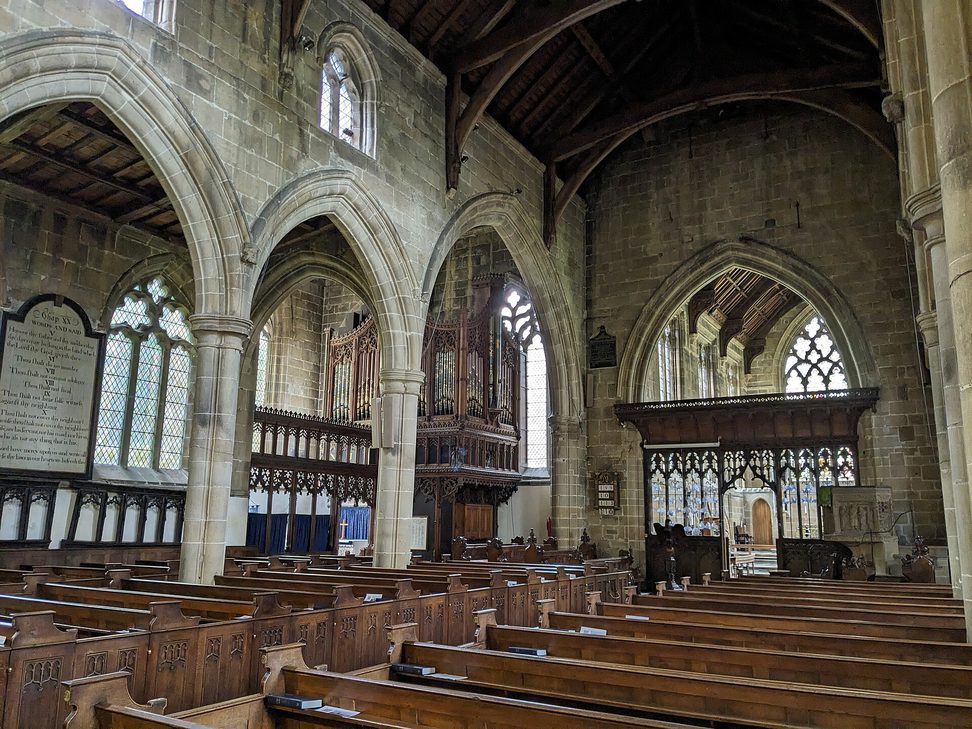
The tombs
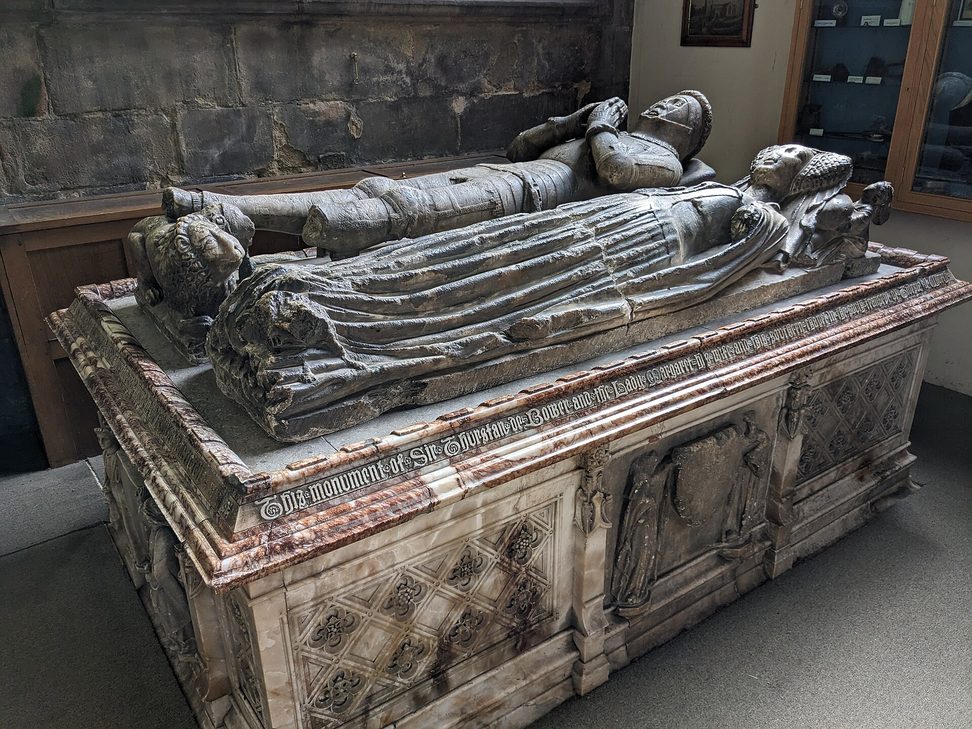
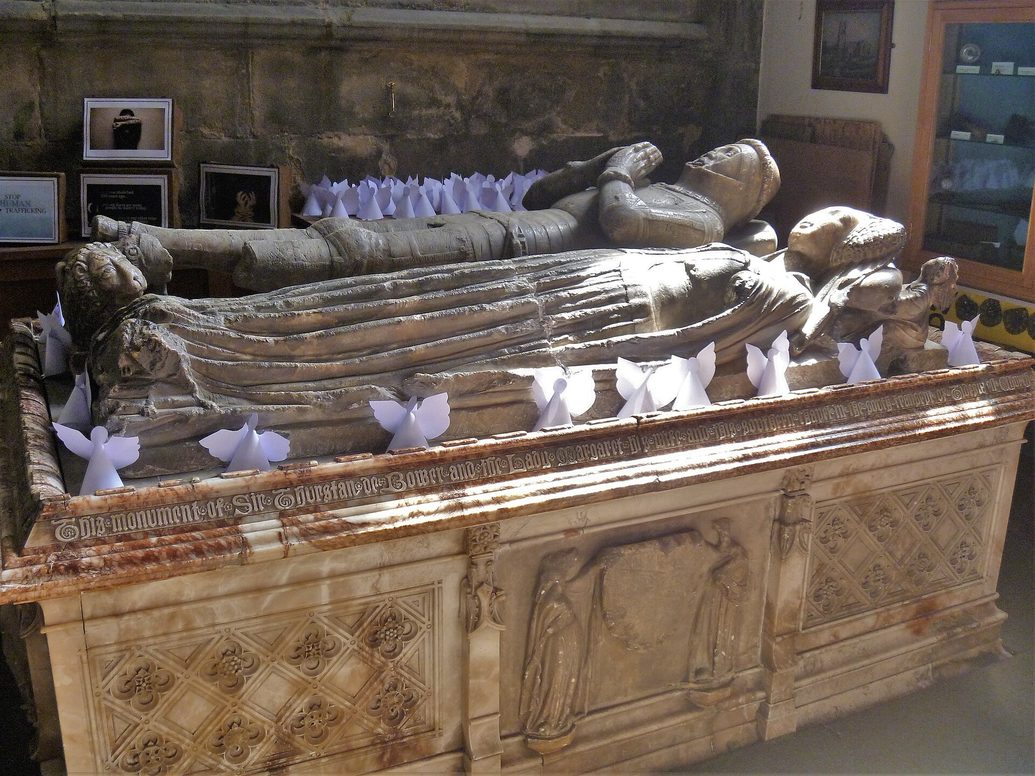
In the south transept lie alabaster effigies traditionally said to be of Sir Thurstan de Bower and his wife Margaret, of about 1400; the tomb was reconstructed in the Victorian restoration.
The Hunstone woodcarving
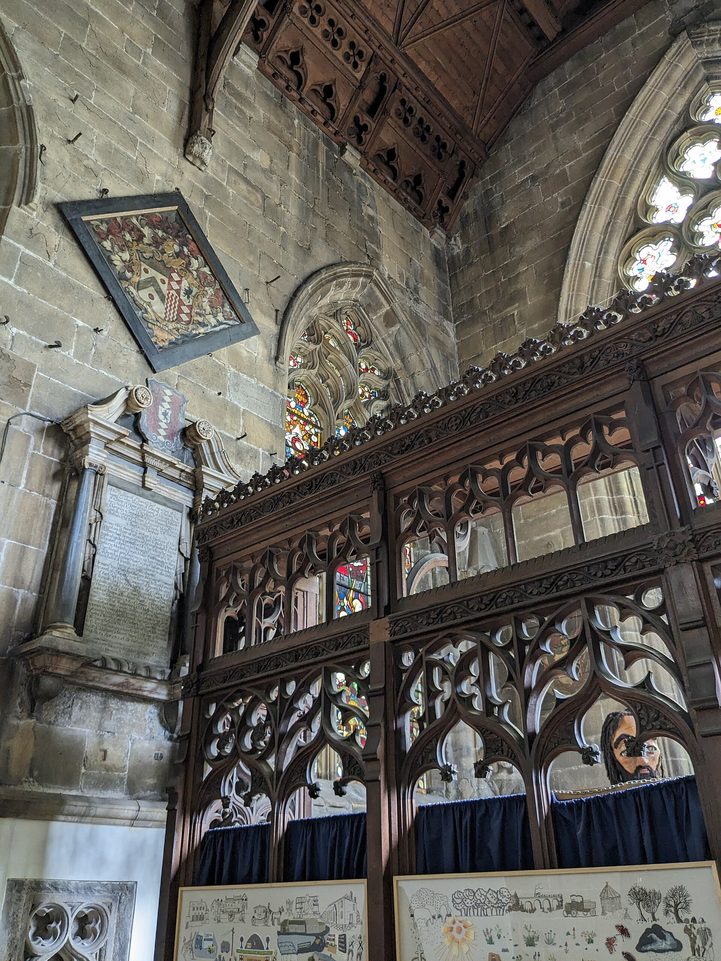
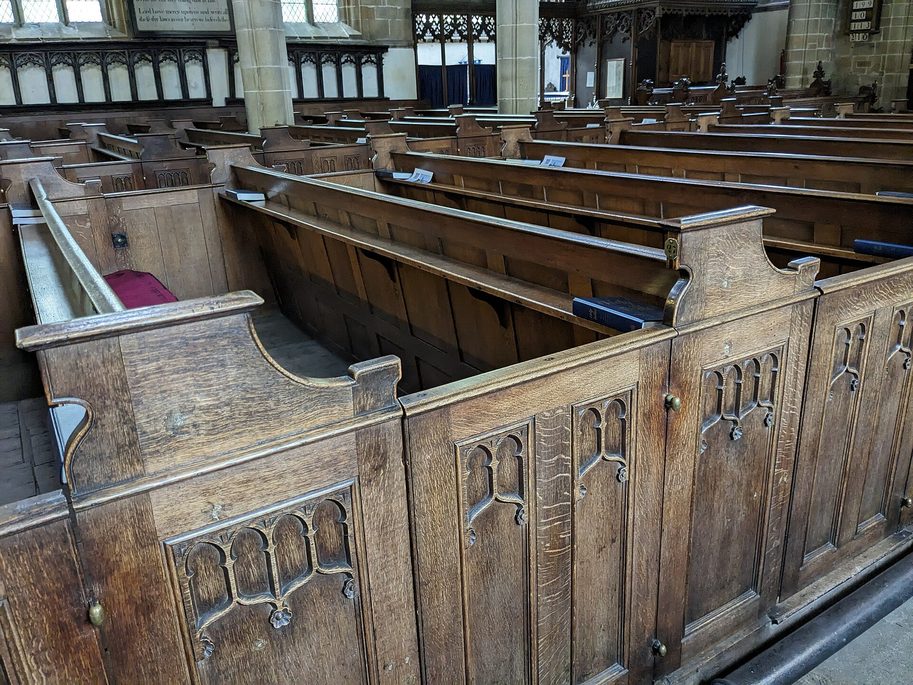
The church is full of carved oak by Advent Hunstone (baptised 1858, died 1927), a Tideswell stonemason who took up woodcarving when a new organ was installed in 1895, and by his descendants: the organ case, screens and pew ends, some carved with scenes of the church’s life.

Getting there
Tideswell is in the Peak District, about six miles east of Buxton on the B6049. The church is in the centre of the village; buses from Buxton, Chesterfield and Sheffield stop nearby, but services change, so check the timetable.
Where to stay
Bakewell and Buxton, each roughly six to nine miles away by road, have the most places to stay; Tideswell has inns and guest houses.
This link goes to Booking.com. This site earns nothing from it at present — it is here because it is the quickest way to check what is actually available.
Don’t miss
- The size A cathedral of a village church.
- The chancel Tall, light and full of brasses.
- The Bower tomb Alabaster effigies.
- The woodcarving By the Hunstones of Tideswell.
Insider tips
Come for the well dressing. Usually in late June the village wells are decorated with pictures made of flower petals.
Walk in Tideswell Dale. A path leads south from the village through Tideswell Dale to the River Wye.
Common questions
Why is Tideswell church called the Cathedral of the Peak?
Because of its size and grandeur for a village church: it was built on a large scale in the fourteenth century, when Tideswell was a prosperous market town, and is still largely of that date.
When is Tideswell church open?
Daily, from about 9am until late afternoon or dusk. It may be closed for services and events.
Is it free?
The church does not publish an admission charge; donations are welcome.
Who carved the woodwork?
Much of it is by Advent Hunstone, a Tideswell stonemason who turned to woodcarving in the 1890s, and by later members of his family: the organ case, screens and pew ends.
When is the well dressing?
Tideswell’s well dressing is usually held in late June (in 2025, 21–29 June); check the dates before travelling.
More English churches
- Derby Cathedral — the cathedral of Derbyshire
- Southwell Minster — the leaves of Southwell
- Lichfield Cathedral — three spires in Staffordshire
See all the cathedrals and churches worth visiting in England →