
St Augustine’s Church, Hedon
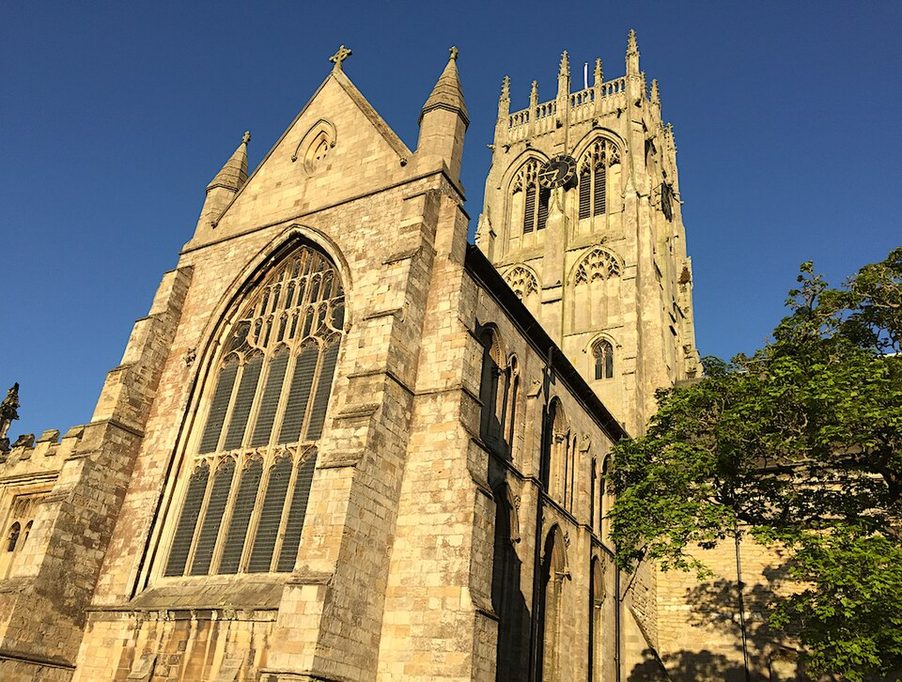
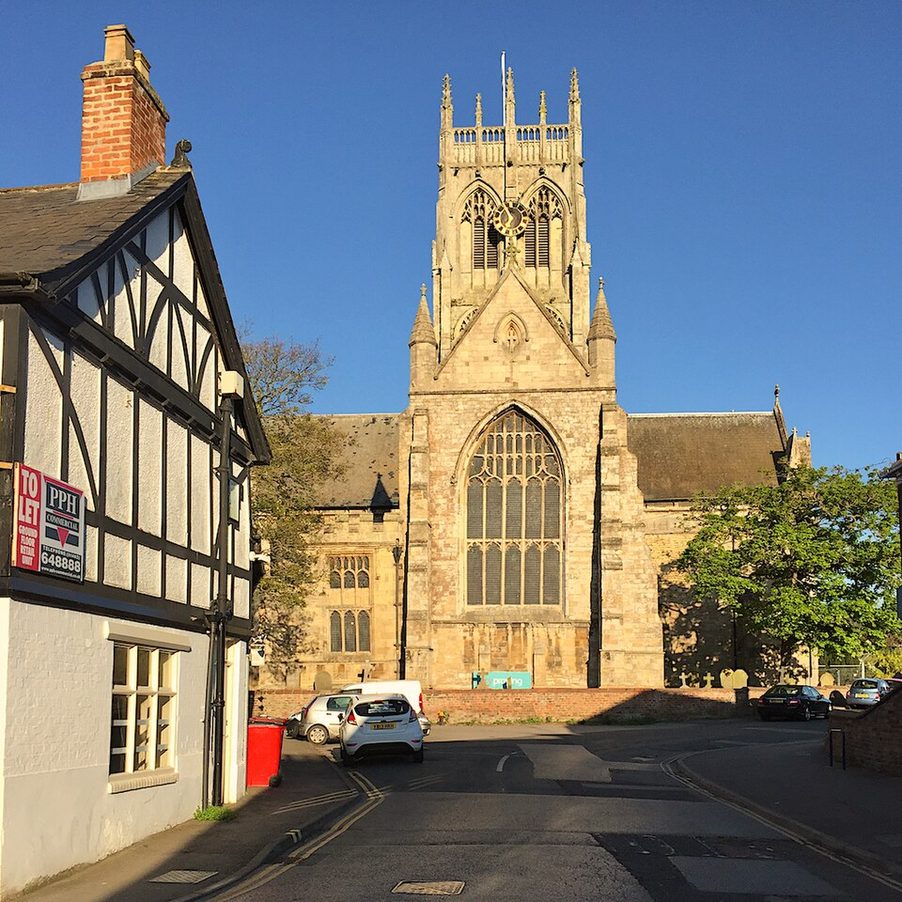
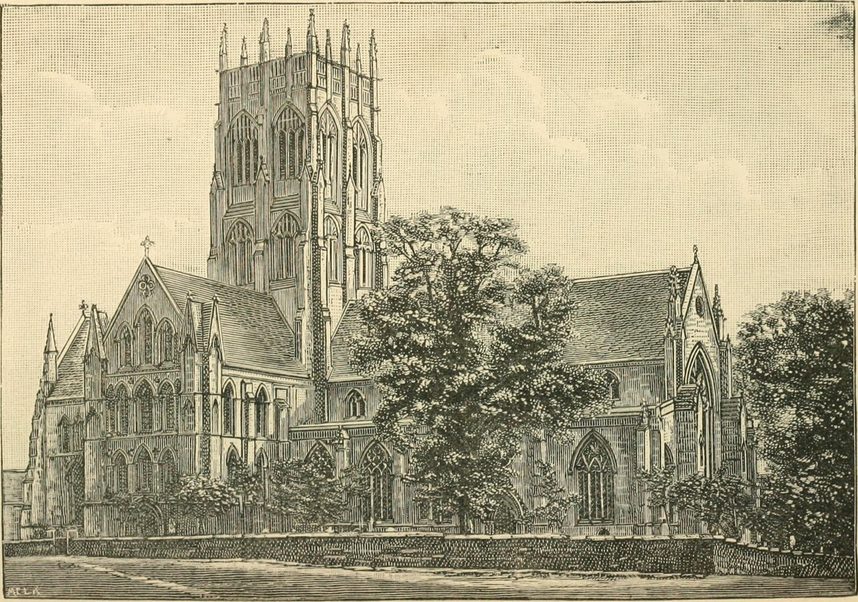
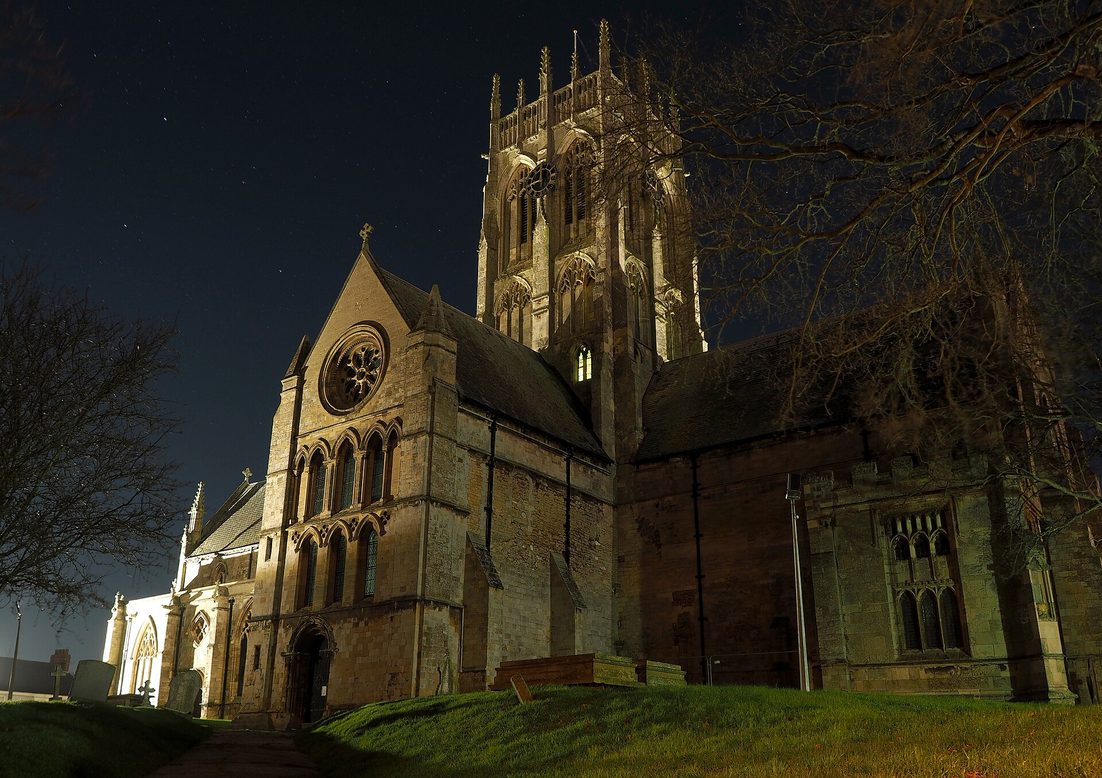
Hedon, east of Hull, was a thriving medieval port, and its church of St Augustine is known as the King of Holderness: a great cruciform church of the thirteenth century with a tall fifteenth-century central tower, far grander than the small town around it today. On a guided visit you can climb the tower.
The church of a medieval port
Hedon received its first charter in 1158 and grew into a significant port, until the rise of Hull drew its trade away. Of its three medieval churches only St Augustine’s survives. It was probably begun around 1190, and the chancel, transepts and nave are all of the thirteenth century; the upper stages of the central tower, with pierced battlements and pinnacles, were added in the fifteenth century. The church was restored by G. E. Street in the late 1860s and 1870s and is listed Grade I.
The visitor’s cheat sheet
| Where | Church Lane, Hedon, East Riding of Yorkshire HU12 8JG |
|---|---|
| Opening hours | Daily, about 9am–4pm (per the church) |
| Admission | Free; donations welcome |
| Services | Sundays at 10am (Holy Communion or Morning Prayer); Wednesdays at 10am; Evening Prayer on Fridays at 6pm |
| Access | Level access by a side door; steps and uneven floors inside; accessible toilet; hearing loop |
| Parking | On the road outside; free car parks nearby, including Market Hill (up to two hours; check the signs) |
| How long | Three-quarters of an hour; more with the tower |
Hours and admission checked against the official site in November 2026. They change; the official site is always the last word.
What to see
Outside
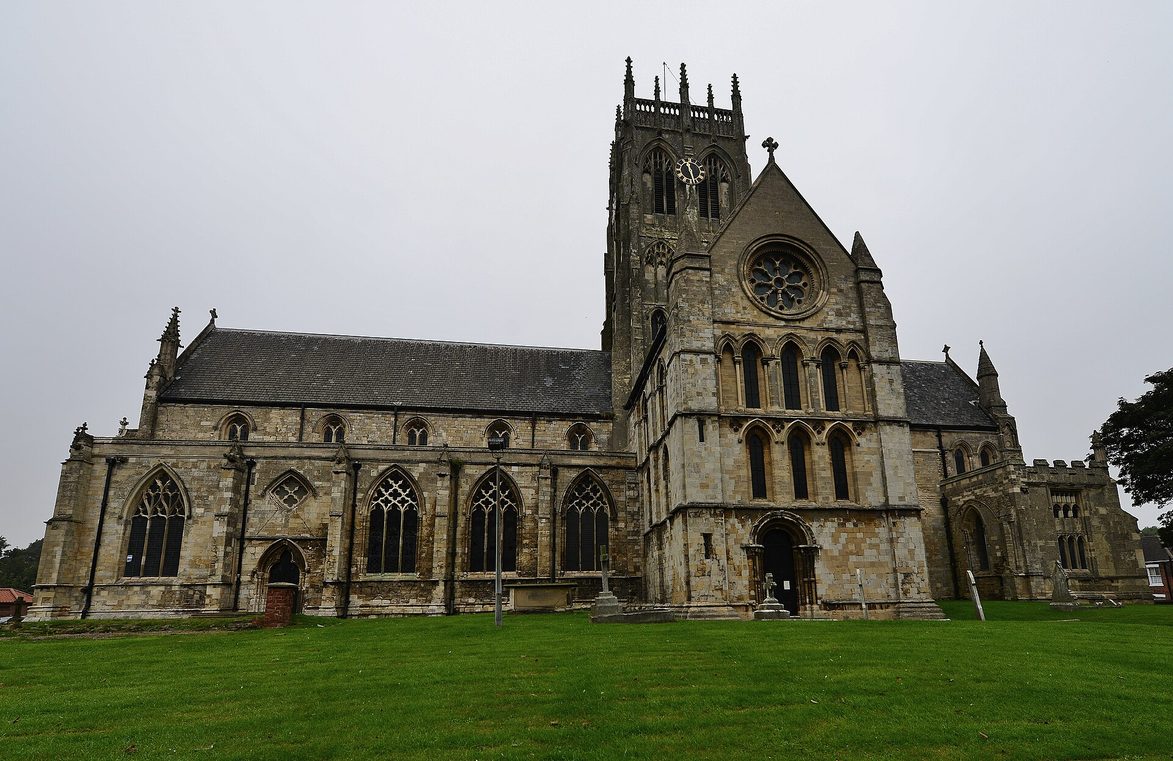
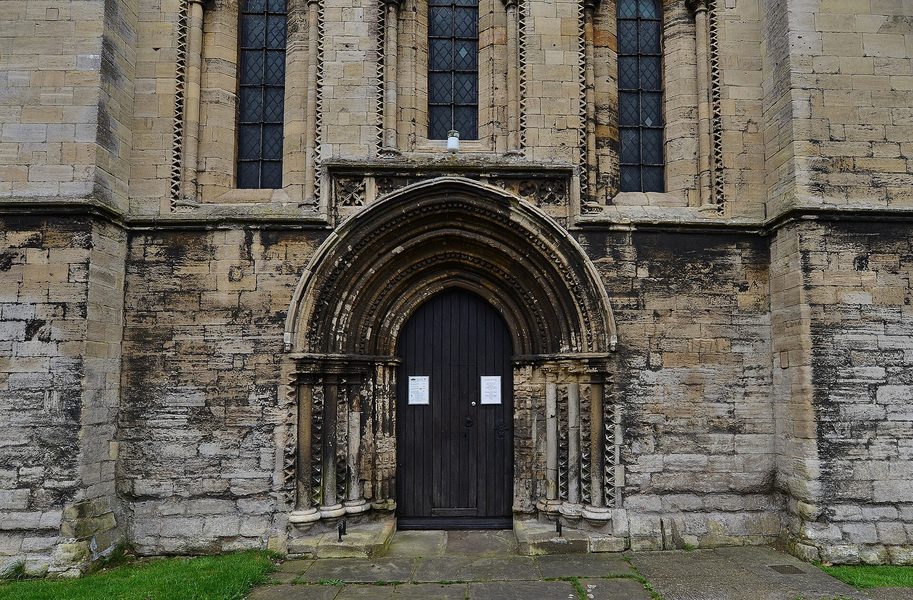
Walk round first. The tower, with a buttress at the centre of each face, two tiers of tall windows and a crown of pierced battlements and pinnacles, is a landmark from every side. The north transept has a deeply moulded doorway on dwarf columns, with three lancet windows above, and the south transept has a round-headed doorway below tiers of arcaded lancets and a circular window in the gable.
The nave and the font
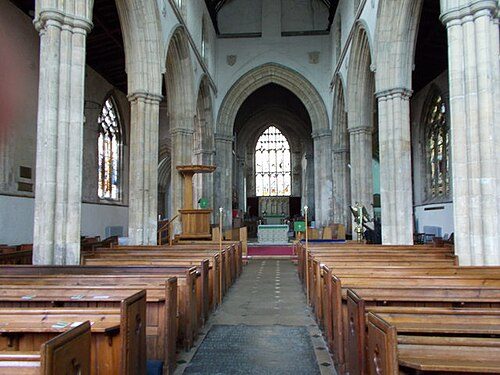
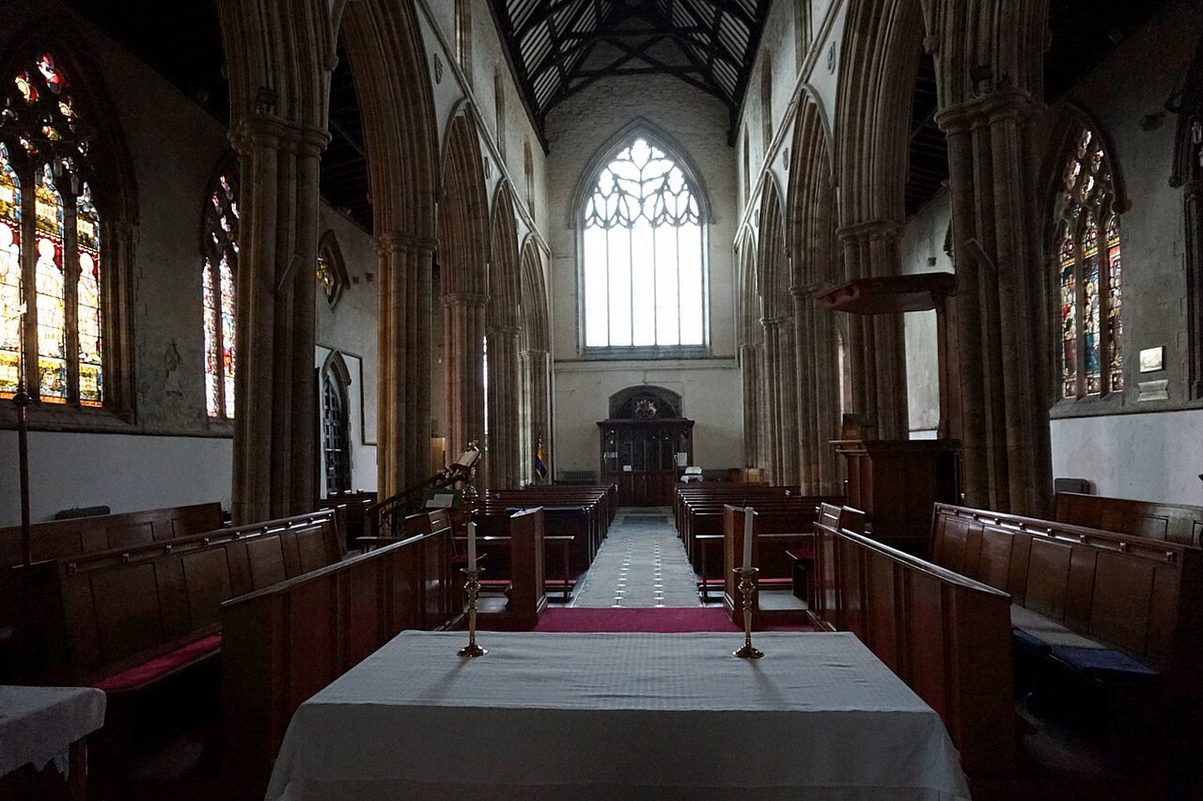
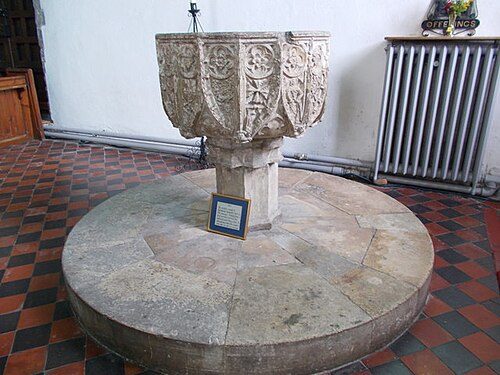
Inside, the church is tall and light. The nave arcades stand on clustered piers and lead to the crossing under the tower and the long chancel beyond. The octagonal font is of the late fourteenth century.
The transepts
The north transept holds the royal arms of Elizabeth I, dated 1584, and of George II, dated 1741; a thirteenth-century black marble tomb cover; and a carved Baroque cartouche to Ann Watson, who died in 1721 and whose charity still helps local people. Afternoon tea is served in the transept for booked group tours.
The chancel and the glass
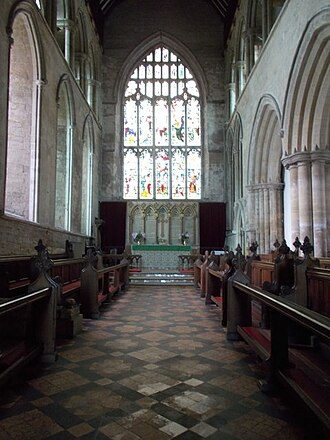
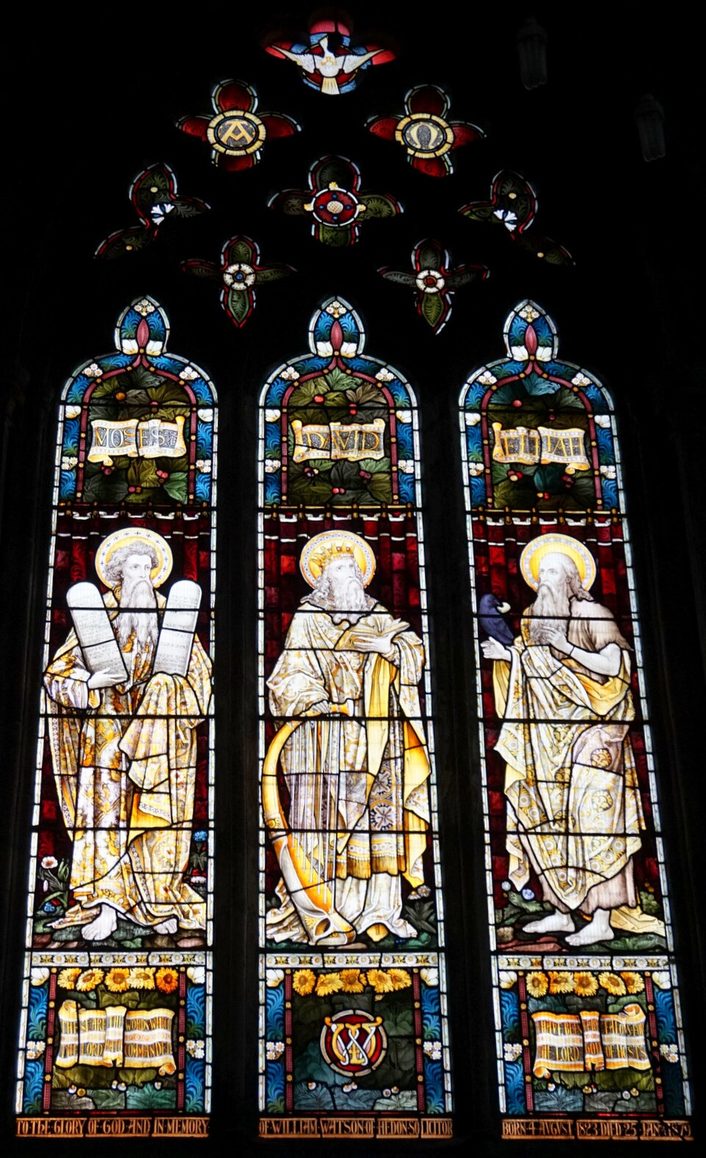
In the chancel are Victorian stalls, a tiled floor, and a fourteenth-century effigy of a man with a sword and purse. The brass eagle lectern is dated 1876. The Victorian glass is by Wailes, of 1878; Historic England singles out the two east windows of the south aisle.
The tower
On a guided tour you can climb the narrow spiral stair to the ringing chamber, with its old photographs, past the bells and the clock to the roof, for views over Hedon and the surrounding district. Tours are first come, first served (ask at the church or check its website for times), and are for physically able visitors aged 10 to 80.
Getting there
Hedon is about five miles east of Hull city centre, off the A1033. The church is in the centre of the town, off Market Hill, where parking has been free for up to two hours (check the signs). Buses run from Hull; the nearest station is Hull Paragon. Hedon Museum, a short walk away, is open on Wednesdays and Saturdays and tells the story of the town; the town’s fifteenth-century mace, said to be the oldest surviving in the country, is kept at the town hall. Fort Paull, a Victorian river fort, is about two miles south-west.
Where to stay
Hull, five miles west, has the widest choice of hotels.
This link goes to Booking.com. This site earns nothing from it at present — it is here because it is the quickest way to check what is actually available.
Don’t miss
- The tower Fifteenth-century, with pierced battlements.
- The tower tour Up to the roof, with a guide.
- The font Late fourteenth century.
- The town A medieval port.
Insider tips
Combine with Patrington. The Queen of Holderness, St Patrick’s at Patrington, is about ten miles away by road, to the south-east.
Come on a Monday morning. The church serves toasted teacakes on Mondays from 10am to 11.30am.
Common questions
Why is it called the King of Holderness?
For its size and its tower, which rises over the flat country of Holderness; St Patrick’s at Patrington is called the Queen. It was built when Hedon was a prosperous port, before Hull overtook it.
How old is the church?
Parts probably date from around 1190, though accounts vary; the chancel, transepts and nave are mainly of the thirteenth century. The upper part of the central tower is dated 1428 in the Historic England listing (another account gives 1437).
When is it open?
The church says it is open every day from around 9am to 4pm for private prayer or visits; expect it to be in use during services.
Can I climb the tower?
Yes, on a guided tour; ask at the church for times. The tower is not suitable for the less mobile.
Is it free?
Yes; donations are welcome. The church was on Historic England’s Heritage at Risk register when last checked, and gifts help with repairs.
More English churches
- Patrington Church — the Queen of Holderness
- Hull Minster — a great brick church in Hull
- Beverley Minster — one of the great Gothic churches
See all the cathedrals and churches worth visiting in England →