
St Peter’s Church, Walpole St Peter
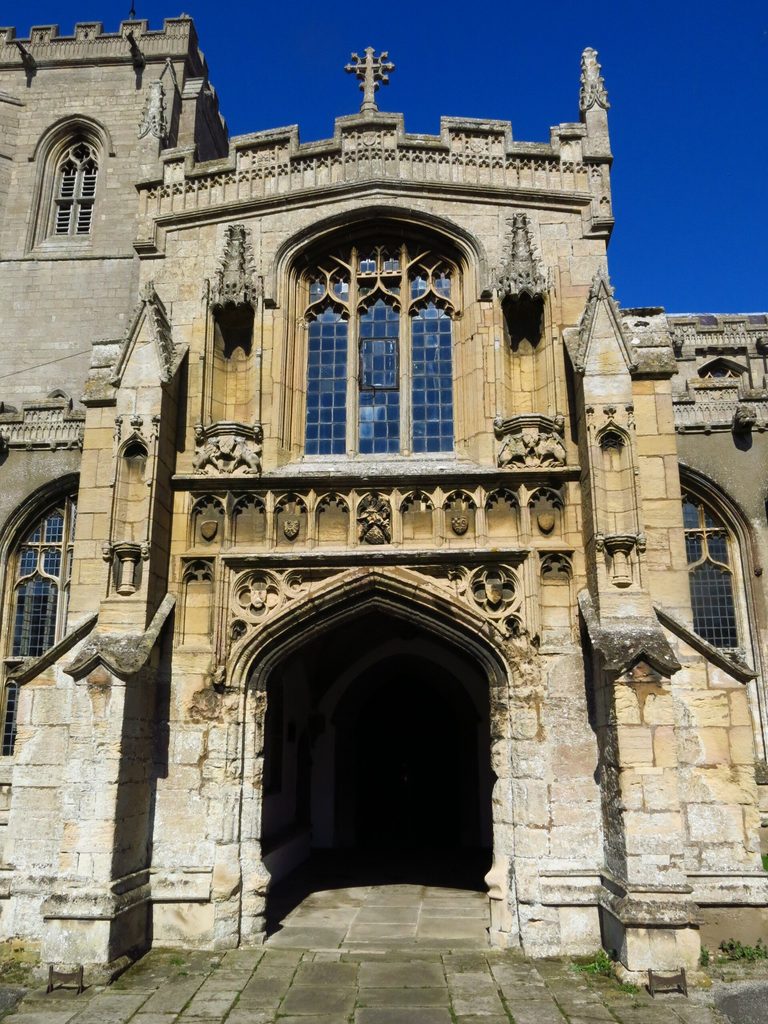
Out in the flat Fenland of west Norfolk, St Peter’s at Walpole St Peter is often called the Queen of the Marshland: a long, light church of the fourteenth and fifteenth centuries, with a passage running underneath its chancel, carved screens and a two-storey porch.

A great church of the Marshland
A church at Walpole is recorded in the early eleventh century. The tower is the oldest part of the present building, of the early fourteenth century; the rest of the earlier church was destroyed by a sea flood in 1337, and the nave was rebuilt in the decades that followed, with the chancel and aisles finished in the fifteenth century. The result is a long, even, light-filled church, with large clear-glazed windows, a two-storey south porch and battlements said to have been added in 1634.
It is listed Grade I, and the church has royal connections: King Charles III is its patron, and oaks in the churchyard were planted by the future King George V in 1909 and by King Charles, then Prince of Wales, in 2000. It stood in for the church of Fenchurch St Paul in the 1974 television adaptation of Dorothy L. Sayers’s The Nine Tailors.



The visitor’s cheat sheet
| Where | Church Road, Walpole St Peter, Wisbech PE14 7NS (in Norfolk) |
|---|---|
| Opening hours | Generally open daily, 10am–4pm (some listings say 9am–5pm) |
| Admission | Free; donations welcome |
| Services | Sundays at 11am (10am on fifth Sundays); see the church website |
| Parking | On the road by the church |
| How long | Three-quarters of an hour |
Hours and admission checked against the official site in November 2026. They change; the official site is always the last word.
What to see
The passage under the chancel
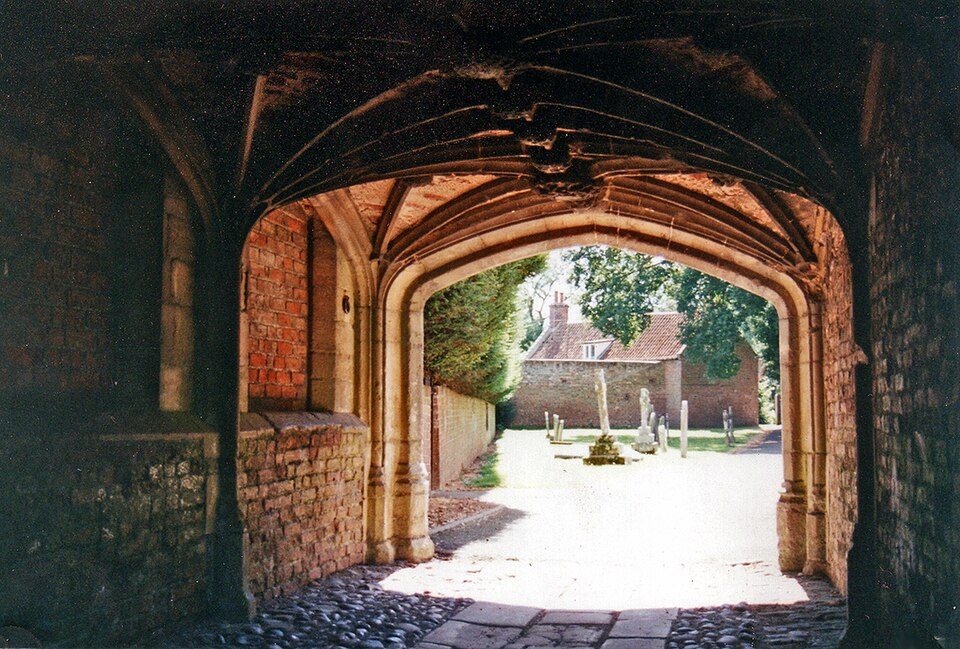
Walk round the east end to find the vaulted passage that runs under the chancel, with carved bosses in its roof. The chancel above it is raised, and is reached by a flight of steps inside.


The furnishings
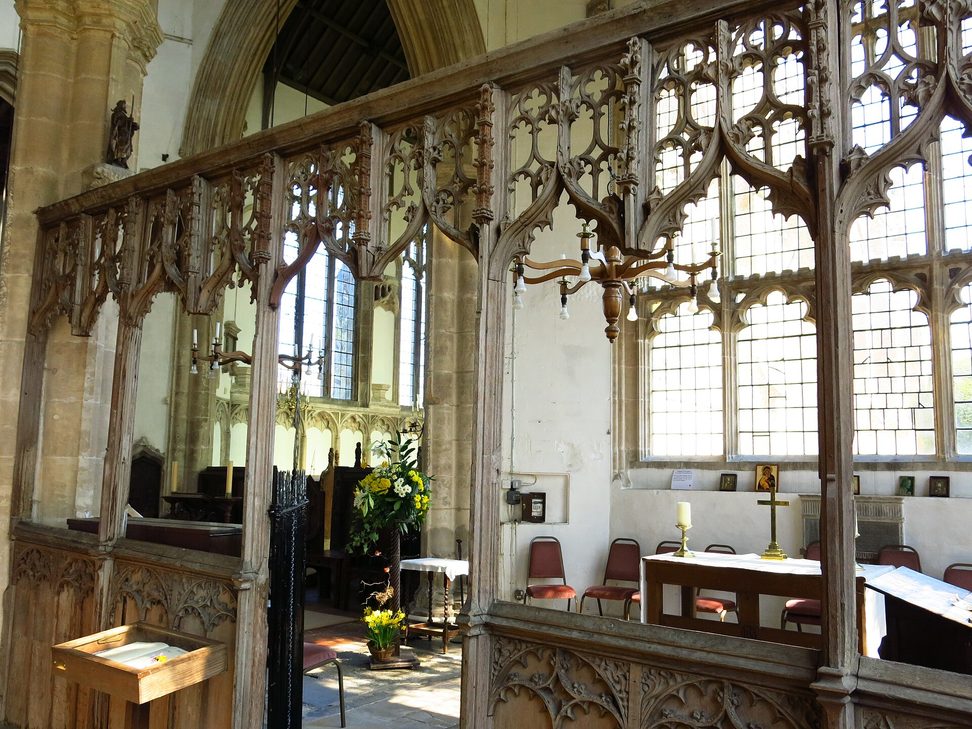
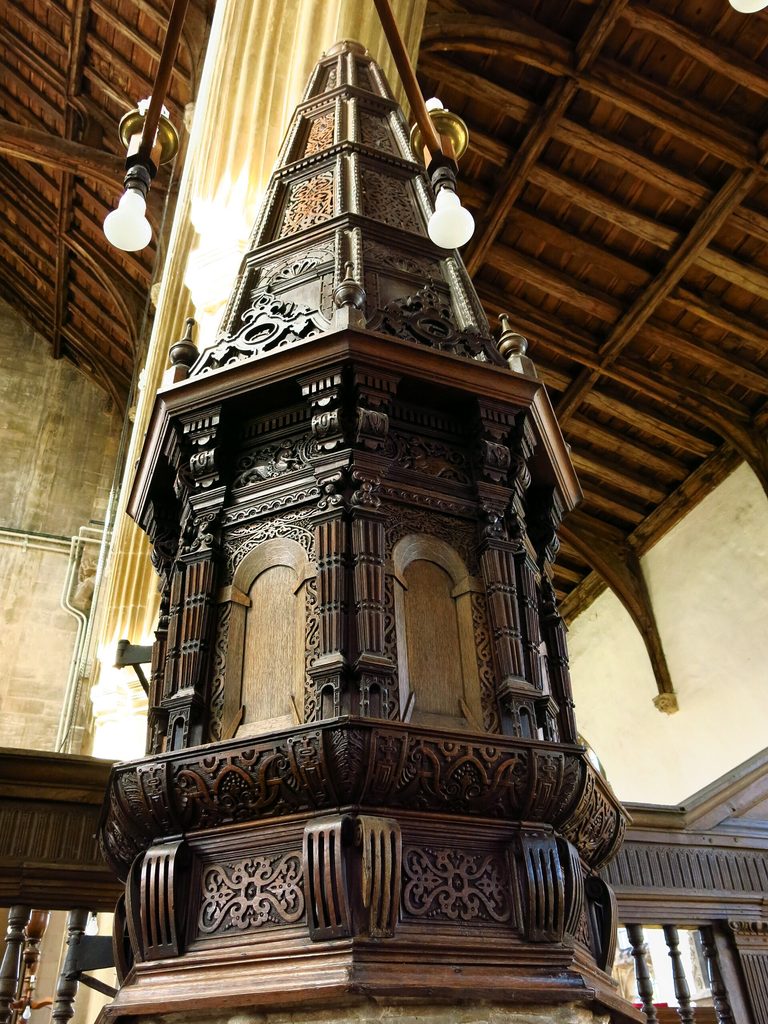
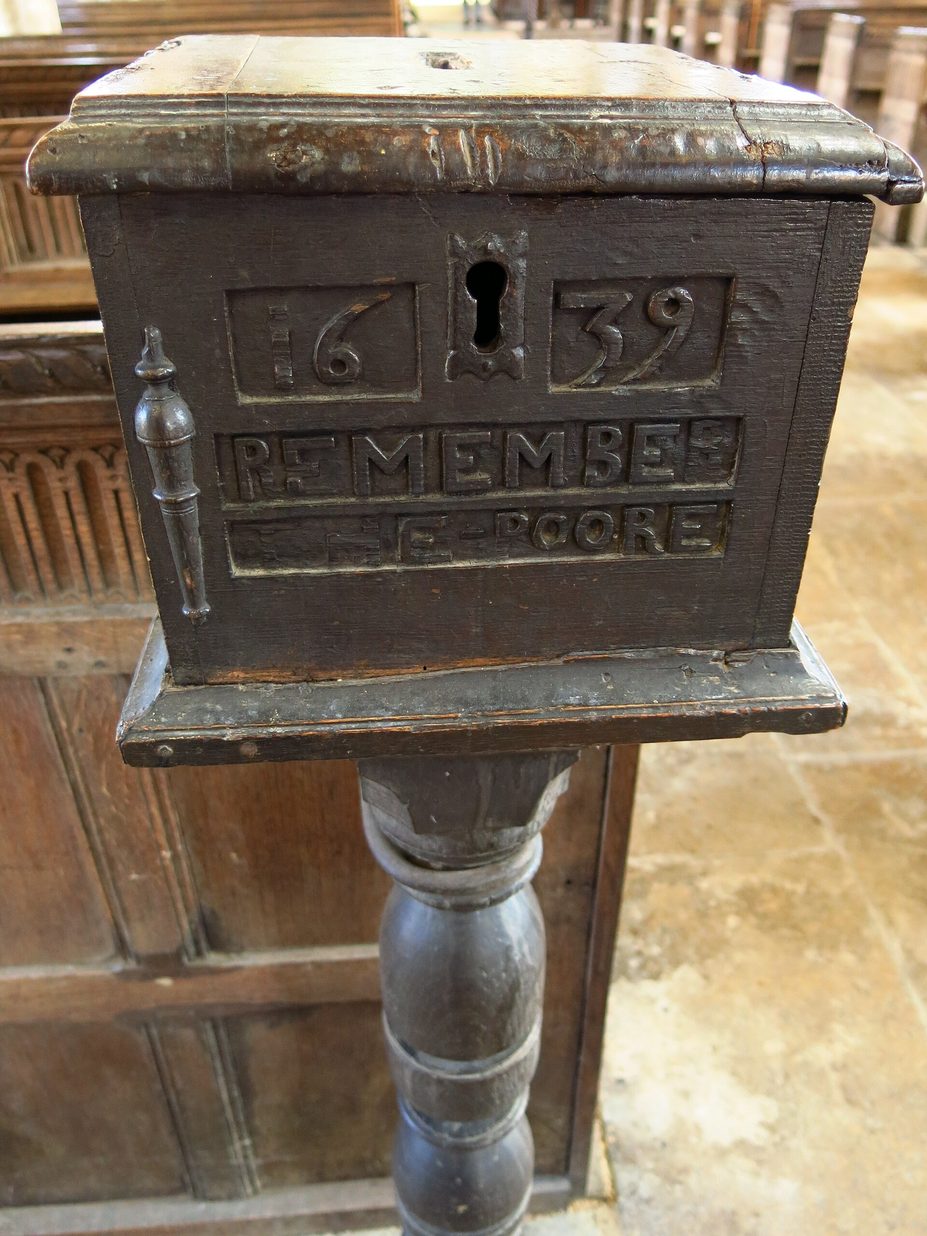
The church is full of old woodwork: a seventeenth-century screen at the west end, the painted base of the fifteenth-century rood screen with figures of saints, parclose screens, a pulpit of 1620, box pews and benches. The font of the sixteenth century has a tall Jacobean cover. Look for the alms box dated 1639 and the hudd, a wooden shelter for the priest at funerals in bad weather.

Getting there
Walpole St Peter is in the Fens of west Norfolk, between Wisbech and King’s Lynn, a couple of miles north of the A47. There is no station nearby, so a car is the easiest way to come; the church is on Church Road in the village.
Where to stay
King’s Lynn has the widest choice of places to stay; Wisbech is a little closer.
This link goes to Booking.com. This site earns nothing from it at present — it is here because it is the quickest way to check what is actually available.
Don’t miss
- The light Big clear windows.
- The passage A vaulted way under the chancel.
- The woodwork Screens, pews and pulpit.
- The hudd A shelter for wet funerals.
Insider tips
Combine with West Walton. The church of West Walton, with its detached tower, is about three miles away.
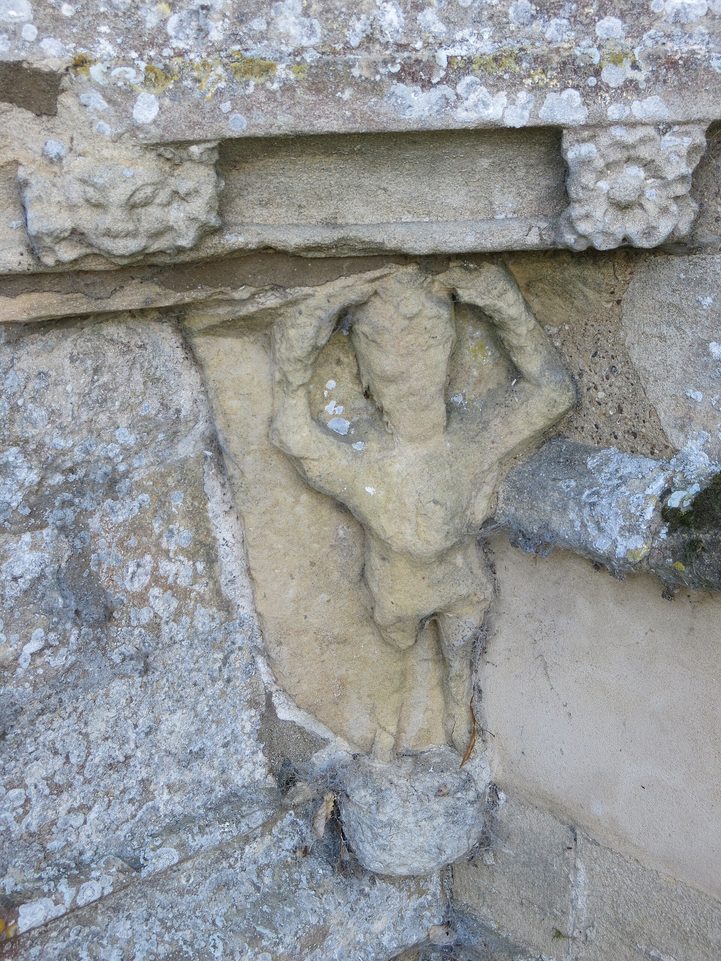
Bring binoculars. The carved figures and heads high on the outside walls repay a close look.
Common questions
Why is it called the Queen of the Marshland?
Because of its size, light and beauty among the great churches of the Marshland, the silt Fens of west Norfolk. It was built mainly in the late fourteenth and fifteenth centuries.
What is the passage under the chancel?
The east end of the chancel stands over a vaulted passage, sometimes called the bolt hole, with carved bosses. It may have been a processional way round the church or a public right of way that could not be blocked when the chancel was extended; rings in its walls are said to be for tethering horses.
When is the church open?
It is generally open daily; the church gives 10am to 4pm, other listings 9am to 5pm.
Is it free?
Yes; there is no charge, and donations to the church’s repairs are welcome.
What is the hudd?
A wooden shelter, like a sentry box, that kept the priest dry at the graveside during funerals in wet weather.
More English churches
- Ely Cathedral — the Ship of the Fens
- Peterborough Cathedral — a Norman abbey church in the Fens
- Salle Church — another great Norfolk church
See all the cathedrals and churches worth visiting in England →