
St Neot Church, Cornwall
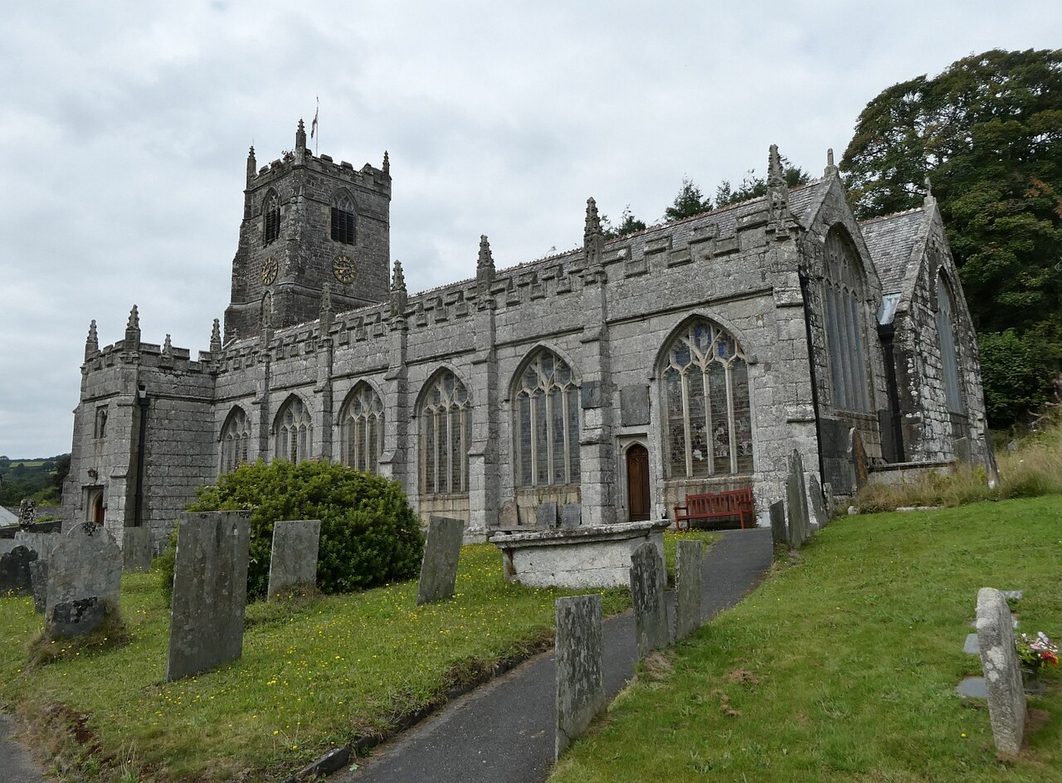
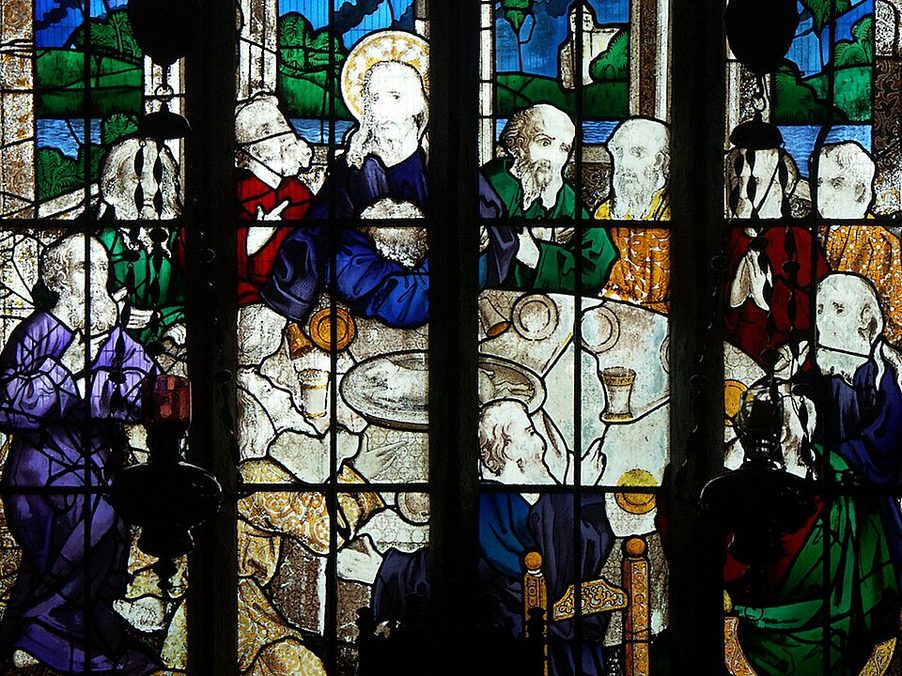
In a wooded valley on the southern edge of Bodmin Moor, the granite church of St Neot keeps one of the finest collections of medieval stained glass in England: windows of the early sixteenth century telling the story of the Creation, Noah and the local saint, paid for by the parishioners.
A moorland parish and its windows
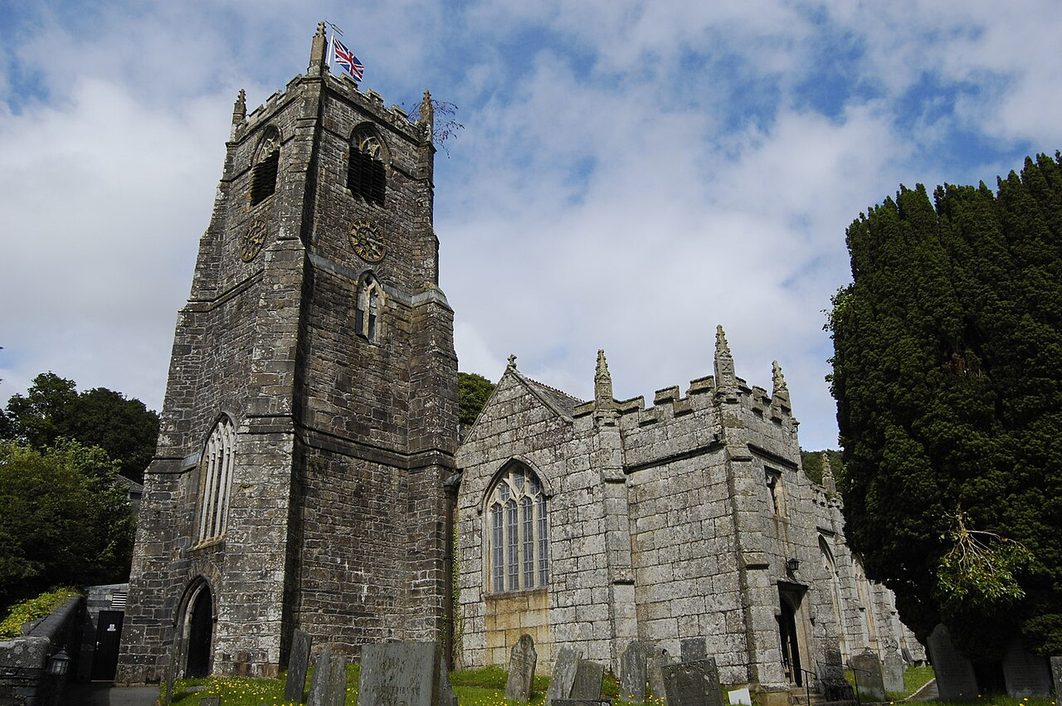
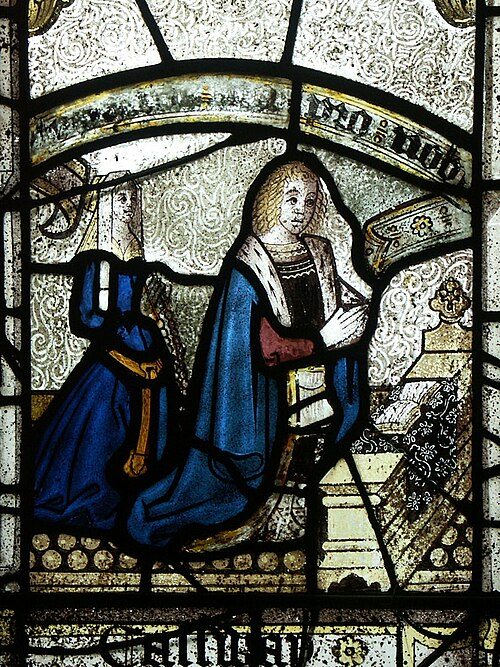
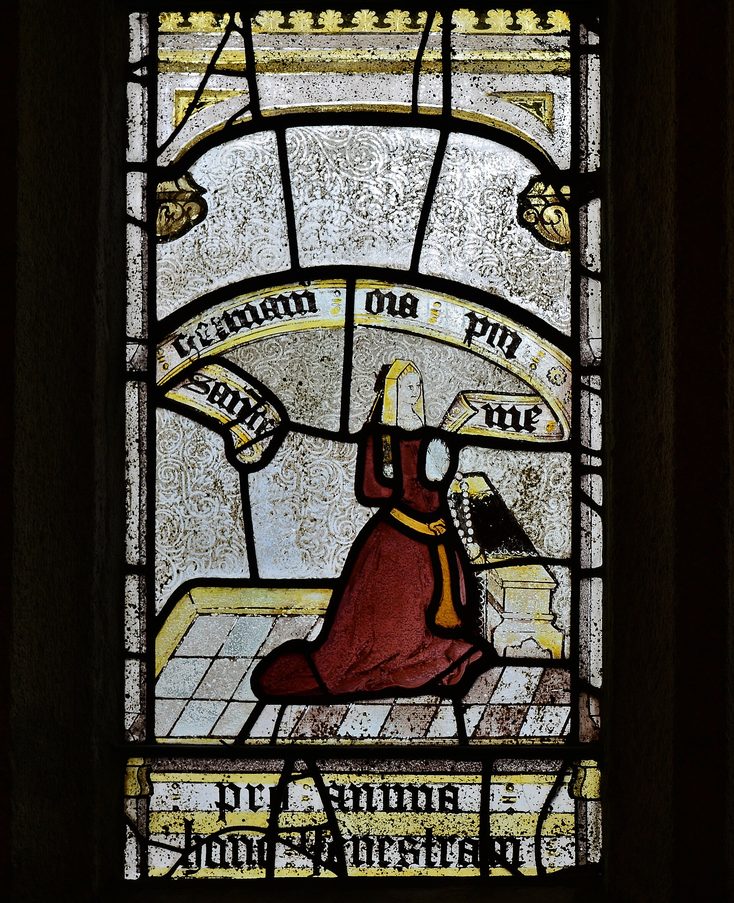
St Neot, a monk said to have died here in the ninth century, gave his name to the village. The tower is of the fourteenth century; the rest of the church was rebuilt in granite in the fifteenth and early sixteenth centuries, with aisles added in stages. As the aisles went up, the parishioners paid for the windows: groups such as the young men, the young women and the wives of the parish, and local families, who are shown kneeling at the foot of the windows with inscriptions.
The glass survived the Reformation and the Civil War, and in the 1820s it was restored, and in places remade, under John Hedgeland. The church is listed Grade I.
The visitor’s cheat sheet
| Where | St Neot, near Liskeard, Cornwall PL14 6NG |
|---|---|
| Opening hours | Daily, 8am until sunset |
| Admission | Free (no charge published) |
| Guides | Guidebooks and information in several languages; window tour on the church website |
| Parking | Small car park and roadside parking in the village |
| How long | An hour, to look properly at the glass |
Hours and admission checked against the official site in November 2026. They change; the official site is always the last word.
What to see
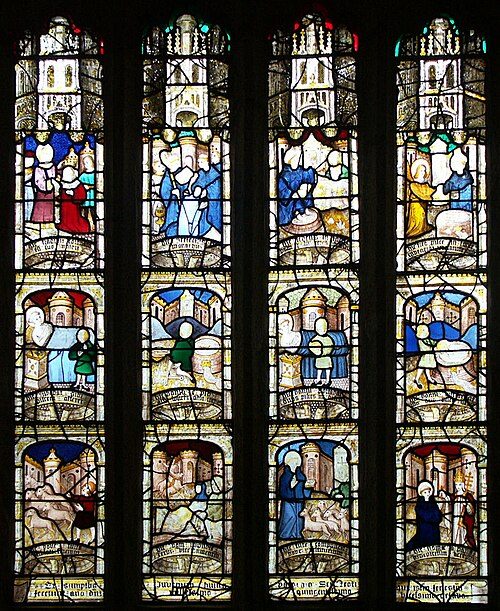
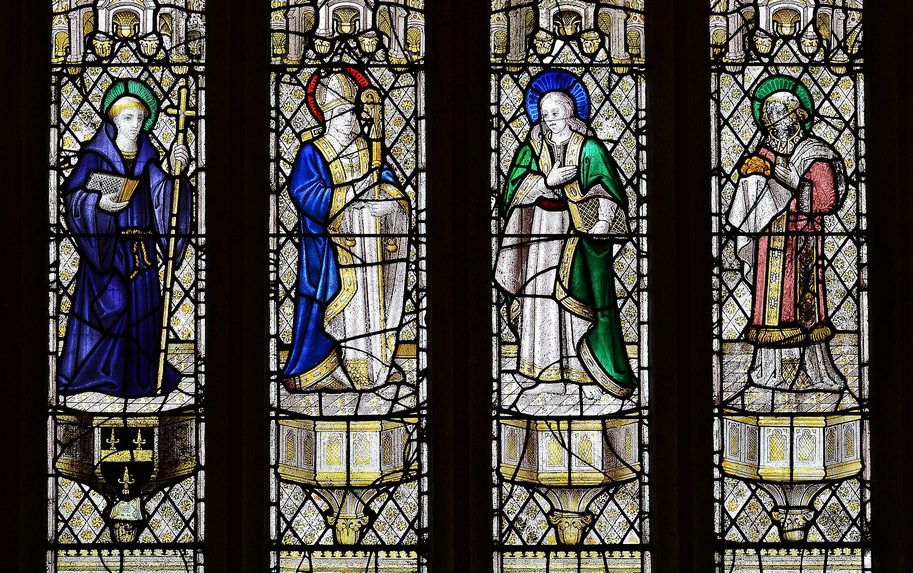
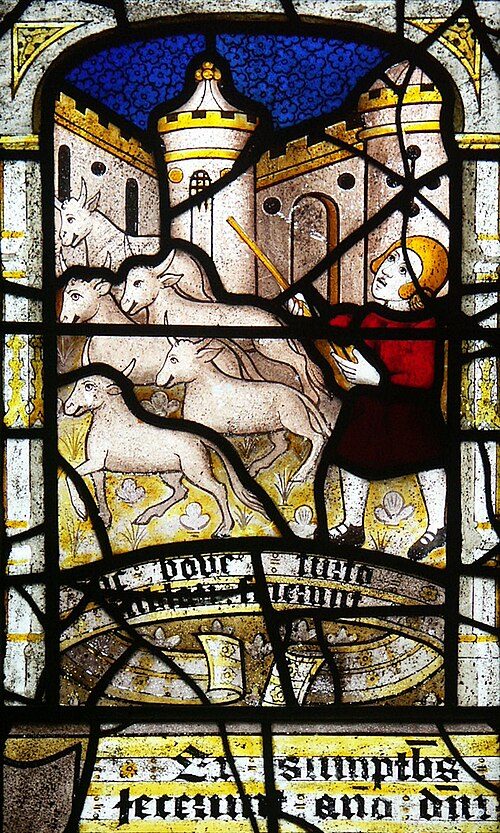
Start with the Creation window, the finest and least restored, which tells the story of the Creation, the Fall, and Cain and Abel; the Noah window shows Noah and the ark. The St Neot window shows the saint’s life in twelve scenes, including the legend of the fish in his well. Other windows show saints, among them St George, with the donors kneeling below. A guide to each window is available in the church and on its website.
Getting there
St Neot is on the southern edge of Bodmin Moor, a few miles north of the A38 between Bodmin and Liskeard, reached by narrow lanes. Liskeard and Bodmin Parkway are the nearest stations, and a car is the easiest way to come. Golitha Falls and Carnglaze Caverns are close by.
Where to stay
Lostwithiel and Looe are pleasant bases nearby; Liskeard and Bodmin are closer.
This link goes to Booking.com. This site earns nothing from it at present — it is here because it is the quickest way to check what is actually available.
Don’t miss
- The Creation window The finest of the medieval glass.
- The St Neot window The saint’s life in twelve scenes.
- The donors Parishioners kneeling in the glass.
- The setting A valley on Bodmin Moor.
Insider tips
Come on a bright day. The glass is at its best with light behind it; mornings and afternoons light different windows.
Visit Golitha Falls. The woodland falls on the River Fowey are a short drive away.
Common questions
What is special about St Neot church?
Its stained glass. Most of the windows were made in the early sixteenth century, between about 1500 and 1530, and they are among the most complete series of medieval glass in an English parish church.
Which window is the best?
The Creation window is the finest and least restored: it tells the story of the Creation and the Fall, and of Cain and Abel. The St Neot window shows the life of the local saint in twelve scenes.
Was the glass restored?
Yes. In the 1820s the glass was restored and some windows were remade by John Hedgeland, with new glass painted by James Henry Nixon, so about half of what you see is nineteenth-century work.
When is the church open?
Every day from 8am until sunset.
Is it free?
No admission charge is published; the church welcomes visitors, and there is a fund for restoring the windows.
More English churches
- Truro Cathedral — the cathedral of Cornwall
- Fairford Church — the other great set of medieval windows
- Exeter Cathedral — the longest Gothic vault in the world
See all the cathedrals and churches worth visiting in England →