
St Protus and St Hyacinth, Blisland
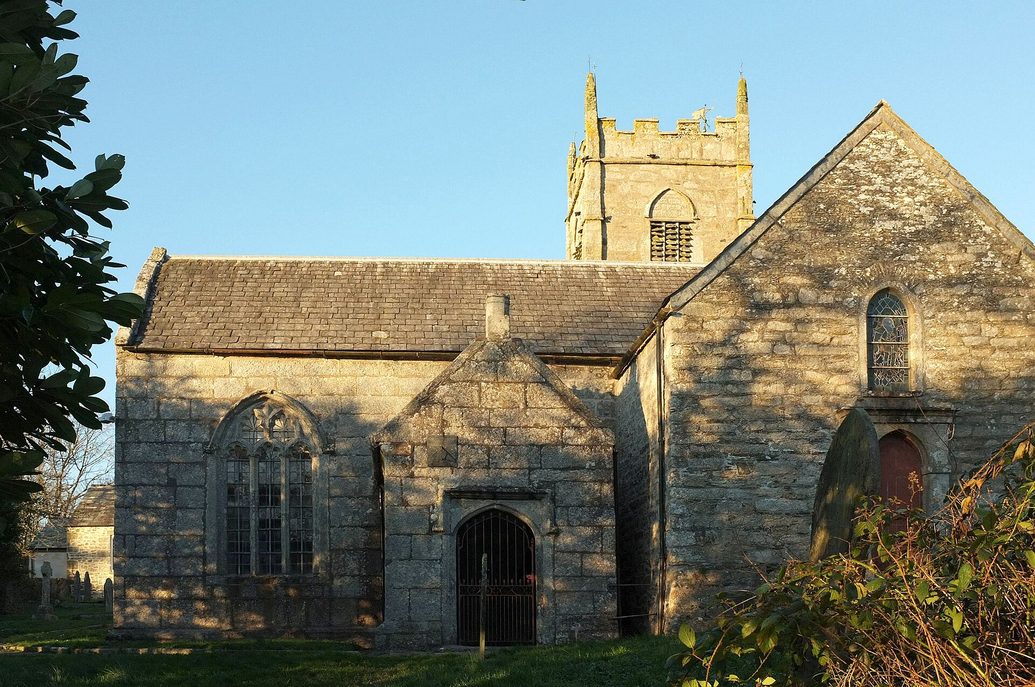
On the edge of Blisland’s village green, on the western side of Bodmin Moor, the church of St Protus and St Hyacinth was rescued from near-collapse in the 1890s and given a new rood screen and high altar by the young architect F. C. Eden. John Betjeman thought it as good a restoration as any in the kingdom.
A Norman church rescued
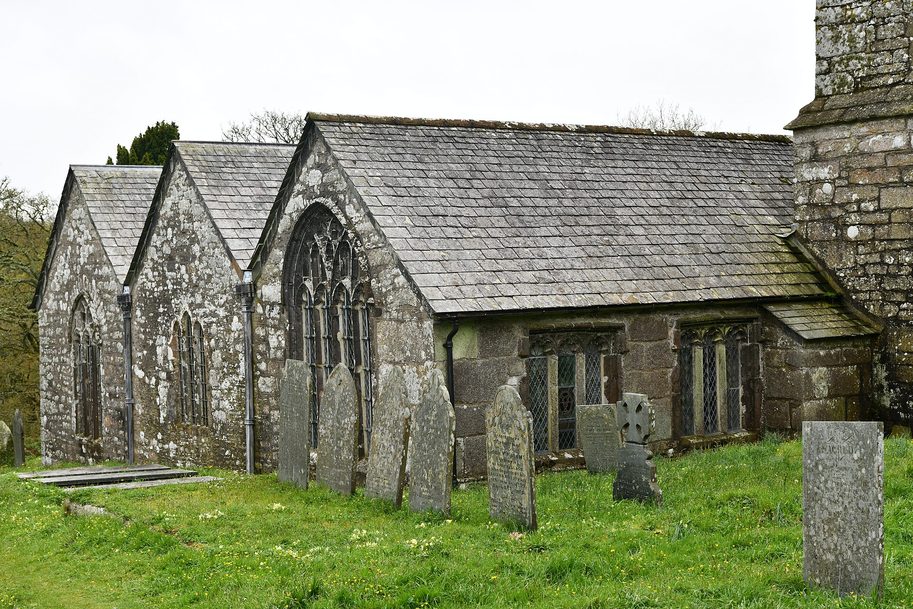
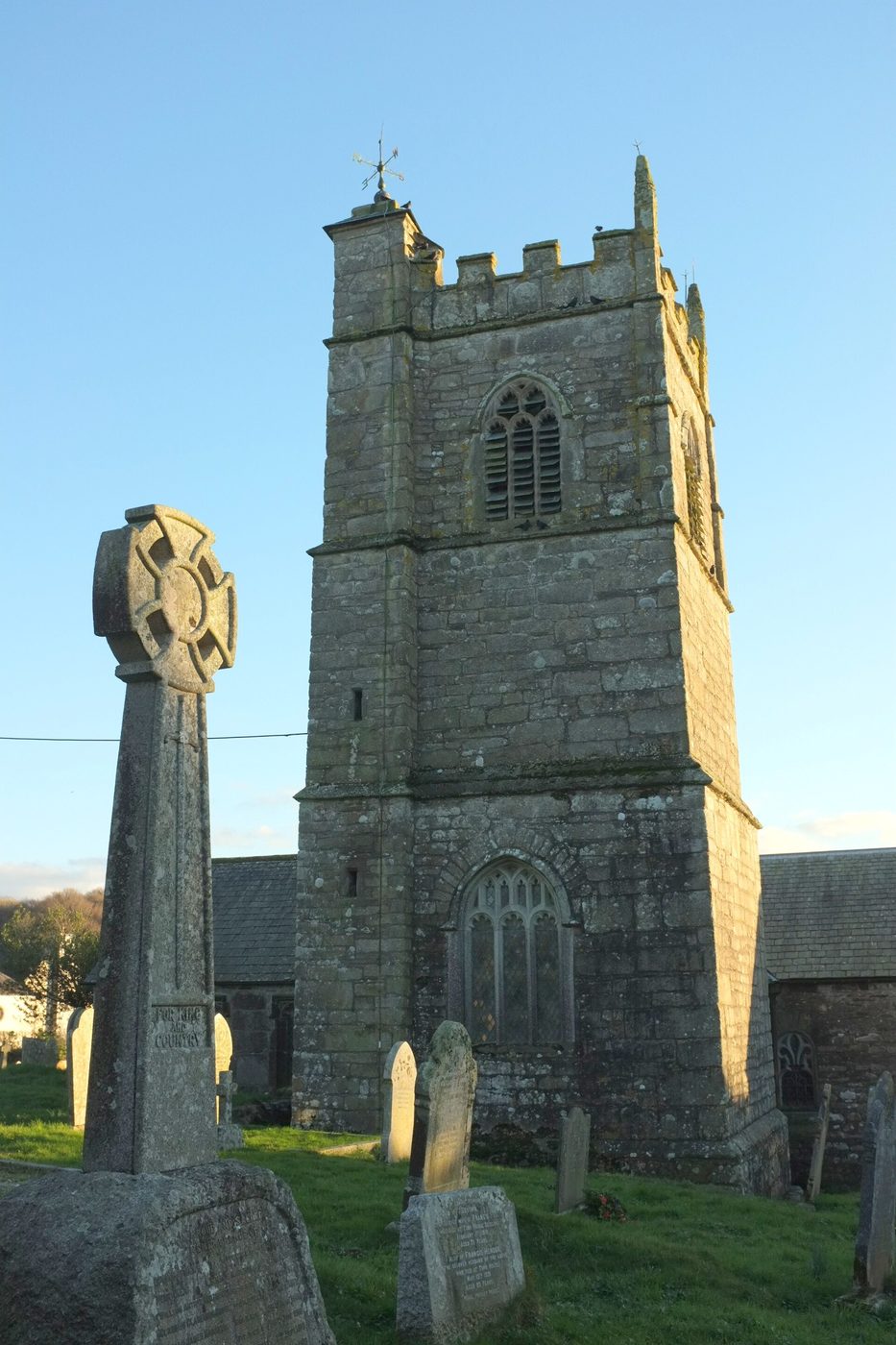
The church has Norman origins: parts of the chancel east wall, the west end of the nave and part of the north transept are of the twelfth century, and the chancel has an Early English triple lancet of the thirteenth. In the fifteenth century the south aisle, the porch and the wagon roofs were added, and the tower was built at the end of the north transept, an unusual position that leaves the old west wall of the nave in view.
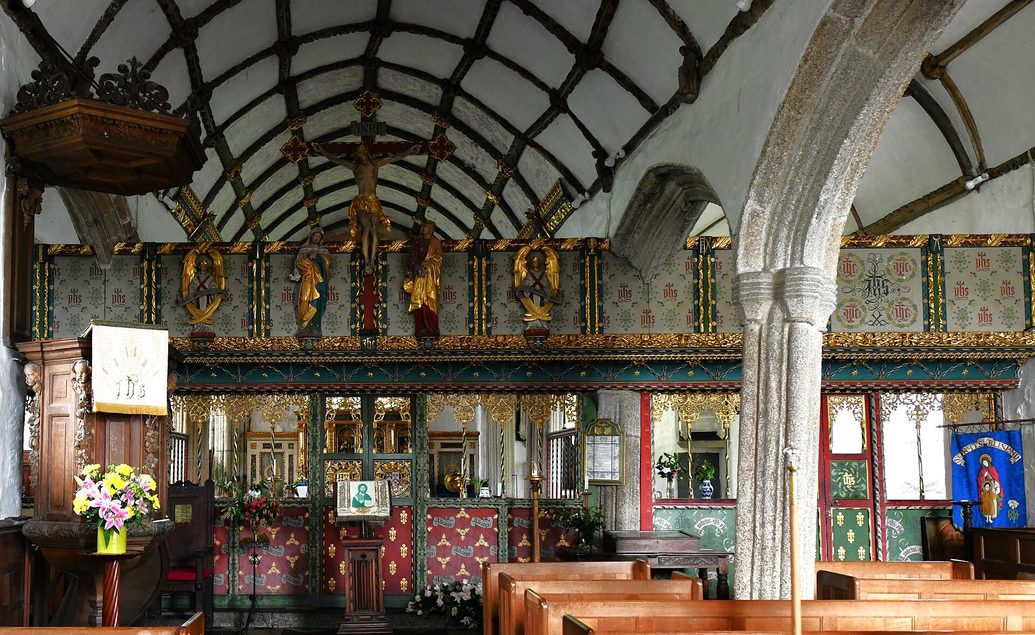
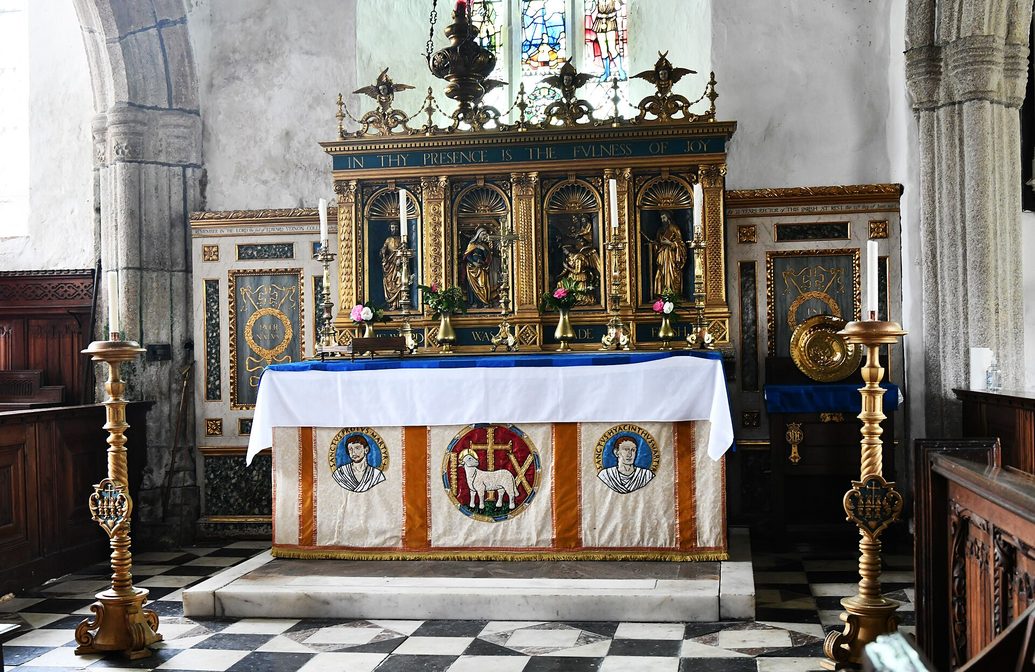
By the 1890s the church was close to collapse. The rector commissioned F. C. Eden, then a young architect, to restore it; villagers and the rector’s family paid for the work, and the church reopened in December 1894. Eden added a rood screen in the medieval style, completed in 1896, a Renaissance-style high altar, a plaster chancel ceiling and a carved beam to prop a leaning column. The church is listed Grade I; it was on Historic England’s Heritage at Risk register, in poor condition with internal damp, when last checked in November 2026. The dedication to two third-century Roman martyrs is, by the church’s own account, unique in England.
The visitor’s cheat sheet
| Where | The Green, Blisland, Bodmin, Cornwall PL30 4JE |
|---|---|
| Opening hours | Daily, 10am–4pm on A Church Near You; the church’s facilities page says dawn to dusk |
| Admission | Free |
| Services | Holy Communion on the fourth Sunday; check the time on A Church Near You |
| Access | Small ramp at the path entrance and ramps inside |
| Toilets | Public toilet just past the Village Institute; café in the community shop |
| Parking | On the road outside the church and around the green |
| How long | Half an hour to an hour |
Hours and admission checked against the official site in November 2026. They change; the official site is always the last word.
What to see
The porch
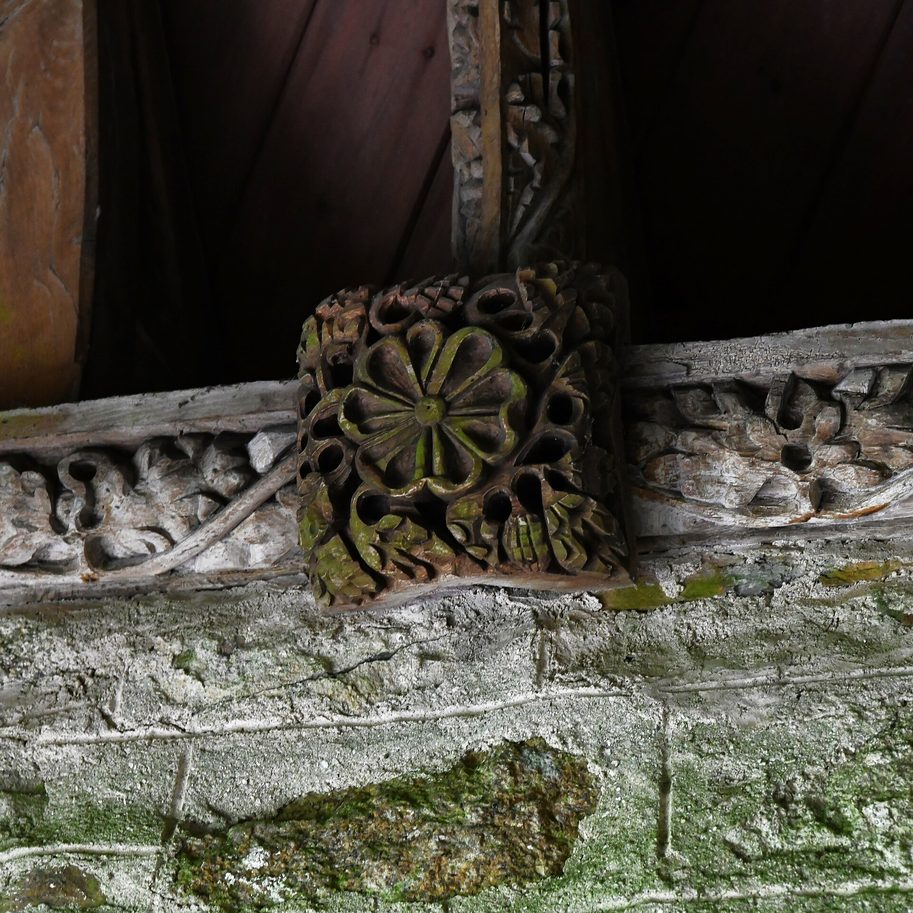
The south porch has a fifteenth-century arch, a holy-water stoup, a sundial dated 1780 and a roof with carved bosses.
Eden’s screen and altars
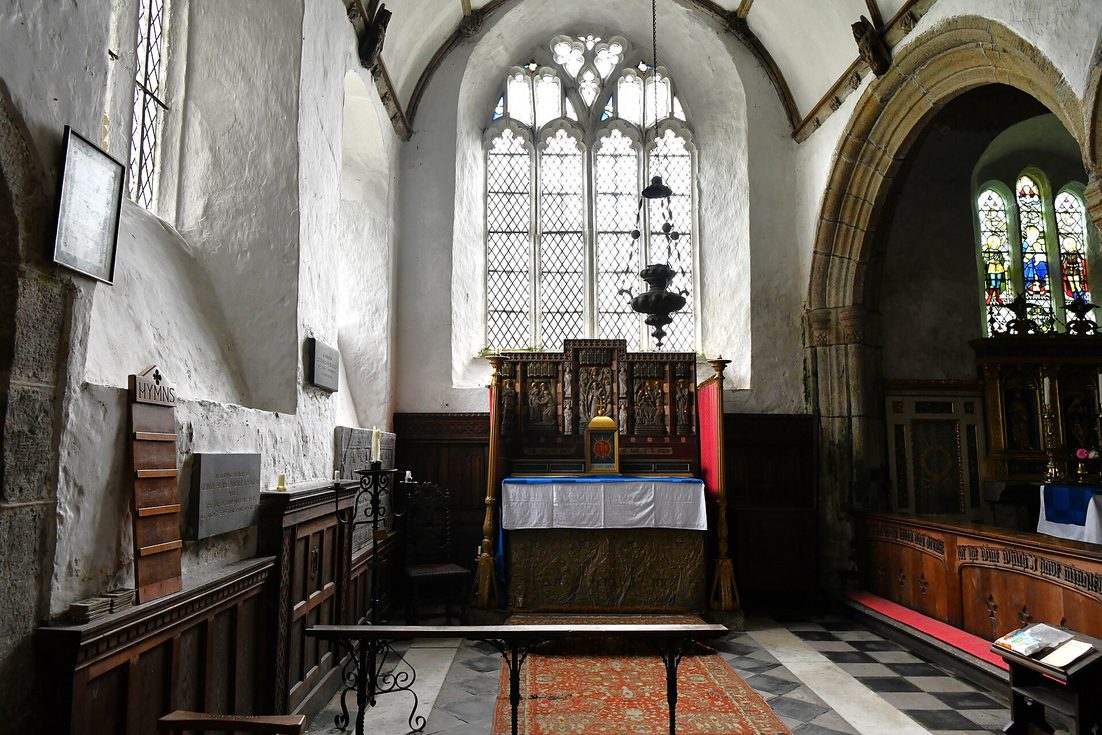
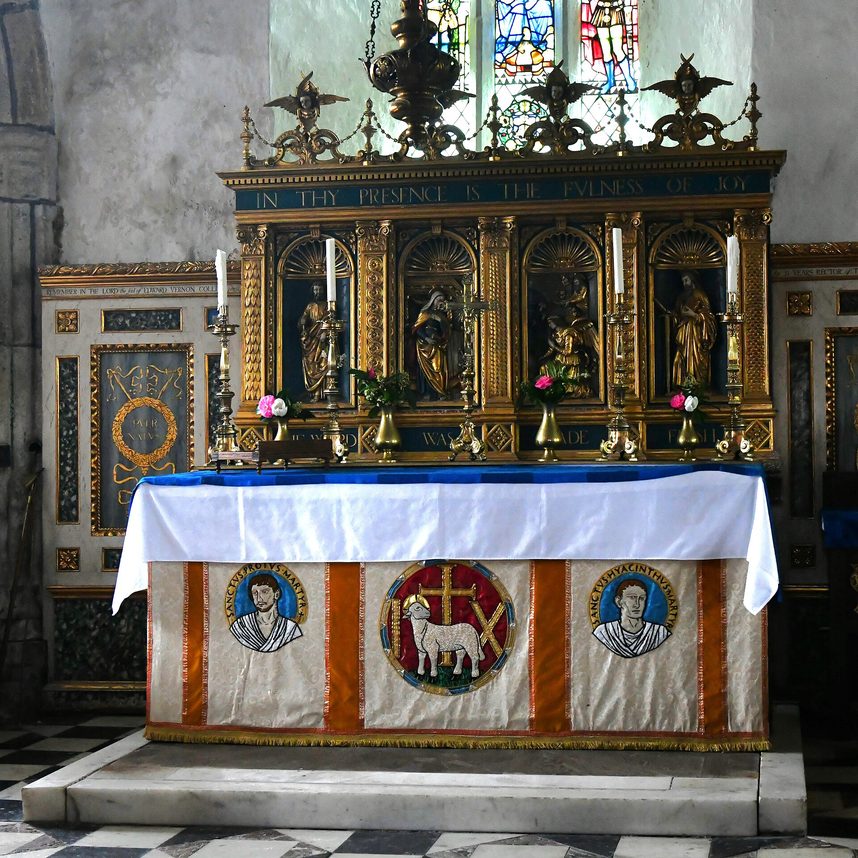
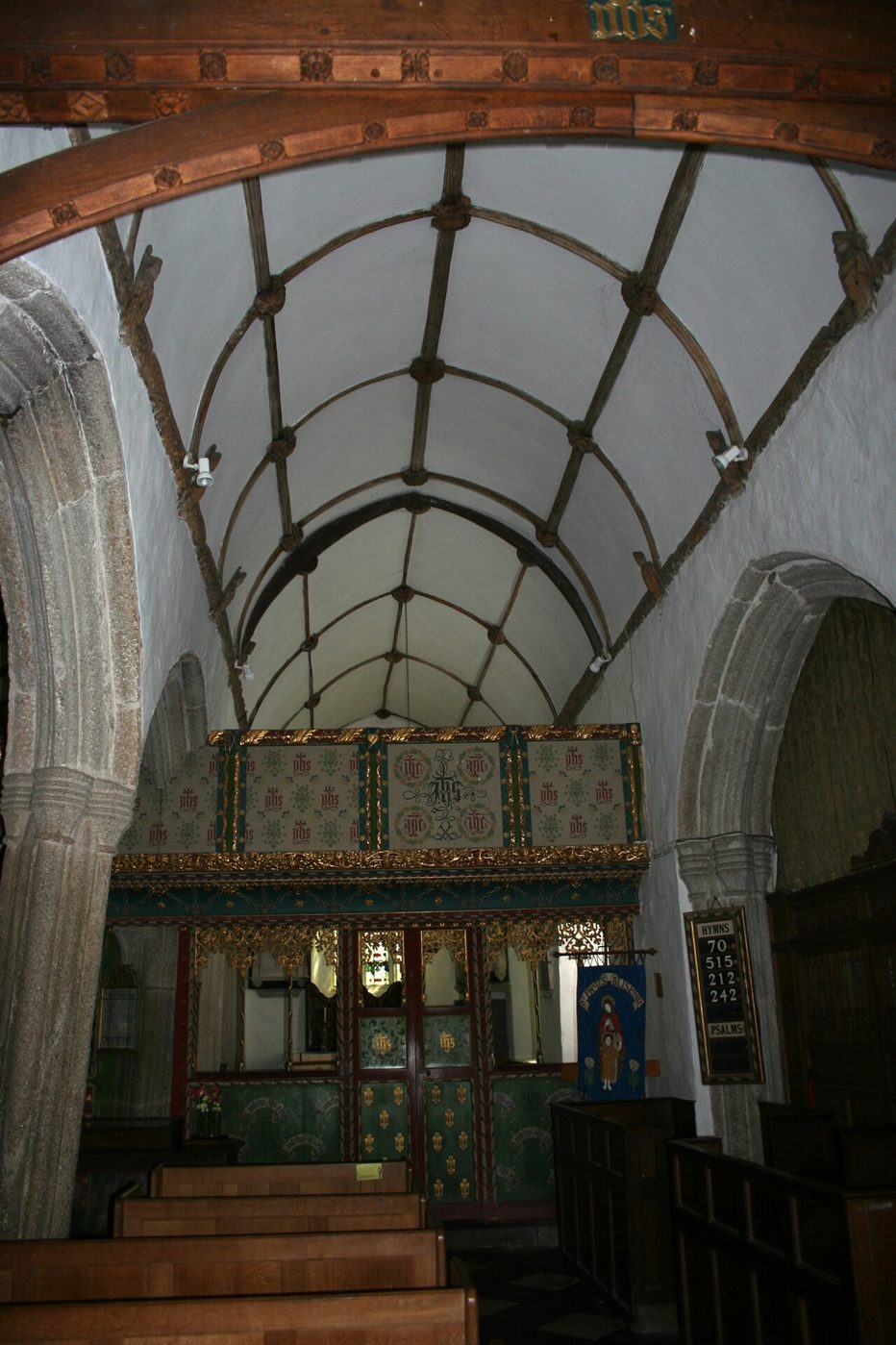
Inside, the eye goes straight to Eden’s rood screen, which runs across the church with figures above it that are said to come from Oberammergau; beside it the medieval stair to the rood loft survives. Beyond it are the Renaissance-style high altar and gilded reredos, and the Lady and Jesus chapels. Betjeman, broadcasting in 1948, called Blisland the most beautiful of all the country churches of the West he had seen.
The arcade and the roofs
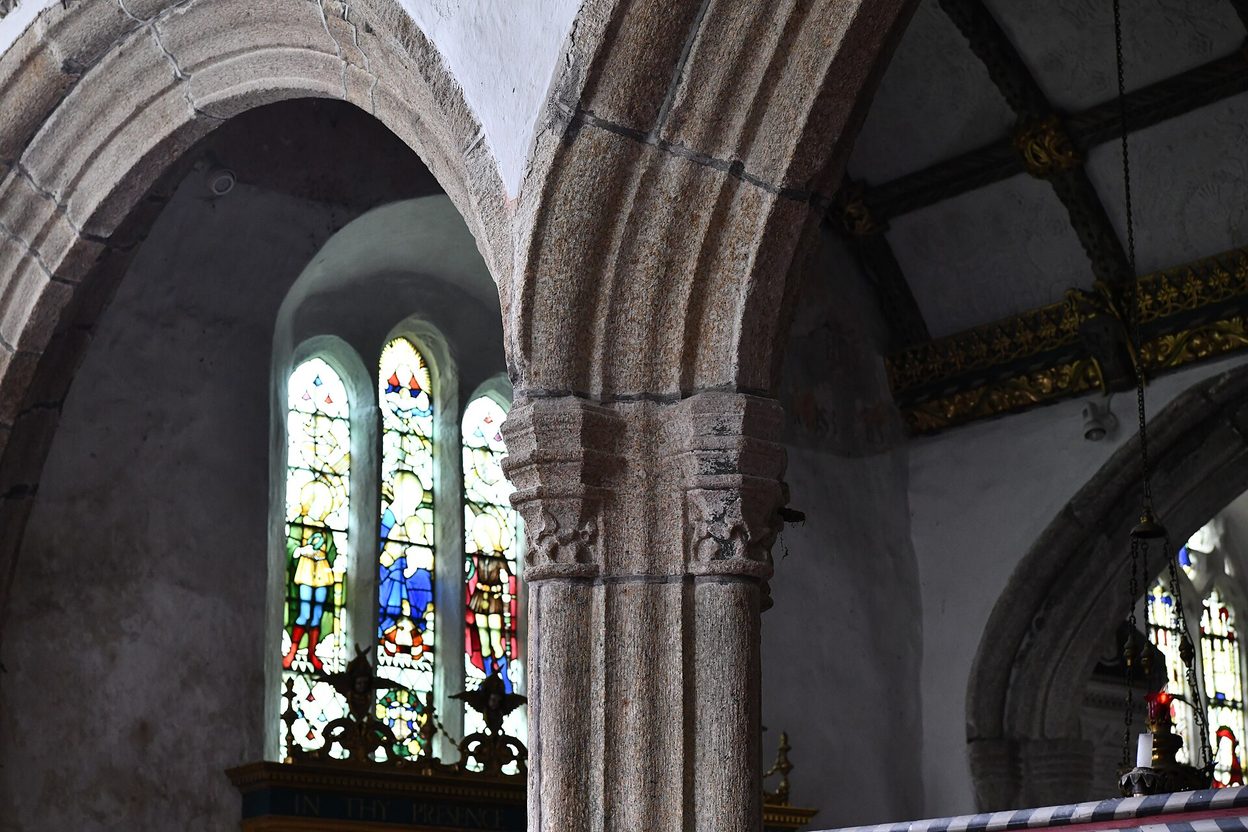
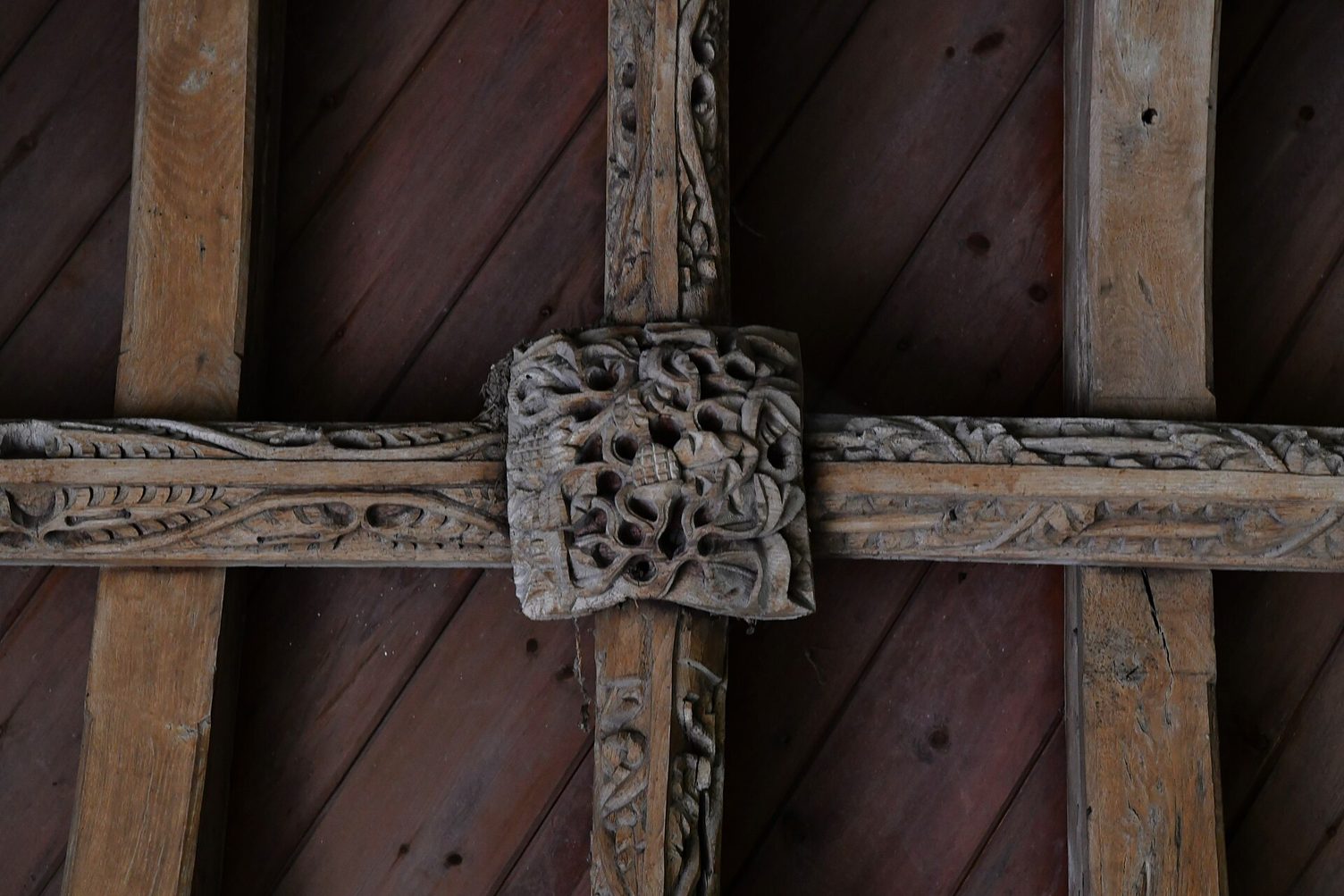
The south aisle has a six-bay arcade; look for the column that leans, held up by Eden’s carved beam. The nave and chancel keep fifteenth-century wagon roofs with carved bosses and angels.
Fonts, arms and brass
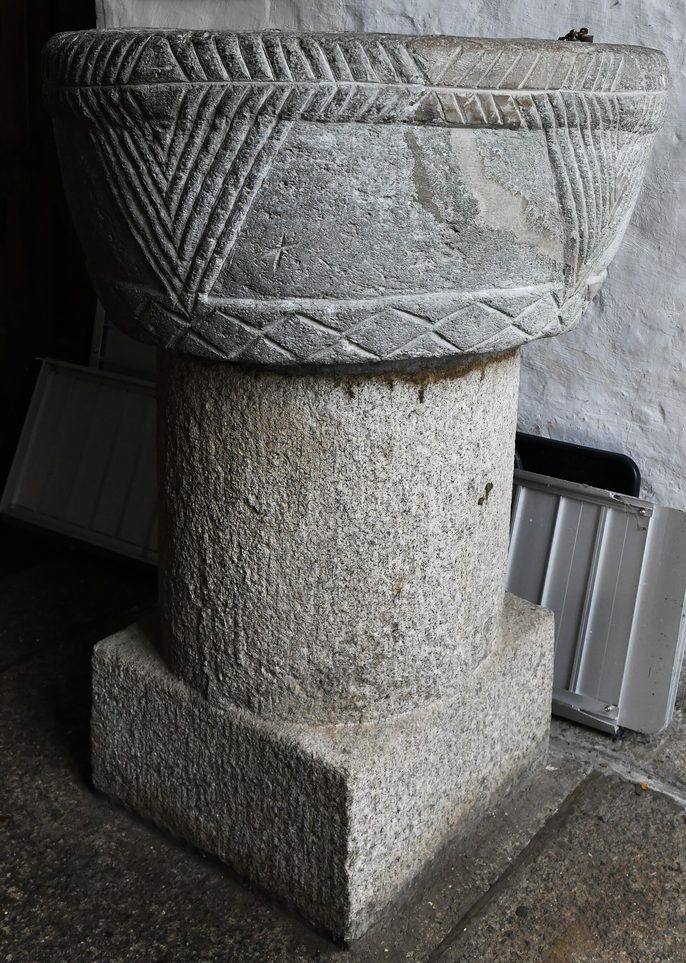
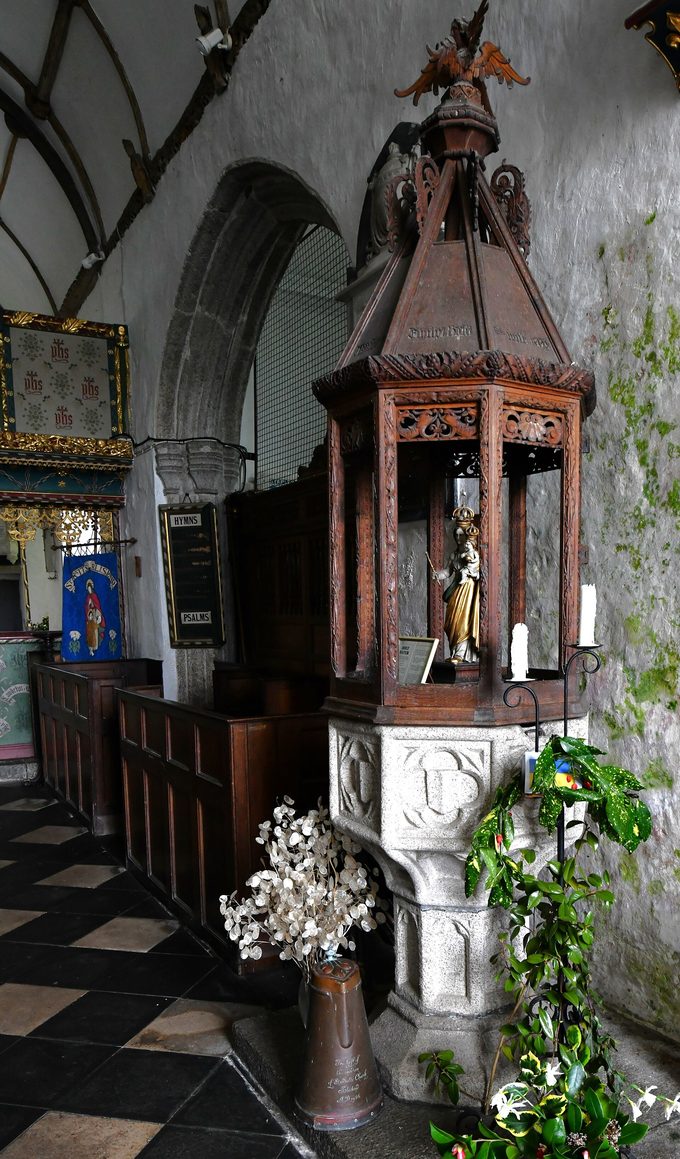
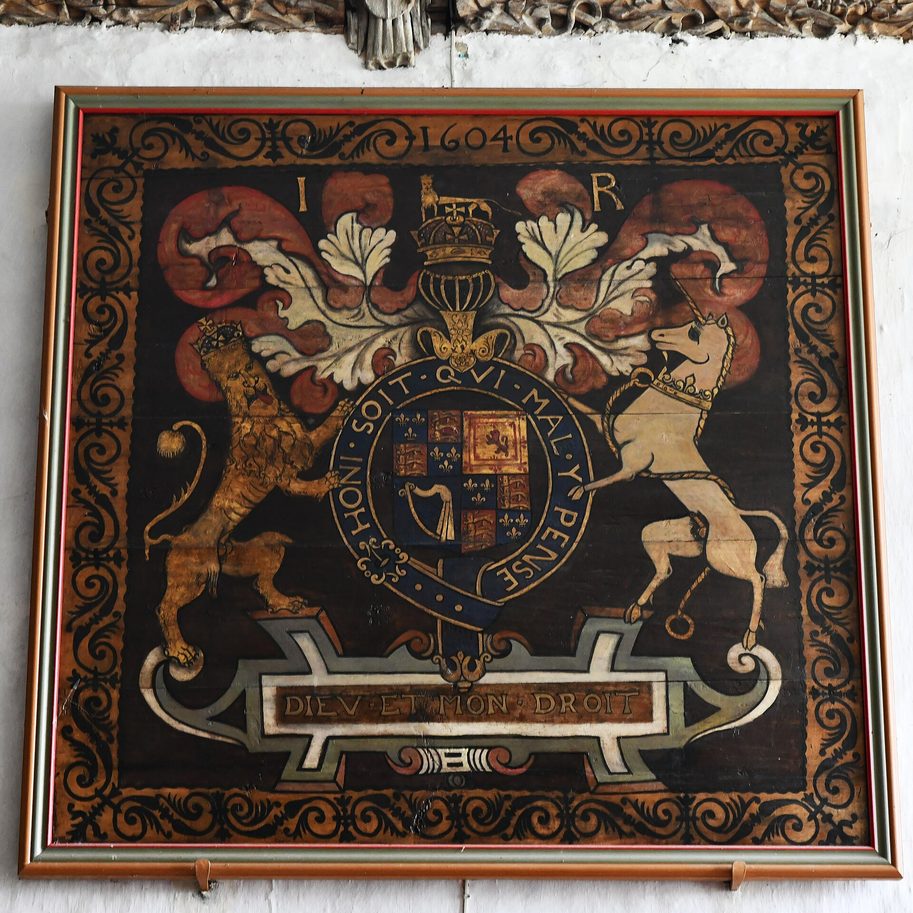
There are two fonts: a round Norman bowl of local stone with zigzag carving, on a modern stem, and an octagonal font of the fifteenth century with a carved wooden cover. Look also for the Royal Arms of James I, dated 1604; a finely carved pulpit with a sounding board, probably of the late seventeenth century; a carved chest of the seventeenth century at the west end of the south aisle; slate memorials of the seventeenth century; and the brass of John Balsam, rector, of 1410.
Getting there
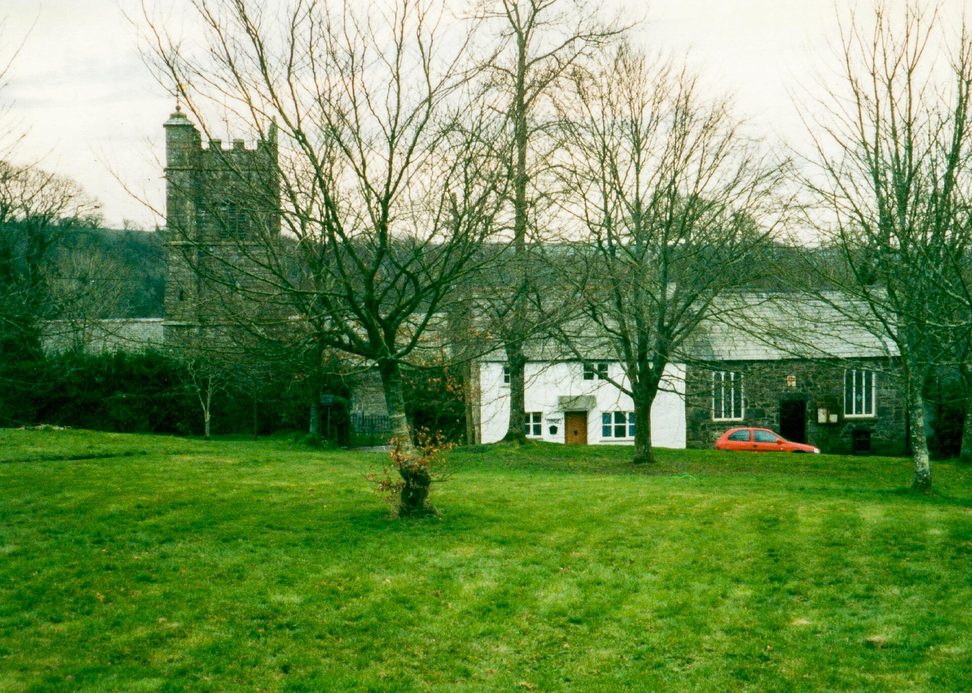
Blisland is reached by lanes off the A30 north-east of Bodmin. The church is by the village green, which is sometimes said to be the only one in Cornwall; the Blisland Inn, a real-ale pub that was CAMRA’s national Pub of the Year in 2000, is across it. Park on the road outside the church or around the green. No regular bus service was found, so come by car. On the moor nearby are Jubilee Rock, carved in 1810 for George III’s jubilee, and the Bronze Age Trippet Stones circle.
Where to stay
Bodmin, about five miles away, is the nearest town with places to stay; Wadebridge is a little further.
This link goes to Booking.com. This site earns nothing from it at present — it is here because it is the quickest way to check what is actually available.
Don’t miss
- The rood screen By F. C. Eden, 1896.
- The two fonts Norman and fifteenth-century.
- The dedication Said to be unique in England.
- The green With the village inn.
Insider tips
Combine with Altarnun. Altarnun’s carved bench ends are on the other side of Bodmin Moor, roughly nine miles away across the moor.
Walk on to the moor. Jubilee Rock and the Trippet Stones stone circle are within reach on foot over the moor.
Common questions
Why is Blisland church famous?
For its restoration. In the 1890s the young architect F. C. Eden rescued the church and gave it a medieval-style rood screen, a Renaissance-style high altar and a plaster chancel ceiling. John Betjeman wrote that, as a restoration, it could hardly be bettered in the kingdom.
Who were Protus and Hyacinth?
Two brothers martyred in Rome in the third century. The church’s own history says it is the only church in England dedicated to them; the dedication is first recorded in 1436 and how it arose is unknown. Locally it was called St Pratt’s.
When is it open?
The church’s A Church Near You page says daily from 10am to 4pm, but its facilities page says dawn to dusk; check before a long journey.
Is it free?
Yes; there is no charge to visit.
Are there toilets and refreshments nearby?
Yes. There is a public toilet just past the Village Institute, a café in the community shop about 150 metres away, and the Blisland Inn across the green.
Where is Blisland?
About five miles north-east of Bodmin, on the western edge of Bodmin Moor, off the A30.
More English churches
- Altarnun Church — the Cathedral of the Moor
- St Neot Church — medieval glass on Bodmin Moor
- Truro Cathedral — the cathedral of Cornwall
See all the cathedrals and churches worth visiting in England →