
Boxgrove Priory, West Sussex
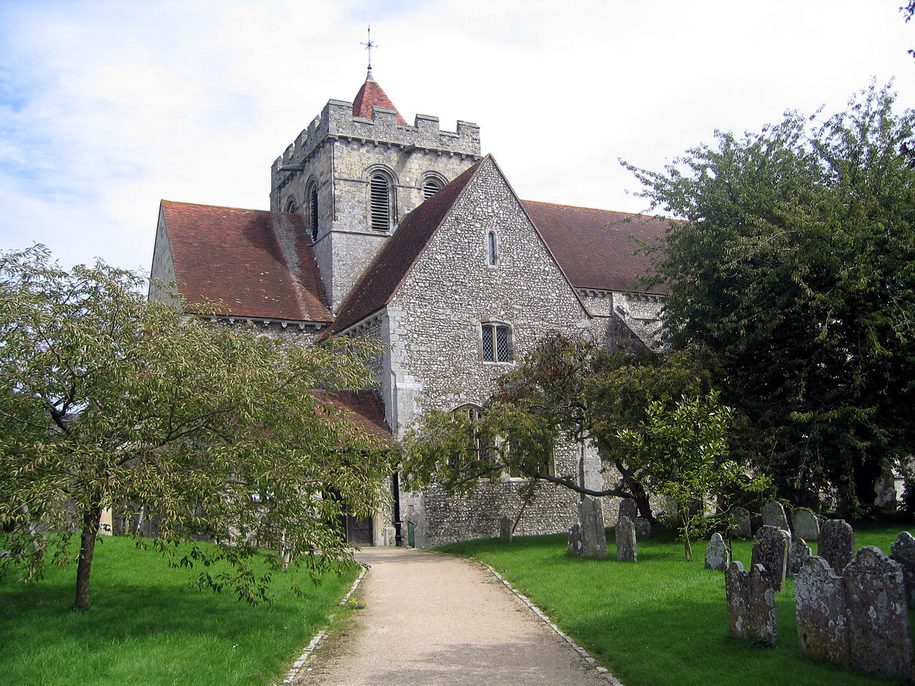
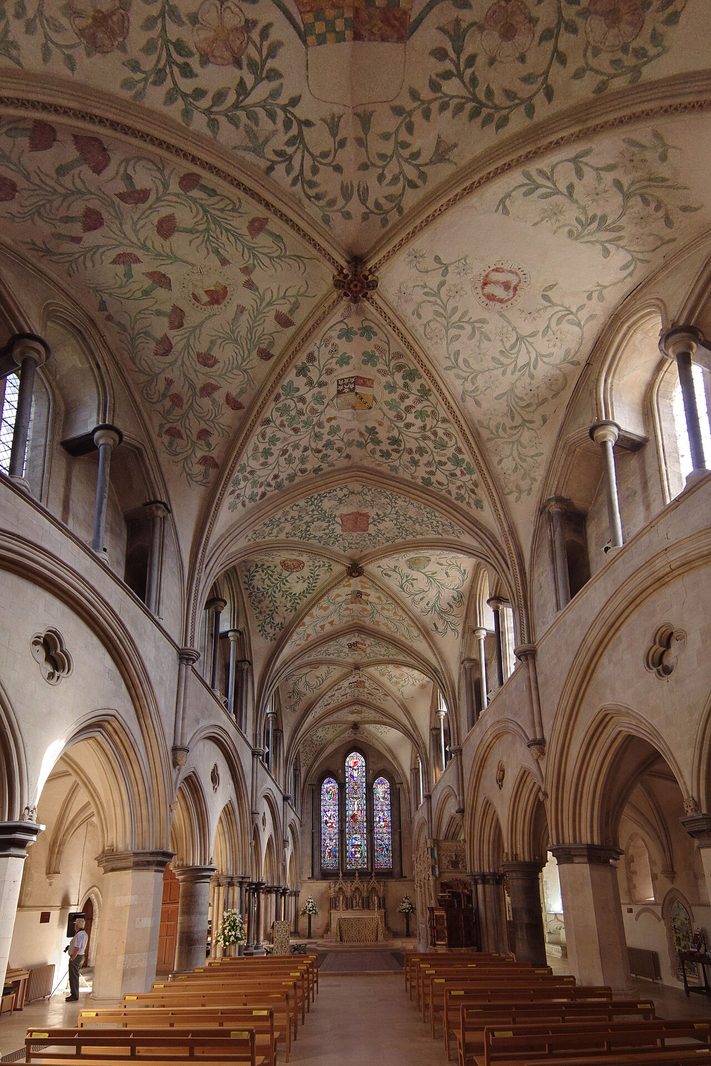
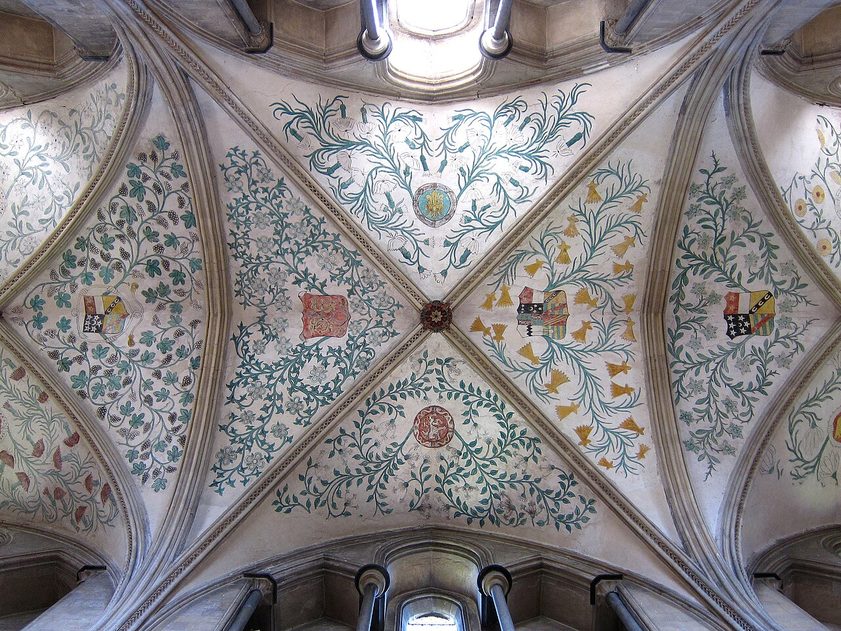
In a village a few miles from Chichester stands one of the most beautiful small churches in Sussex. Boxgrove was a Benedictine priory, and the church that survives is the monks’ choir: an early Gothic building of around 1200, with a vault painted with flowers and coats of arms in the last years before the Reformation. Around it are the ruins of the priory and the grave of an American Olympic champion who died in the Battle of Britain.
A priory that survived as a parish church
In 1105 the lord of the manor gave the church at Boxgrove to the Norman abbey of Lessay, which sent a small group of monks to found a priory here. Around 1200 the monks rebuilt the east end of their church in the new Gothic style. The local people used the nave as their parish church.
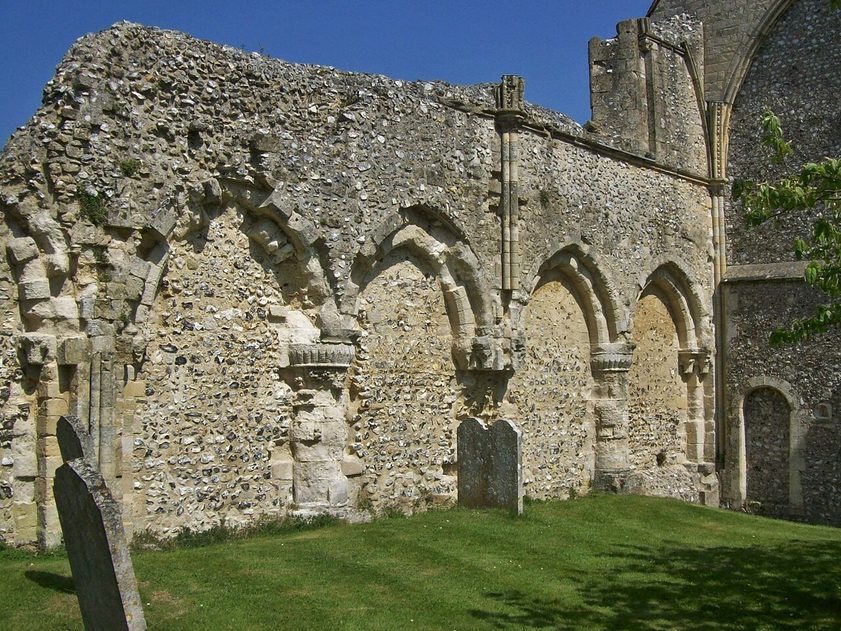
When the priory was closed in 1536–37, the parishioners kept the monks’ choir as their church, and the old nave was demolished. That is why the church today is all choir: tall, light and richly carved, with little to the west of the crossing tower but fragments of wall.
The visitor's cheat sheet
| Where | Boxgrove Priory, off The Street, Boxgrove, near Chichester, West Sussex, PO18 0EE |
|---|---|
| Getting there | Just under 4 miles from Chichester, off the A27; bus 55 from Chichester; parking by the church |
| Opening hours | Church open daily in daylight hours, except during services; priory ruins at any reasonable time |
| Admission | Free; donations welcome |
| How long | Under an hour |
| Best time | A bright day, for the colours of the vault |
| Dress code | Modest dress; it is the parish church |
| Tours | Self-guided; a labyrinth in the church |
Hours and admission checked against the official site in October 2026. They change; the official site is always the last word.
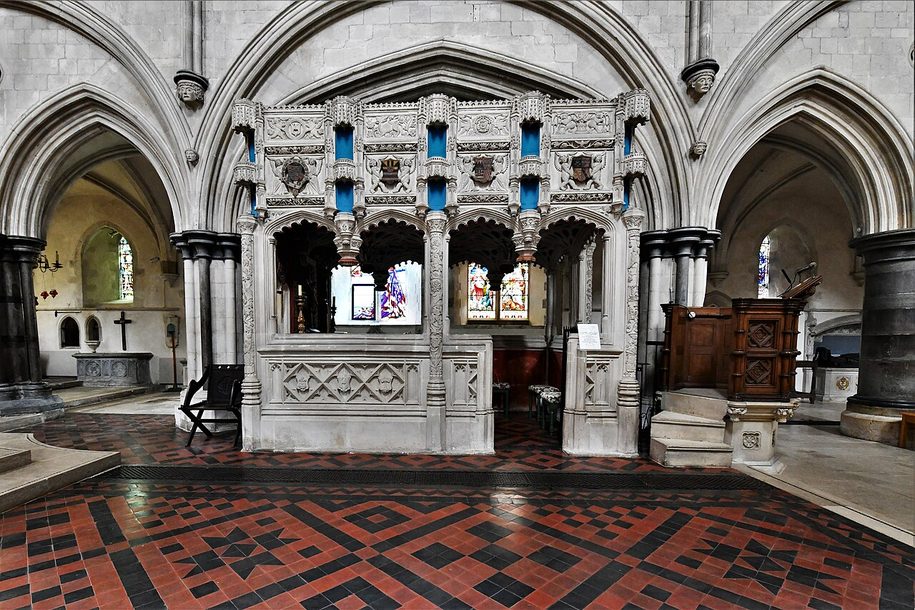
The last patron. Thomas West, 9th Lord De La Warr, built his family chantry in the church in 1532 and hoped to be buried here. Four years later the priory was dissolved, and he was buried elsewhere. His chantry, carved with symbols and initials, still stands empty.
What to see, in the order you meet it
The ruins
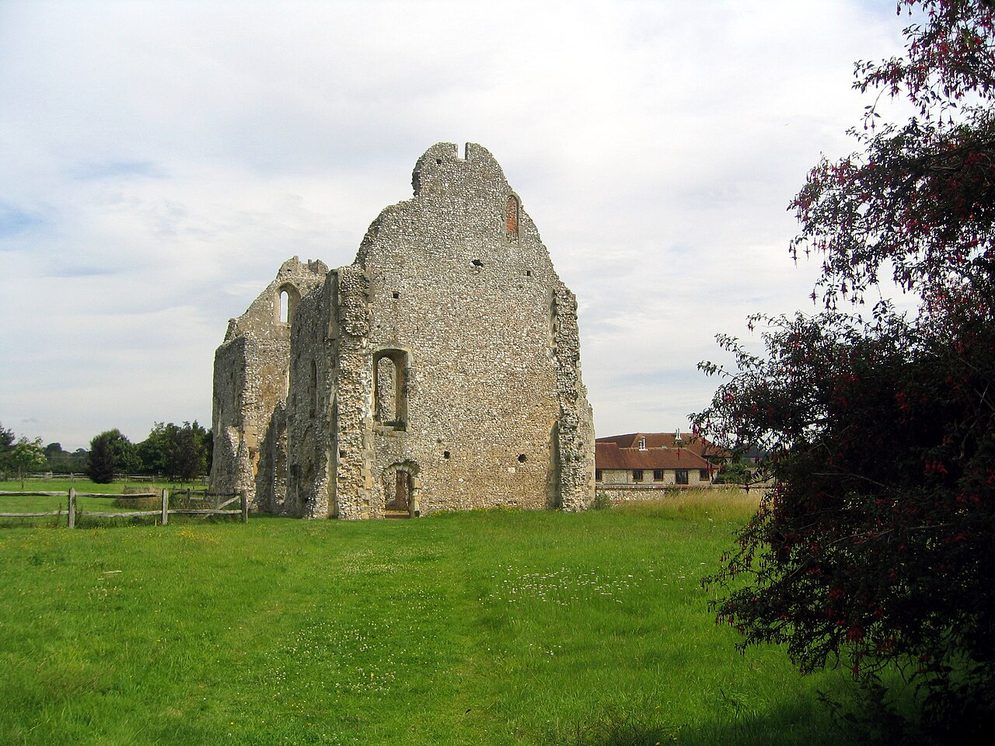
Before going in, look at the west end, where the walls and arches of the demolished nave still stand, and walk out into the field to the north to see the roofless guest house of the fourteenth century, cared for by English Heritage.
The painted vault
Inside, look up. The stone vault of the choir is painted with flowers, foliage and the coats of arms of the De La Warr family and their relations, by Lambert Barnard, the artist who painted the great panels in Chichester Cathedral.
The De La Warr chantry
On the south side of the choir is the De La Warr chantry of 1532, a little house of carved stone, one of the finest pieces of early Renaissance carving in England.
Billy Fiske
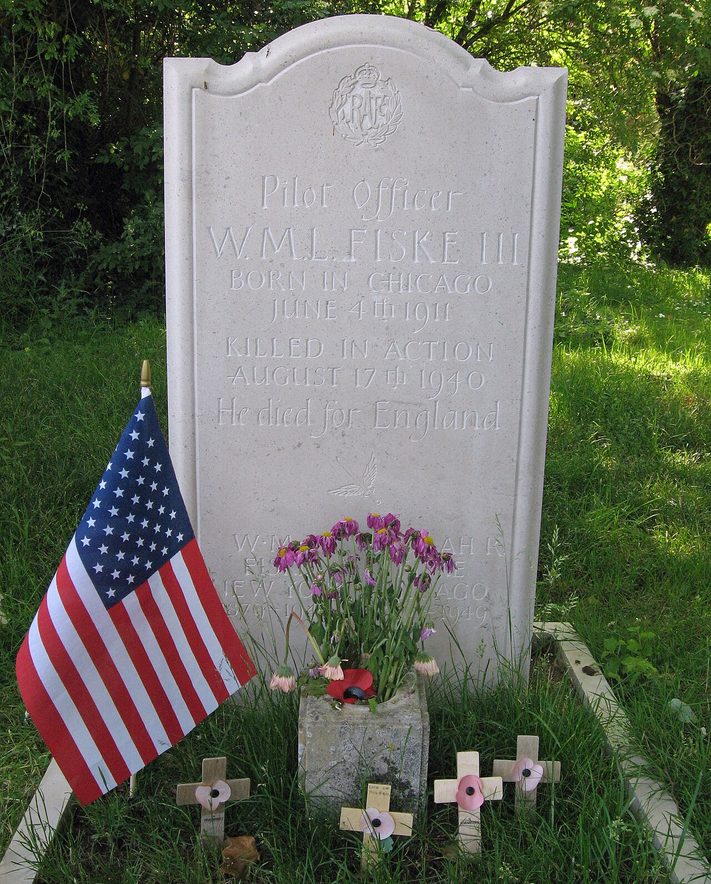
In the churchyard is the grave of Pilot Officer Billy Fiske, the American Olympic bobsleigh champion who flew with the RAF and died of his injuries in August 1940. Inside the church is his memorial window, made by Mel Howse in 2008.
Visiting
Free to visit
The church is free and open daily, except during services; donations help to keep the vault and the building in repair. The ruins are open at any reasonable time.
The hotel link goes to Booking.com. This site earns nothing from it at present — it is here because it is the quickest way to check what is actually available.
Don't miss
- The painted vault Flowers and coats of arms.
- The De La Warr chantry Carved stone, 1532.
- The early Gothic choir Around 1200.
- The Fiske window By Mel Howse, 2008.
- The guest house ruin In the field to the north.
- The labyrinth Inside the church.
Insider tips
Pair it with Chichester. Boxgrove is a ten-minute drive from Chichester Cathedral, where you can see more of Lambert Barnard’s work. Goodwood is on the hill above the village, and the Tangmere Military Aviation Museum, at Billy Fiske’s old airfield, is a few minutes away.
Common questions
Is Boxgrove Priory free to visit?
Yes. The church is free, with donations welcome, and the ruins of the priory, cared for by English Heritage, are free to visit at any reasonable time.
Who painted the vault?
The decoration of flowers, foliage and coats of arms was painted in the early sixteenth century by Lambert Barnard, who also worked at Chichester Cathedral. It was done for Thomas West, Lord De La Warr, the priory’s patron, whose family chantry chapel stands below it.
Who was Billy Fiske?
An American bobsleigh champion who won two Olympic gold medals and joined the RAF in 1939. He was fatally injured in the Battle of Britain in August 1940, flying from nearby Tangmere, and is buried in Boxgrove churchyard. A memorial window to him, by Mel Howse, was put in the church in 2008.
How do you get to Boxgrove?
Boxgrove is just under four miles north-east of Chichester, off the A27. Stagecoach bus 55 runs from Chichester. The church is off The Street in the village, with the ruins in the field beside it.
Where to stay and eat nearby
Boxgrove has a village pub. For more choice, stay in Chichester, a short drive away.
More English churches
- Chichester Cathedral — four miles away
- Salisbury Cathedral — Early English on a grand scale
- Lacock Abbey — another priory turned into something else, in Wiltshire