
Lacock Abbey, Wiltshire
Lacock Abbey was a convent of Augustinian nuns for three hundred years, then a country house for four hundred more. Its medieval cloisters, chapter house and warming room survive almost intact beneath the rooms of the Tudor and Georgian house. It was here, in 1835, that William Henry Fox Talbot made the world’s oldest surviving photographic negative — and here that Harry Potter walked the corridors of Hogwarts.
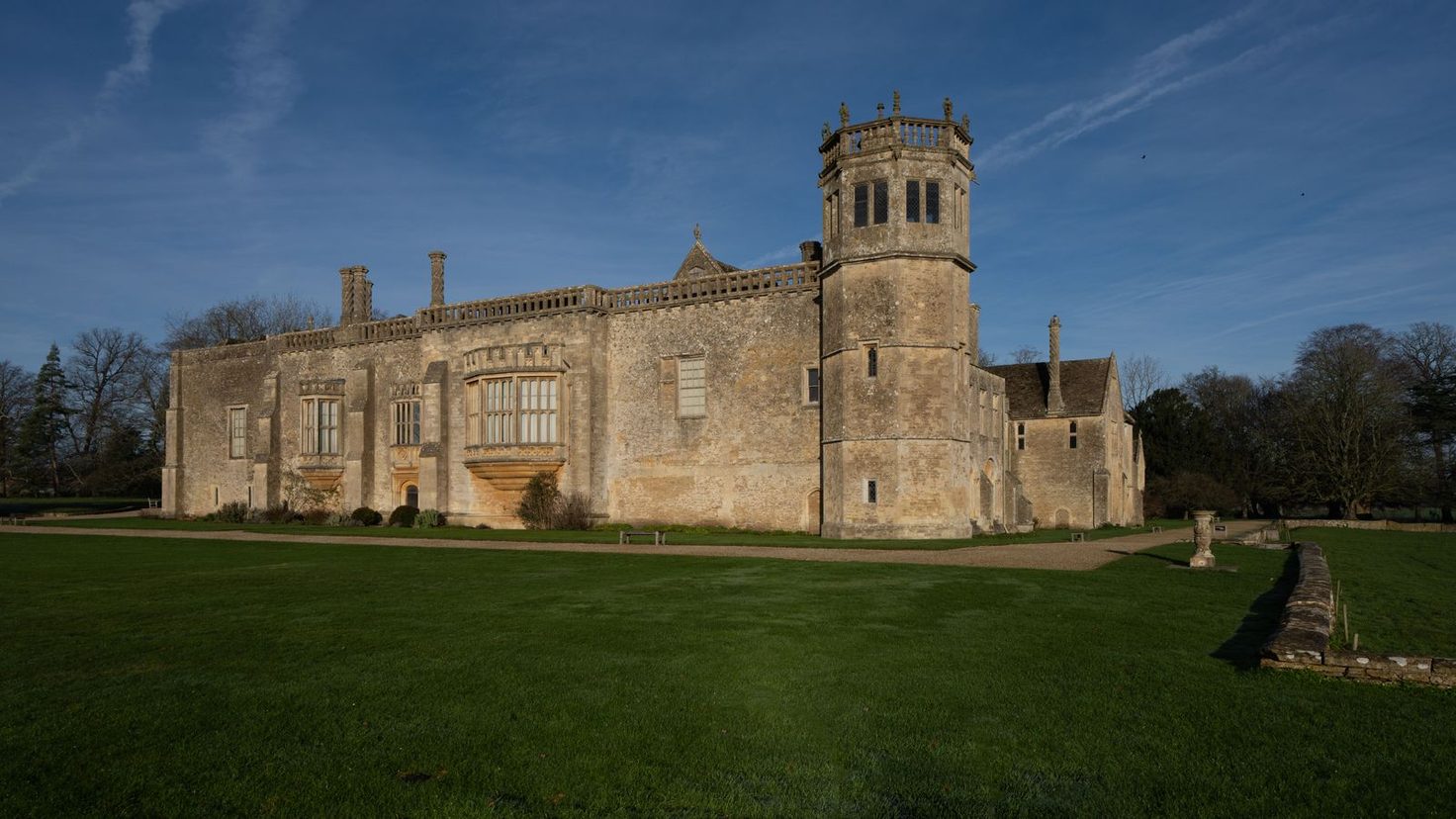
From nunnery to country house
The abbey was founded by Ela, Countess of Salisbury, widow of William Longespée, half-brother of King John. She laid the first stone in 1232 and in 1240 became abbess herself. The nuns lived here until 1539, when Henry VIII closed the abbey.
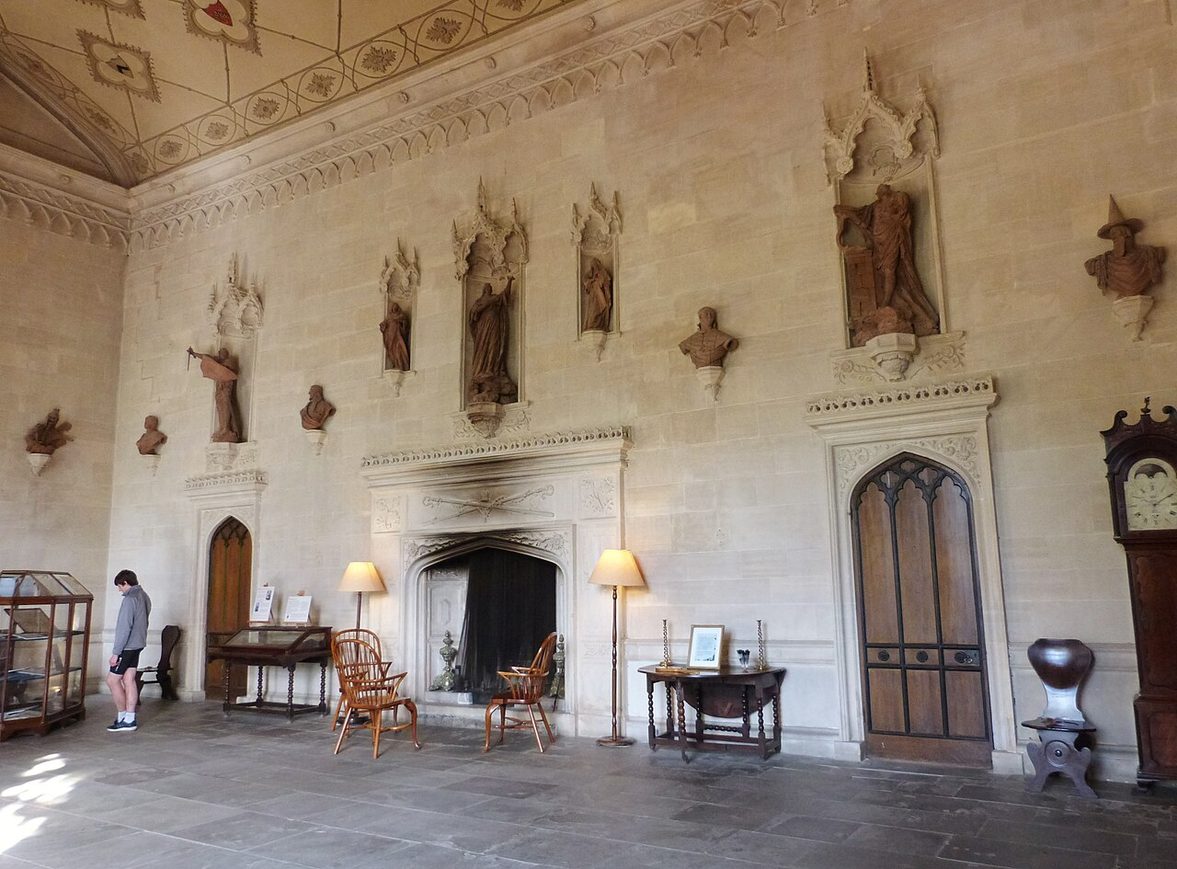
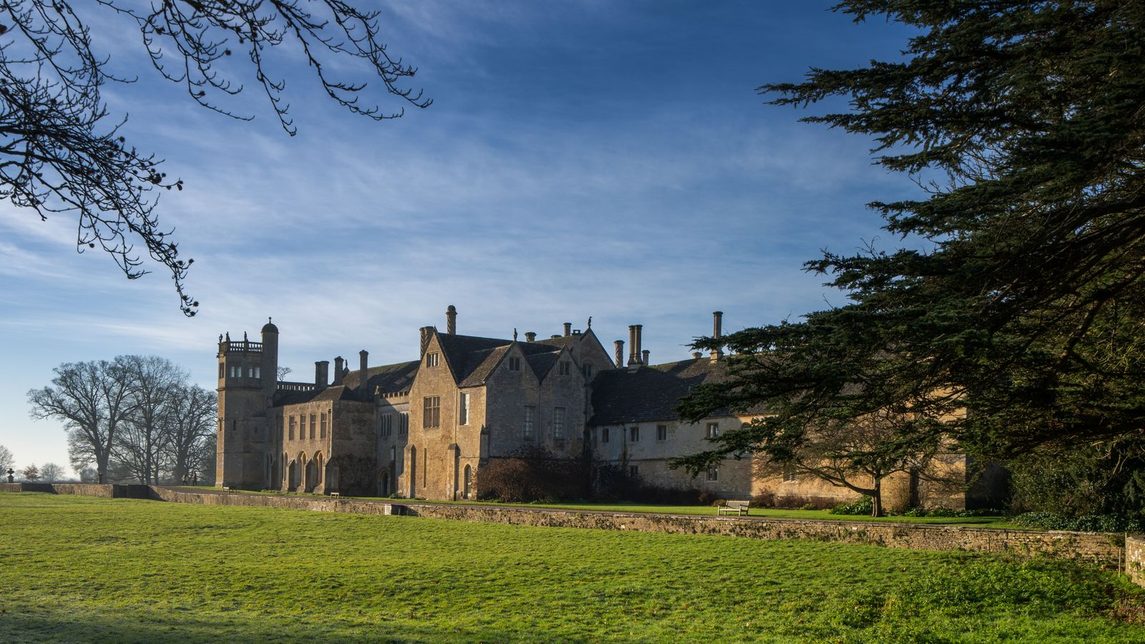
In 1540 the abbey was bought by Sir William Sharington, who pulled down the church but kept the cloisters and the nuns’ buildings, and built his house on top of them. He added the octagonal tower around 1550. In the 1750s John Ivory Talbot rebuilt the Great Hall in the fashionable Gothick style.
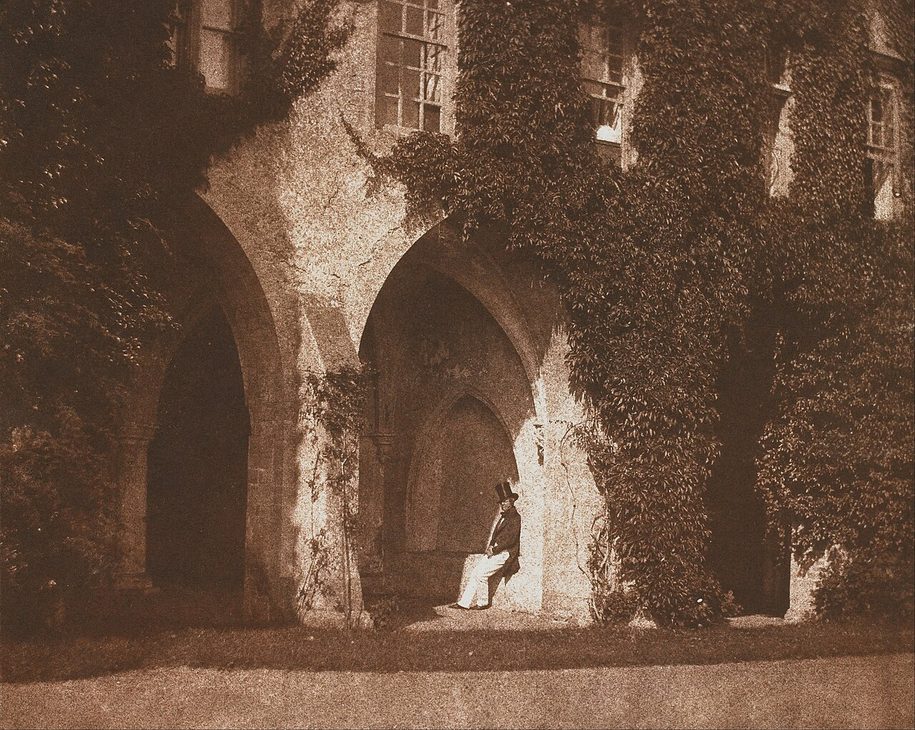
William Henry Fox Talbot inherited the house in 1800 and experimented here with photography. In 1944 his granddaughter Matilda Talbot gave the abbey and most of the village to the National Trust.
The visitor's cheat sheet
| Where | Lacock Abbey, Lacock, near Chippenham, Wiltshire, SN15 2LG; car park SN15 2RQ |
|---|---|
| Getting there | Train to Chippenham, then bus X34 (3.5 miles); National Trust car park in the village |
| Opening hours | Grounds and museum 10am–5pm; cloisters 10.15am–4.45pm; abbey rooms from 10.30am, last entry 3.45pm, closed from 1 November for the winter |
| Admission | March–October: adults £23.10 with Gift Aid (£21 without), children £11.60 (£10.50), families £57.80 (£52.50); National Trust members free; parking £5 for non-members |
| How long | Two to three hours with the village |
| Best time | A weekday outside school holidays, when the cloisters are quiet |
| Dress code | None; comfortable shoes for the grounds |
| Tours | Self-guided, with volunteer room guides; Fox Talbot Museum included |
Hours and admission checked against the official site in October 2026. They change; the official site is always the last word.
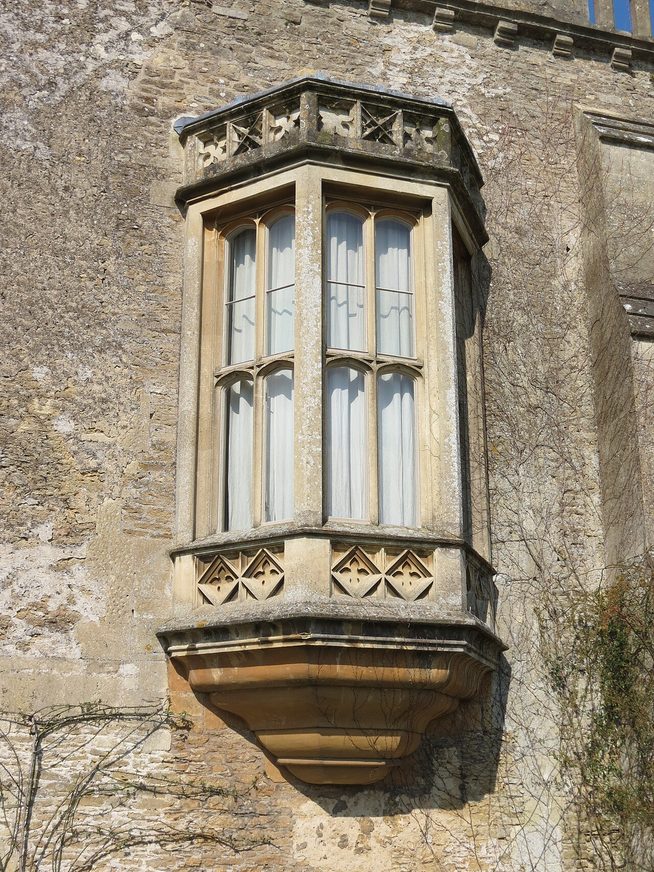
The first negative. In August 1835 Fox Talbot put a tiny camera in the South Gallery and captured the oriel window on light-sensitive paper. The image, about the size of a postage stamp, is the oldest surviving camera negative. You can see the window itself on the south front of the house.
What to see, in the order you meet it
The Fox Talbot Museum
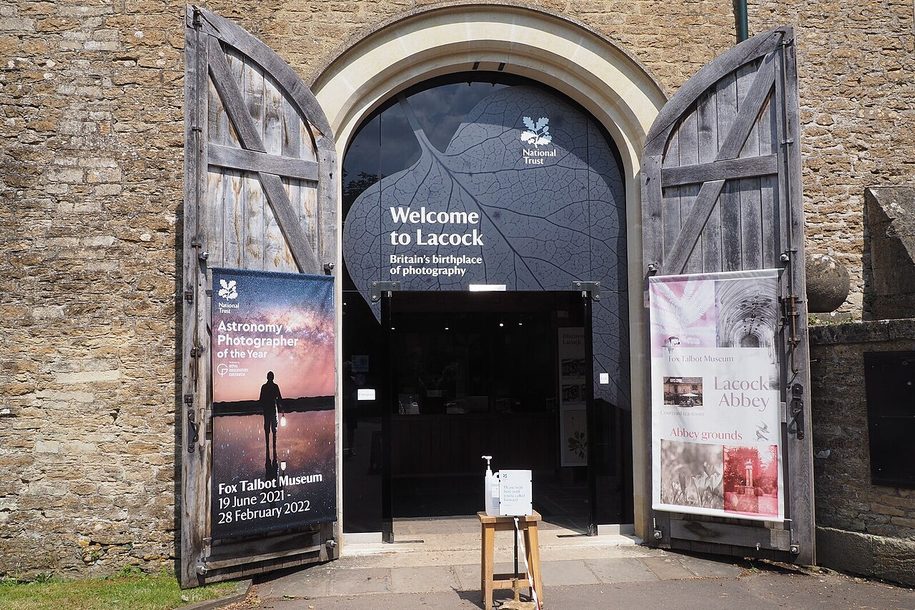
By the gates, in a sixteenth-century barn, the museum tells the story of Fox Talbot’s invention and shows changing exhibitions of photography.
The cloisters and the nuns’ rooms
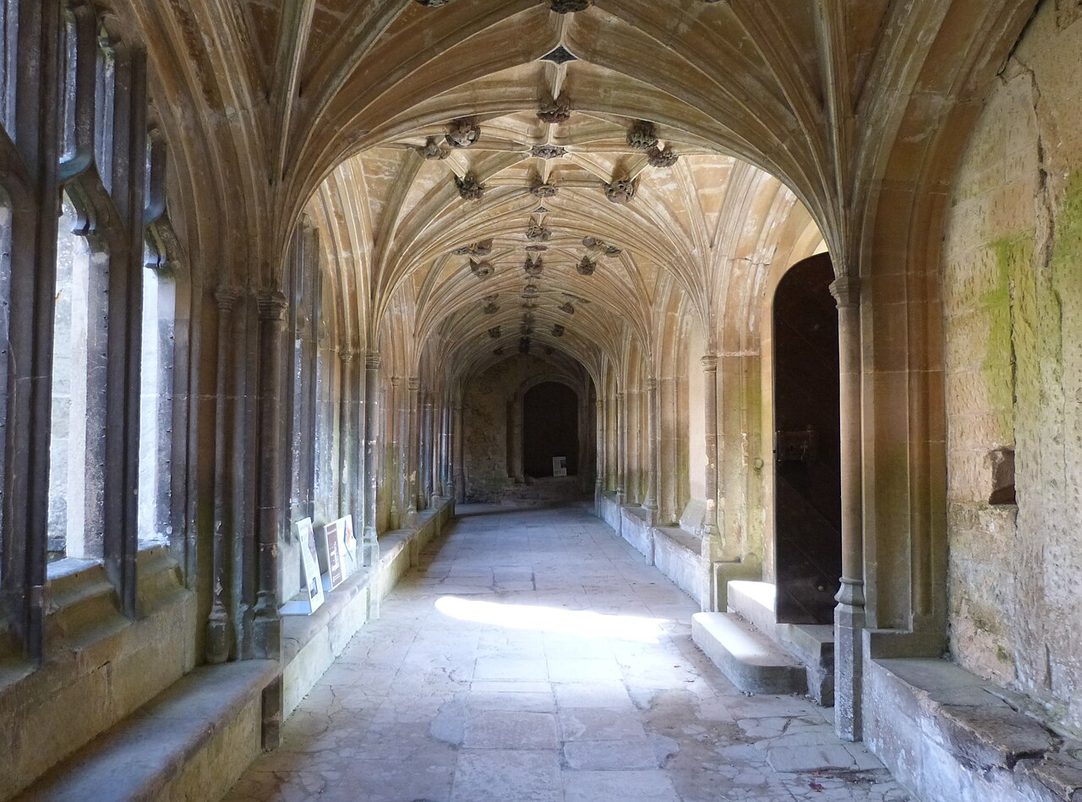
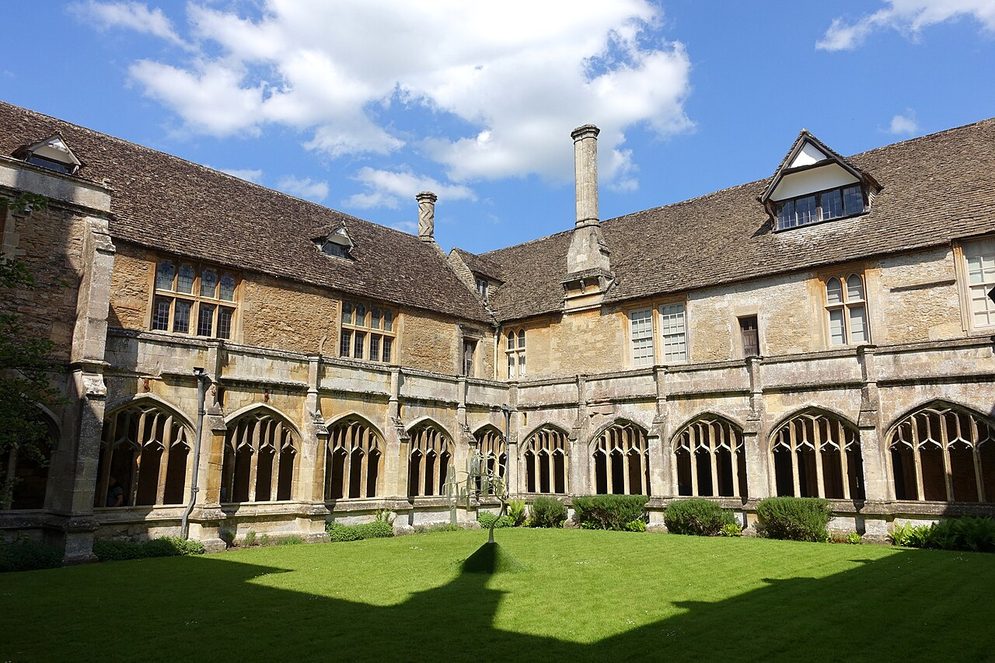
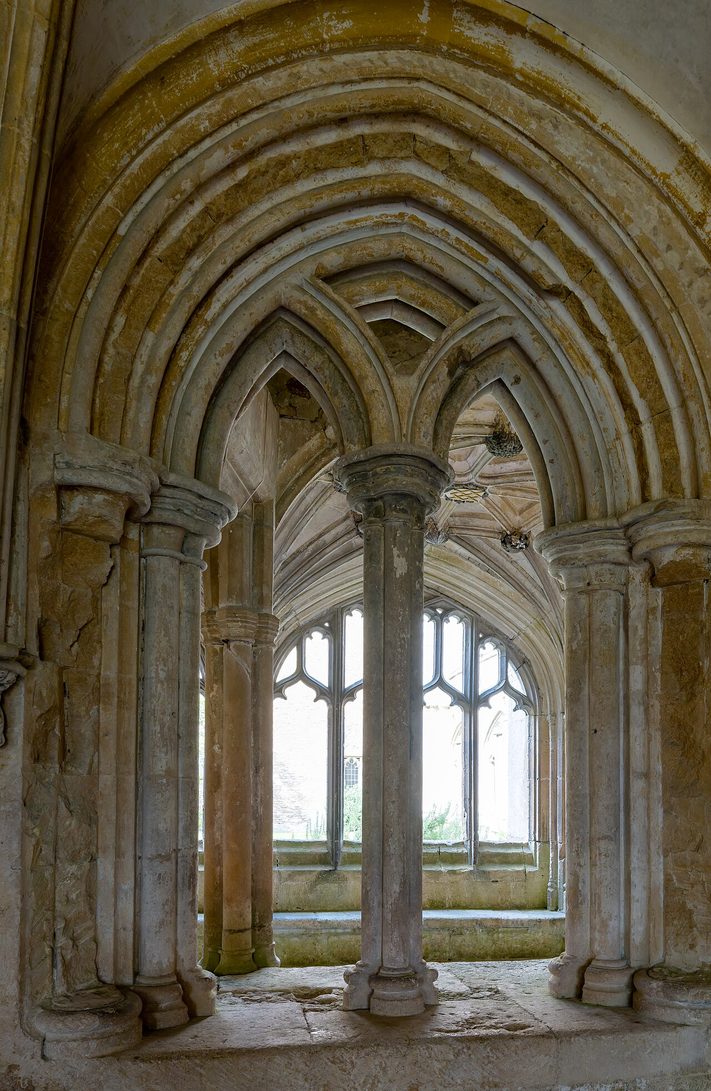
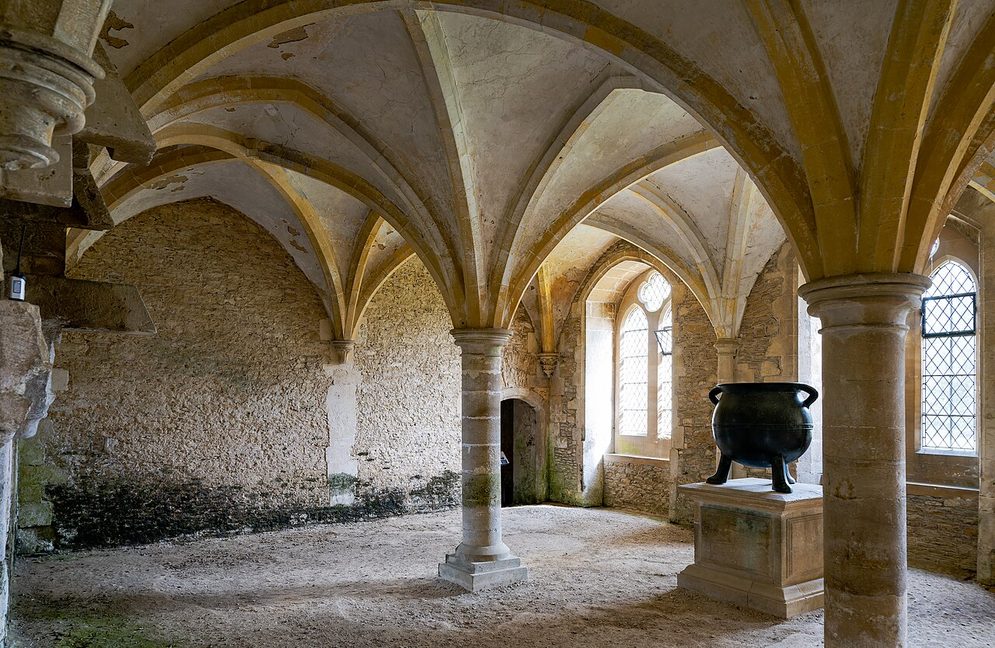
The heart of Lacock is its cloisters, with fan-like stone vaults of the fifteenth century and carved bosses. Off them open the rooms of the nunnery: the chapter house, the sacristy, and the warming house, with its fireplace and a huge cauldron. These are the corridors and rooms that appeared in the first two Harry Potter films.
The house
Upstairs, the house is a mix of centuries: Sharington’s Tudor rooms and tower, the Gothick Great Hall with its terracotta figures, and the South Gallery with the famous oriel window.
The grounds
Outside are a Victorian woodland garden, a botanic garden and greenhouse, and parkland along the river. In early spring the grounds are covered with snowdrops and crocuses.
Visiting
Tickets
Tickets are sold at the visitor reception and online through the National Trust. One ticket covers the abbey, cloisters, grounds and museum; National Trust members go free.
The hotel link goes to Booking.com. This site earns nothing from it at present — it is here because it is the quickest way to check what is actually available.
Don't miss
- The cloisters Fifteenth-century vaults, and Hogwarts.
- The warming house The great cauldron.
- The oriel window The subject of the first negative.
- The Great Hall Gothick, from the 1750s.
- The Fox Talbot Museum The story of photography.
- Lacock village Almost untouched since the 1700s.
Insider tips
Leave time for the village. Lacock village, owned by the National Trust, has hardly changed in two centuries and is a film set in its own right. Look into St Cyriac’s church, with the Sharington tomb. Come early or late in summer, when the coach parties have gone.
Common questions
How much does it cost to visit Lacock Abbey?
Lacock is run by the National Trust. From March to October an adult ticket is £23.10 with Gift Aid or £21 without, a child £11.60 or £10.50, and a family £57.80 or £52.50. The ticket covers the abbey, the cloisters, the grounds and the Fox Talbot Museum. National Trust members and under-5s go free.
When is Lacock Abbey open?
The grounds and museum are open from 10am to 5pm, the cloisters from 10.15am to 4.45pm, and the abbey rooms from 10.30am, with last entry at 3.45pm. The abbey rooms close for the winter from 1 November; the cloisters and grounds stay open, with cheaper winter tickets.
Was Harry Potter filmed at Lacock Abbey?
Yes. The cloisters and other rooms stood in for Hogwarts in the first two Harry Potter films, and again in Half-Blood Prince. The abbey and village have also been used for Pride and Prejudice (1995), Cranford, Wolf Hall and Fantastic Beasts.
What does Lacock have to do with photography?
William Henry Fox Talbot lived here. In 1835 he made a tiny negative of the oriel window in the South Gallery, the oldest surviving camera negative in the world. His process of making many prints from one negative became the basis of photography for 150 years.
How do you get to Lacock?
Lacock is 3.5 miles south of Chippenham, which has trains from London Paddington and Bristol. Bus X34 runs from Chippenham to Lacock. Drivers use the National Trust car park in the village (SN15 2RQ), which costs £5 for non-members.
Where to stay and eat nearby
Lacock has several old inns and tearooms; Chippenham, Corsham and Bath are all close by.
More English churches
- Malmesbury Abbey — half an hour north
- Bath Abbey — half an hour west
- Salisbury Cathedral — Ela’s husband is buried there