
Castle Acre Priory
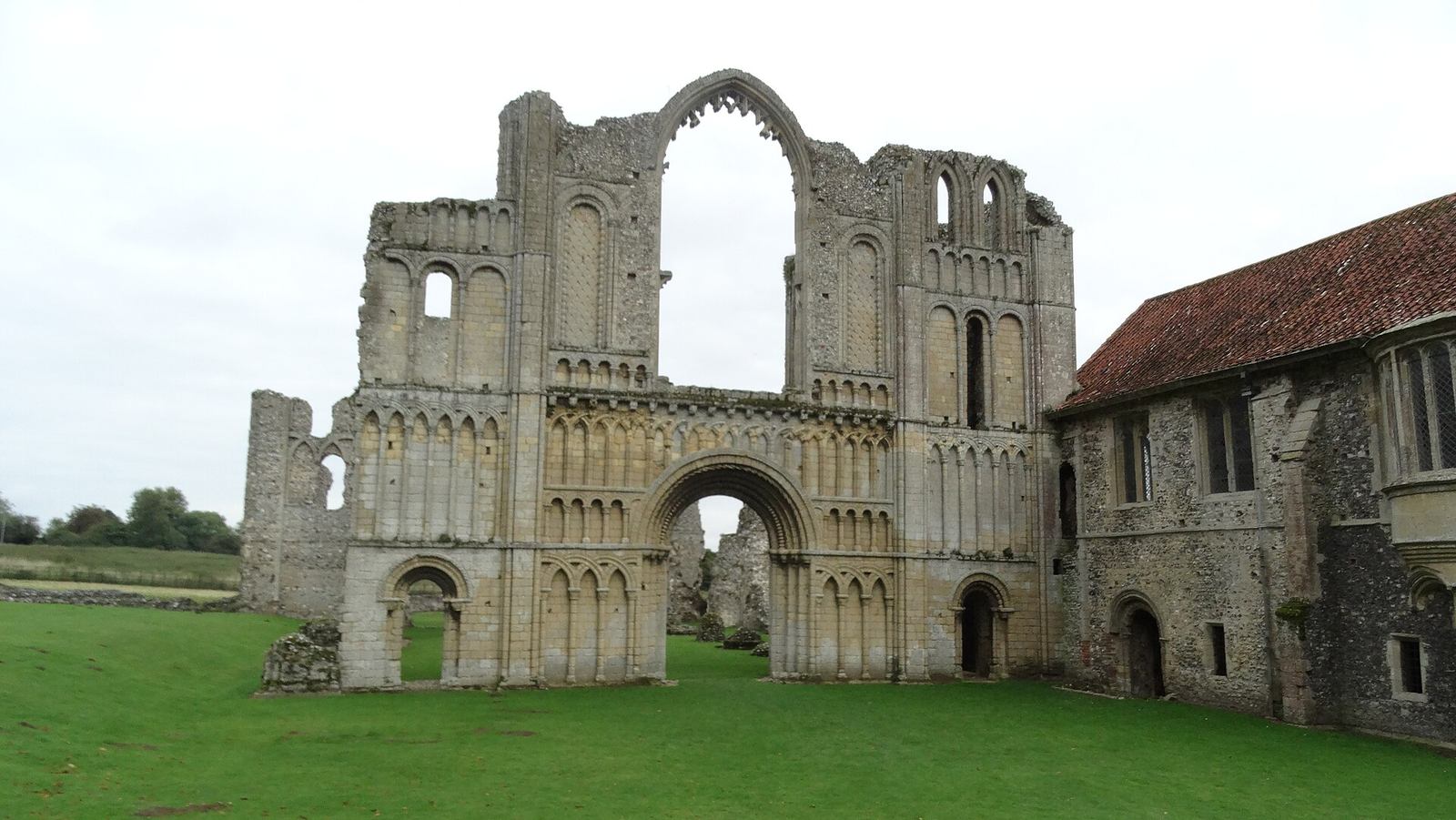
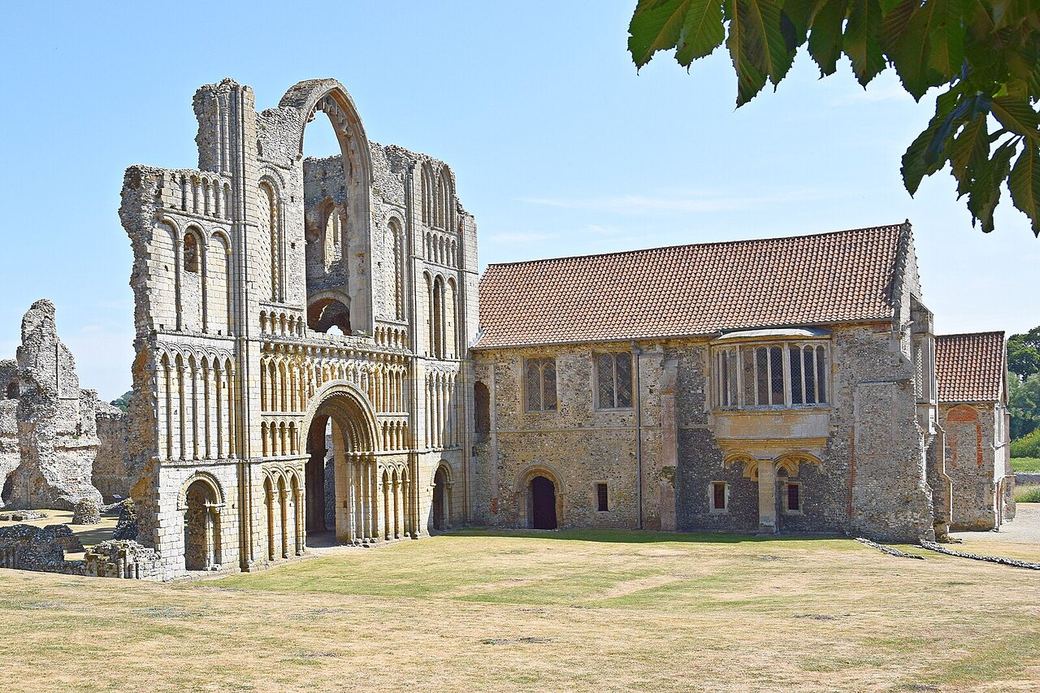
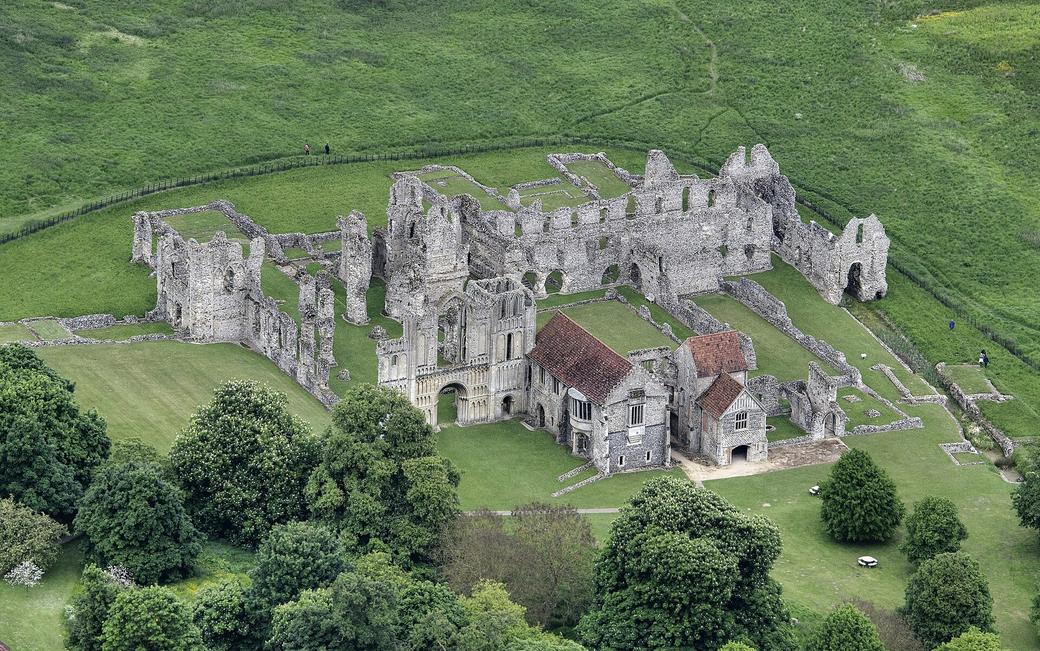
In a quiet Norfolk village between a Norman castle and the River Nar stand the biggest and best-preserved monastic ruins in East Anglia. Castle Acre Priory was a house of Cluniac monks, and its great west front, covered in tiers of round arches, shows how richly they liked to build. Next to it the prior’s lodging survives with its roof on, and the monks’ latrine block is one of the most memorable ruins in England.
The Warennes and the monks of Cluny
The priory began in the early 1080s, when William de Warenne, who had founded England’s first Cluniac priory at Lewes in Sussex, brought a few monks from Lewes to his castle at Castle Acre. In 1089 his son, the second Earl of Surrey, gave them a new site in the valley below, and the monks probably moved down in about 1100, once the east end of their church was ready. Castle Acre remained a daughter house of Lewes.
The church was built over most of the twelfth century: it was consecrated in the 1140s, and the west front was finished in the 1160s. The priory was never large, but it was rich, and later priors rebuilt their lodging in comfort. Henry VIII dissolved it in 1537, and the prior’s lodging was kept as a house while the rest fell into ruin.
The visitor's cheat sheet
| Where | Priory Road, Castle Acre, near King’s Lynn, Norfolk, PE32 2XD |
|---|---|
| Getting there | By car, about 4 miles north of Swaffham; free parking outside the site; nearest stations King’s Lynn and Downham Market |
| Opening hours | Main season daily 10am–5pm, last entry 4.30pm; weekends only in winter, with shorter hours |
| Admission | English Heritage ticket, roughly £10–£13 for adults, cheaper booked online; free for English Heritage members |
| How long | 1 to 1.5 hours; longer with the castle and village |
| Best time | Late afternoon, when the sun is on the west front |
| Dress code | Outdoor site; uneven ground |
| Tours | Audio tour; exhibition in the prior’s lodging; shop |
Hours and admission checked against the official site in October 2026. They change; the official site is always the last word.
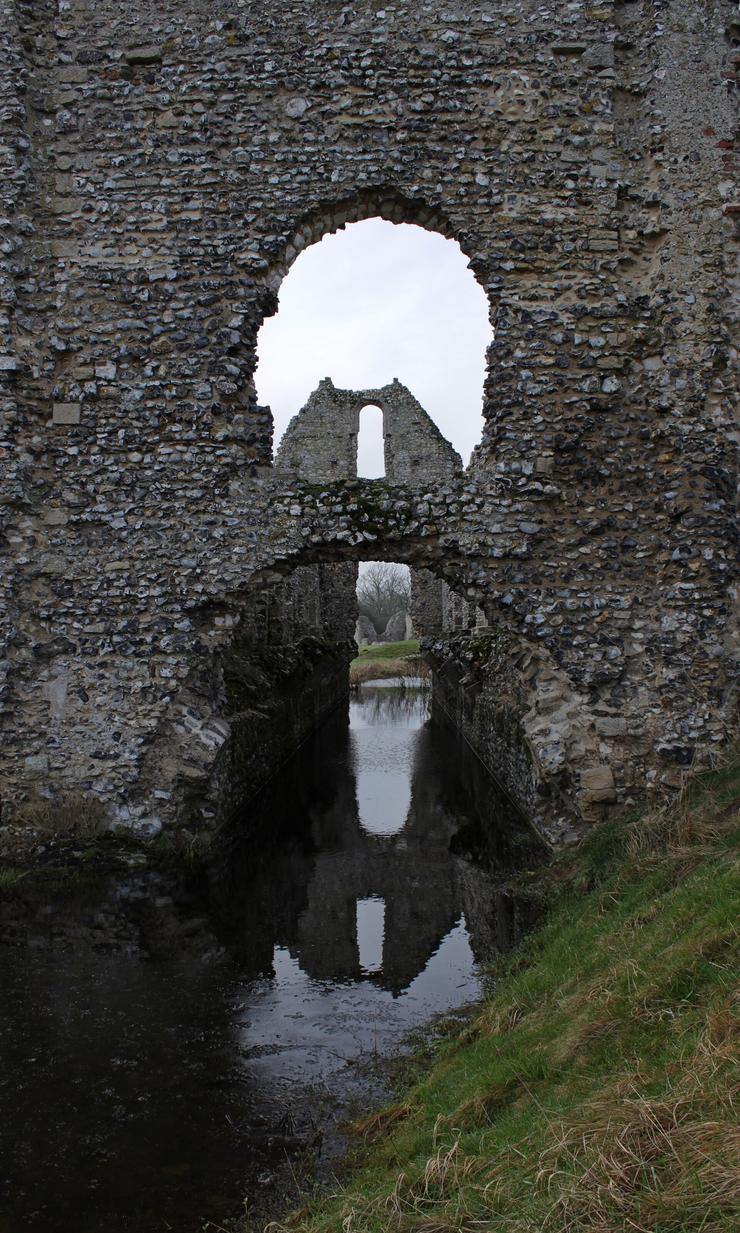
A 24-seat latrine. The reredorter, the monks’ toilet block, was two storeys high, with a row of seats above a channel of running water. English Heritage counts room for 24 monks at a time.
What to see, in the order you meet it
The gatehouse
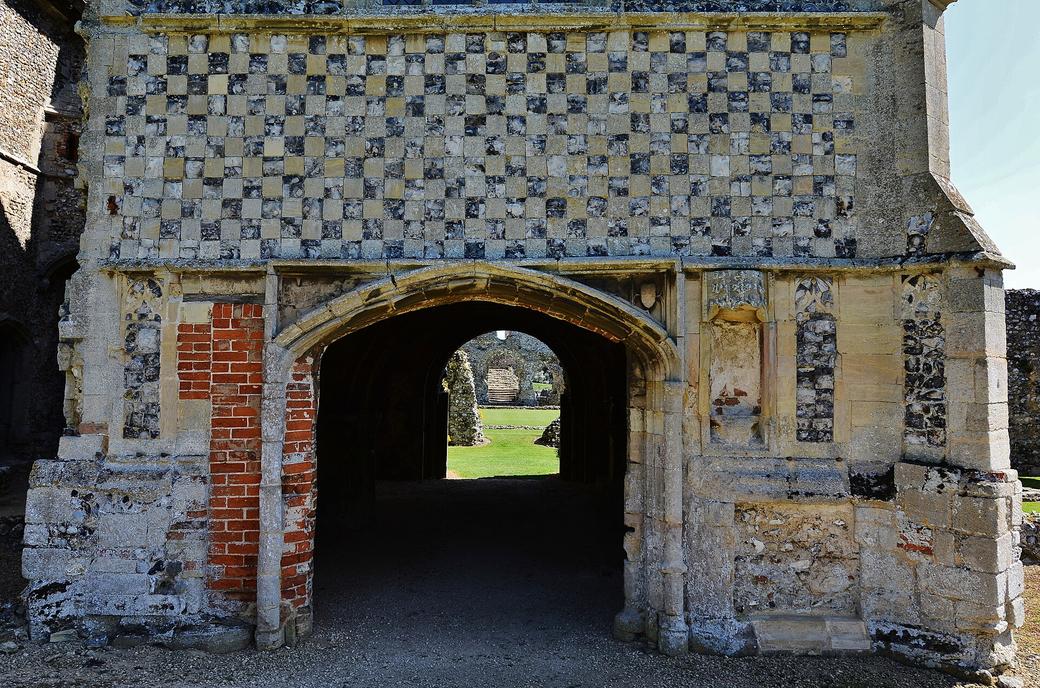
You come in past the Tudor gatehouse of brick and flint, which once controlled the way into the priory precinct.
The west front
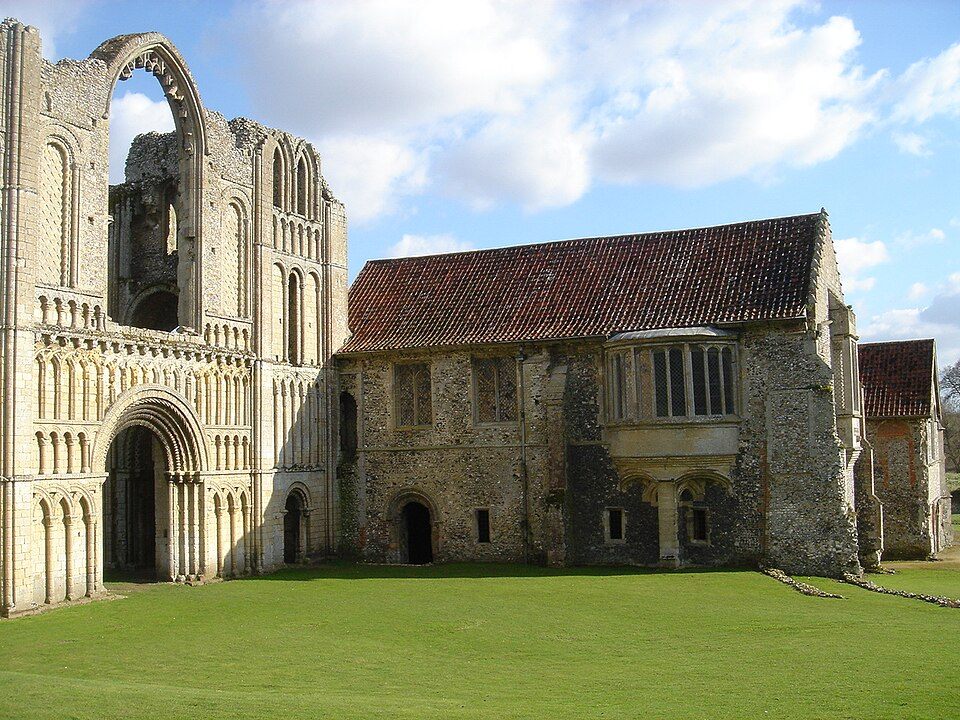
The west front of the church still stands almost to its full height. Its tiers of interlaced and blind arches are some of the finest Norman decoration in England; the big Gothic window in the middle was put in later in the Middle Ages.
The church and the cloister
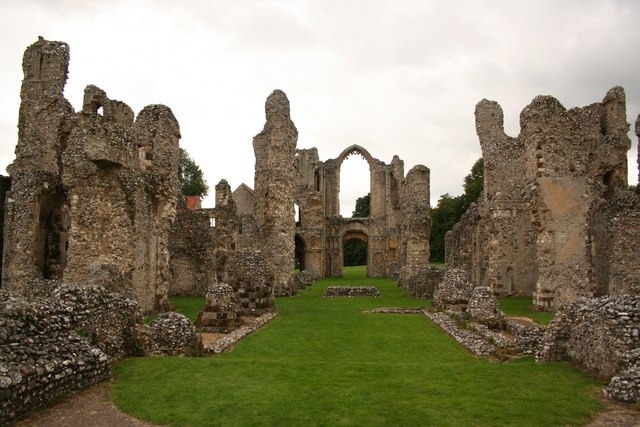
Beyond the west front the nave and the east end survive as walls and pillar bases, enough to show the scale of the church. South of it lay the cloister, with the chapter house, the dormitory and the reredorter around it.
The prior’s lodging
On the west side of the cloister is the prior’s lodging, still roofed. Inside are the prior’s chapel, a fine oriel window and an exhibition about the priory, with a ceiling painted with Tudor roses. A recreated herb garden grows plants the monks would have used.
Tickets and tours
English Heritage ticket
Expect to pay roughly £10–£13 for an adult, depending on the date, with savings for booking online in advance. English Heritage members go free. Open daily 10am–5pm in the main season; weekends only in winter.
The hotel link goes to Booking.com. This site earns nothing from it at present — it is here because it is the quickest way to check what is actually available.
Don't miss
- The west front Tiers of Norman arcading.
- The prior’s lodging Roofed, with its chapel and oriel window.
- The reredorter The monks’ two-storey latrine.
- The herb garden Plants of the monastic infirmary.
- Castle Acre Castle Free, at the other end of the village.
- The Bailey Gate The medieval gateway into the village.
Insider tips
Make a morning of the village. Castle Acre is one of the best-preserved medieval planned villages in England. Walk from the priory to the castle earthworks and back through the Bailey Gate, and stop at St James’s Church, which looks over the priory ruins.
Common questions
How much does it cost to visit Castle Acre Priory?
Castle Acre Priory is run by English Heritage, which sets prices by date: expect roughly £10–£13 for an adult, less if you book online in advance. English Heritage members go free. Check the English Heritage website for today’s price.
When is Castle Acre Priory open?
In the main season it is open daily from 10am to 5pm, with last entry at 4.30pm. In winter it usually opens at weekends only, with shorter hours. Check the English Heritage website before you travel.
Is Castle Acre Castle worth seeing too?
Yes. The earthworks of the castle built by the Warennes are at the other end of the village, free to visit and open at any reasonable time. The village is entered through the castle’s old Bailey Gate.
What is a Cluniac priory?
A monastery belonging to the Benedictine reform led by the great abbey of Cluny in Burgundy, famous for its long, elaborate services and rich buildings. Castle Acre was a daughter house of Lewes Priory, the first Cluniac house in England.
How do you get to Castle Acre Priory?
Castle Acre is about four miles north of Swaffham, off the A1065. There is free parking outside the priory and more in the village. The nearest stations are King’s Lynn and Downham Market. The Peddars Way long-distance path runs through the village.
Where to stay and eat nearby
Castle Acre has a pub and tea rooms, and Swaffham, four miles south, has more places to stay.
More English churches
- Norwich Cathedral — about an hour east
- Ely Cathedral — across the Fens
- Holy Trinity, Blythburgh — on the Suffolk coast
See all the cathedrals and churches worth visiting in England →