
Kirkstall Abbey
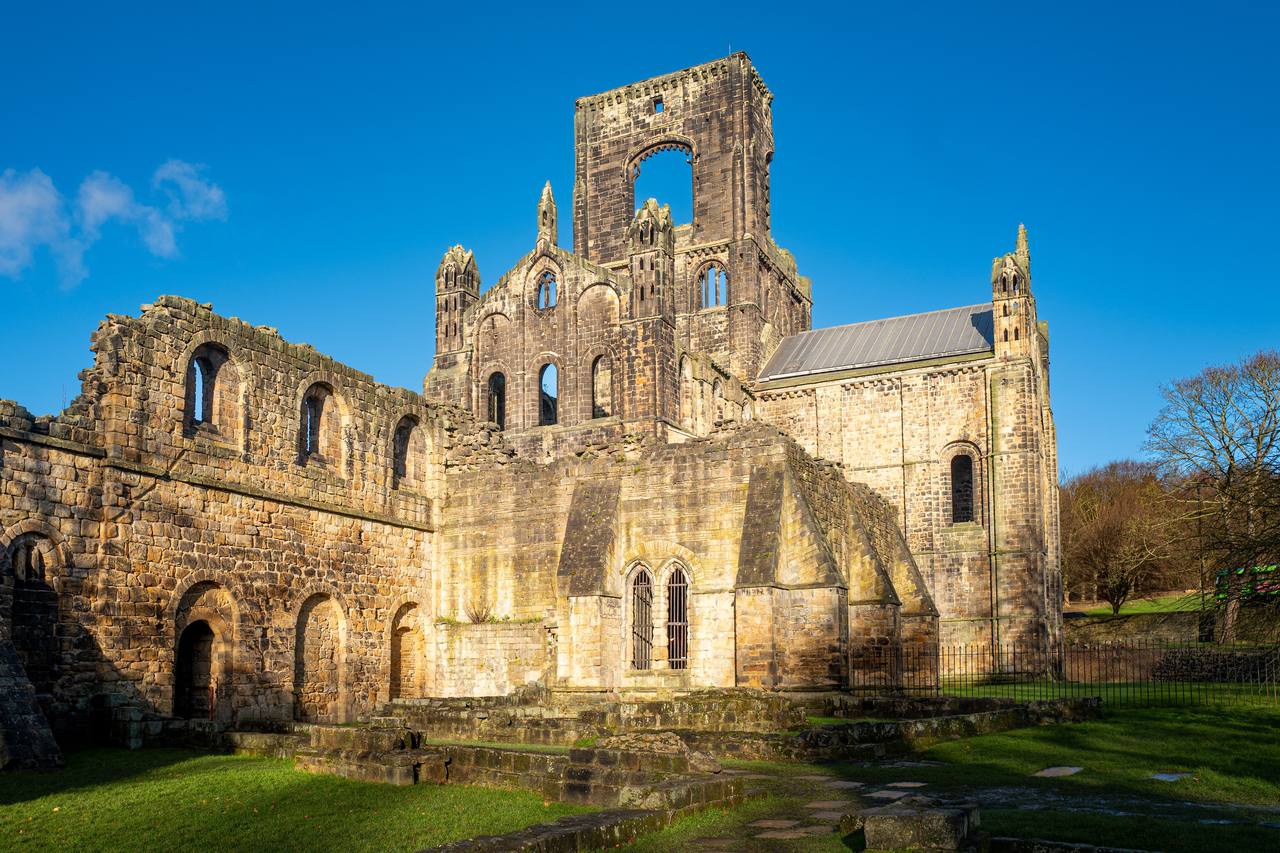
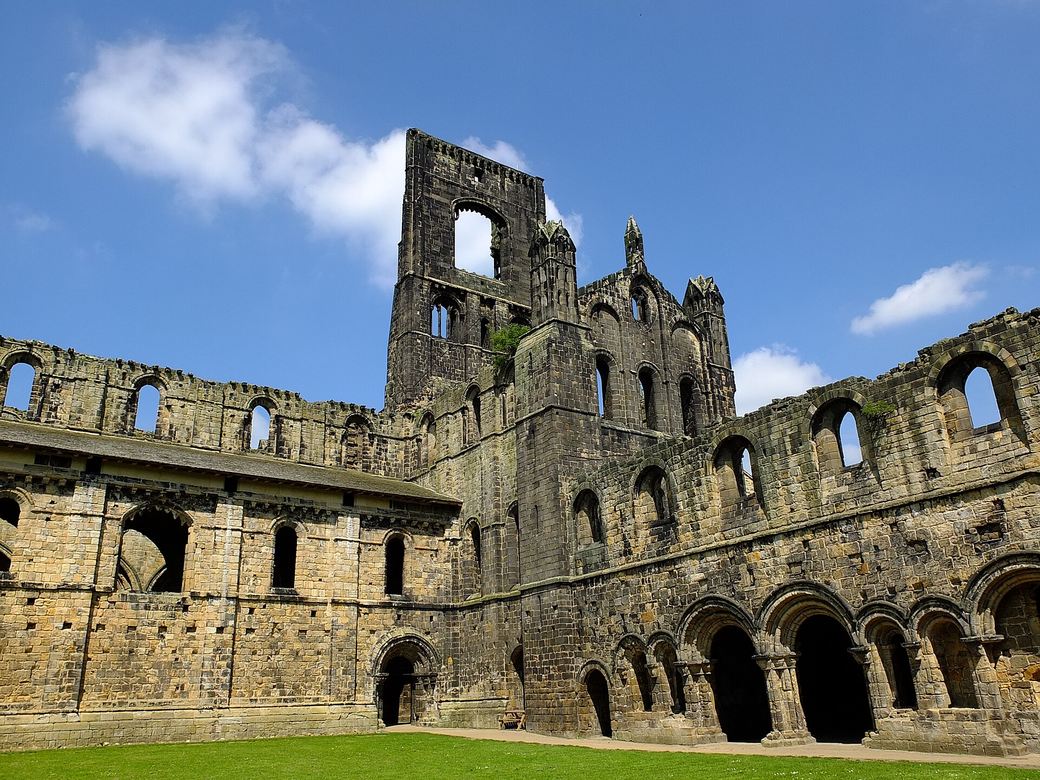
Kirkstall is one of the best-preserved Cistercian abbeys in Britain, and it stands inside a city: a great Norman church, roofless but almost complete, in a park beside the River Aire three miles from the centre of Leeds. Its broken tower drew Turner and Girtin in the age of the Picturesque, and today it is one of the most rewarding ruins in the north, open on a pay-what-you-can basis.
Monks from Fountains
In 1147 a group of monks from Fountains Abbey settled at Barnoldswick, on land given by Henry de Lacy. The site was exposed and the locals were hostile, and in 1152 they moved to the sheltered valley of the Aire at Kirkstall. Under their first abbot, Alexander, most of the buildings were finished by 1182, which is why the abbey is so consistent in style: a sober, early Cistercian design that pairs round-headed Norman windows and doorways with pointed arches in the arcades and vaults, an early taste of Gothic.
The abbey was dissolved in 1539. Stone was carried off for building, and in 1779 part of the tower fell. In 1889 Colonel John North bought the ruins and gave them to Leeds, and after restoration they opened to the public in 1895.
The visitor's cheat sheet
| Where | Abbey Road, Kirkstall, Leeds, LS5 3EH |
|---|---|
| Getting there | Buses 33, 34 and 757 from Leeds; Kirkstall Forge and Headingley stations about a mile away; large free car park |
| Opening hours | Tue–Sun 10am–4.30pm (Apr–Sep), 10am–4pm (Oct–Mar); last entry 30 minutes before closing; closed Mondays except bank holidays |
| Admission | ‘Give What You Can’: suggested donation £5 per person; the surrounding park is free |
| How long | 1 to 1.5 hours |
| Best time | A weekday morning, or late on a winter afternoon when the low sun lights the stone |
| Dress code | Outdoor site; good shoes |
| Tours | Visitor centre; volunteer-led tours on set dates; café |
Hours and admission checked against the official site in October 2026. They change; the official site is always the last word.
A Picturesque favourite. In the late eighteenth century Kirkstall’s ivy-covered ruins were among the most painted in England. Turner, Girtin and Cotman all drew them, and the collapse of the tower in 1779 only added to their appeal.
What to see, in the order you meet it
The visitor centre
Begin in the visitor centre, which explains the life of the monks and how the abbey worked, before walking down to the ruins.
The church
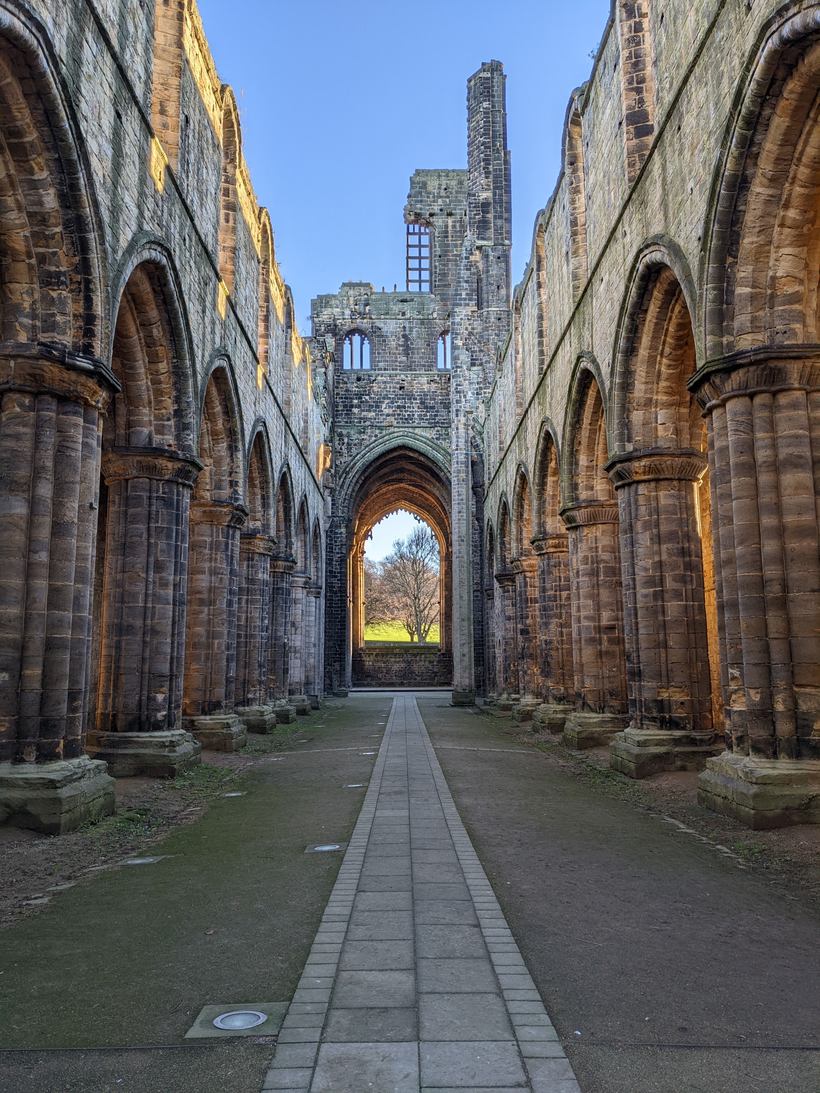
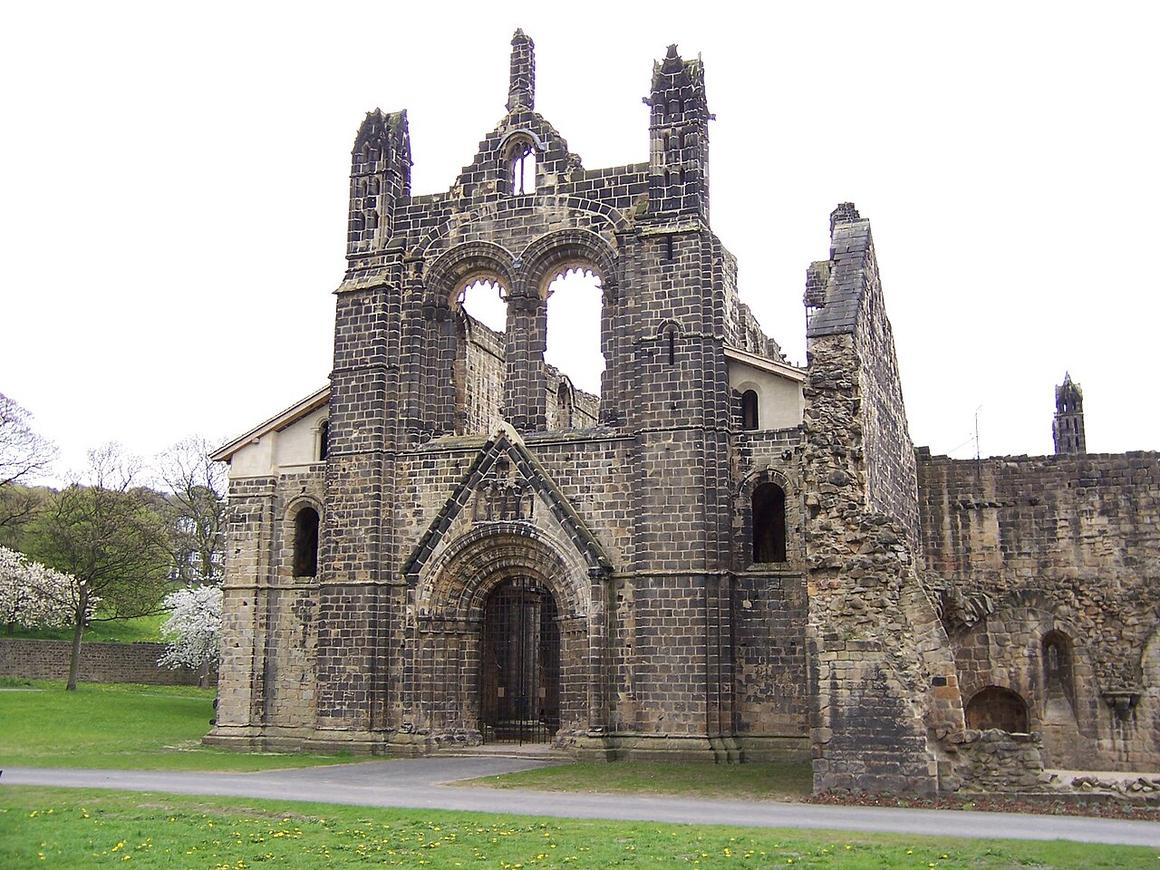
Go in by the west doorway. The nave, with its massive pillars and the outlines of the chapels at the east end, gives a clearer picture of a twelfth-century Cistercian church than almost anywhere else. Look up at the crossing to see the remains of the tower.
The cloister and the chapter house
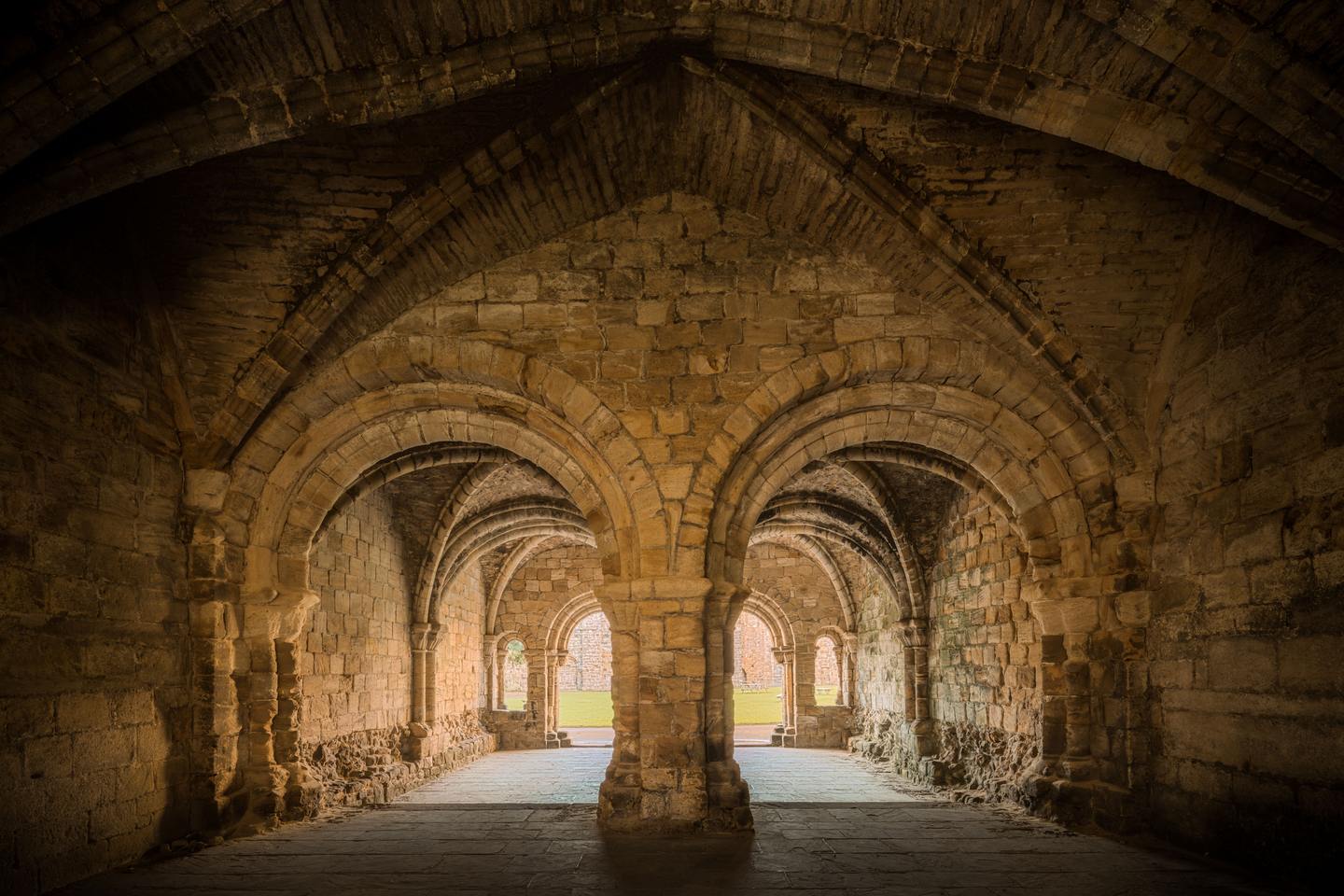
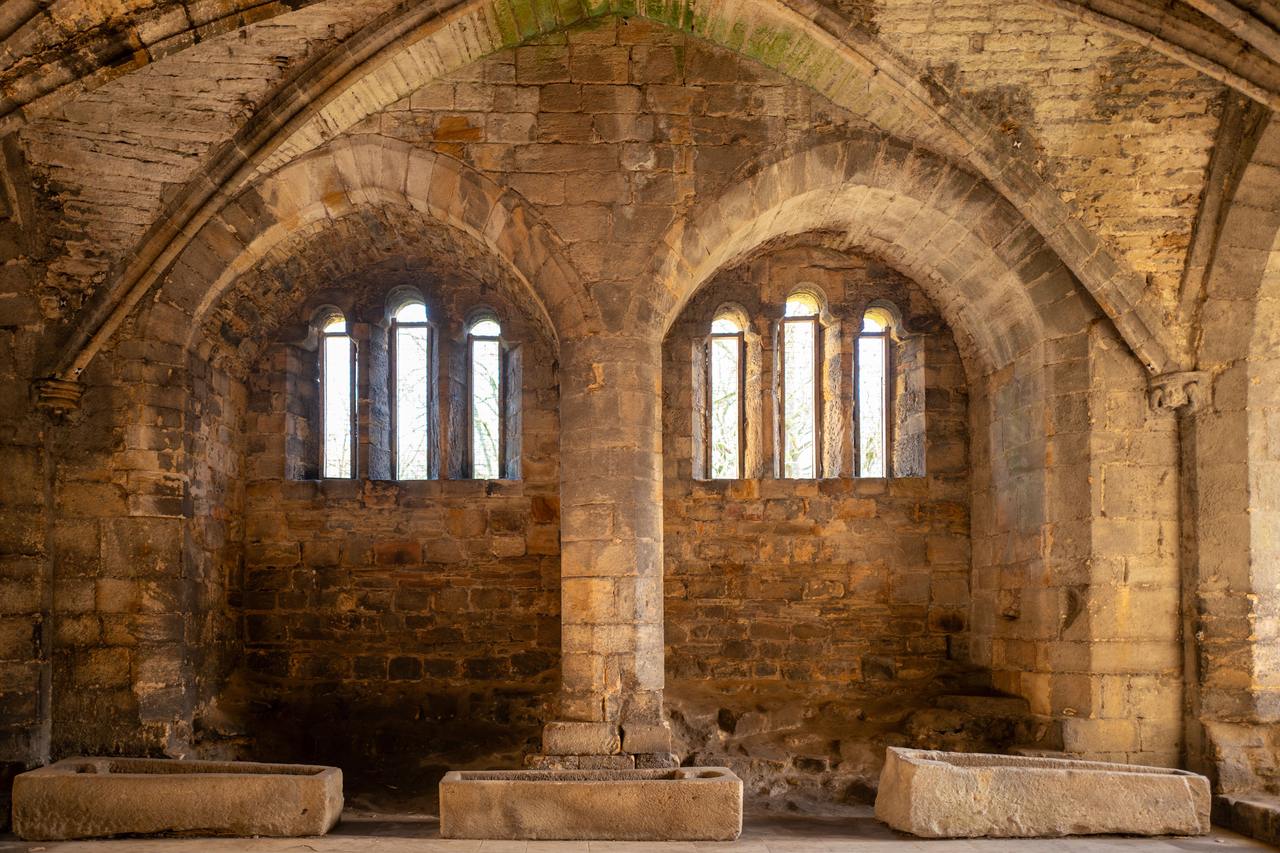
South of the church, the cloister is surrounded by the monks’ buildings. The chapter house, where the community met every morning, still has its rib vault, and nearby are the parlour, the dormitory undercroft and, to the south, the refectory and kitchen. Further out are the remains of the guest house, where travellers stayed.
Tickets and opening times
Give What You Can
Kirkstall Abbey is run by Leeds Museums and Galleries. There is a suggested donation of £5 per person, but you can give what you choose. It is open Tuesday to Sunday, 10am–4.30pm from April to September and 10am–4pm from October to March, with last entry half an hour before closing.
The hotel link goes to Booking.com. This site earns nothing from it at present — it is here because it is the quickest way to check what is actually available.
Don't miss
- The nave Almost complete, from the west door to the crossing.
- The broken tower Partly fallen since 1779.
- The chapter house Still vaulted.
- The guest house Where travellers were lodged.
- Abbey House Museum In the old gatehouse across the road.
- The riverside park Free, along the Aire.
Insider tips
Check for events. Kirkstall hosts markets, open-air theatre and concerts in the ruins through the year; they can make a visit lively or crowded. If you want the abbey quiet, look at the events calendar first and go on a weekday.
Common questions
Does it cost anything to visit Kirkstall Abbey?
Kirkstall Abbey is run by Leeds Museums and Galleries as a ‘Give What You Can’ site: there is a suggested donation of £5 per person, which you can pay by card, contactless or cash, but you can give whatever you choose. The park around the abbey is free.
When is Kirkstall Abbey open?
Tuesday to Sunday, from 10am to 4.30pm between April and September and to 4pm from October to March, with last entry half an hour before closing. It is closed on Mondays except bank holidays. Check the Leeds Museums and Galleries website for bank holidays and events.
Why is the tower broken?
The crossing tower was heightened in the early sixteenth century. In 1779 part of it collapsed in a storm, leaving the jagged outline that the Romantic painters loved.
What is Abbey House Museum?
Across the road from the ruins, the abbey’s old gatehouse is now Abbey House Museum, a Leeds museum with recreated Victorian streets. It has its own opening hours and ticket.
How do you get to Kirkstall Abbey?
The abbey is on Abbey Road in Kirkstall, about three miles north-west of Leeds city centre. Buses 33, 34 and 757 from Leeds stop outside, and Kirkstall Forge and Headingley stations are each about a mile away. There is a large free car park by Abbey House Museum.
Where to stay and eat nearby
The Abbey Café is on site, and Kirkstall and Headingley have pubs and restaurants. Leeds city centre, three miles away, has plenty of hotels.
More English churches
- Fountains Abbey — Kirkstall’s mother house
- Bolton Priory — in Wharfedale, about 20 miles away
- York Minster — about 25 minutes from Leeds by train
See all the cathedrals and churches worth visiting in England →