
St John the Baptist, Burford
At the bottom of the hill in Burford, the “gateway to the Cotswolds”, the church of St John the Baptist grew over four centuries from a Norman church into a great wool church, full of chapels and merchants’ tombs. In 1649 it was a prison for mutinous soldiers, and one of them carved his name on the font.
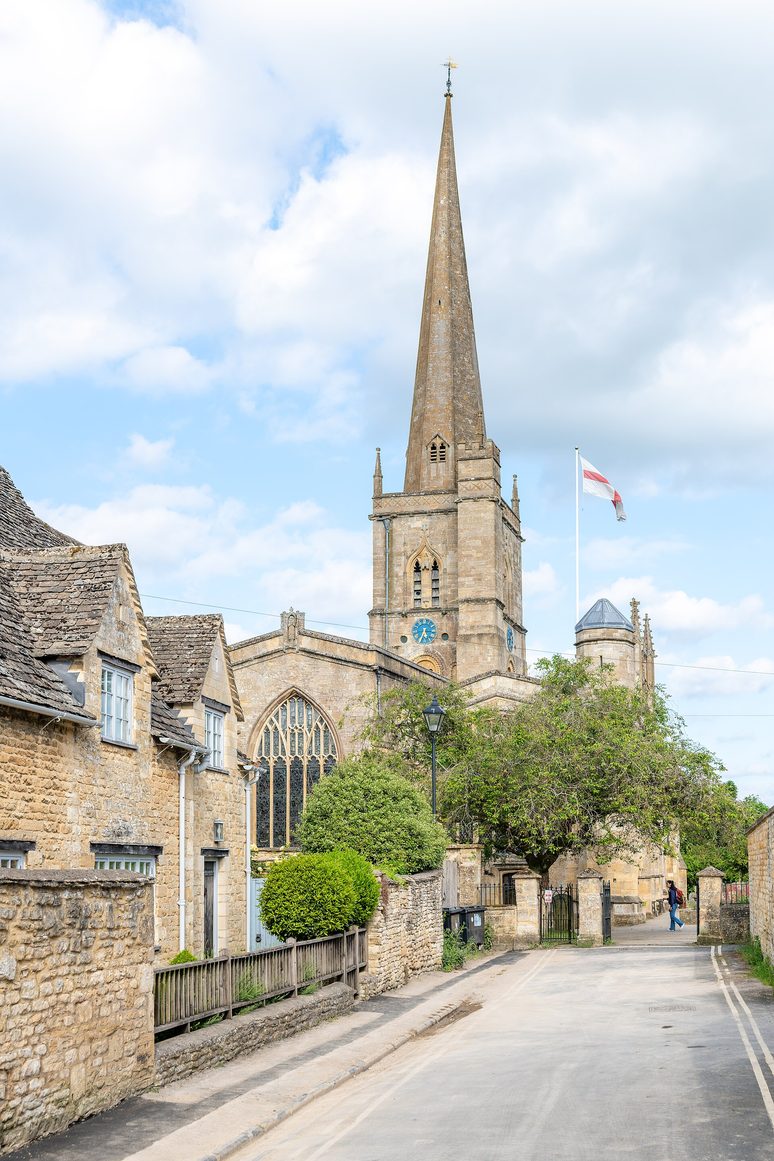
A Norman church that grew rich on wool
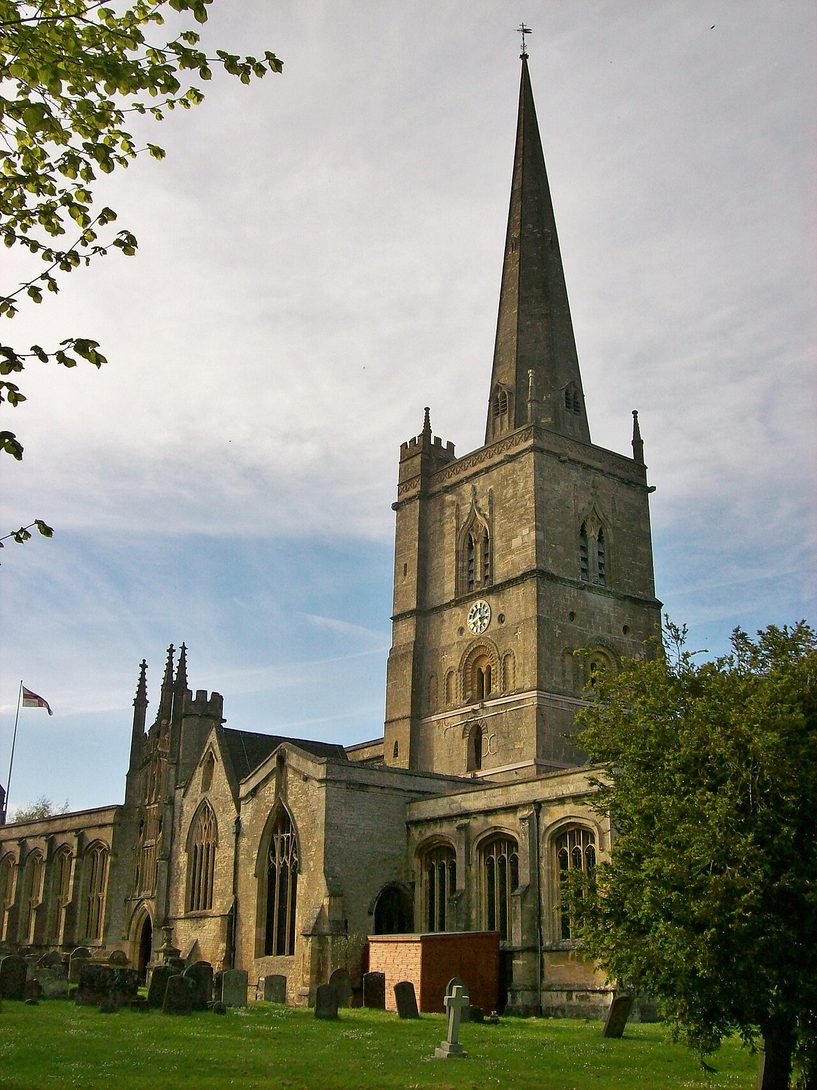
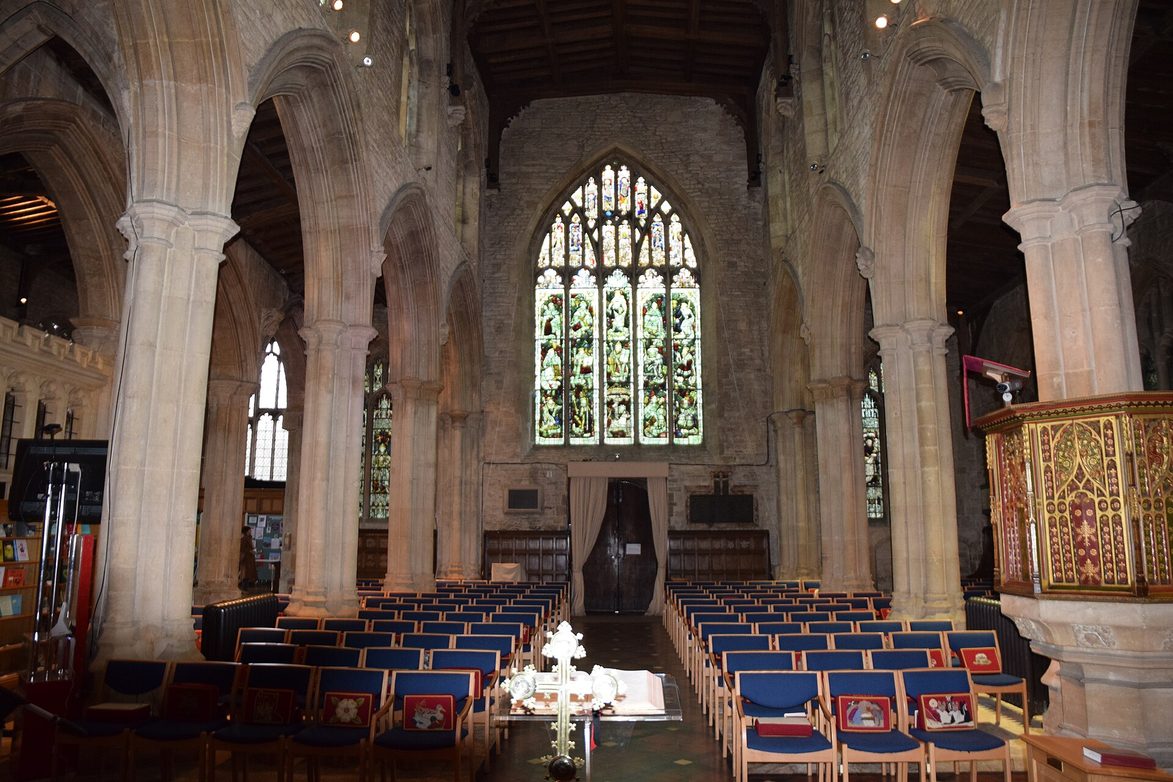
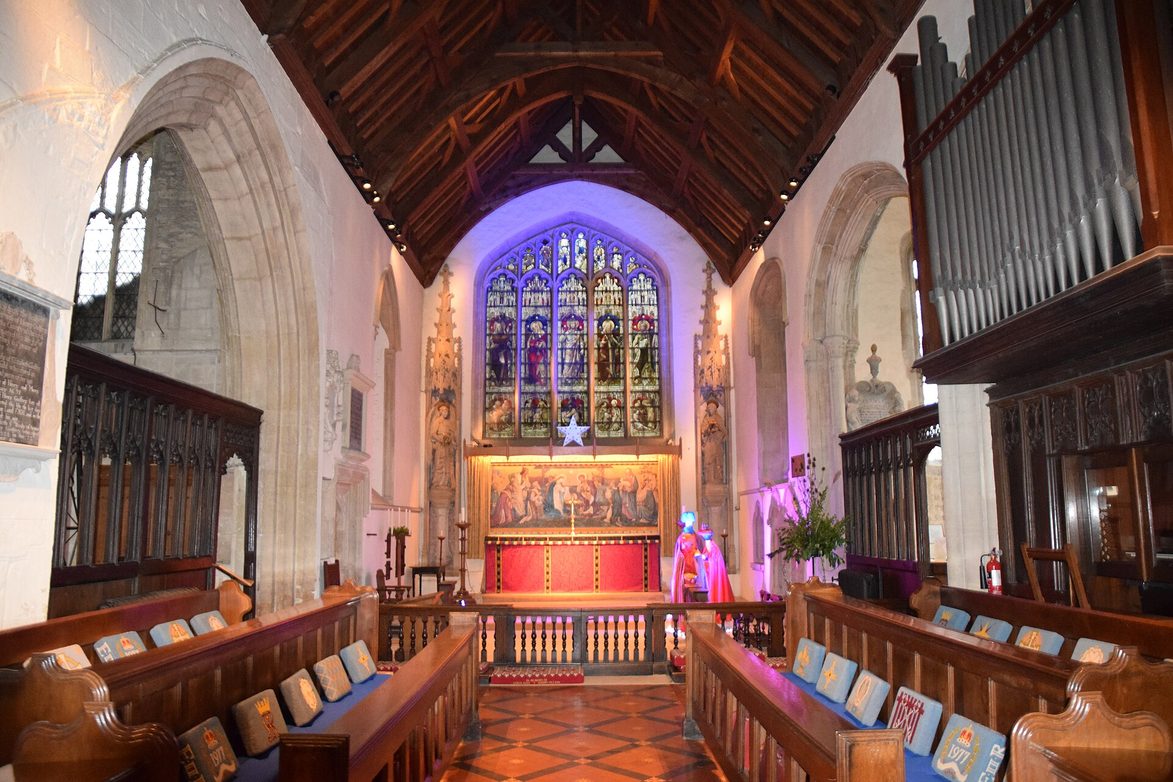
The church began as a Norman building of the twelfth century; its west doorway and the lower part of the central tower survive from then. As Burford grew rich on the wool trade, the merchants rebuilt and extended it: the tower was raised and the slender spire added in the late fourteenth and fifteenth centuries, and chapels were built around the church, among them the chapel of the town’s merchant guild. By about 1485 it had reached its present form.
In the 1870s the church was restored by G. E. Street, and the scale of the work was one of the cases that led William Morris to found the Society for the Protection of Ancient Buildings in 1877. The church is listed Grade I.
The visitor’s cheat sheet
| Where | Church Green, Burford, Oxfordshire OX18 4RY |
|---|---|
| Opening hours | Monday–Saturday 10am–4pm; Sunday 1pm–4pm. Closed at Christmas, Easter and New Year’s Day |
| Admission | Free; donations welcome |
| Services | Sundays at 9.30am and 11.15am; see the church website |
| Parking | Free public car parks in the town (time limits apply); the church is at the bottom of the High Street |
| How long | An hour |
Hours and admission checked against the official site in November 2026. They change; the official site is always the last word.
What to see
The Norman doorway and the porch
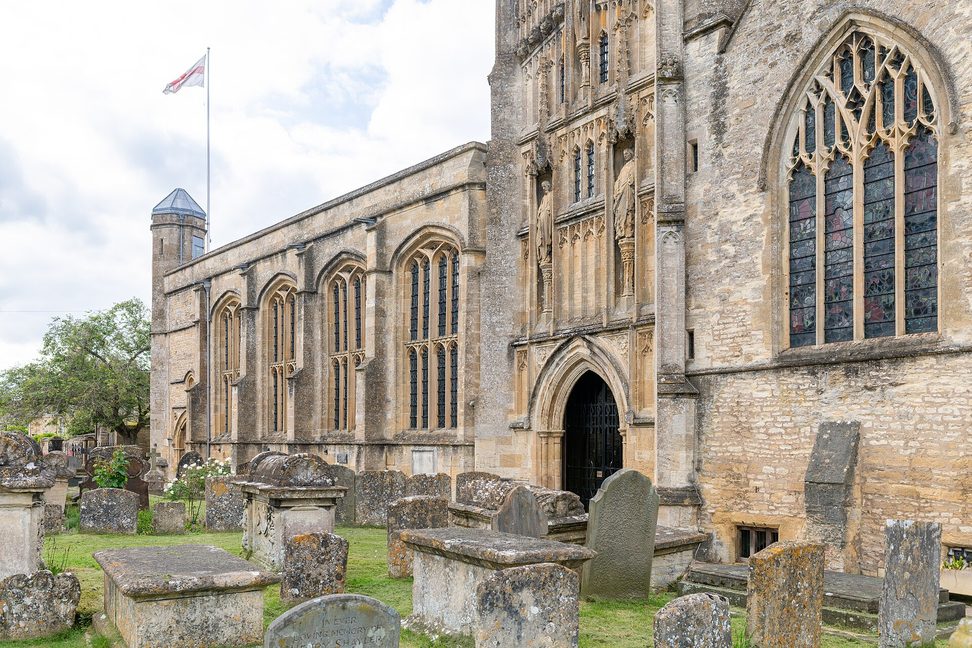
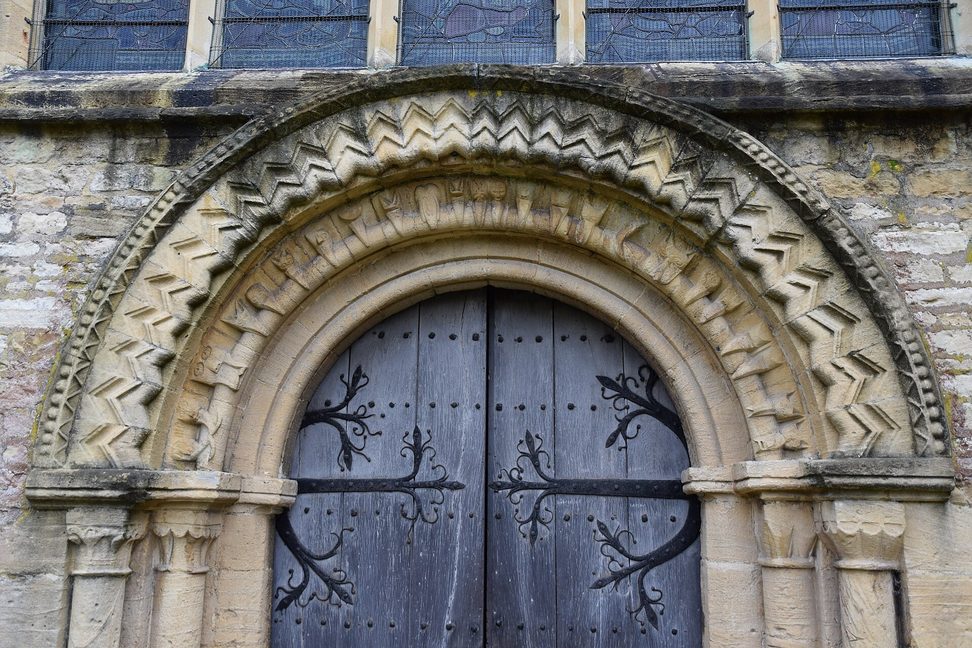
The west doorway is Norman, with zigzag carving. The three-storey south porch, of the fifteenth century, has panelled stonework, niches with figures (their heads mostly Victorian) and a fan vault inside.
The Levellers
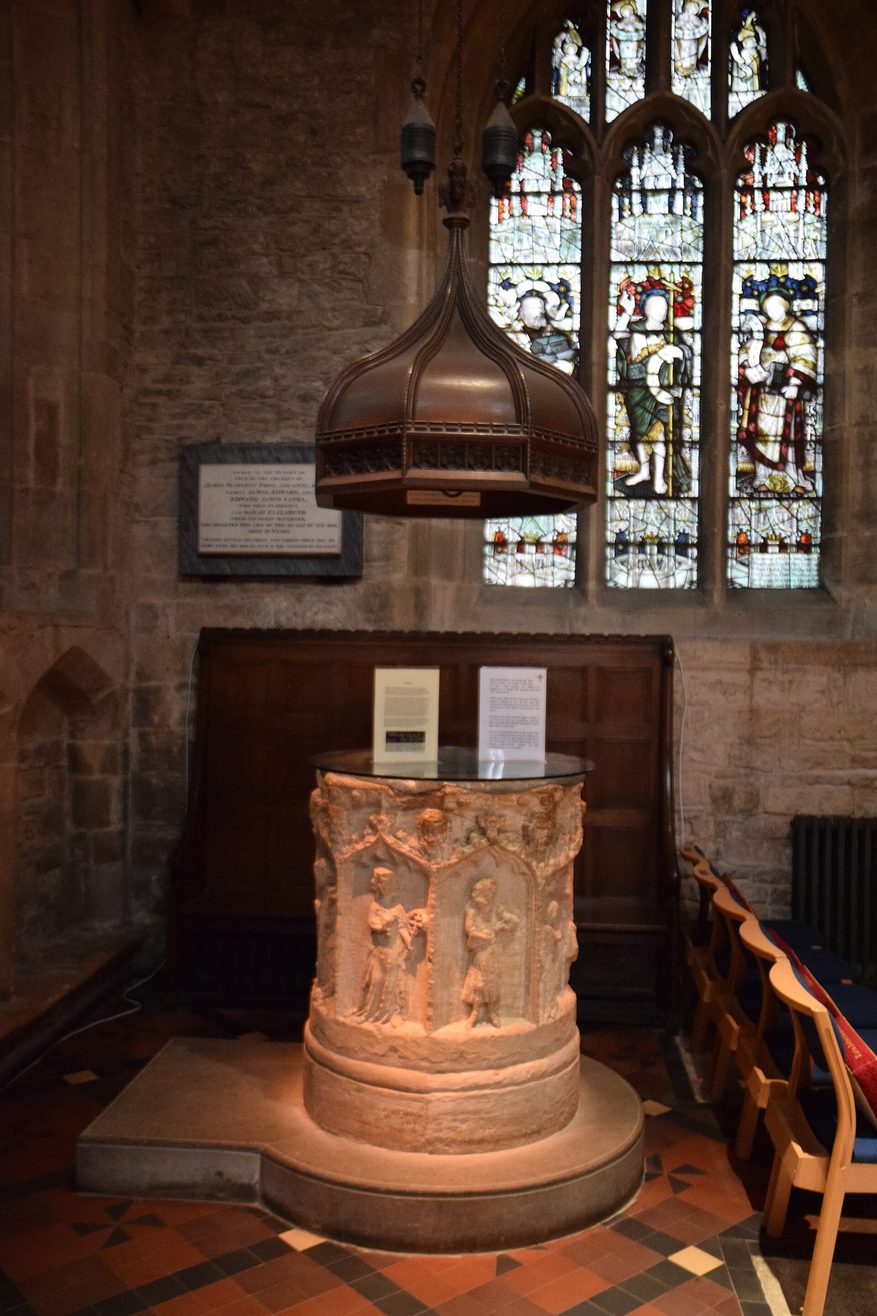
In May 1649 soldiers of the New Model Army who had mutinied over pay and politics, known as the Levellers, were surprised at Burford by Cromwell and Fairfax and locked in the church. After a few days three of their leaders were shot in the churchyard (tradition says against its wall), and the rest were made to watch and then pardoned. One prisoner scratched “Anthony Sedley 1649 prisner” into the lead lining of the font, where it can still be read. A plaque outside remembers them, and Levellers Day is held in the town each May.
The monuments
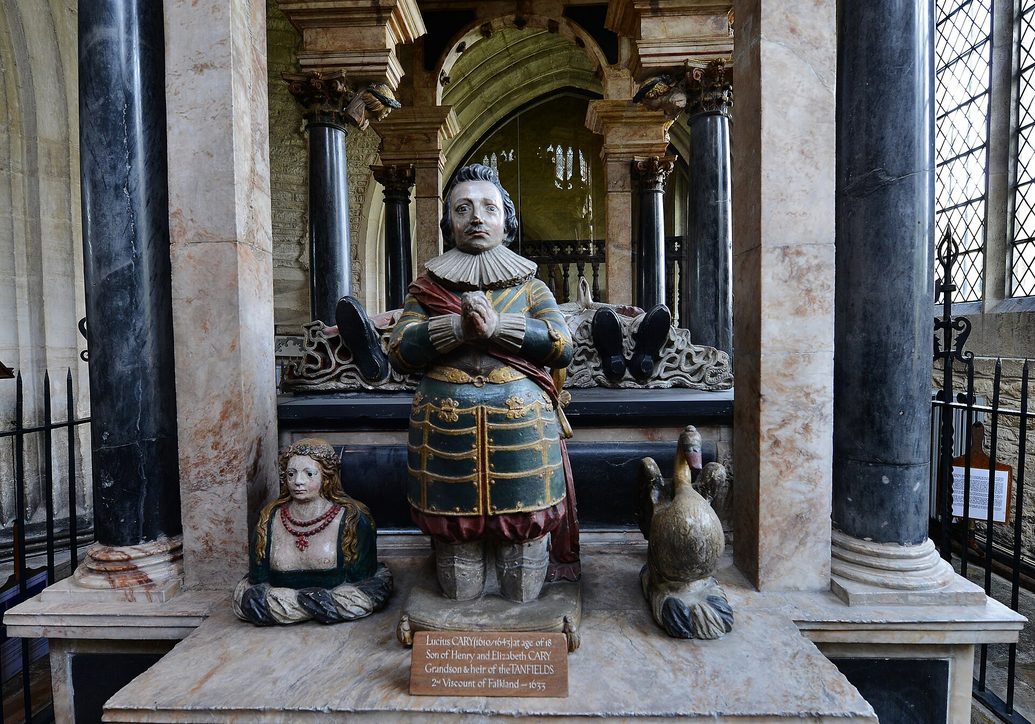
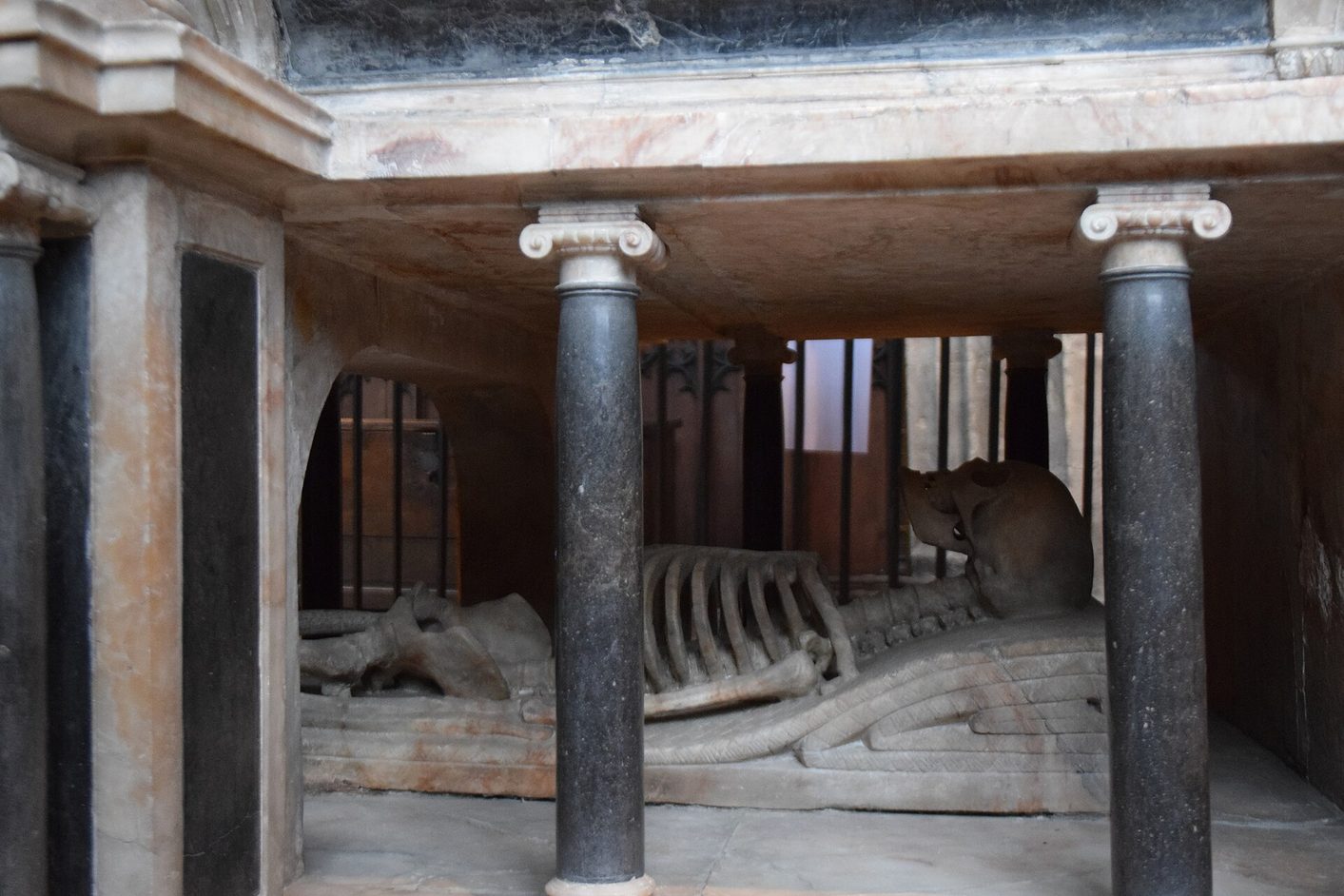
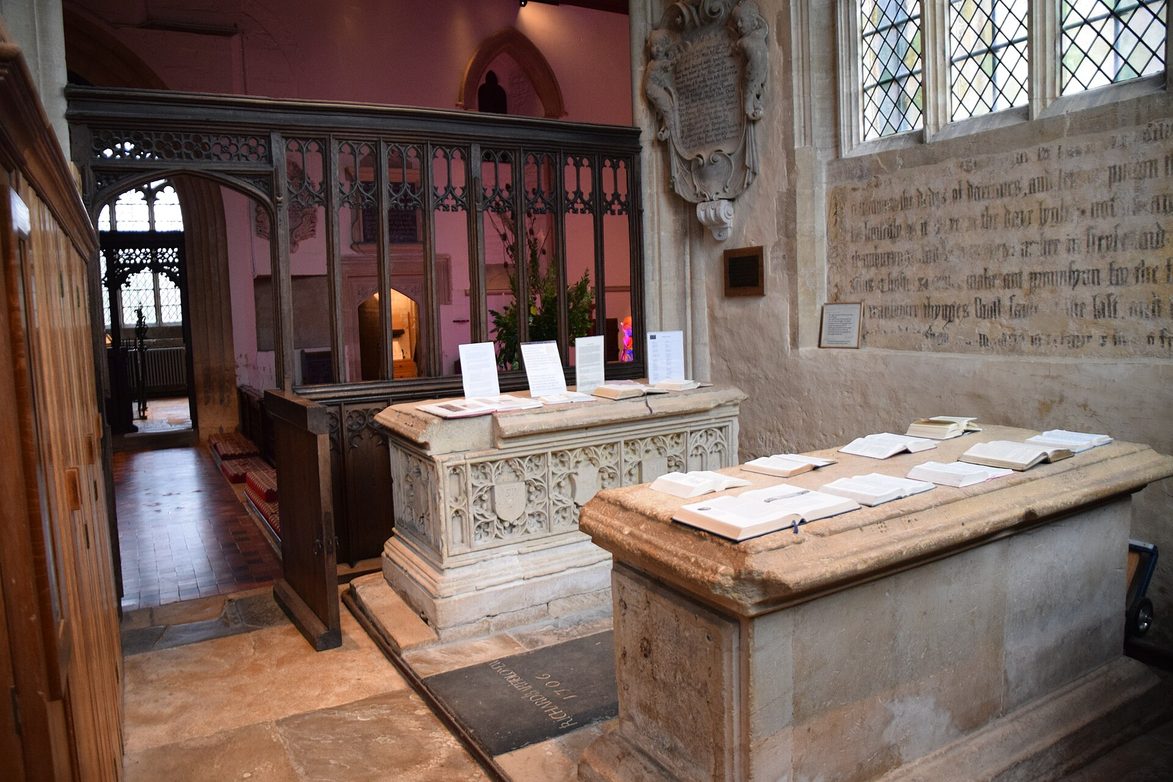
The grandest monument is the tomb of Sir Lawrence Tanfield, Lord Chief Baron of the Exchequer, and his wife, in the north chapel: painted effigies under a canopy with black columns, and below them a carved skeleton. Look also for the memorial to Edmund Harman, Henry VIII’s barber-surgeon, of about 1569, carved with his sixteen children and with figures of South American Indians, among the earliest such images in England; the tomb chests of the wool merchants; and the memorial to Christopher Kempster, the Burford quarryman and mason who worked on Wren’s St Paul’s Cathedral.
Getting there
Burford is on the A40, about eighteen miles west of Oxford; the church is at the bottom of the hill, by the River Windrush, a short walk from the High Street. The nearest stations are Shipton-under-Wychwood and Charlbury, on the line from London Paddington to Worcester; buses run from Oxford, Witney and Cheltenham.
Where to stay
Burford has old coaching inns on its High Street; Witney and Oxford have more choice.
This link goes to Booking.com. This site earns nothing from it at present — it is here because it is the quickest way to check what is actually available.
Don’t miss
- The Norman doorway Zigzag carving of the twelfth century.
- The font Scratched by a prisoner in 1649.
- The Tanfield tomb With a skeleton beneath.
- The Harman memorial Early images of the Americas.
Insider tips
Walk down the High Street. The view of the spire as you come down the hill is the classic view of Burford.
Come on a weekday morning. The church opens at 10am, and is quieter before the day visitors arrive.
Common questions
What happened at Burford church in 1649?
In May 1649 Cromwell surprised a mutiny of Leveller soldiers at Burford and held about 340 of them prisoner in the church. Three ringleaders were shot; the rest were pardoned. One prisoner, Anthony Sedley, scratched his name and the year into the lead lining of the font.
When is Burford church open?
Monday to Saturday from 10am to 4pm, and on Sundays from 1pm to 4pm. It is closed at Christmas, Easter and on New Year’s Day, and may close for services and events.
Is it free?
Yes. There is no admission charge; donations are welcome, and free printed guides are available in several languages.
What is the Tanfield monument?
The tomb of Sir Lawrence Tanfield, Lord Chief Baron of the Exchequer, who died in 1625, and his wife Elizabeth: a grand canopied monument in the north chapel, with a carved skeleton lying beneath it.
How do you get to Burford?
Burford is on the A40 between Oxford and Cheltenham. The nearest stations are Shipton-under-Wychwood and Charlbury, about five and seven miles away; buses run from Oxford, Witney and Cheltenham.
More English churches
- Tewkesbury Abbey — a great Norman abbey church
- Christ Church Cathedral, Oxford — the smallest cathedral in England
- Iffley Church — a richly carved Norman church near Oxford
See all the cathedrals and churches worth visiting in England →